
Tanzania
Serengeti, a volcanic crater full of animals, Kilimanjaro, and Zanzibar — in one country.
Tanzania holds an unusual concentration of headline experiences: the Serengeti and the wildlife-packed Ngorongoro Crater for safari, Kilimanjaro for the continent's highest trek, and Zanzibar's spice-island beaches to finish. You can do all three or pick a lane. The northern safari circuit is the core of most trips, with the Serengeti's migration and the crater's dense game viewing within a few hours of each other.
The classic loop runs the northern circuit — a few nights split between the Serengeti and the Ngorongoro Crater, where a single descent into the caldera turns up lions, elephants, and often rhino in one morning. From roughly June to September the migration herds gather in the western and northern Serengeti for the Mara River crossings, the safari's most dramatic set piece. Many then fly to Zanzibar for beach time, or arrive early to climb Kilimanjaro over five to eight days. Camps run from basic to luxury, and that choice sets the budget.
It is logistically heavy and rarely cheap. Park and conservation fees here are among the highest in Africa, internal flights and good guides add up, and a Kilimanjaro climb is a serious, altitude-driven effort that catches unprepared trekkers out. Seasonality is unforgiving: the long rains from March to May flood tracks and shutter some camps, so the best months are also the priciest and busiest. The migration crossings draw a wall of vehicles when they happen. Plan around the dry season, budget honestly, and few places stack this much into one trip.
Highlights
-
Serengeti
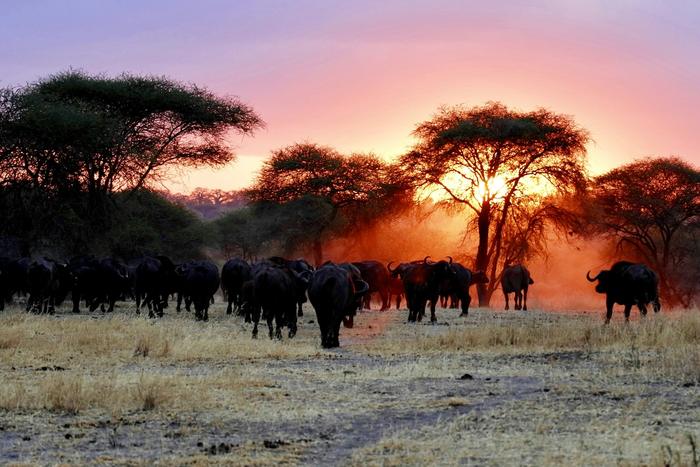
Endless plains and big cats; migration river crossings roughly June–September.
-
Ngorongoro Crater
A collapsed caldera packed with game — Big Five in a single drive.
-
Mount Kilimanjaro
Africa's highest summit, trekkable over five to eight days. No technical climbing.
-
Zanzibar
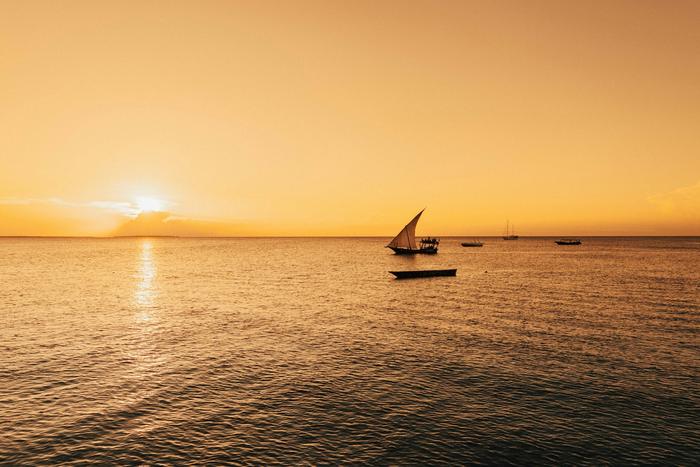
Stone Town, spice farms, and Indian Ocean beaches to land on afterward.
-
Tarangire
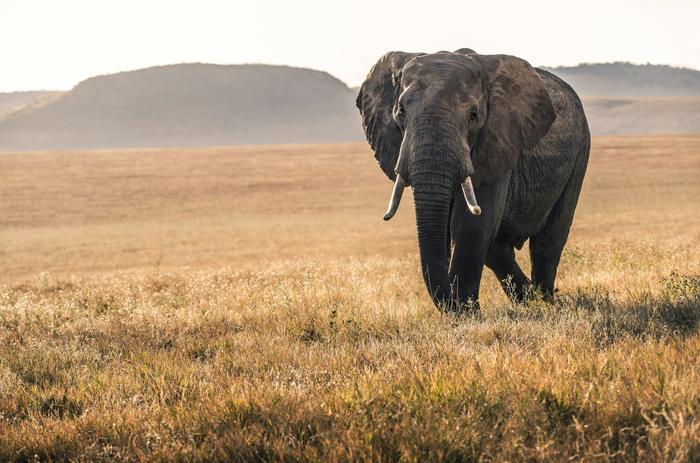
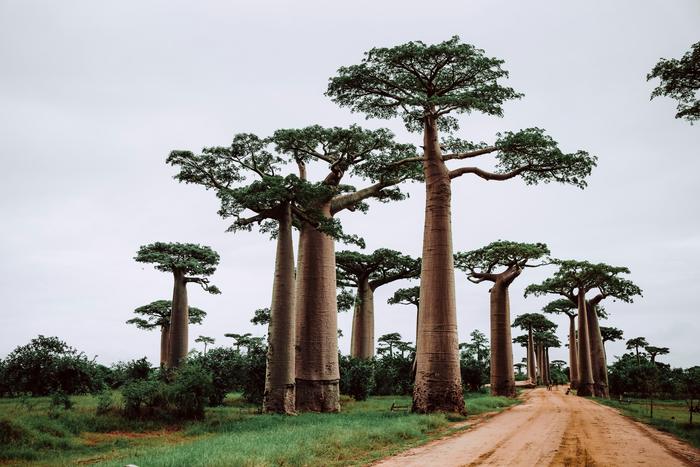
Baobabs and large elephant herds; quieter than the marquee parks.
Practical info
- Visa
- Visa required for most passports; available on arrival or as an e-visa. Verify before travel.
- Currency
- TZS (Tanzanian Shilling). USD common for tours.
- Language
- Swahili and English.
- Safety
- Parks are safe with a guide; ordinary city caution in Arusha and Dar es Salaam.
- Getting around
- Light aircraft and safari vehicles for the circuit; flights or ferry to Zanzibar.
- Tap water
- Stick to bottled or filtered water.
- Plug type
- Type D Type G 230V
- Money
- Carry USD cash for park fees and tips; cards limited outside hotels and towns.
General guidance — visas, safety, and health change, so check your government's travel advisory and the official sources before you go.
Common questions
- What visa do I need for Tanzania?
- Most travellers take the eVisa on the official portal (visa.immigration.go.tz) or a visa-on-arrival — the ordinary single-entry visa is US$50, valid up to 90 days. The catch that trips Americans: US citizens must buy the US$100 multiple-entry visa, not the $50 one — a known US-specific rule. Carry a passport valid six months with blank pages. Separately, Tanzania now requires mandatory government travel insurance (see below).
- What’s this mandatory travel insurance, and the Zanzibar rules?
- Tanzania now requires a government inbound travel insurance of US$44 that your own policy does not replace. It began in Zanzibar in October 2024 and, from 1 October 2026, applies to the mainland too (bought from NIC on the mainland, ZIC for Zanzibar; one purchase, based on your entry point; East African and SADC citizens are exempt). Zanzibar, being semi-autonomous, also runs its own immigration checks and adds a small per-night hotel tax, and enforces a conservative dress code away from the beach.
- When does the Great Migration happen, and where?
- It’s a south-versus-north timing question, so book the right region. Calving is in the southern Serengeti/Ndutu from roughly late January to March (around half a million newborns and intense predator action); the herds cross the Grumeti in the west around May–June; and the dramatic Mara River crossings happen in the north around July–October. It’s rainfall-driven, so dates shift by weeks each year. For general game viewing, the dry season (June–October) is best overall.
- Why is a Tanzania safari so expensive?
- The park fees, mostly — and they carry 18% VAT and are card-only at the gate. The Ngorongoro Crater is the notorious one: around US$71 per adult entry plus a US$295-per-vehicle crater-descent fee. The Serengeti runs about US$70 a day (US$60 low season) plus a concession fee if you stay inside. Kilimanjaro is similarly fee-driven — park fees are roughly 40% of the bill, pushing all-in guided climbs to about US$2,200–3,500.
- Kenya or Tanzania for safari?
- The same migration, split between them. Tanzania has the bigger stage — the vast Serengeti, the Ngorongoro Crater, Kilimanjaro and Zanzibar to finish — and holds the migration for more of the year, including the dramatic Ndutu calving; it feels wilder but costs more. Kenya is cheaper, easier, with unmatched big-cat density in the Mara. See Kenya vs Tanzania, plus South Africa vs Tanzania and Botswana vs Tanzania.
- How hard is climbing Kilimanjaro?
- It’s a non-technical walk-up — no ropes or ice axes — but altitude makes it genuinely demanding: the summit is 5,895m, and the single biggest factor in success is how many days you take to acclimatise. An 8-day route sees over 90% of climbers summit; a rushed 5-day attempt is closer to half. You must go with a licensed operator and crew (5–9 days, roughly US$2,200–3,500 all-in), and budget a substantial tip for the guide and porters on top.
Entry & visa
A $50 visa — $100 for Americans
Simple on the mainland; the catches are the US-citizen visa and the new mandatory insurance.
On the mainland, entry is the visa itself — the US$50 ordinary single-entry (up to 90 days) via the official eVisa portal or on arrival — with one firm exception: US citizens must take the US$100 multiple-entry visa. A passport valid six months with blank pages is required.
The 2026 change to know: Tanzania now requires a US$44 government travel insurance, and from 1 October 2026 it applies to the mainland as well as Zanzibar — foreign policies aren’t accepted, you buy it once based on your entry point. One health trap: a combined Kenya-then-Tanzania trip triggers the yellow-fever certificate requirement, because Tanzania treats Kenya as endemic even though arrivals direct from Europe or the US are exempt.
Americans pay double at the Tanzania border: the ordinary visa is US$50 (single-entry, up to 90 days, via the official eVisa portal or on arrival), but US citizens must take the US$100 multiple-entry visa — budget for it, and apply on the official eVisa site rather than a lookalike. A passport valid six months with a blank page is required either way.
When to go
The migration is a map, not a month
Tanzania holds most of the migration’s year — so where you book matters as much as when.
~500,000 wildebeest calves born in a six-week burst
The migration circles all year, so the region you book matters as much as the month: calving in the southern Serengeti in the short dry (Jan–Mar), then north through the Grumeti to the Mara crossings (Jul–Oct). The long rains (crimson) are low season — green and cheap, with some camps closed.
What Tanzania is for is a run of headline experiences in one country: the Serengeti and the wildlife-packed Ngorongoro Crater for safari, Kilimanjaro for the continent’s highest trek, and Zanzibar’s spice-island beaches to finish. The northern safari circuit out of Arusha is the core of most trips.
Timing turns on the Great Migration — calving in the south January–March, river crossings in the north July–October — and, for general game viewing, the dry season June–October. Kilimanjaro climbs favour the drier windows (January–March and June–October); Zanzibar is warm year-round, best outside the long rains.
- you want the migration but hate crowdsSkipthe northern Serengeti in peak crossing seasonGothe Ndutu calving (Jan–Feb) — just as dramatic, far fewer vehicles
- the northern parks are booked out and dearSkipsqueezing into the peak SerengetiGothe Southern Circuit — Nyerere and Ruaha are vast, wild and quiet
- the long rains hit your dates (Mar–May)Skipa washed-out, part-closed safariGothe green-season discounts, or pivot to Zanzibar’s beaches
Getting around
Guided safaris, fly-in or by road
This is a guided country — light aircraft to the airstrips, or 4x4 road safaris from Arusha.
Tanzania safaris are guided, run through a licensed operator rather than self-driven, in two modes: fly-in, hopping by light aircraft to the park airstrips (less dusty road time, pricier), or road safaris in a 4x4 out of Arusha, gateway to the northern circuit. Most itineraries combine the Serengeti and Ngorongoro, sometimes adding a Kilimanjaro climb or a Zanzibar beach leg.
The airports sort by region: Kilimanjaro (JRO) for the northern parks and the mountain, Dar es Salaam (DAR) for the south and the capital, and Zanzibar (ZNZ) for the islands — which you can also reach on the Azam Marine fast ferry from Dar, about two hours. Tanzania drives on the left.
The parks
The northern circuit, and a wilder south
An unusual concentration of set-piece parks — plus a quieter alternative most people miss.
The northern circuit is the classic, and it’s extraordinary: the Serengeti (a UNESCO site since 1981, the densest predator population anywhere) and the Ngorongoro Crater, a collapsed volcano whose floor holds one of the richest concentrations of game on earth, including black rhino — and, on its rim, Olduvai Gorge, the "cradle of humankind." Tarangire and Lake Manyara round the circuit out.
The road less taken is the Southern Circuit — Nyerere (the former Selous, Tanzania’s largest park) and Ruaha — vast, wild and nearly empty of other vehicles, reached by flights from Dar. Finish on Zanzibar, whose UNESCO Stone Town and spice-island beaches make the two-part Tanzanian trip.
| Park / area | Known for | Note |
|---|---|---|
| Serengeti | The migration and the densest big cats on earth | UNESCO (1981); endless plains, fly-in or drive |
| Ngorongoro Crater | A caldera packed with game, incl. black rhino | UNESCO; the world’s largest intact caldera |
| Tarangire | Elephant herds and ancient baobabs | Quieter northern-circuit add-on |
| Lake Manyara | Tree-climbing lions and flamingos | On the way in from Arusha |
| Nyerere & Ruaha (south) | Vast, wild, far fewer vehicles | The Southern Circuit — Nyerere is TZ’s largest park |
| Zanzibar | Spice-island beaches and Stone Town | UNESCO old town; the classic beach finish |
What it costs
Among Africa’s steepest fees
The wildlife is unmatched — and the fees, with 18% VAT and card-only, are among the continent’s highest.
5,895 m Kilimanjaro — Africa’s roof, and a booking commitment
The honest headline is that Tanzania is one of Africa’s priciest safaris, and the fees above sit on top of lodge and camp tariffs that run from comfortable to astronomical. The Ngorongoro Crater stacks a per-person entry on a US$295-per-vehicle descent fee; the Serengeti adds a concession fee if you sleep inside the park — and everything now carries 18% VAT and must be paid by card.
The levers to pull are the Southern Circuit (lower-key, often better value), the green season (March–May discounts), and choosing an 8-day Kilimanjaro route for the success rate rather than the cheapest 5-day dash. Zanzibar, once you’re off safari, is comparatively affordable.
| Fee | Non-resident | Note |
|---|---|---|
| Serengeti entry | US$70/day ($60 low season) | Incl. 18% VAT; concession extra if you sleep inside |
| Ngorongoro entry | ~US$71 per person | Separate authority (NCAA), not TANAPA |
| Ngorongoro crater descent | US$295 per vehicle | The notorious add-on, per descent |
| Kilimanjaro climb | ~US$2,200–3,500 all-in | Park fees ~40% of it; licensed operator only |
Park fees carry 18% VAT and are now card-only at the gates — no cash. On top, Tanzania requires the mandatory US$44 government travel insurance for mainland arrivals from October 2026 (and separately for Zanzibar). Figures checked October 2026.
The food
Grill and ugali, spice on the coast
Hearty mainland staples, then the spice-island cuisine of Zanzibar.
Inland, the plate is ugali (a stiff maize staple) with nyama choma (grilled meat) and mishkaki skewers — simple, hearty, cheap. Indian influence runs deep: samosas, chapatis and the fried-dough maandazi are everywhere, and chips mayai (a chip omelette) is the national snack.
The Zanzibar coast is a different, spiced cuisine — coconut curries, fresh seafood, pilau and biryani — the edible legacy of the island’s centuries as the world’s clove centre. A spice-farm tour is one of Zanzibar’s best half-days.
| Dish | What it is | Note |
|---|---|---|
| Ugali & nyama choma | Maize staple with grilled meat | The everyday mainland plate |
| Mishkaki | Grilled marinated meat skewers | A street-food staple |
| Pilau / biryani | Spiced rice, coastal-style | The Zanzibar Indian-Arab table |
| Chips mayai | A chip omelette | The beloved cheap breakfast and snack |
| Zanzibar seafood | Coconut-and-spice curries, fresh catch | The spice-island cuisine |
| Chai & maandazi | Sweet tea and fried doughnuts | Breakfast across the country |
Mainland food is hearty ugali-and-grill; the Zanzibar coast is a spice-and-coconut cuisine born of the clove-trade centuries. Kilimanjaro and Serengeti are the local lagers.
Culture
Swahili, the spice coast, and a serious law
Warm and easy for visitors — with coastal customs to respect and one grave legal note.
Swahili (Kiswahili) is the national language and a genuine point of pride — adopted after independence to unite more than 120 ethnic groups — with English widely used in tourism, so communication is easy. A few words charm: karibu (welcome), asante (thank you), hakuna matata (no worries — yes, the Lion King one). The Maasai are the people most visitors encounter, around Ngorongoro and the northern parks.
Zanzibar is almost entirely Muslim, and it enforces a dress code: away from the beach resorts, especially in Stone Town, cover shoulders and knees — authorities can fine visitors for clothing deemed inappropriate — and avoid eating or drinking in public during Ramadan daylight. Photographing protests or police is also an offence.
A serious note for LGBTQ+ travellers. Same-sex sexual activity is illegal throughout Tanzania, including Zanzibar, and the mainland penalties are among the harshest in the world — up to life imprisonment — and have been actively enforced since 2018. Public displays of affection can lead to arrest. This is a genuine safety matter, not a formality: discretion is essential, and some travellers weigh it in deciding whether to visit at all.
Good to know
Dollars, cards at the gate, and a contested land story
A USD-leaning tourism economy, safe on the circuit, with one difficult issue to know about.
The currency is the Tanzanian shilling (~TSh 2,600 to the dollar), but tourism runs on US dollars (bring crisp notes dated 2009 or newer), and park fees are card-only at the gates. Tipping is customary and effectively expected on Kilimanjaro, where the guide-porter-cook crew is tipped significantly — often US$200–550 per climber across a climb. Malaria is a risk below about 1,800m, so take prophylaxis, and Dar es Salaam has real urban crime even though the safari circuit is safe. The US rates Tanzania Level 2 (downgraded from Level 3 in October 2026). Emergency help is 112.
One issue worth knowing factually: since 2022 the government has pursued relocations of Maasai from the Ngorongoro Conservation Area and nearby Loliondo — officials call them voluntary, while Human Rights Watch and others have criticised the process and conditions. It is ongoing and contested, and it sits behind the conservation area you will drive through.
Explore more of Tanzania
Compare Tanzania
If you like Tanzania, also consider
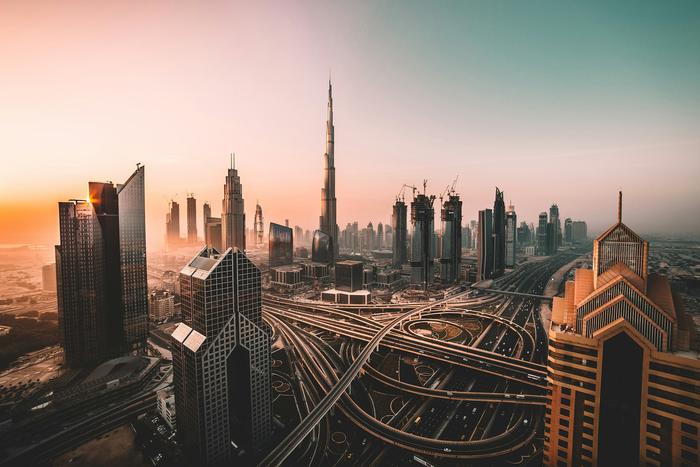
United Arab Emirates
Dubai and Abu Dhabi: superlatives, desert, and a stopover worth a few days of its own.
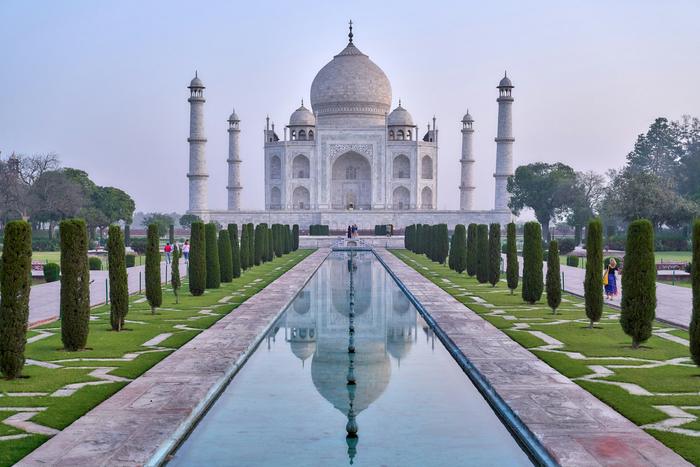
India
Overwhelming, beautiful, and utterly unlike anywhere else.
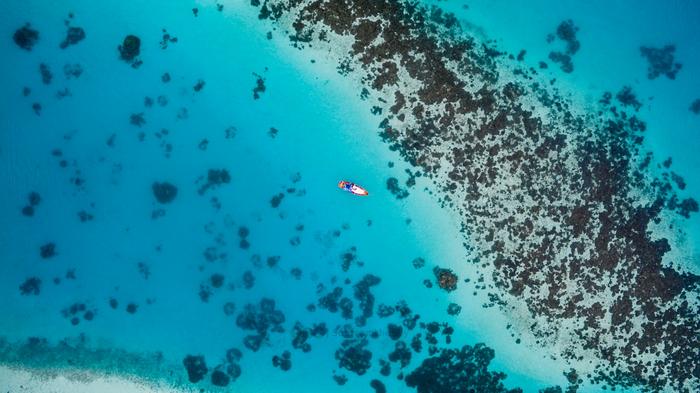
Maldives
One island, one resort, almost nothing to do. That is the point.
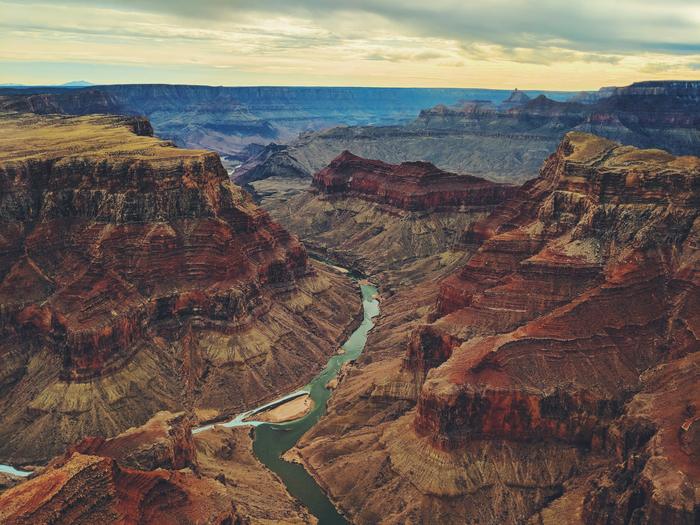
United States
A continent pretending to be a country — cities, deserts, and the best national parks anywhere.
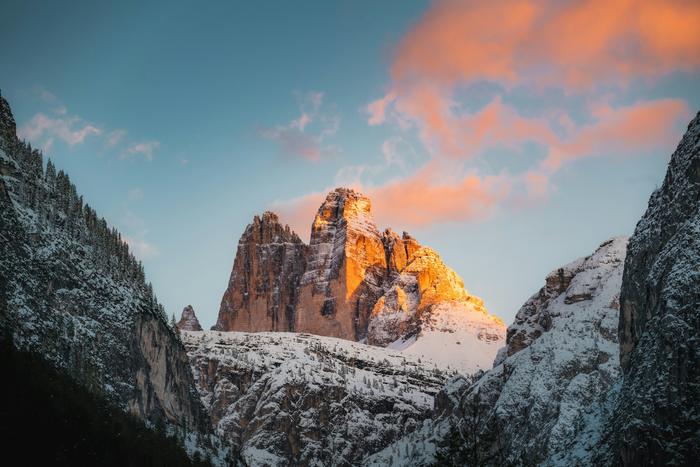
The Alps
The ski and alpine benchmark — every other mountain range is measured against this.
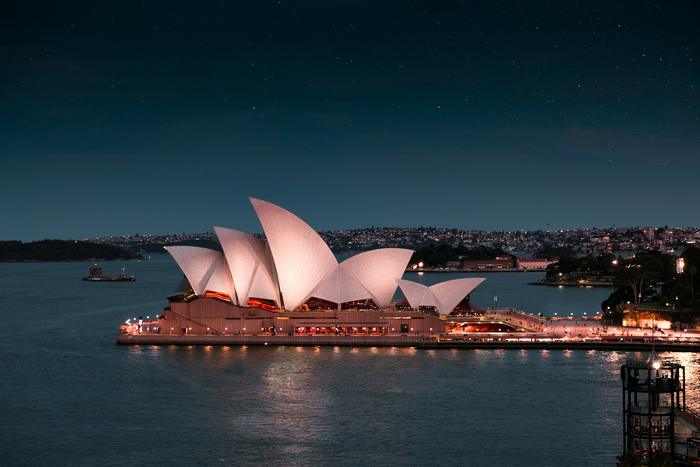
Australia
Vast, varied, relaxed. Reef, Sydney, and proper wilderness in one.
Not sure where to go
Take the 5-minute quiz
Answer a few honest questions and get matched to destinations that actually fit how you travel.
Start the quiz