Namibia
A self-drive epic through some of the emptiest country on Earth.
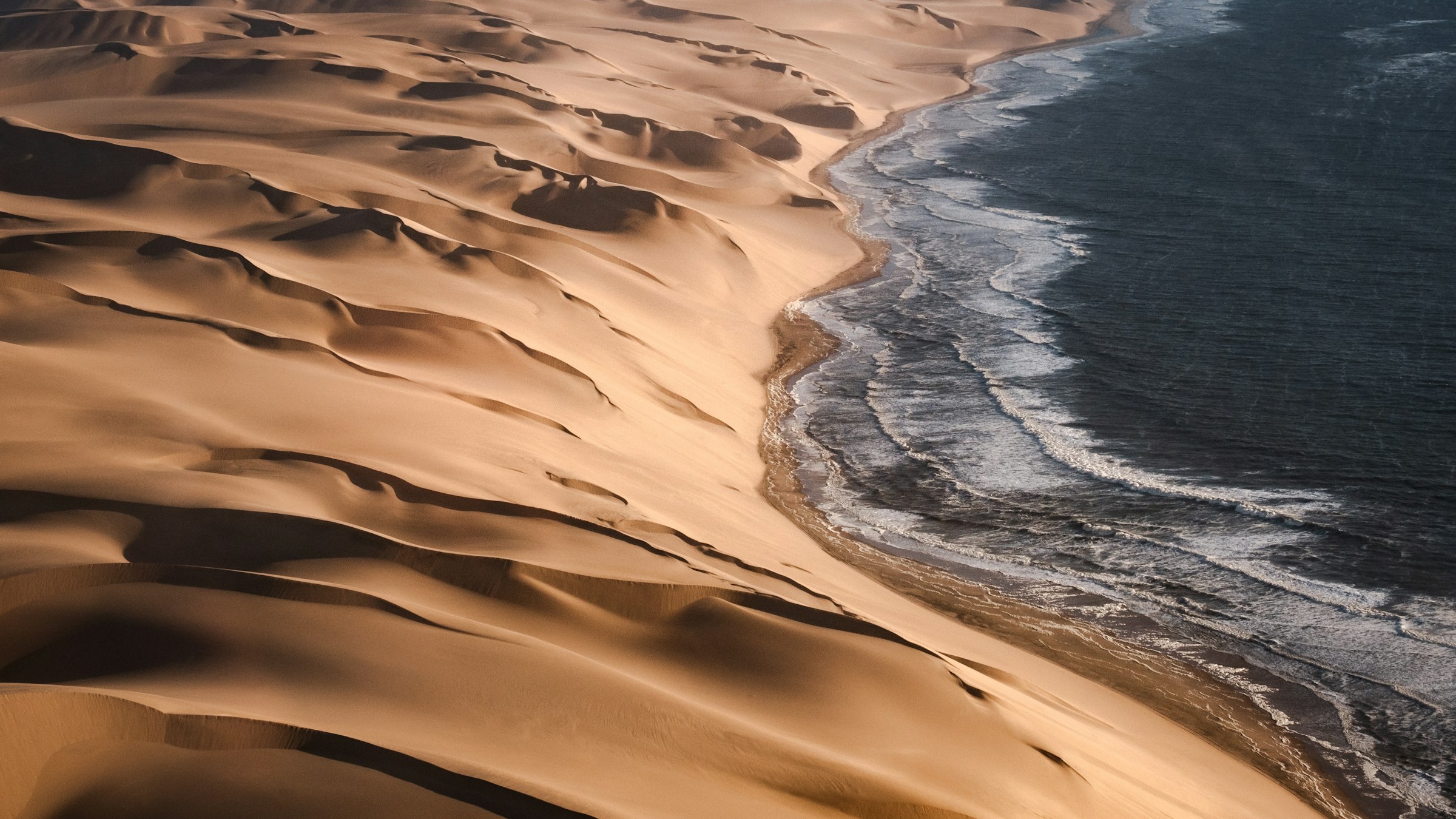
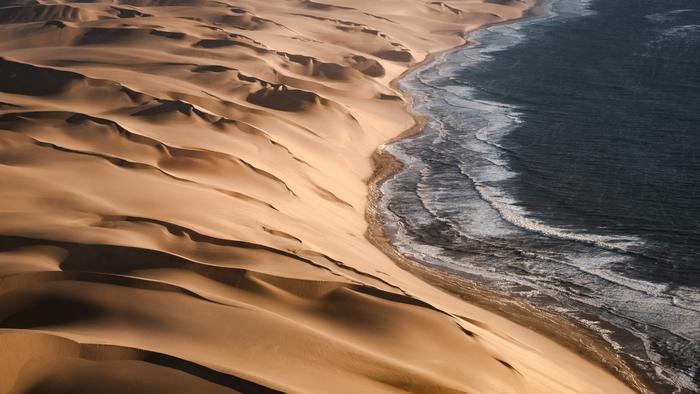
Namibia is a road trip first and a wildlife trip second. You point a 4x4 north from the red dunes of Sossusvlei, cross gravel passes to the Skeleton Coast, then swing inland to Etosha's waterholes — and for hours at a stretch you see no one. The distances are enormous and the landscapes shift from desert to canyon to salt pan, which is exactly the appeal.
The loop most people drive runs roughly two weeks: Windhoek to Sossusvlei to climb Big Daddy at dawn and stand in the dead trees of Deadvlei, west to Swakopmund for a German colonial coffee and a break from gravel, north up the Skeleton Coast, then east into Etosha to park at a waterhole and let the animals come to you. Fish River Canyon anchors the far south if you have the days. Lodges range from campsites to serious money; fuel and self-catering keep the daily spend reasonable.
The honest part: this is long, hard driving on washboard gravel, and a single day can swallow 400 kilometres with no fuel, no signal, and no shop. You need a proper 4x4, a spare or two, and the discipline to start early and not drive at dusk when kudu jump fences into your headlights. Etosha's game is good but thinner than the Serengeti, and culturally there is not much to do beyond the landscape. If you want comfort and density, look elsewhere. If you want space, almost nowhere delivers more of it.
Highlights
-
Sossusvlei & Deadvlei
The red dunes and the white pan with its black dead trees. Go at first light.
-
Etosha National Park
Sit at a waterhole and let elephant, rhino, and lion come to drink.
-
Skeleton Coast
Shipwrecks, fog, and seal colonies along a brutal stretch of Atlantic.
-
Swakopmund
A pocket of German colonial town on the coast — and the place to refuel and rest.
-
Fish River Canyon
One of the largest canyons anywhere, deep in the empty south.
Practical info
- Visa
- Visa-free or visa-on-arrival for most Western passports. Verify before travel.
- Currency
- NAD (Namibian Dollar); South African Rand also accepted.
- Language
- English (official), plus Afrikaans, German, and local languages.
- Safety
- Generally safe; the real risk is the driving and the distances, not crime.
- Getting around
- Self-drive in a 4x4 is the only real way. Fuel up at every chance.
- Tap water
- Tap water safe in towns; carry plenty for the road.
- Plug type
- Type D Type M 230V
- Money
- Cards work in towns; carry cash for fuel and remote stops.
General guidance — visas, safety, and health change, so check your government's travel advisory and the official sources before you go.
Common questions
- When is the best time to visit Namibia?
- Namibia is at its best in April–September. It's best to avoid January, February, December.
- How many days do you need in Namibia?
- Most trips run 2–3 weeks, depending on how much ground you want to cover.
- Is Namibia expensive?
- Plan for budget – mid-range daily spend, depending on how you travel.
- Is Namibia safe for travelers?
- Generally safe; the real risk is the driving and the distances, not crime.
- Do you need a visa for Namibia?
- Visa-free or visa-on-arrival for most Western passports. Verify before travel.
Compare Namibia with
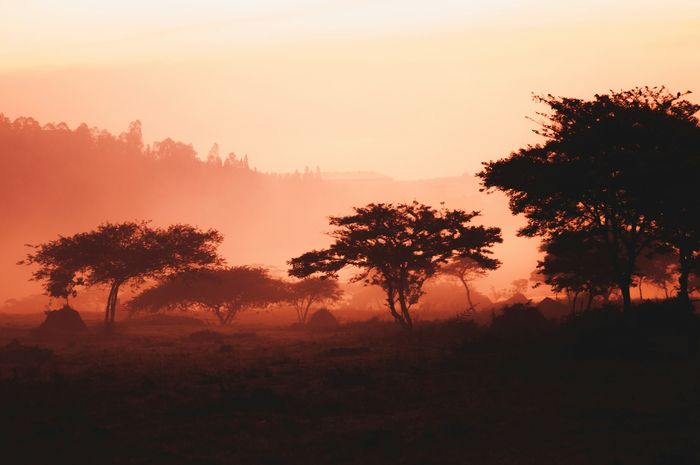
If you like Namibia, also consider
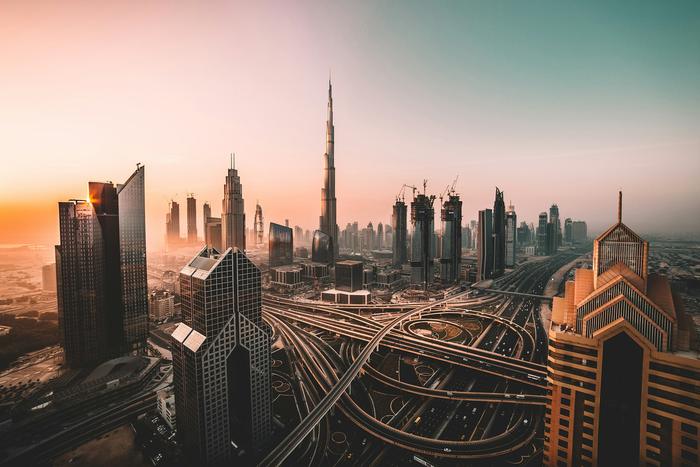
United Arab Emirates
Dubai and Abu Dhabi: superlatives, desert, and a stopover worth a few days of its own.
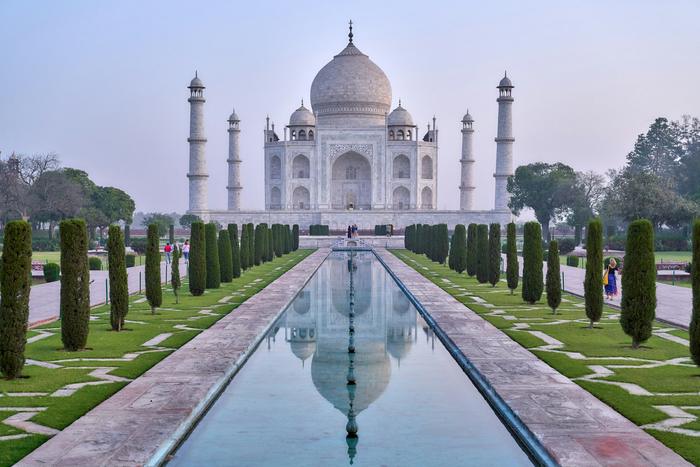
India
Overwhelming, beautiful, and utterly unlike anywhere else.
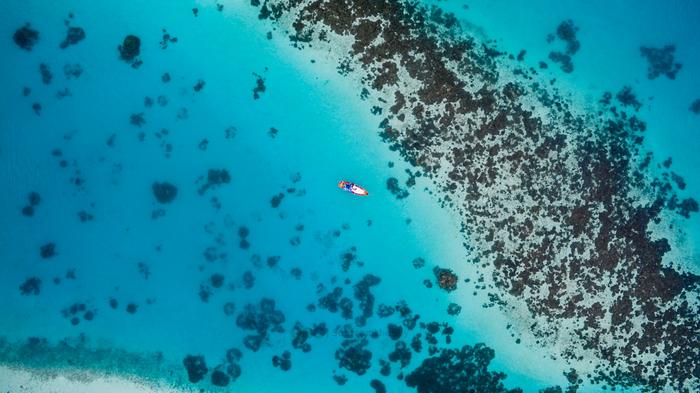
Maldives
One island, one resort, almost nothing to do. That is the point.
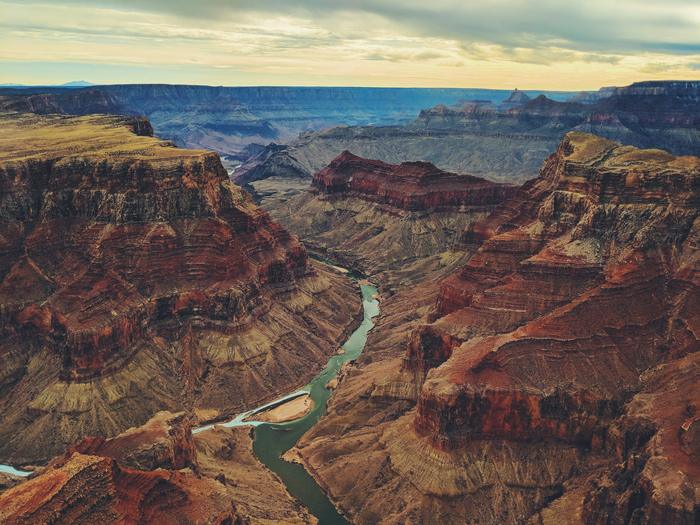
United States
A continent pretending to be a country — cities, deserts, and the best national parks anywhere.
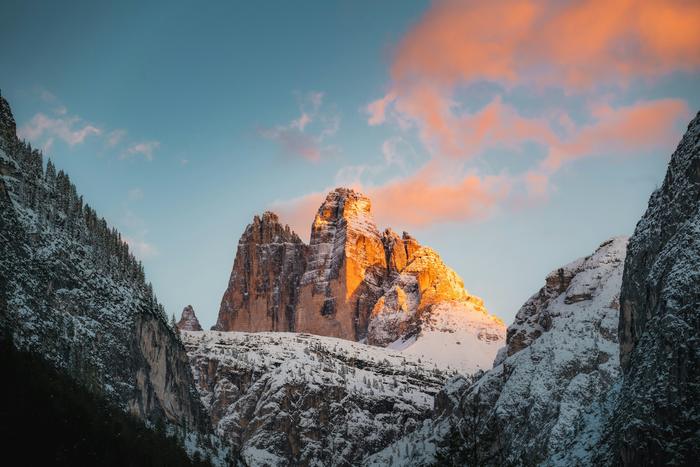
The Alps
The ski and alpine benchmark — every other mountain range is measured against this.
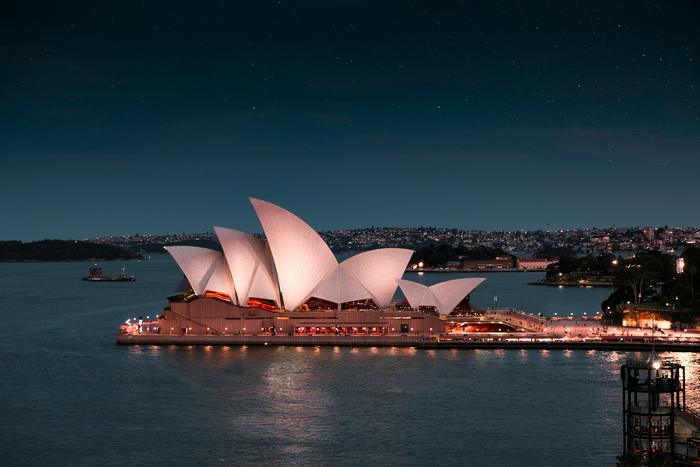
Australia
Vast, varied, relaxed. Reef, Sydney, and proper wilderness in one.
Not sure where to go
Take the 5-minute quiz
Answer a few honest questions and get matched to destinations that actually fit how you travel.
Start the quiz