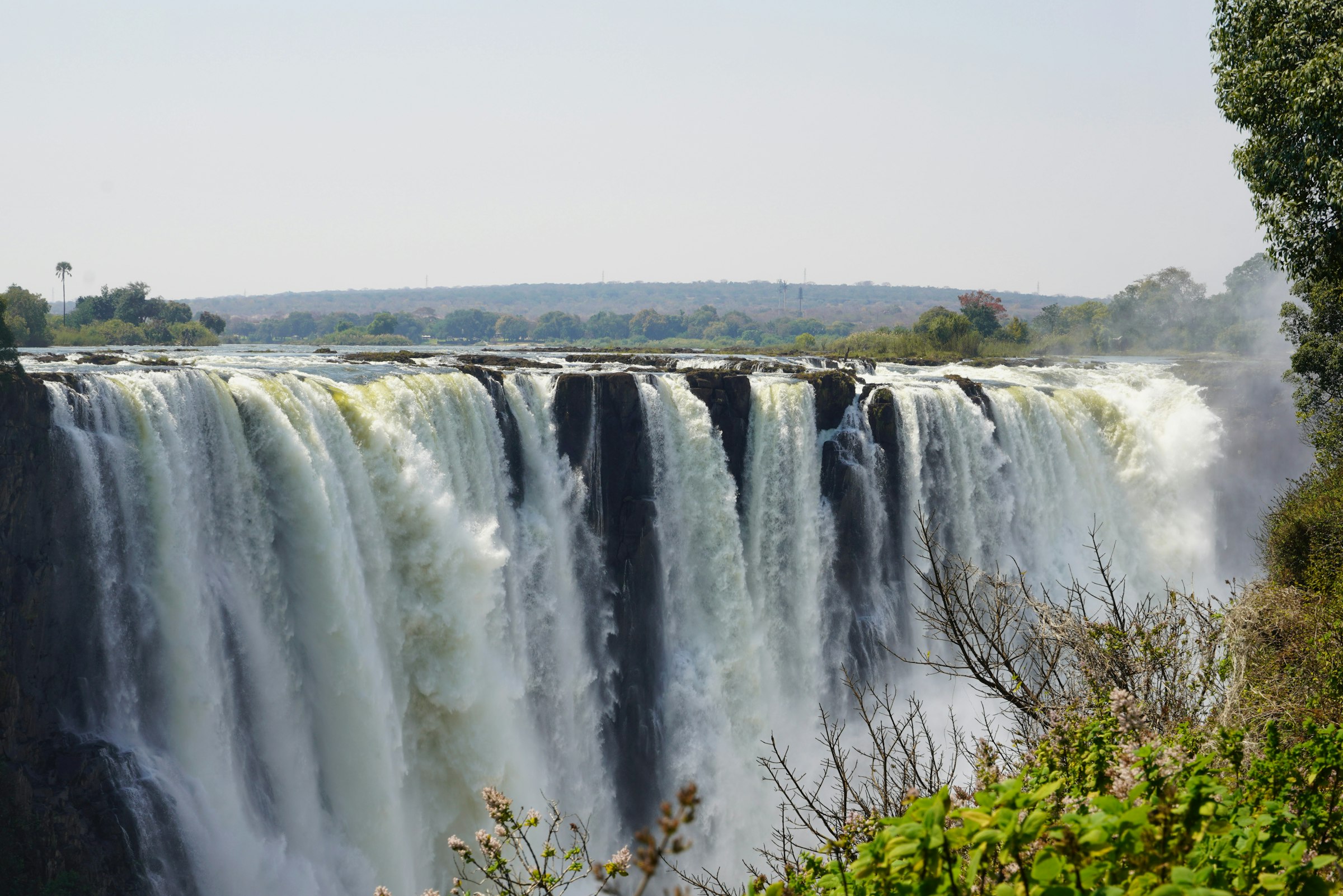
Victoria Falls
The largest sheet of falling water on Earth, with a town on either side.
Victoria Falls is a two-or-three-day stop, usually bolted onto a safari, built around one enormous sight: a mile-wide curtain of the Zambezi crashing into a gorge, loud enough to hear before you see it. You walk the viewpoints, get properly soaked in the spray, then fill the rest of the time with rafting, a sunset cruise, or swimming the very edge — depending entirely on the season. Two easygoing tourist towns sit either side of the gorge: Victoria Falls on the Zimbabwe side, Livingstone in Zambia.
Most people give it two or three days and treat it as a punchy add-on to a longer safari. You do both sides of the falls — Zimbabwe for the widest panoramic sweep, Zambia to get right up close on the Knife-Edge Bridge — and you will get wet, so pack accordingly. Then you pick your adventure by the calendar: white-water rafting the Zambezi when the water is low, a Devil's Pool swim on the lip when it's lower still, or a lazy sunset cruise any time of year. The two towns are small, relaxed, and walkable, with the border bridge (and its bungee) linking them.
The honest part: it's a bucket-list checkbox that's over quickly, and the activities — not the viewing — are where the money and the season-dependence bite. High water (roughly Feb-May) gives you the full thunder, but the spray can be a blinding wall that hides the falls, and it shuts down rafting and Devil's Pool. Low water (Oct-Nov) thins the curtain to strands, but that's exactly when you can swim the edge and raft the big rapids. There's no month that does everything. Still, standing beside the largest sheet of falling water on the planet, soaked and half-deafened, earns the detour.
Highlights
-
The falls, both sides
Zimbabwe has the widest panoramic views; Zambia gets you closer, out on the Knife-Edge Bridge.
-
Devil's Pool
Swim to the very lip on Livingstone Island — dry season only, when the water is low enough.
-
Rafting the Zambezi
World-class white water through the gorge below, best in the low-water months.
-
Sunset Zambezi cruise
Drinks on the upper river as the light goes — runs year-round, whatever the falls are doing.
-
Victoria Falls Bridge
Bungee, zipline, or just walk out over the gorge between the two countries.
-
Chobe day trip
Cross into Botswana for a day of elephants and river game in Chobe National Park.
Practical info
- Visa
- Both Zimbabwe and Zambia offer visa-on-arrival/e-visa; the KAZA UniVisa covers both sides — verify availability before travel.
- Currency
- USD is used widely on the Zimbabwe side; Zambia uses the Kwacha.
- Language
- English, both sides.
- Safety
- The tourist towns — Victoria Falls (Zimbabwe) and Livingstone (Zambia) — are safe with normal caution.
- Getting around
- Walk the falls; taxis and transfers handle the towns and the border bridge. Both sides have airports.
- Tap water
- Drink bottled.
- Plug type
- Type D Type G 230V
- Money
- Carry USD cash; cards work at hotels.
General guidance — visas, safety, and health change, so check your government's travel advisory and the official sources before you go.
Common questions
- When is the best time to visit Victoria Falls?
- Victoria Falls is at its best in February–June. It's best to avoid October, November.
- How many days do you need in Victoria Falls?
- Most trips run about 1 week, depending on how much ground you want to cover.
- Is Victoria Falls expensive?
- Plan for budget – premium daily spend, depending on how you travel.
- Is Victoria Falls safe for travelers?
- The tourist towns — Victoria Falls (Zimbabwe) and Livingstone (Zambia) — are safe with normal caution.
- Do you need a visa for Victoria Falls?
- Both Zimbabwe and Zambia offer visa-on-arrival/e-visa; the KAZA UniVisa covers both sides — verify availability before travel.
Compare Victoria Falls with
If you like Victoria Falls, also consider
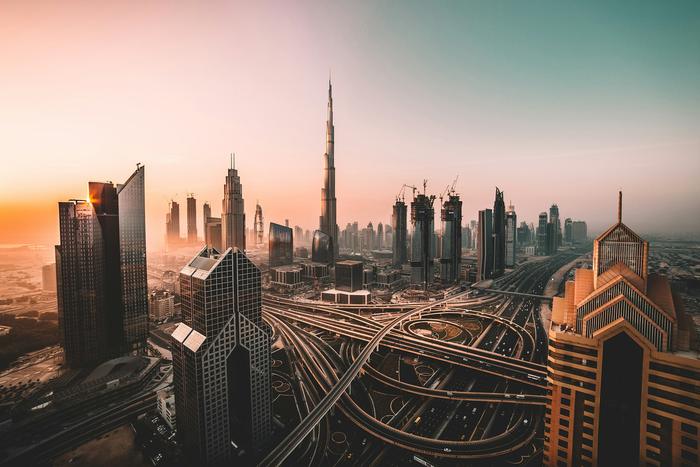
United Arab Emirates
Dubai and Abu Dhabi: superlatives, desert, and a stopover worth a few days of its own.
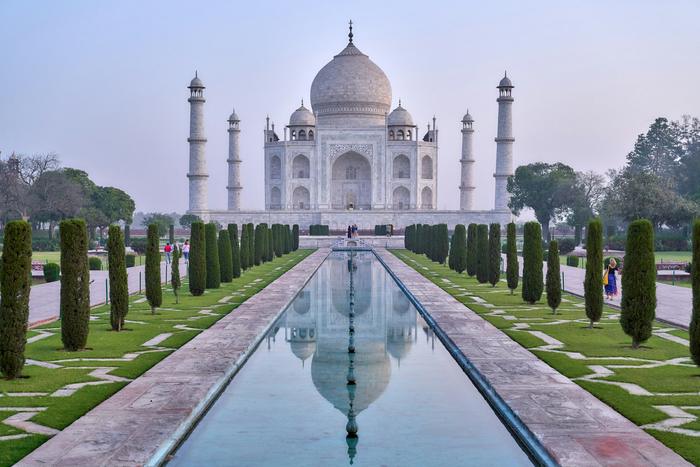
India
Overwhelming, beautiful, and utterly unlike anywhere else.
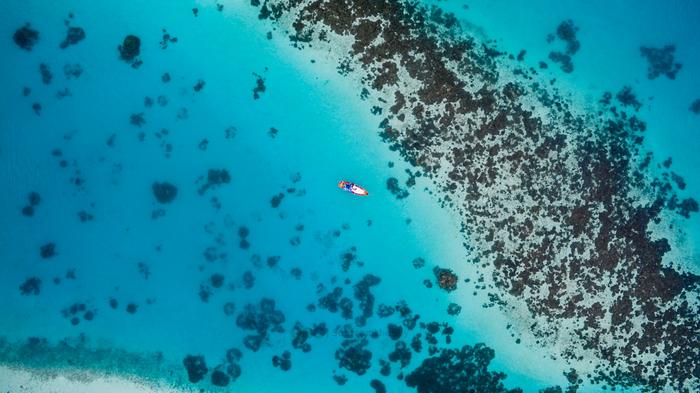
Maldives
One island, one resort, almost nothing to do. That is the point.
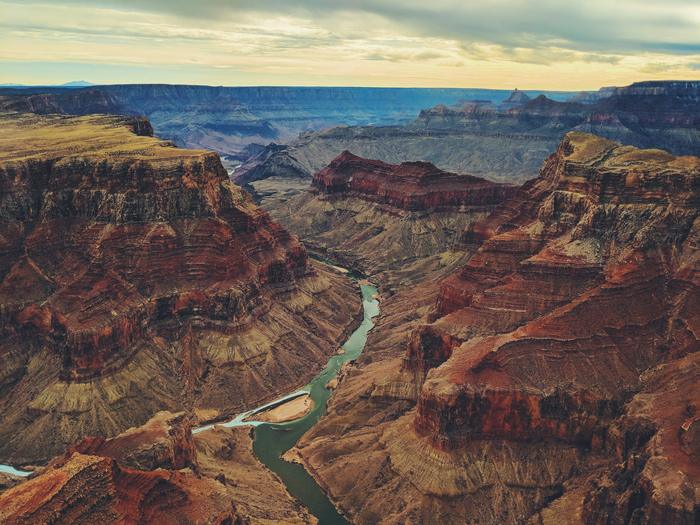
United States
A continent pretending to be a country — cities, deserts, and the best national parks anywhere.
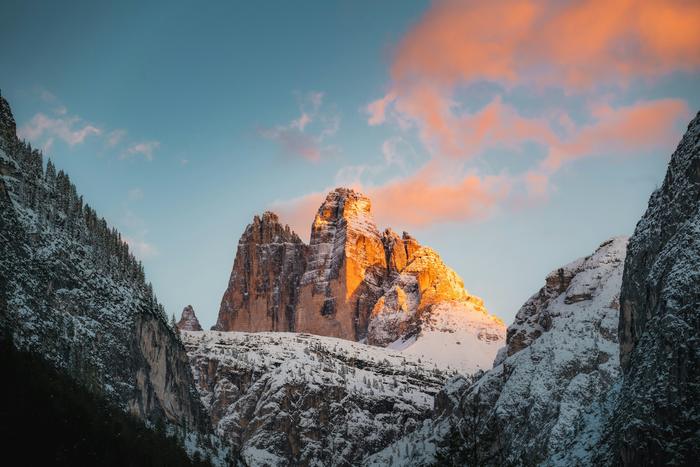
The Alps
The ski and alpine benchmark — every other mountain range is measured against this.
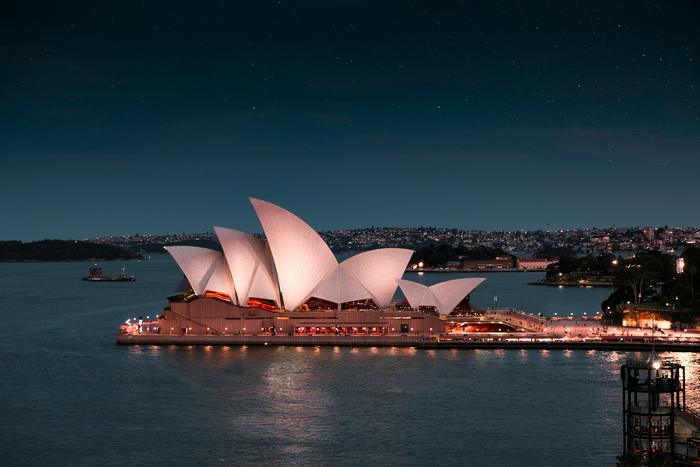
Australia
Vast, varied, relaxed. Reef, Sydney, and proper wilderness in one.
Not sure where to go
Take the 5-minute quiz
Answer a few honest questions and get matched to destinations that actually fit how you travel.
Start the quiz