Botswana
The most exclusive safari in Africa, built around a flooded desert.
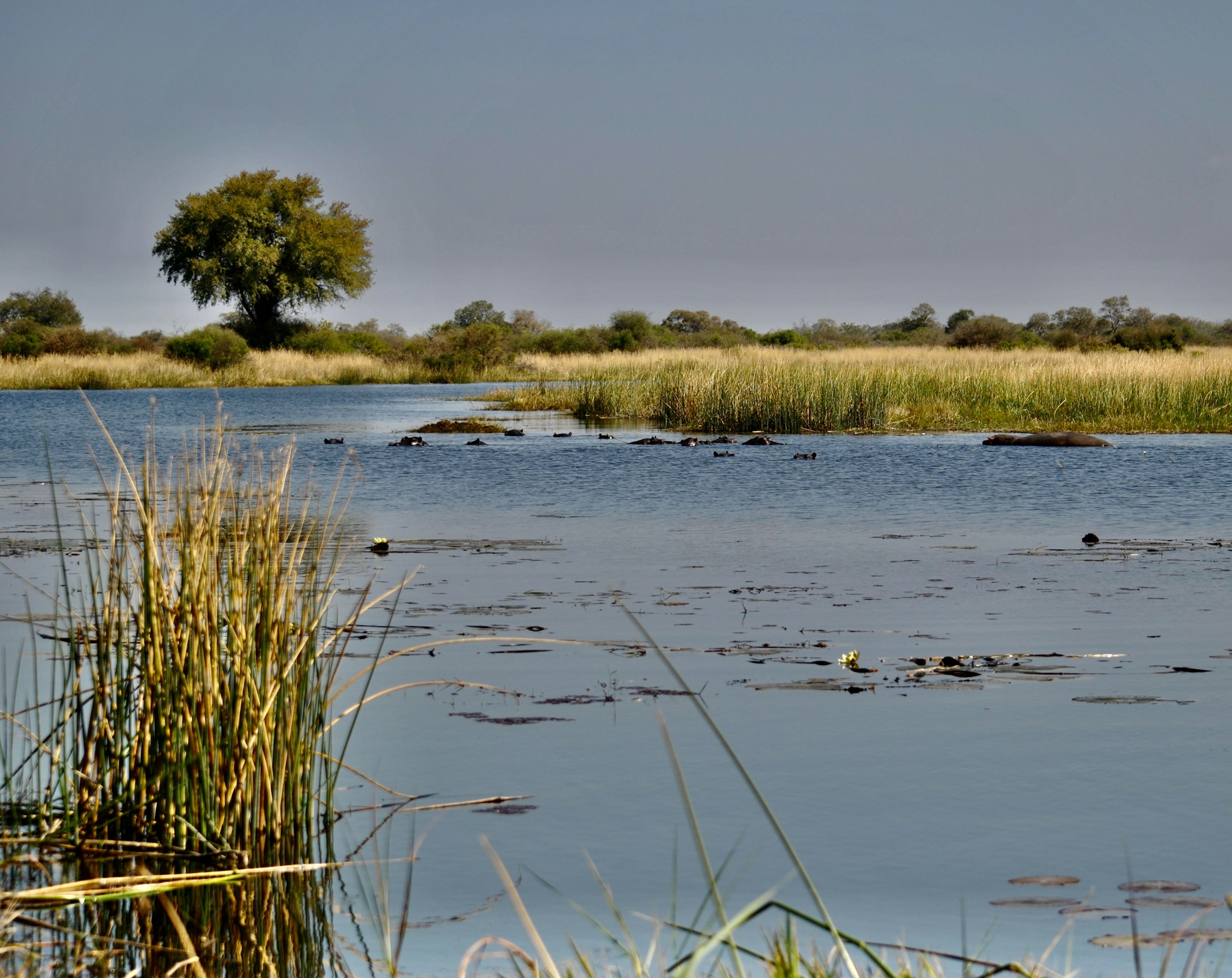
Botswana sells space and silence at a price. You fly camp to camp in a light aircraft, days pinned to dawn and dusk game drives, and glide through the Okavango's reed channels in a mokoro. The country chose high-value, low-impact tourism on purpose — fewer beds, higher fees, empty sightings — and the Delta at the heart of it is a genuine oddity: an inland river that floods a desert instead of reaching the sea.
The rhythm is fly-in and unhurried. A bush plane drops you at a strip, a guide meets you, and the days settle into a shape: coffee before first light, a morning game drive, the heat of the day back at camp, then out again as the light goes long. In the Okavango you swap the vehicle for a mokoro, poled slowly through the papyrus channels while frogs and lily-trotters go about their business at eye level. Camps are small and seriously comfortable — a dozen guests, not a hundred — and the flooded-desert singularity of the Delta means the water, the islands, and the game all move with the seasons.
The honest part: this is the priciest safari in Africa by design, and you are paying for exclusivity, not variety. There is little to do beyond wildlife — no beaches, no cities, no nightlife — so if you want more than animals and landscape you will run out of it fast. The peak dry season from July to September is the easiest game viewing and the busiest and most expensive; the green season from December to March is cheaper and full of birds and newborns, but the bush is thick and the animals harder to spot. The trade-off holds up: the Delta is a truly unique ecosystem, and because the country caps the crowds, the sightings you do get are yours alone.
Highlights
-
Okavango Delta
Glide the channels by mokoro and track game across flooded islands. The reason you came.
-
Chobe National Park
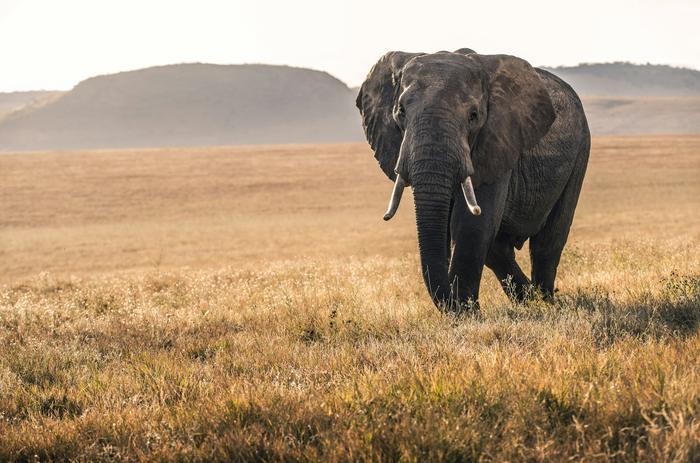
Some of the biggest elephant herds on the continent, best watched from a boat at sunset.
-
Moremi Game Reserve
The Delta at its richest — big cats, wild dog, and water and land in one reserve.
-
Makgadikgadi Salt Pans
Habituated meerkats, quad bikes across the crust, and a zebra migration few people see.
-
Central Kalahari
Vast, remote desert with black-maned lions and huge summer skies.
-
Linyanti
A quiet, predator-heavy corridor between the Delta and Chobe.
Practical info
- Visa
- Visa-free for most Western passports (90 days). Verify before travel.
- Currency
- BWP (Pula).
- Language
- English (official) and Setswana.
- Safety
- Very safe from crime; the real risks are the wildlife and self-driving in remote areas.
- Getting around
- Most guests fly camp to camp on light aircraft. Self-drive 4x4 is possible for Chobe and the Kalahari but demanding.
- Tap water
- Bottled or filtered in camps.
- Plug type
- Type D Type G Type M 230V
- Money
- Cards work in towns; camps bill ahead, so carry cash for tips.
General guidance — visas, safety, and health change, so check your government's travel advisory and the official sources before you go.
Common questions
- When is the best time to visit Botswana?
- Botswana is at its best in May–October. It's best to avoid February.
- How many days do you need in Botswana?
- Most trips run 1–2 weeks, depending on how much ground you want to cover.
- Is Botswana expensive?
- Plan for mid-range – premium daily spend, depending on how you travel.
- Is Botswana safe for travelers?
- Very safe from crime; the real risks are the wildlife and self-driving in remote areas.
- Do you need a visa for Botswana?
- Visa-free for most Western passports (90 days). Verify before travel.
Compare Botswana with
If you like Botswana, also consider
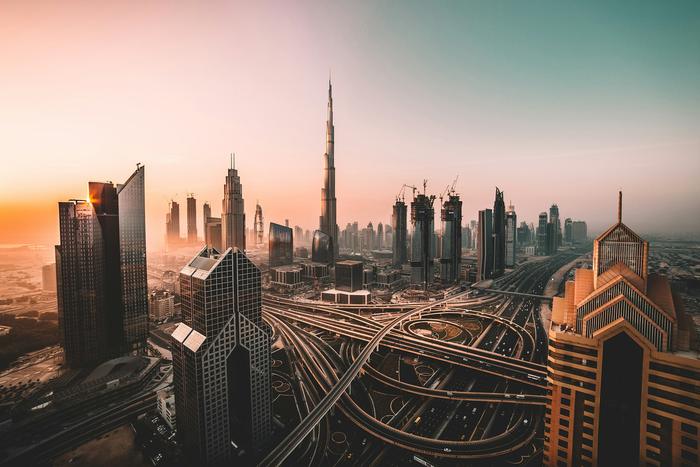
United Arab Emirates
Dubai and Abu Dhabi: superlatives, desert, and a stopover worth a few days of its own.
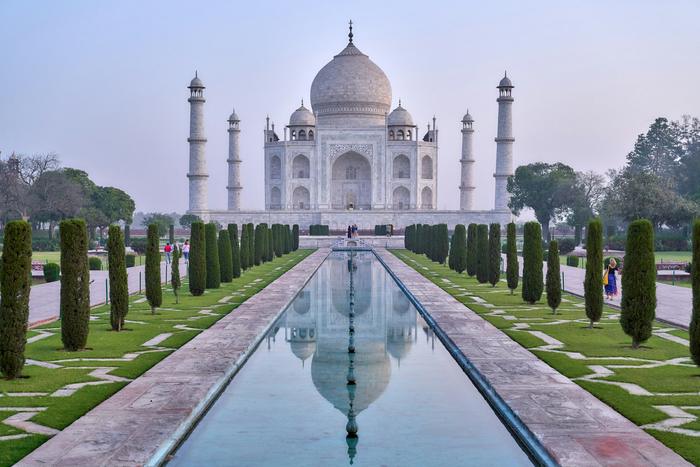
India
Overwhelming, beautiful, and utterly unlike anywhere else.
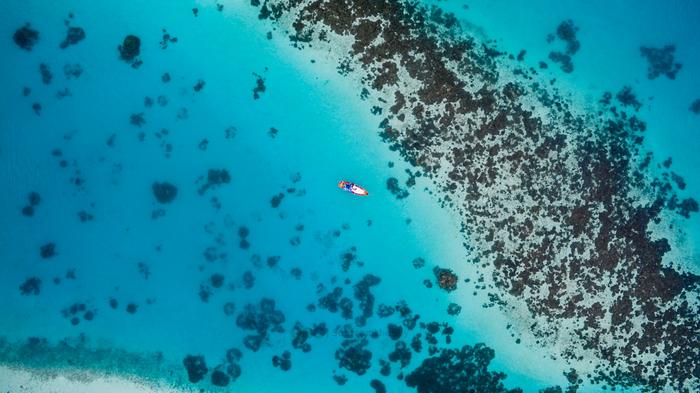
Maldives
One island, one resort, almost nothing to do. That is the point.
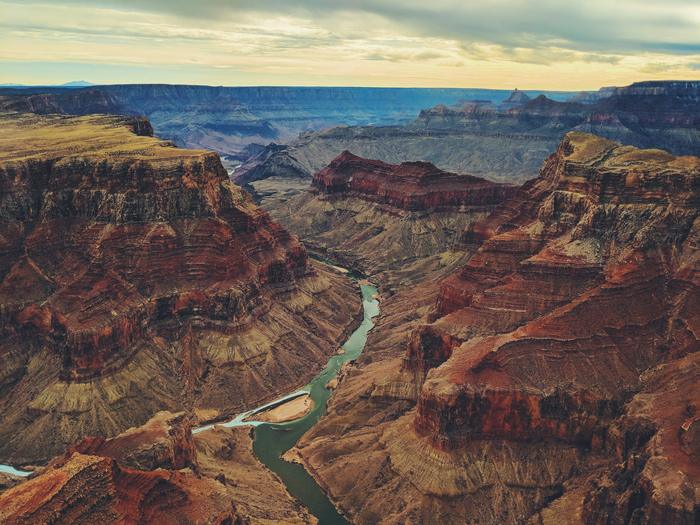
United States
A continent pretending to be a country — cities, deserts, and the best national parks anywhere.
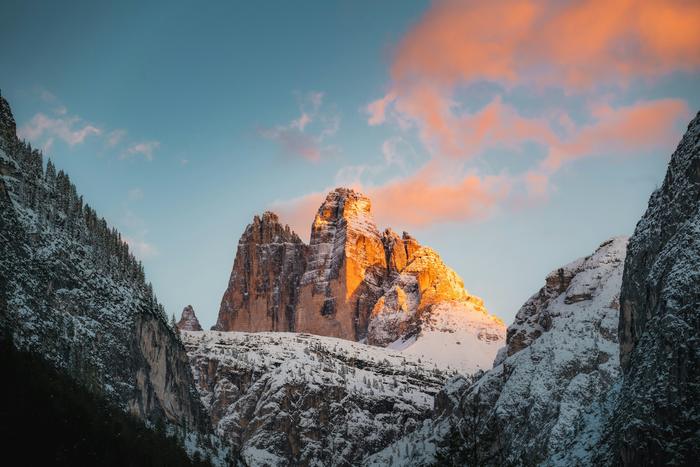
The Alps
The ski and alpine benchmark — every other mountain range is measured against this.
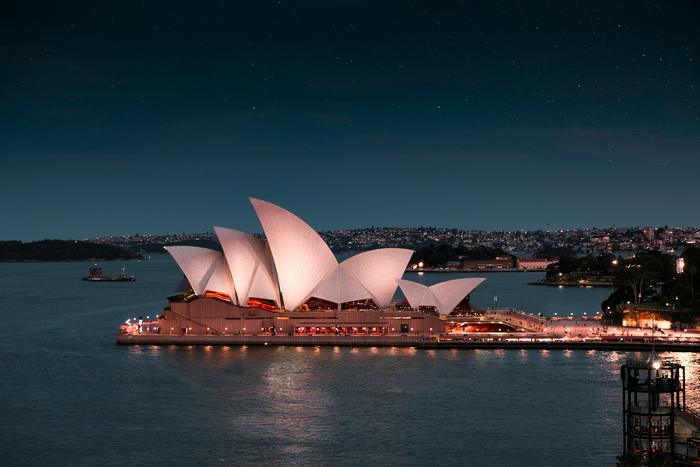
Australia
Vast, varied, relaxed. Reef, Sydney, and proper wilderness in one.
Not sure where to go
Take the 5-minute quiz
Answer a few honest questions and get matched to destinations that actually fit how you travel.
Start the quiz