Morocco
Medinas, desert, mountains, and coast — sensory and varied.
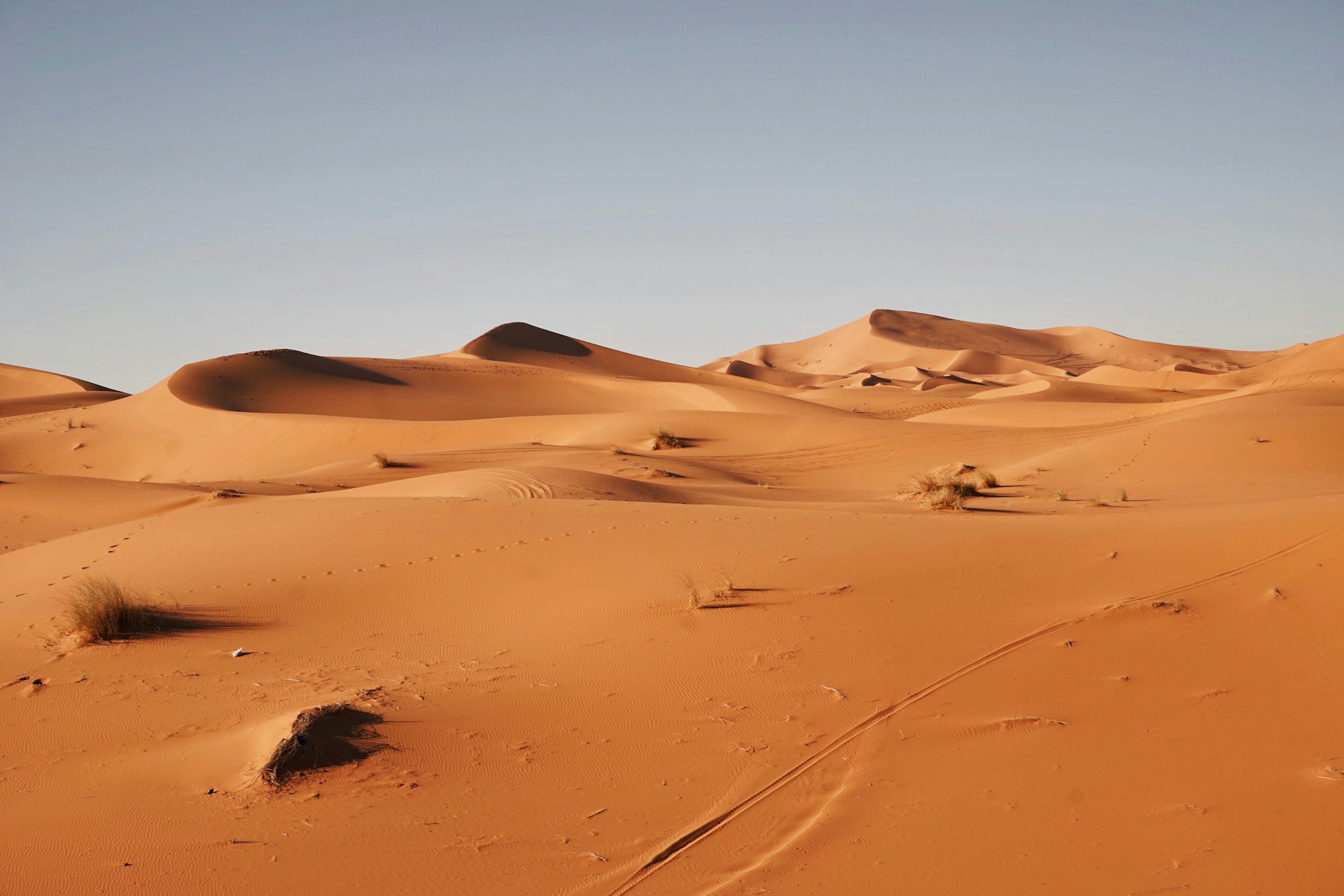
Morocco compresses a remarkable amount into a small country. Marrakech and Fes for medieval medinas, the Atlas for trekking, the Sahara for camel-and-stars nights, the Atlantic coast for surf and slower towns. It's intense — vendors, tannery smells, traffic — but rewards travelers who lean in.
The classic loop runs Marrakech over the Tizi n'Tichka pass to Aït Benhaddou, through the Dades and Todra gorges, out to the Merzouga dunes for a night in camp, then north to Fes — three to four days with a driver, and the best-value stretch of the country. Riads cost guesthouse money and deliver boutique-hotel atmosphere. Days are tagines, mint tea, getting lost in souks on purpose, and bargaining for things you had no plan to buy.
The honest part: the hassle is real. Faux guides, carpet-shop detours, and taxi negotiations are a daily tax on your patience, and women travelers report wearying attention. Marrakech in July and August is brutally hot, and Chefchaouen is now more photo queue than town. If constant low-level haggling exhausts you, this is not your trip. But few countries deliver this much sensory difference per dollar, and the desert night alone settles the argument.
Highlights
-
Marrakech
The medina, Jemaa el-Fnaa, riads, and the southern launch point.
-
Fes
The largest car-free urban area in the world. Older and more intact than Marrakech.
-
Sahara (Merzouga or Zagora)
Camel trek and a night under the stars in the dunes.
-
Chefchaouen
The blue mountain town — touristy now but still photogenic.
-
Essaouira
Atlantic coast — windsurf, fish markets, slower energy.
Practical info
- Visa
- Visa-free for most Western passports (90 days). Verify before travel.
- Currency
- MAD (Dirham). Roughly 10 MAD ≈ 1 USD.
- Language
- Arabic and Berber. French widely spoken; English limited.
- Safety
- Generally safe. Aggressive vendors and scams in tourist areas — firm "no" works.
- Getting around
- Trains between cities are good. Buses for the south. Hire a driver for desert.
- Tap water
- Tap water not recommended outside major hotels.
- Plug type
- Type C Type E 220V
- Money
- Cash dominant. Cards in cities, less elsewhere.
General guidance — visas, safety, and health change, so check your government's travel advisory and the official sources before you go.
Common questions
- When is the best time to visit Morocco?
- Morocco is at its best in March–May, October, November. It's best to avoid July, August.
- How many days do you need in Morocco?
- Most trips run 1–4 weeks, depending on how much ground you want to cover.
- Is Morocco expensive?
- Plan for backpacker – mid-range daily spend, depending on how you travel.
- Is Morocco safe for travelers?
- Generally safe. Aggressive vendors and scams in tourist areas — firm "no" works.
- Do you need a visa for Morocco?
- Visa-free for most Western passports (90 days). Verify before travel.
Compare Morocco with
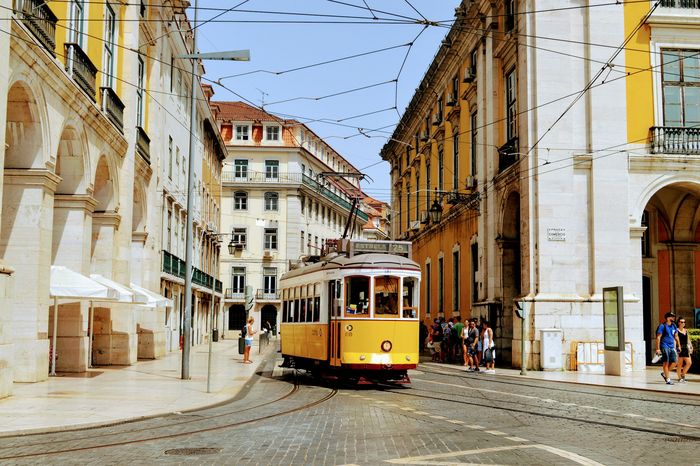
If you like Morocco, also consider
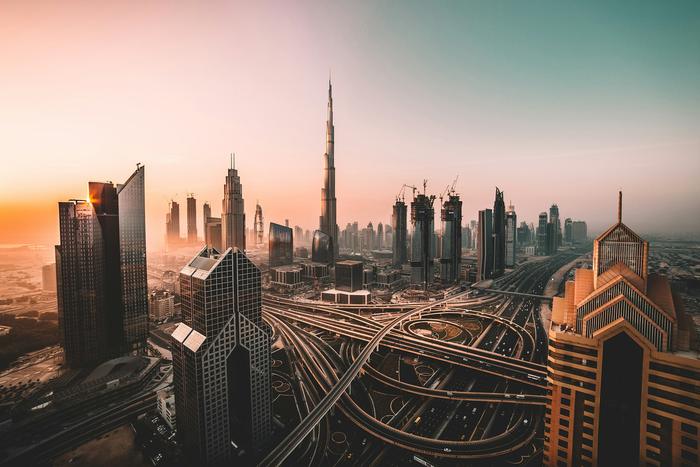
United Arab Emirates
Dubai and Abu Dhabi: superlatives, desert, and a stopover worth a few days of its own.
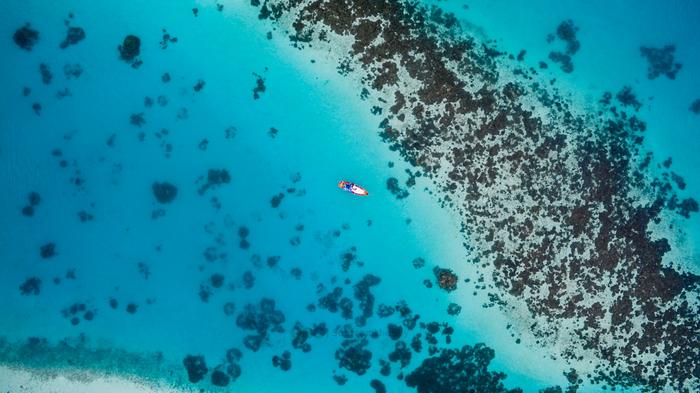
Maldives
One island, one resort, almost nothing to do. That is the point.
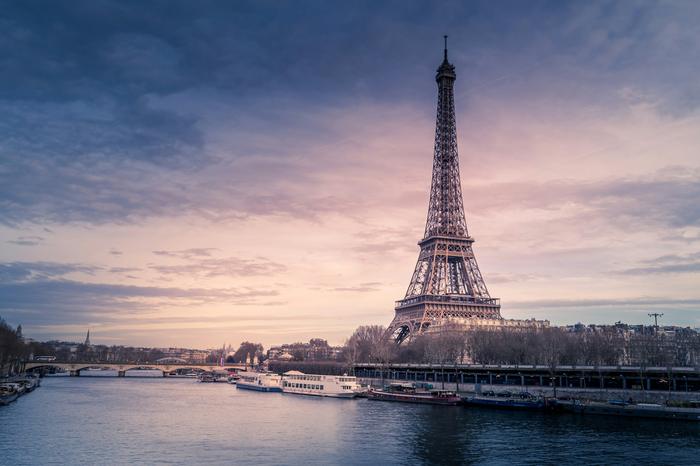
France
Paris is only the opening act — wine country, the Alps, and two coastlines.
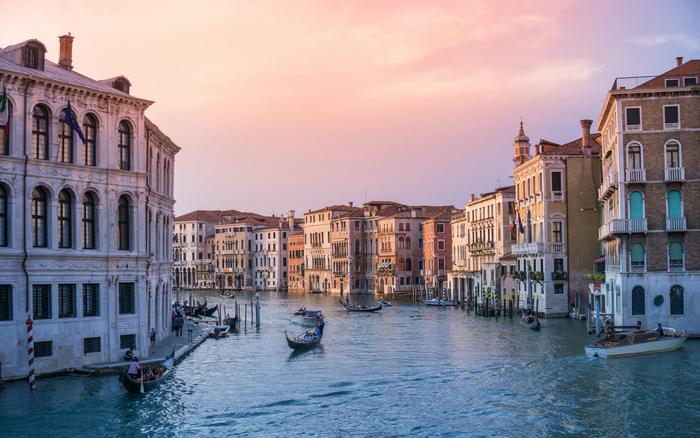
Italy
The benchmark for food, history, and beauty.
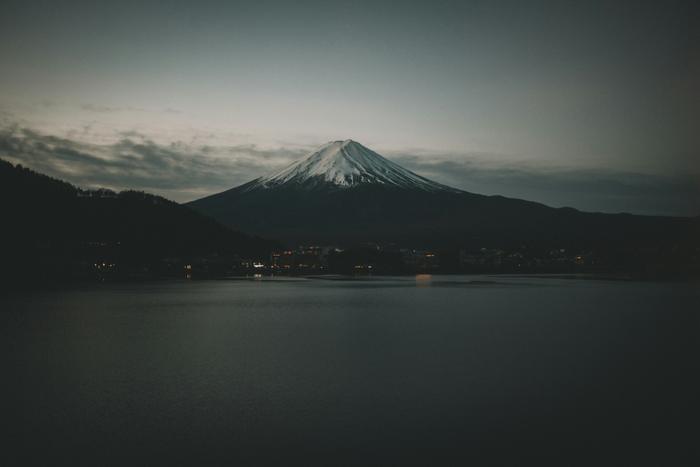
Japan
Extraordinary food, culture, and cities. Nothing quite prepares you for it.
Not sure where to go
Take the 5-minute quiz
Answer a few honest questions and get matched to destinations that actually fit how you travel.
Start the quiz