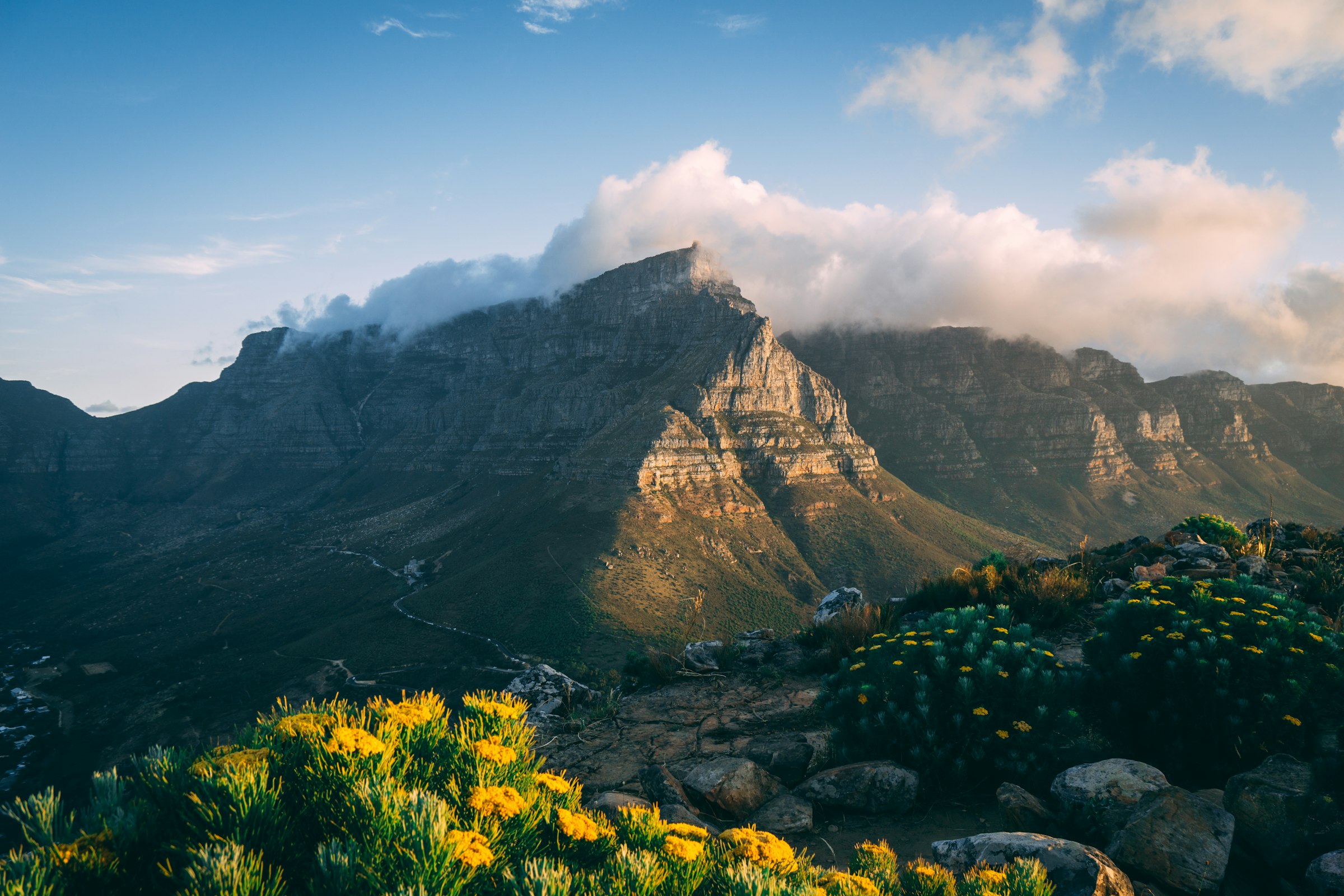
South Africa
Cape Town, safari, and wine country in one self-drive trip.
South Africa packs an improbable amount into one trip: a world-class city break in Cape Town, Big Five safari in Kruger or the private reserves, drive-yourself wine country, surf and shark coast, and the Garden Route. Logistics are the smoothest on the continent, and the rand makes it cheaper than it has any right to be. Self-drive works.
The classic two weeks: four or five days in Cape Town — Table Mountain, Kalk Bay, a day out in Stellenbosch — then the Garden Route east toward Plettenberg Bay, then a flight up to Kruger for three nights of game drives. Safari is where the money goes, especially the private reserves; everything else feels cheap, from long wine-farm lunches to seafood dinners that would cost triple in Europe. Resist cramming Johannesburg in as well.
Safety is the genuine caveat: crime is real, you keep the car doors locked, and walking after dark is limited even in nice Cape Town neighbourhoods. Distances surprise people — Cape Town to Kruger is a flight, not a drive. And the seasons work against you: Cape winters (June–August) are wet just as Kruger's game viewing peaks, so one trip rarely catches both at their best. Accept the trade-offs and nowhere combines city, safari, and wine better.
Highlights
-
Cape Town
Table Mountain, beaches, food scene — a top-five city anywhere.
-
Kruger & Sabi Sand
Big Five safaris from budget self-drive to luxury private reserve.
-
The Garden Route
Knysna, Wilderness, Plettenberg Bay — easy coastal drive.
-
Stellenbosch & Franschhoek
Wine country an hour from Cape Town.
Practical info
- Visa
- Visa-free for most Western passports (90 days). Verify before travel.
- Currency
- ZAR (Rand). Roughly 18 ZAR ≈ 1 USD.
- Language
- English plus 10 official languages. English universal in cities.
- Safety
- Need awareness — Cape Town and Joburg have crime hotspots. Stick to recommended areas.
- Getting around
- Self-drive easiest. Domestic flights for long hops. Uber works in cities.
- Tap water
- Tap water in cities is safe.
- Plug type
- Type M Type N 230V
- Money
- Cards almost everywhere.
General guidance — visas, safety, and health change, so check your government's travel advisory and the official sources before you go.
Common questions
- What do I actually need to enter South Africa?
- For UK, EU, US, Canadian and Australian tourists, no visa — 90 days visa-free on arrival, on a passport valid at least 30 days beyond departure with two blank pages. (Two EU outliers: Cyprus and Poland get 30 days, not 90.) The genuinely new hoop is customs, not immigration: since 1 July 2026 everyone must file the online traveller declaration before entering or leaving, within 24 hours of the final inbound leg — it replaced the paper card and is the easiest thing to forget. South Africa also launched an ETA in August 2026, but it stays optional for visa-exempt nationalities — you don’t need one and shouldn’t pay a third-party site for it.
- When should I go — safari or Cape Town?
- The two best seasons are opposite, which is the whole planning problem. Safari — Kruger and the reserves — peaks in the dry winter, May to September: thin bush, cool clear days, game clustered at water. Cape Town, the Winelands and the Garden Route peak in the austral summer, November to March — warm, dry, long days. One trip rarely catches both at their best, so decide which half leads. Bonus windows: southern-right whales off Hermanus June–November (the festival is 2–4 October 2026), and Pretoria’s jacarandas through October.
- Do I need malaria tablets for South Africa?
- Only for the north-east. Malaria is a low-to-moderate, seasonal risk confined to the Kruger/Lowveld, far-northern KwaZulu-Natal and low-lying Limpopo and Mpumalanga, worst in the wet summer (roughly September–May). Cape Town, the Winelands, the Garden Route and most self-drive routes are malaria-free — and there are malaria-free Big Five reserves (Addo in the Eastern Cape, Madikwe, Pilanesberg) for families who’d rather skip the pills. Match the prophylaxis to your actual itinerary, not to “South Africa”.
- Is South Africa safe, and is load-shedding still a thing?
- Two honest answers. On crime: it’s real and sometimes violent, but sensible precautions make tourist areas and self-drive routes very manageable — keep car doors locked and valuables hidden (smash-and-grab happens at junctions), don’t walk after dark, use registered transport or Uber/Bolt, visit townships only with a guide, and don’t follow GPS blindly into unfamiliar areas. On load-shedding: effectively over — the grid has run without a national blackout since May 2025, 500-plus days by late 2026 and none through the 2026 winter. A power bank and a lodge with backup are still worth having, but it’s no longer the daily friction it was.
- Kruger self-drive or a private reserve?
- Both are excellent, and they’re different trips. Self-drive Kruger is the budget-friendly, independent way: paved roads, public rest camps you book directly, a daily conservation fee (international adults R602/day, rising to R692 on 1 November 2026), and the fun of finding your own animals — but no off-road, so sightings are luck. Private reserves like Sabi Sand on Kruger’s western edge fold everything into a high all-inclusive rate and give you guided, off-road game drives at dawn and dusk with near-guaranteed close-ups. The fences between them are down, so it’s the same wildlife — you’re choosing the experience and the price, not the animals.
- Do my children need an unabridged birth certificate?
- No — not any more, if they’re foreign nationals. The notorious rule requiring every minor to carry a full unabridged birth certificate was waived for foreign children back in November 2019, and that’s still the position in 2026: foreign kids enter on their passports like everyone else. The requirement only still binds South African minors (who need the unabridged certificate, plus a consent affidavit if travelling with one parent). It’s an old-guidebook trap worth un-learning — though carrying a birth certificate anyway does no harm if enforcement is ever uneven.
Entry & declaration
Visa-free — but file the new declaration
90 days visa-free, with a new mandatory online declaration everyone now files before each crossing.
Entry itself is easy — 90 days visa-free for the main Western markets, on a passport valid 30 days beyond departure with a couple of blank pages (watch the two EU exceptions, Cyprus and Poland, at 30 days). The new step is a customs one: since 1 July 2026 everyone must submit the SARS/SATMS online traveller declaration — goods and currency — before entering or leaving, within 24 hours of the final inbound leg. It replaced the paper card and is the easiest thing to overlook.
Don’t confuse it with the ETA, which South Africa launched at OR Tambo on 12 August 2026 but which remains optional for visa-exempt nationalities — your fee-free 90-day entry is unchanged, so there’s no ETA to buy and no third-party site to pay. A yellow-fever certificate is required only if you’re arriving from (or have transited) a yellow-fever-risk country. And the old minors’ paperwork trap is now mostly dead — foreign children no longer need the unabridged birth certificate (see the FAQ).
When to go
Cape, safari and wine — on opposite calendars
An improbable amount in one country — Cape Town, Big Five safari, wine country — but the two headline seasons point in opposite directions.
The two crimson bands are the same austral-summer season for Cape Town, the Winelands and the Garden Route — it straddles the New Year, so it draws as two bars. Safari (the middle crimson band) is the exact opposite window: the dry winter, when the bush thins and game concentrates at water. A single trip optimises one and compromises the other.
South Africa packs a world-class city break (Cape Town), Big Five safari in Kruger or the private reserves, drive-yourself wine country (Stellenbosch, Franschhoek), the Garden Route and a shark-and-whale coast into one country — with the smoothest logistics on the continent and a weak rand that makes it all cheap.
The catch is the calendar: safari peaks in the dry winter (May–September) while the Cape and Garden Route peak in summer (November–March), so decide which half leads and set expectations for the other. The shoulder months — April and October — are the best single-trip compromise, with October adding Hermanus whales and Pretoria’s jacarandas.
Getting around
Self-drive, on the left — and fly the long legs
The easiest driving in Africa — good roads, cheap hire — with domestic flights for the distances that don’t make sense to drive.
South Africa has the easiest driving logistics on the continent — good tarred roads, plentiful car hire — and self-drive is the norm, remembering to drive on the left, lock doors, keep valuables hidden and avoid open-road night driving. Most firms want an international driving permit even though an English-language photo licence is technically accepted. Two old friction points are gone: Gauteng’s e-tolls were scrapped in April 2024, and localised load-shedding of traffic lights has stopped with the blackouts.
Distances are big, so fly the long hops. Johannesburg–Kruger is a 5–6-hour drive or a short flight; Johannesburg–Cape Town is a two-hour flight versus a 14-hour drive; Cape Town–Kruger is a flight, full stop. Note what doesn’t exist: Greyhound ceased in 2021 and intercity passenger rail is not a realistic option (Shosholoza Meyl is largely suspended; Rovos Rail and the Blue Train are luxury trips, not transport). In the cities, use Uber or Bolt, the Gautrain in Gauteng (OR Tambo–Sandton in about 15 minutes), and Cape Town’s MyCiTi bus.
| Route | Distance | Drive time | Do it by |
|---|---|---|---|
| Johannesburg – Kruger (Numbi Gate) | ~470 km | 5–6 h | Drive or short flight |
| Johannesburg – Cape Town | ~1,400 km | 14–15 h | Fly (≈2 h) |
| Cape Town – Hermanus | ~120 km | 1.5 h | Easy drive |
| Cape Town – Knysna (Garden Route) | ~500 km | 5–6 h | Drive — it’s the point |
| Durban – Johannesburg | ~570 km | ~6 h | Drive or fly (≈1 h) |
| Cape Town – Kruger | ~1,900 km | 18 h+ | Fly, always |
Approximate road distances on the national routes; times are free-flow and assume daylight driving. The Garden Route is the one long drive worth doing for its own sake; the rest of the long legs are cheap domestic flights on FlySafair, Airlink or Lift.
The Gautrain takes contactless bank cards and phones now, and the airport–Sandton fare lands somewhere around R145–R235 depending on the airport surcharge — check the official fare calculator, as published figures conflict. Minibus taxis are the backbone of local transport but are not recommended for visitors; Uber/Bolt or MyCiTi are the safe defaults.
Sights & fees
Table Mountain, the Big Five, the Cape
City, safari and coast — with SANParks conservation fees that stepped up on 1 November 2026.
The headline trio is Cape Town (Table Mountain, the beaches, Robben Island, the Cape Peninsula), Big Five safari in Kruger and the private reserves, and the drive-yourself Winelands and Garden Route. Most of the paid sights are good value in hard currency; the one thing to plan around is the SANParks daily conservation fee, charged per person at Kruger, Cape Point, Boulders and the national parks.
Those fees rose on 1 November 2026 and are fixed to October 2027 (the table below shows the step). If you’re visiting several parks or spending several days in them, the international SANParks Wild Card (from about R4,680 for an individual) waives the daily fee and pays off quickly; private reserves fold everything into their all-inclusive rates, so the day fee doesn’t apply there.
| Sight | Where | International adult | Notes |
|---|---|---|---|
| Table Mountain Cableway | Cape Town | R475 online / R530 gate | Return; ticket valid 7 days |
| Robben Island tour | Cape Town (V&A) | R1,400 | Ferry + tour, ~3.5 h; book well ahead |
| Cape Point | Cape Peninsula | R515 → R592 | SANParks; rose 1 Nov 2026 |
| Boulders Beach penguins | Simon’s Town | R245 → R282 | SANParks; rose 1 Nov 2026 |
| Kruger — daily conservation fee | Mpumalanga / Limpopo | R602 → R692 / day | Per person per day; rose 1 Nov 2026 |
| Franschhoek Wine Tram | Winelands | R350 | Hop-on hop-off; tastings paid per estate |
Prices in rand, read off operator and SANParks schedules in October 2026. Arrows show the SANParks conservation-fee increase that landed 1 November 2026 (valid to 31 Oct 2027). Winelands tasting fees are set per estate — commonly R50 up to R150–R250+ for premium pours, often waived on a purchase — so there is no single number.
There is a tourist VAT refund: VAT is 15%, and foreign visitors can reclaim it on goods (not services) over R250 total at VAT Refund offices at OR Tambo, Cape Town and King Shaka airports — keep the tax invoices and the goods for inspection, and claim within 90 days of export.
Safari
Self-drive Kruger, or fly into a private reserve
The Big Five two ways — independent and cheap, or guided and close-up — and a malaria-free option for families.
~20,000 km² Kruger National Park
Kruger is the anchor, and you choose how to do it. Self-drive the public park on paved roads at your own pace — book a rest camp, pay the daily conservation fee, and hunt for your own sightings. Or fly into a private reserve like Sabi Sand and hand the work to a ranger and tracker who put you off-road, metres from the animals, twice a day. The malaria question decides a lot too: Kruger carries a seasonal risk, so families who’d rather skip the pills swap it for a malaria-free Big Five reserve. Here is how the common trade-offs resolve:
- You’d rather skip malaria pillsSkipKruger and the Lowveld in the wet summerGomalaria-free Big Five: Addo (Eastern Cape), Madikwe or Pilanesberg
- You want the cheapest Big FiveSkipfly-in private reserves and their all-inclusive ratesGoself-drive Kruger’s public rest camps on paved roads
- You want guaranteed close-ups and off-roadSkipself-drive Kruger, where you find your own and can’t leave the roadGoa private reserve like Sabi Sand — guided dawn/dusk drives
Weighing South Africa against the classic safari alternatives? See Kenya vs South Africa and Botswana vs South Africa — and Victoria Falls is a short flight from Johannesburg as a two-day add-on (compared here).
Where to base
A week covers a region, not the country
It is 1,400 km from Johannesburg to Cape Town. Pick a corner — or two, linked by a flight — and do each properly.
The classic two-week shape is Cape Town and the Winelands, the Garden Route by car, then a flight to a Kruger safari — the city and coast in summer, the bush any time, with the safari leg best in the dry winter if the dates allow. Gauteng is where most long-haul flights land, so you’ll likely pass through Johannesburg either way; it’s worth a day for the Apartheid Museum and Soweto rather than just a transfer.
| Base | Suits | Get in by |
|---|---|---|
| Cape Town & Winelands | City, Table Mountain, beaches and Stellenbosch/Franschhoek wine — malaria-free; best November–March | Fly (CPT) |
| Garden Route | Self-drive coast — Knysna, Plettenberg, the Tsitsikamma forests and Bloukrans bungee | Drive from Cape Town |
| Kruger & the Lowveld | Big Five safari — self-drive public camps or fly-in private reserves (Sabi Sand); best May–September | Fly (Kruger/Skukuza) or drive from Jo’burg |
| Johannesburg & Pretoria | Gauteng gateway — Apartheid Museum, Soweto, the Cradle of Humankind; most flights land here | Fly (OR Tambo) |
| KwaZulu-Natal | Durban beaches, the Drakensberg, iSimangaliso wetlands and the Hluhluwe–iMfolozi rhino park | Fly (King Shaka, Durban) |
Safety
Real precautions, and the blackouts are over
Crime is real but manageable with sensible habits — and load-shedding, once the headline, has effectively stopped.
500+ days with no national load-shedding
The honest line on crime is precaution, not panic. It is real and sometimes violent, but millions visit safely each year on the basics: lock car doors and hide valuables (smash-and-grab at intersections is the common one), don’t walk after dark, use Uber/Bolt or registered transport rather than minibus taxis, be discreet at ATMs, and don’t follow GPS into unfamiliar areas. Visit townships only with a reputable guide. The US advisory sits at Level 2, “exercise increased caution”, and the UK FCDO flags specific routes (the Numbi Gate approach to Kruger, some Cape Town airport roads, quieter Table Mountain trails) rather than the country as a whole.
Tap water is generally safe in the major cities, but quality varies by municipality, so bottled water is a reasonable default outside the big metros — Cape Town’s 2018 “Day Zero” drought was averted and there are no crisis restrictions now. Emergency numbers: 10111 for police, 10177 for ambulance, and 112 from any mobile (it routes to the nearest service and works with no airtime).
Good to know
A weak rand, tipping as a norm, and the small print
The practical footnotes — great value, customary tipping, 12 official languages, and a quietly progressive country.
The currency is the rand (about R16.4 to the US dollar in late 2026, and it moves daily), which makes South Africa excellent value for foreign visitors across meals, wine, car hire and safari. Cards are accepted almost everywhere and contactless is universal — foreign tap cards even work at the inter-city toll plazas now — but carry some cash for tips. Tipping is customary and specific: ~10–15% in restaurants (check for an auto-added service charge on groups), R5–R10 for car guards and petrol attendants (there’s no self-service), and roughly R120–R250 per guest per day for a safari guide, less for the tracker.
A few orienting facts: South Africa has 12 official languages (South African Sign Language was added in 2023), with English the everyday lingua franca; plugs are the chunky Type M/N, 230V, so bring an adapter; and the country is legally progressive — same-sex marriage has been recognised since 2006, the first in Africa — though attitudes are more conservative in rural areas. With load-shedding dormant and the minors’ paperwork relaxed for foreigners, the practical friction of a 2026 trip is far lower than a few years ago.
South Africa is southern-hemisphere, so the seasons are flipped: “summer” (hot, and wet in the north-east) is roughly November–March, “winter” (dry, and the safari sweet spot) May–September. Pack layers for the bush — winter game drives at dawn are genuinely cold even when the afternoons are warm.
Compare South Africa
If you like South Africa, also consider
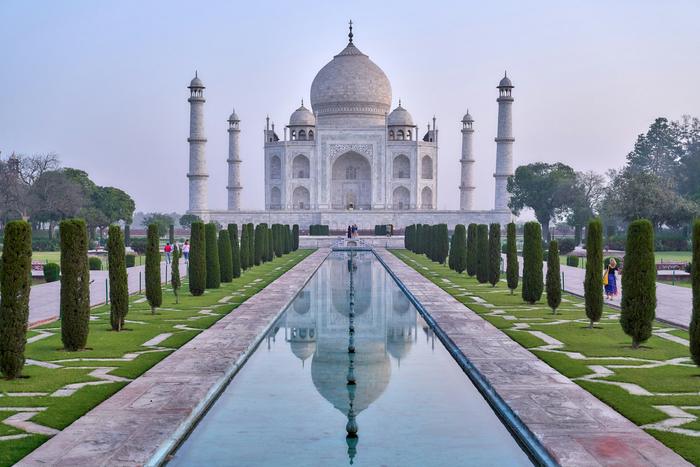
India
Overwhelming, beautiful, and utterly unlike anywhere else.
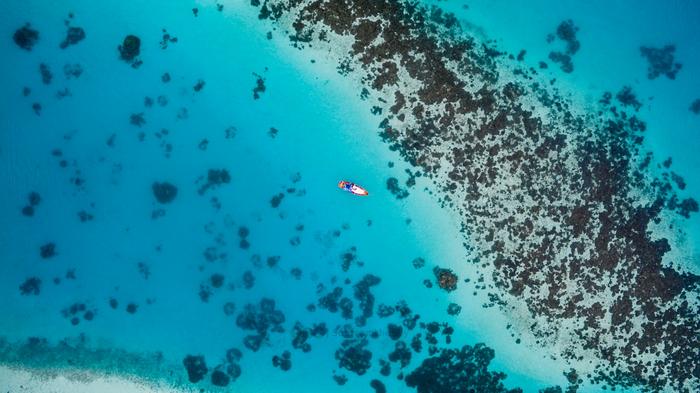
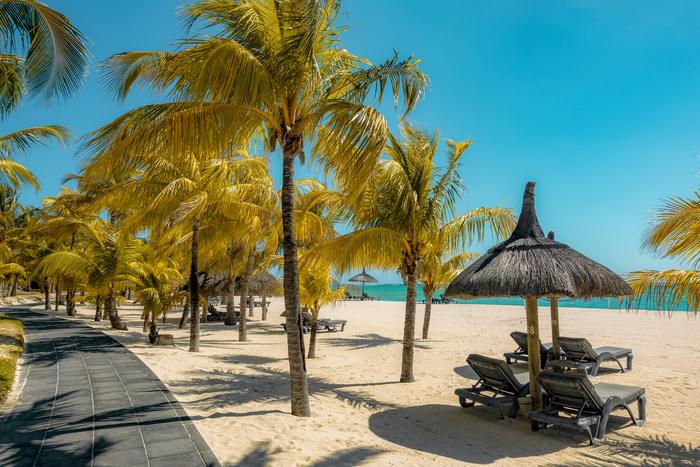
Maldives
One island, one resort, almost nothing to do. That is the point.
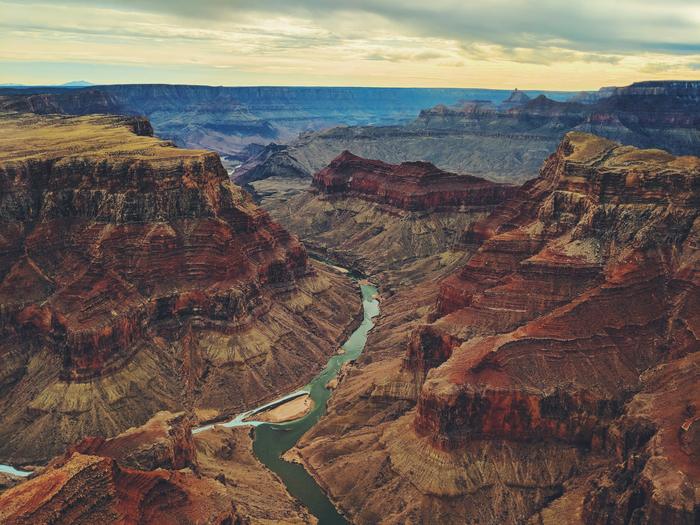
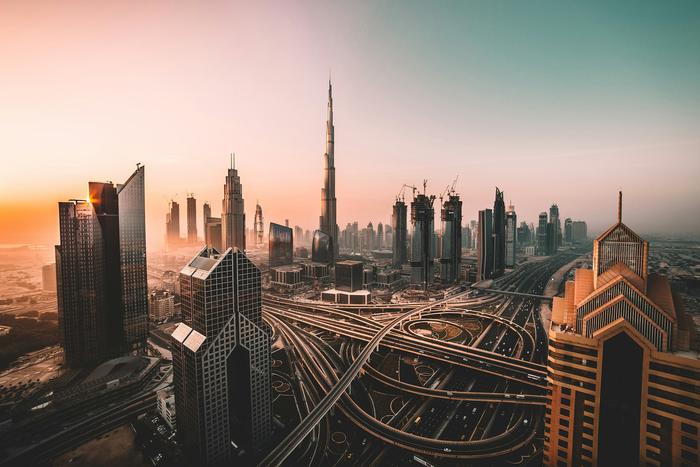
United States
A continent pretending to be a country — cities, deserts, and the best national parks anywhere.
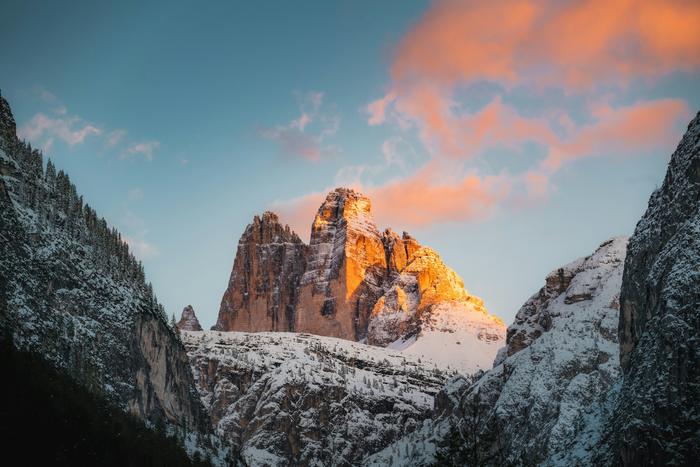
The Alps
The ski and alpine benchmark — every other mountain range is measured against this.
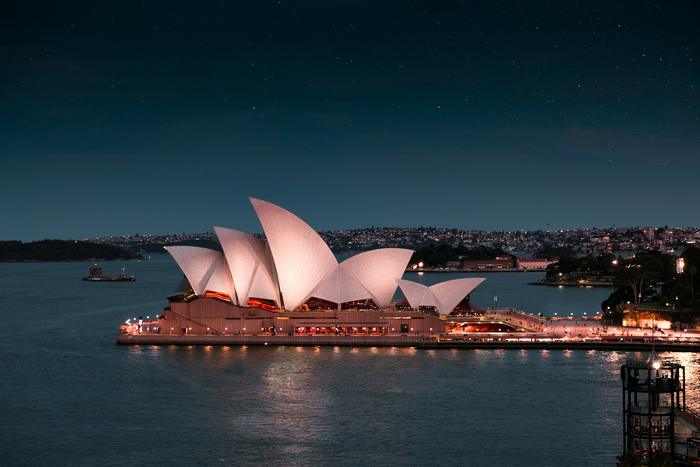
Australia
Vast, varied, relaxed. Reef, Sydney, and proper wilderness in one.
Not sure where to go
Take the 5-minute quiz
Answer a few honest questions and get matched to destinations that actually fit how you travel.
Start the quiz