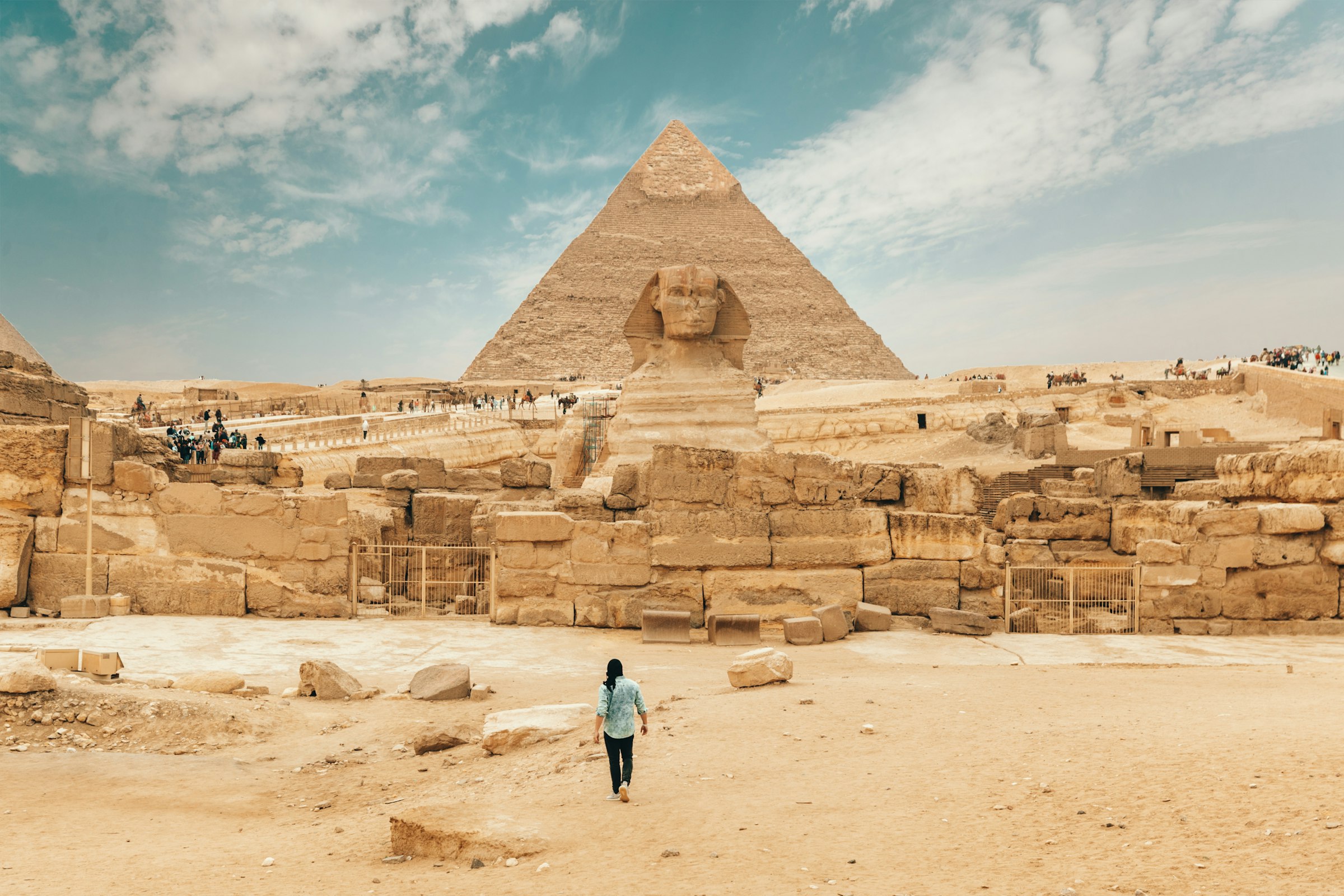
Egypt is the country where ancient sites still genuinely shock. The pyramids are smaller than expected up close — and bigger when you stand inside one. Luxor is the deeper experience: Karnak, the Valley of the Kings, temples on both banks. The Red Sea coast adds beach and world-class diving.
The route is set and it works: a couple of days in Cairo for Giza and the Grand Egyptian Museum, then fly or take the sleeper train to Luxor and drift toward Aswan on a three-or-four-night Nile cruise with temple stops along the way. Add Dahab or the Red Sea coast if you dive. Most people book a guide and driver — it removes friction and costs less than you'd think. Egypt remains one of the cheapest big-ticket trips going.
The hassle is constant and grinding: every temple gate, taxi rank, and bazaar comes with touts, inflated prices, and open hands for baksheesh, and women travelers report persistent unwanted attention. Cairo's traffic and noise exhaust even committed city people, and June through August is brutally hot in Upper Egypt. If you need calm, independent wandering, Egypt will wear you down. Then you stand in Karnak's hypostyle hall and the haggling stops mattering.
Highlights
-
Cairo & Giza
The pyramids, the Grand Egyptian Museum, and chaotic Cairo itself.
-
Luxor
Karnak, Valley of the Kings, hot air balloon at dawn over the temples.
-
Aswan & Nile cruise
The classic 3-4 day cruise between Aswan and Luxor.
-
Dahab / Sharm
Red Sea coral, diving, and easy beach time.
Practical info
- Visa
- E-visa or visa-on-arrival for most nationalities (30 days).
- Currency
- EGP (Egyptian Pound). Roughly 49 EGP ≈ 1 USD.
- Language
- Arabic. English in tourism but limited otherwise.
- Safety
- Tourist routes are safe with police presence. Hassle/baksheesh is constant.
- Getting around
- Domestic flights between major sites; trains Cairo-Luxor; tour driver common.
- Tap water
- Tap water not safe.
- Plug type
- Type C Type F 220V
- Money
- Cash dominant. Cards in nicer hotels.
General guidance — visas, safety, and health change, so check your government's travel advisory and the official sources before you go.
Common questions
- When is the best time to visit Egypt?
- Egypt is at its best in October–March. It's best to avoid June, July, August.
- How many days do you need in Egypt?
- Most trips run 1–3 weeks, depending on how much ground you want to cover.
- Is Egypt expensive?
- Plan for backpacker – mid-range daily spend, depending on how you travel.
- Is Egypt safe for travelers?
- Tourist routes are safe with police presence. Hassle/baksheesh is constant.
- Do you need a visa for Egypt?
- E-visa or visa-on-arrival for most nationalities (30 days).
Compare Egypt with
If you like Egypt, also consider
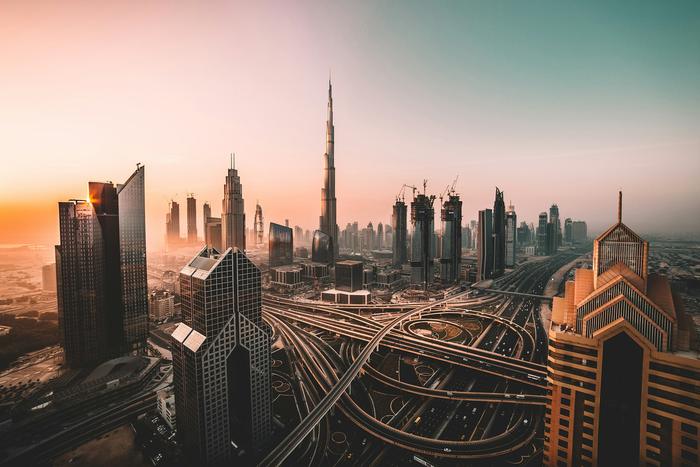
United Arab Emirates
Dubai and Abu Dhabi: superlatives, desert, and a stopover worth a few days of its own.
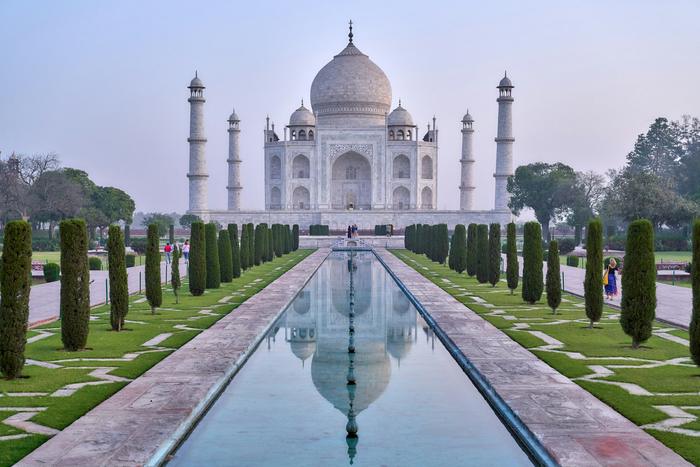
India
Overwhelming, beautiful, and utterly unlike anywhere else.

Maldives
One island, one resort, almost nothing to do. That is the point.

France
Paris is only the opening act — wine country, the Alps, and two coastlines.
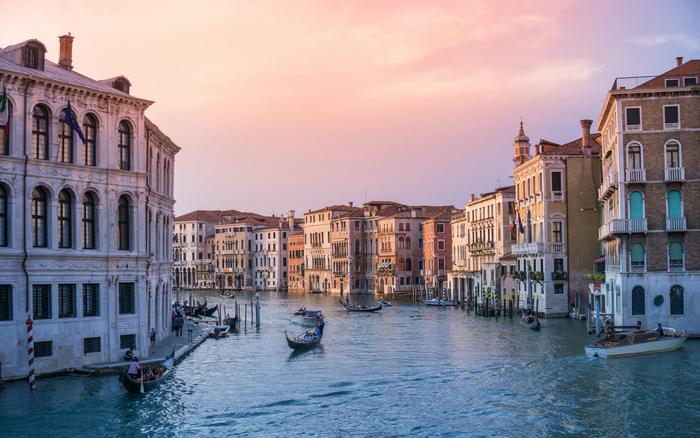
Italy
The benchmark for food, history, and beauty.
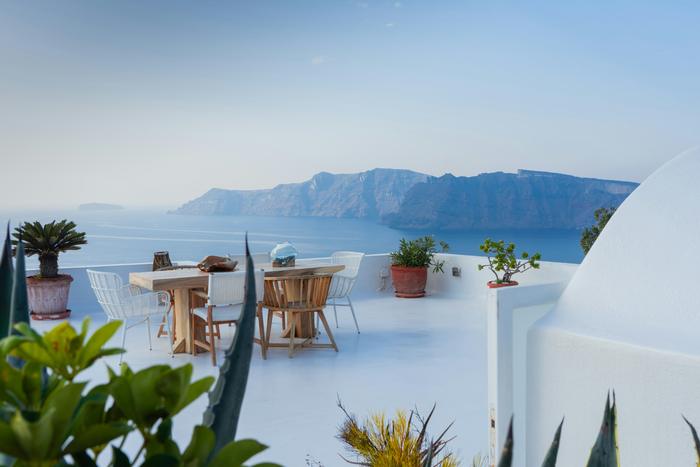
Greece
Ruins in the morning, a swim by noon, taverna until dark.
Not sure where to go
Take the 5-minute quiz
Answer a few honest questions and get matched to destinations that actually fit how you travel.
Start the quiz