
Kenya
The original safari, plus an Indian Ocean coast to land on afterward.
Kenya is where the safari idea was invented, and it still delivers the full version: the Masai Mara for big cats and the Great Migration, Amboseli for elephants framed against Kilimanjaro, and a string of other parks for those with more time. Tack on a few days of Swahili-coast beach at Diani and you have a trip that runs from open savannah to white sand. Most people go for the wildlife and stay for the scale of it.
A common route flies you in to Nairobi, then on by light aircraft to a Mara camp for three or four nights of game drives — dawn and late-afternoon runs in an open vehicle, lions, leopards, and cheetahs at close range, and from roughly July to October the migration herds crossing the Mara River. Some pair the Mara with Amboseli for its elephant herds and the Kilimanjaro backdrop. Then a flight down to Diani for the beach. Lodging spans simple tented camps to high-end private conservancies, and that choice drives most of the budget.
The cost is the honest limiter: park fees, internal flights, and good camps add up fast, and the cheaper overland safaris mean long hours on rough roads and crowded sightings in the public reserve at peak season. Timing matters too — the long rains from March to May turn tracks to mud and thin out the lodges, while the migration window books out far ahead. Nairobi calls for ordinary city caution after dark. Spend on a private conservancy and a good guide and the experience is hard to match; cut every corner and it can feel like a queue.
Highlights
-
Masai Mara
Big cats year-round; the Great Migration crosses roughly July–October.
-
Amboseli
Elephant herds with Kilimanjaro filling the horizon.
-
Private conservancies
Fewer vehicles, night drives, walking safaris — worth the premium.
-
Diani Beach
Swahili coast white sand to unwind after the parks.
-
Lake Nakuru & the Rift Valley
Flamingos, rhinos, and dramatic escarpment scenery.
Practical info
- Visa
- Electronic travel authorisation (eTA) required in advance for most passports. Verify before travel.
- Currency
- KES (Kenyan Shilling).
- Language
- Swahili and English (both official).
- Safety
- Parks are safe with a guide; use city caution in Nairobi, especially after dark.
- Getting around
- Light aircraft between parks; safari vehicles inside them. Long road transfers if going overland.
- Tap water
- Stick to bottled or filtered water.
- Plug type
- Type G 240V
- Money
- M-Pesa mobile payment is everywhere; cards in cities, cash for tips and markets.
General guidance — visas, safety, and health change, so check your government's travel advisory and the official sources before you go.
Common questions
- Do I need a visa for Kenya?
- Not a visa — an ETA. Kenya abolished traditional visas in 2024 and now requires every visitor to hold an approved Electronic Travel Authorisation before boarding, applied for on the official site etakenya.go.ke (beware the overpriced lookalike agent sites). The fee is about US$30 plus a small processing charge, single entry for a 90-day stay, processing capped at 72 hours. A 2025 change worth knowing: Kenya made entry ETA-free for citizens of almost all African countries (except Somalia and Libya), so the US$30 now mainly applies to overseas visitors. Carry a passport valid six months.
- When does the Great Migration reach the Masai Mara?
- The dramatic Mara River crossings run roughly July to October, with August–September the strongest window — but they’re driven by rain and river levels, never a fixed date, so a crossing is never guaranteed on any given day. Book a few days in the Mara in that window rather than pinning hopes on one morning. Outside it, Kenya has two dry seasons — the long one June–October (prime) and a shorter January–February — with the long rains March–May the green, cheaper, quieter shoulder.
- Why is a Kenya safari so expensive?
- The park fees, mostly, and they’ve risen. Non-resident entry to the Maasai Mara National Reserve is seasonal: US$200 per day in high season (Jul–Dec) and US$100 in low (Jan–Jun), set by Narok County. KWS raised the fees for the national parks on 1 October 2025 — Amboseli and Lake Nakuru to US$90, Tsavo and Nairobi to US$80. And the private conservancies bordering the Mara charge a separate nightly fee of roughly US$70–120+ per person on top of lodge rates. Combined, a quality fly-in Mara safari commonly runs several hundred to US$1,000+ per person per day all-in.
- Is Kenya safe, and where should I not go?
- The tourist circuit — the parks and the southern coast — is fine with sensible care, and Nairobi just needs normal big-city precautions. But several regions carry do-not-travel advisories (UK FCDO and US State Dept, which rates Kenya Level 2 overall): the Kenya–Somalia border counties (Mandera, Wajir, Garissa) and areas within ~60km of that border, Tana River County, and the coast and islands north of Malindi (including parts of Lamu), over Al-Shabaab terrorism and kidnapping risk. These are remote from standard safari and southern-coast itineraries; check current advisories before any off-track plans.
- Kenya or Tanzania for safari?
- They share the same migration ecosystem and both are superb. Kenya is the original — the Mara’s big-cat density is unmatched, it’s generally cheaper and easier to reach, fly-in logistics are slick, and you can finish on the Swahili coast. Tanzania has the vaster Serengeti, the Ngorongoro Crater and Kilimanjaro, and feels wilder but costs more. See Kenya vs Tanzania, plus Kenya vs South Africa and Botswana vs Kenya.
- Do you need vaccinations or malaria pills for Kenya?
- Malaria is endemic below about 2,500m — the Mara, Amboseli, the Rift lakes and the whole coast — so antimalarial prophylaxis is advised (only the Nairobi highlands are low risk). A yellow-fever certificate is required only if you’re arriving from or transiting a yellow-fever country, not for direct flights from Europe or North America, though it’s often recommended anyway; hepatitis A and typhoid cover are standard. Drink bottled or purified water throughout.
Entry & ETA
No visa — but a mandatory ETA
Visas are gone; everyone now needs an ETA bought before boarding on the official site.
Kenya replaced visas with an Electronic Travel Authorisation in 2024: every visitor must hold an approved ETA before boarding, applied for on the official etakenya.go.ke (around US$30 plus processing, single entry, 90-day stay). It is not issued on arrival, and the search results are thick with overpriced lookalike sites — use the .go.ke portal.
A 2025 shift: Kenya made entry ETA-free for citizens of almost all African countries (bar Somalia and Libya), so the US$30 now chiefly affects overseas travellers. Carry a passport valid six months, and note the yellow-fever certificate is required only if you arrive from or transit an endemic country — not for direct arrivals from the UK, US or Europe.
Apply for the Kenya ETA early, on the official site. Since 2024 there is no visa on arrival — every visitor needs an approved Electronic Travel Authorisation before boarding, from etakenya.go.ke (around US$30), and processing can take a few days. Search results surface lookalike sites that add a markup, so use the .go.ke domain and apply several days ahead, not the night before you fly.
When to go
Dry season, and the migration
Time it to the dry months — and know the river crossings are a window, not a date.
~2 million wildebeest and zebra on the move
Crimson bars are the wetter, lower shoulders — passable, greener and cheaper, but with heavier roads. The prime window is the long dry June–October, which overlaps the Mara crossings; January–February is a strong second dry season. The coast is hot and humid year-round.
Kenya is where the safari idea was invented, and it still delivers the full version: the Masai Mara for big cats and the migration, Amboseli for elephants framed against Kilimanjaro, plus Samburu, Tsavo and the Rift lakes. Time it to the dry seasons — the long one (June–October) is prime and overlaps the Mara crossings, with a shorter dry window in January–February.
The long rains (March–May) bring the greenest landscapes, lowest prices and newborn animals, at the cost of heavier roads; the short rains run October–December. Tack on a few days of Swahili coast and a trip runs from open savannah to white sand.
- the Mara is mobbed and dear in high seasonSkipthe main reserve’s US$200 days and vehicle crowdsGoa bordering conservancy — fewer cars, off-road drives, and night game drives
- the migration hasn’t crossed on your daysSkippinning the whole trip on one river morningGoseveral days in the Mara across the window, plus the resident big cats that are there year-round
- the long rains flood your plans (Mar–May)Skipwriting the trip offGothe green season’s low prices and newborns — or pivot to the coast
Getting around
Guided safaris: fly-in or by road
Safaris are guided, not self-drive — a light aircraft to the airstrips, or a long road transfer.
Kenyan safaris are guided, in two modes: fly-in, on scheduled light aircraft (Safarilink and peers) from Nairobi’s Wilson Airport to the Mara and other airstrips — fast and comfortable, pricier — or road transfers (Nairobi to the Mara is a rough 5–6 hours). Self-drive isn’t the norm for visitors; you travel with an operator and guide, and Kenya drives on the left.
For the coast, the SGR “Madaraka Express” railway links Nairobi and Mombasa in about 4.5 hours non-stop — a modern, popular alternative to flying or driving, but book ahead as it sells out. The international hub is Jomo Kenyatta (NBO); safari flights go from the separate Wilson Airport.
The parks
More than the Mara
The headline reserve is one of several very different landscapes — spread the trip.
The Maasai Mara is the headline — big cats year-round and the migration in season — but Kenya rewards range. Amboseli pairs huge elephant herds with a Kilimanjaro backdrop; Samburu in the arid north holds species found almost nowhere else; Lake Nakuru and the Rift lakes bring flamingos and rhinos; and Ol Pejeta in Laikipia is a conservation powerhouse. Even Nairobi National Park, minutes from downtown, has lions and rhinos against a city skyline. A classic trip strings two or three of these with a coastal finish.
| Park / area | Known for | Note |
|---|---|---|
| Maasai Mara | Big cats and the Great Migration (Jul–Oct) | A Narok County reserve; conservancies ring it |
| Amboseli | Elephant herds under Mount Kilimanjaro | The classic photo; compact and reliable |
| Samburu | The arid north and its "Special Five" | Grevy’s zebra, reticulated giraffe, gerenuk |
| Lake Nakuru & the Rift lakes | Flamingos and rhinos | Part of a UNESCO flamingo lake system |
| Laikipia · Ol Pejeta | Rhinos (incl. the last northern whites) and chimps | Private conservancy north of Mount Kenya |
| The coast (Diani, Lamu, Watamu) | Swahili culture and reef beaches | Fort Jesus and Lamu are UNESCO sites |
What it costs
Where the money goes
Park and conservancy fees are the big line — and they’re doing real work.
2 left on earth the northern white rhinos at Ol Pejeta
The honest headline is that Kenya is not a budget safari: the fees above stack on top of lodge rates that themselves run from modest to stratospheric, so a quality fly-in Mara trip commonly lands at several hundred to over US$1,000 per person per day all-in. The conservancy model is where the extra money buys the best experience — capped vehicle numbers, off-road and night drives, and revenue going directly to Maasai landowners.
The cheaper route is a road-based trip in the green season, or leaning on the lower-fee KWS parks (Tsavo, Nairobi, Nakuru) rather than the Mara at its US$200 peak. The coast, by contrast, is genuinely affordable once you’re off safari.
| Park | Non-resident adult / day | Note |
|---|---|---|
| Maasai Mara (reserve) | US$100 low / US$200 high | Narok County; high season Jul–Dec |
| Amboseli, Lake Nakuru | US$90 | KWS rate from October 2025 |
| Tsavo, Nairobi NP | US$80 | KWS rate from October 2025 |
| Mara conservancies | US$70–120+ per night | On top of lodge rates; fewer vehicles |
KWS raised its fees on 1 October 2025, the first revision in 18 years. The Maasai Mara is run separately by Narok County and is the priciest and seasonal; its sharp 2024 rise pushed some visitors toward Amboseli and Tanzania. Conservancy fees buy lower vehicle density and off-road driving. Checked October 2026.
The food
Nyama choma up-country, spice on the coast
Two cuisines in one country — meat and maize inland, Swahili spice by the sea.
Inland Kenya eats meat and maize: nyama choma — grilled goat, a social ritual as much as a meal — with stiff ugali and braised sukuma wiki greens, plus Indian-Kenyan chapatis and samosas everywhere. The drink is a Tusker lager or sweet milky chai.
The Swahili coast is a different cuisine entirely — coconut, seafood and the spice trade’s legacy in pilau and biryani. And remember what Kenya grows: it’s one of the world’s great tea and coffee producers, so the cup is excellent.
| Dish | What it is | Note |
|---|---|---|
| Nyama choma | Grilled meat, usually goat | The national love — a social occasion |
| Ugali | Stiff maize-meal staple | Eaten by hand with almost everything |
| Sukuma wiki | Braised greens (collard / kale) | The name means "stretch the week" |
| Chapati | Flaky griddled flatbread | An Indian-Kenyan staple |
| Pilau / biryani | Spiced rice, coconut, seafood | The Swahili coast’s Indian-Arab flavour |
| Tusker & chai | The local lager and sweet milky tea | Kenya is a top black-tea producer |
Up-country food is hearty and meat-led — nyama choma with ugali and greens; the Swahili coast is a different, spiced, coconut-and-seafood cuisine. Kenyan tea and coffee are among the country’s biggest exports.
Culture
Swahili, the Maasai, and a warm welcome
Easy and friendly for visitors — with one law worth knowing and coastal customs to respect.
Swahili (Kiswahili) and English are both official, and English is widely spoken in tourism, so there’s little language barrier — though a few words go far: jambo (hello), karibu (welcome), asante (thanks), pole pole (slowly). Kenya has more than 40 ethnic groups; the Maasai, whose land rings the Mara, are the most visible to visitors, and many lodges arrange village visits — worthwhile, though commercialised, so go in with eyes open.
The coast is Muslim and Swahili in culture, so dress modestly away from the resorts in Mombasa and Lamu. One practical rule: it is illegal to photograph government buildings, airports and the like. And there is a more serious legal note below.
An important note for LGBTQ+ travellers. Same-sex sexual activity is criminalised in Kenya under colonial-era penal-code provisions carrying long prison terms, and the social climate is conservative; the UK Foreign Office warns that public displays of affection can draw hostility and that criminals have used dating apps to target LGBTQ+ visitors. Prosecutions of tourists are rare, but discretion is the realistic advice.
Good to know
Shillings, M-Pesa, and the advisory map
A mobile-money economy, safe on the circuit, with a few zones to avoid.
The currency is the Kenyan shilling (around KSh 129 to the dollar, unusually stable of late), but M-Pesa mobile money is everywhere — roughly 90% of the market — so you can pay by phone from a safari lodge to a roadside stall. US dollars are taken for safaris and park fees; carry cash for tips, and budget a daily tip for your guide and driver (around US$10–20 a day). Health: malaria is a real risk below about 2,500m, so take prophylaxis; drink bottled water. Emergency help is 999 or 112.
Read the safety picture as a map. The parks and the southern coast are fine with ordinary care, and Nairobi needs normal city precautions. But several regions carry do-not-travel advisories — the Kenya–Somalia border counties (Mandera, Wajir, Garissa) and areas within ~60km of the border, Tana River County, and the coast and islands north of Malindi, including parts of Lamu — over Al-Shabaab terrorism and kidnapping. They are remote from standard safari and southern-beach itineraries; check current advisories before anything off-track.
Compare Kenya
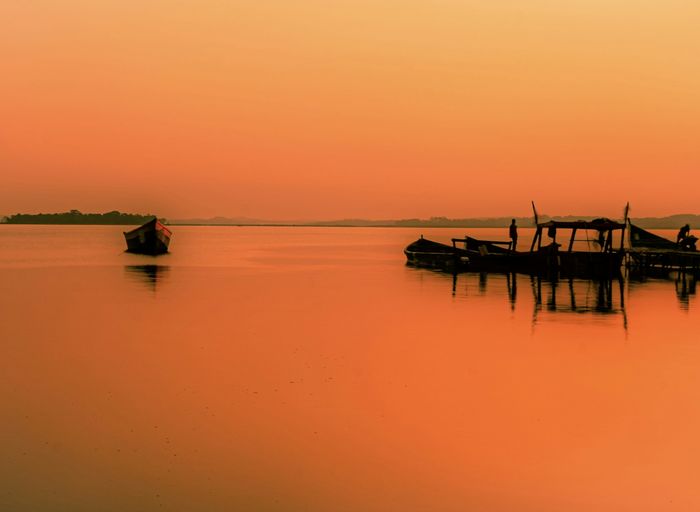
If you like Kenya, also consider
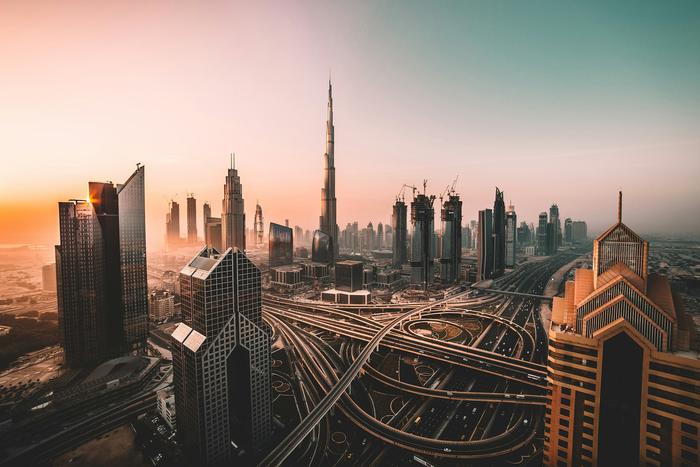
United Arab Emirates
Dubai and Abu Dhabi: superlatives, desert, and a stopover worth a few days of its own.
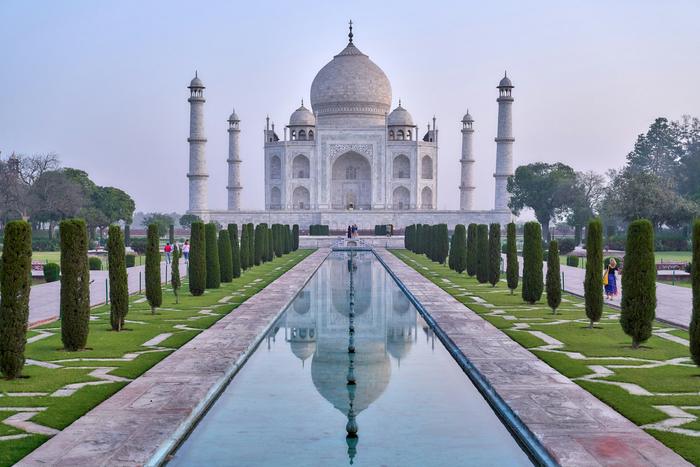
India
Overwhelming, beautiful, and utterly unlike anywhere else.
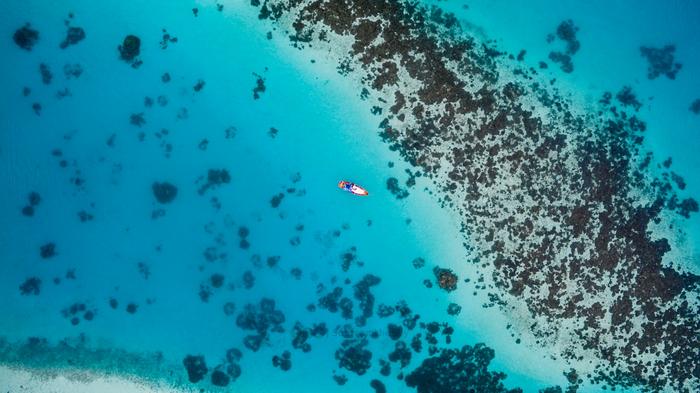
Maldives
One island, one resort, almost nothing to do. That is the point.
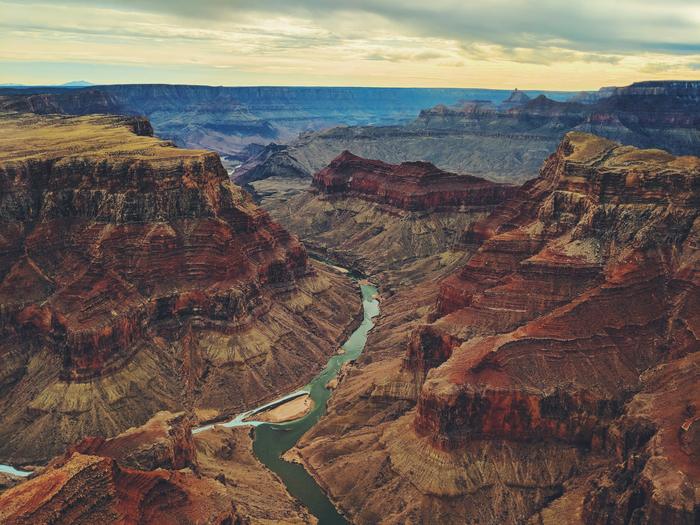
United States
A continent pretending to be a country — cities, deserts, and the best national parks anywhere.
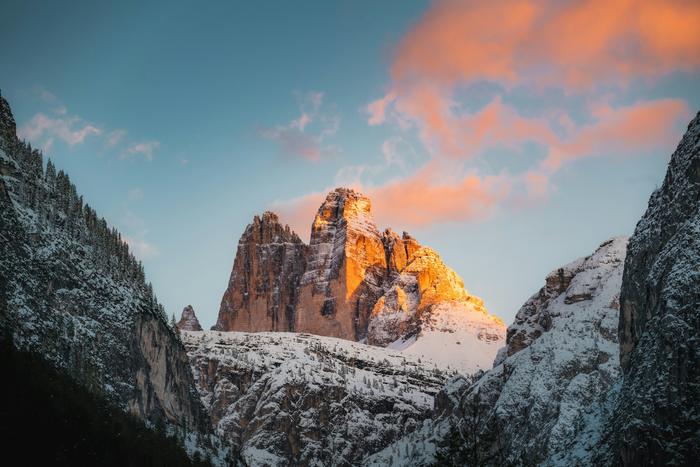
The Alps
The ski and alpine benchmark — every other mountain range is measured against this.
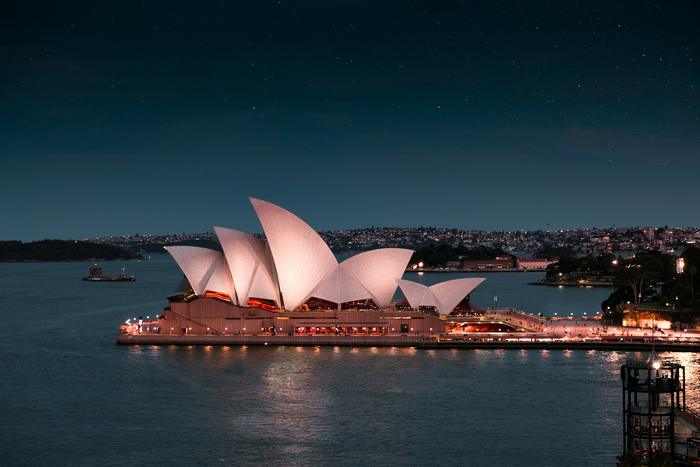
Australia
Vast, varied, relaxed. Reef, Sydney, and proper wilderness in one.
Not sure where to go
Take the 5-minute quiz
Answer a few honest questions and get matched to destinations that actually fit how you travel.
Start the quiz