Costa Rica
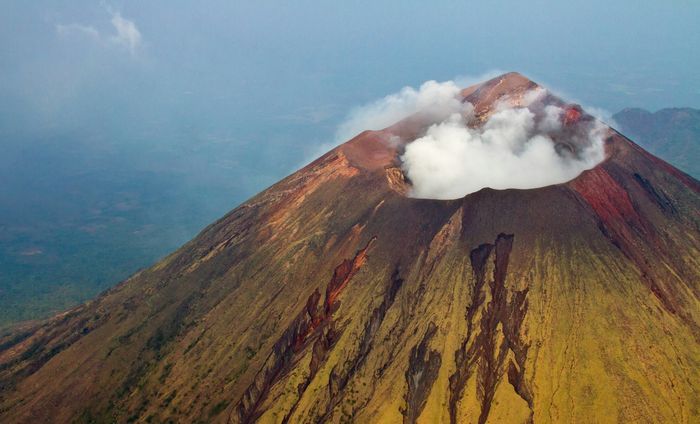
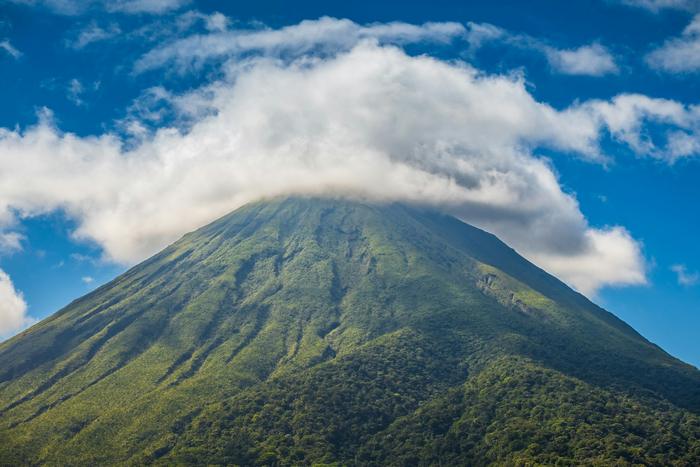
Surfing, rainforest, volcanoes, and wildlife in extraordinary density.
- January: peak
- February: peak
- March: peak
- April: peak
- May: fine
- June: fine
- July: fine
- August: fine
- September: avoid
- October: avoid
- November: fine
- December: peak
Two neighbouring countries with two coasts each and a shared love of nature — but different polish. Costa Rica is the eco-tourism icon: a superbly organised machine of rainforests, volcanoes and wildlife, with “pura vida” branding and the infrastructure to match. Panama is the less-polished all-rounder: the famous canal and a cosmopolitan capital, plus rainforest, highlands and the Guna-governed islands of San Blas — often cheaper to experience and a little wilder at the edges.
Surfing, rainforest, volcanoes, and wildlife in extraordinary density.
A canal, a real skyline, Caribbean islands, and cloud forest — all inside one small country.
Read our full guides about Costa Rica and Panama.
Emphasised where they differ. Muted rows are much the same either way.
| Costa Rica | Panama | |
|---|---|---|
| Best time | December–April | December–April |
| Climate | warm | warm |
| Budget | Moderate-to-pricey — the eco-tourism infrastructure comes at a premium | Pricier than its neighbours, and dollar-denominated — islands run on cash |
| Trip length | 1–4 wks | 1–2 wks |
| Visa | Visa-free for most Western passports (90 days). | Visa-free for most Western passports, up to 180 days. Verify before travel. |
| Currency | CRC (Colon) — USD widely accepted. | US Dollar. The Balboa is pegged 1:1 and its coins circulate alongside dollars. |
| Language | Spanish. English in tourism. | Spanish; English is common in Panama City business and tourism. |
| Tap water | Tap water safe in most of the country. | Tap water safe in Panama City and most areas. |
| Safety | Very safe by Central American standards. Watch belongings on beaches. | Panama City and tourist areas are fine with normal caution. Avoid the Darién Gap entirely. |
General guidance — visas, safety, and health change, so check your government's travel advisory and the official sources before you go.
The split
Both are two-coast nature countries — but one is the slick eco-tourism benchmark, the other a canal-and-city hub with wilder edges.
Costa Rica is the eco-tourism icon — a famously well-run machine of rainforests, cloud forests, volcanoes and wildlife across two coasts, with the guiding, lodges and logistics that make an active nature trip effortless, under the “pura vida” banner. Panama is the less-polished all-rounder: the world-famous canal and a cosmopolitan capital, plus rainforest (some within reach of the city), the coffee highlands of Boquete, and the Guna-governed San Blas islands — often cheaper, and a little wilder at the edges.
The operational detail — Costa Rica’s park-reservation systems and eco-logistics; Panama’s canal-viewing, dollar economy and San Blas access — lives on the two guides: Costa Rica, know before you go and Panama, know before you go. This page is the head-to-head.
The real difference
The trade: Costa Rica offers polished, reliable wildlife travel; Panama offers a canal, a city and wilder, cheaper nature.
Costa Rica wins on polish and wildlife reliability. If you want nature made easy — organised parks, superb guiding, lodges, and famous reserves that reliably deliver sightings — it’s the benchmark for a reason, and worth the premium for a seamless active trip.
Panama wins on breadth and value. It adds a genuine world-icon (the canal) and a cosmopolitan capital to comparable rainforest and islands, often at lower cost and with fewer crowds, if with less hand-holding. Choose the slick eco-icon, or the wilder canal-and-city all-rounder.
Who suits which
Both are nature-rich neighbours — but one leans polished wildlife, the other canal, city and value.
| If you want… | Costa Rica | Panama |
|---|---|---|
| Reliable, well-organised wildlife | Wins. The eco benchmark | Rich nature, less polish |
| A world-icon sight | Volcanoes and parks | Wins. The Panama Canal |
| A cosmopolitan city | Not really its thing | Wins. A glass-skyline capital |
| Better value | You pay for the polish | Wins. Often cheaper |
| Caribbean islands | Some, but nature-led | Wins. San Blas |
| Seamless independent travel | Wins. Mature infrastructure | Connected, with more to check |
Doing both
They share a border — a longer trip can take in both.
Because they’re neighbours, a longer trip can genuinely combine them — crossing the Costa Rica–Panama border to pair Costa Rica’s parks with Panama’s canal and islands. With less time, each stands well on its own, so many travellers pick one. Each also compares with others nearby — Costa Rica with the Caribbean beach countries (see Costa Rica vs Dominican Republic), Panama with the budget Maya north (see Guatemala vs Panama).
What we leave out
Exact prices beyond the structural comparison — Costa Rica’s lodge-and-park costs and Panama’s city and island prices all move with season — so the figures here are the shape of the difference, not a quote; the country guides carry the live detail. Both share a rainy season and their own entry steps, and Panama’s volatile pieces (the 2026 earthquake aftermath, the canal-centre works) are covered on the guides rather than restated here.
Which of the two is the better bet for each month of the year, scored on how well the season suits each place.
A continent pretending to be a country — cities, deserts, and the best national parks anywhere.
Buenos Aires has the best steakhouses and nightlife in South America.
A continent of a country. Pick two or three things and commit.
Wilderness on a continental scale — Rockies, coast, and the cities between.
Medellin is one of the most exciting cities in the world right now.
Machu Picchu, the Sacred Valley, Lima's food scene, and the Amazon.
Seven hundred islands of impossibly clear water, from cruise-port Nassau to the empty Out Islands.
Music, classic cars, and crumbling grandeur — go for the country, not the comfort.
Still undecided
Three matches. Often answers comparison questions for you.
Start the quiz