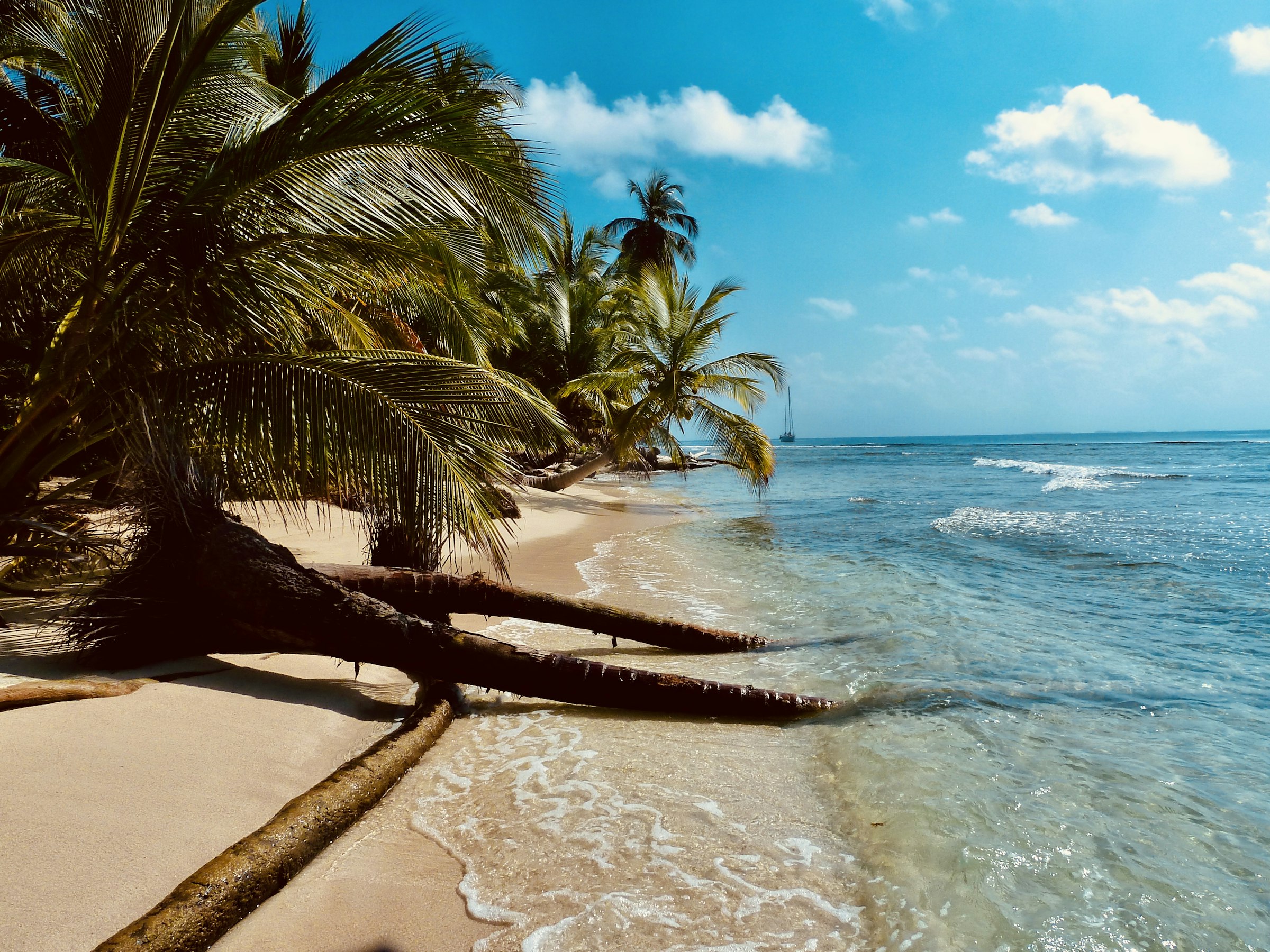
Panama
A canal, a real skyline, Caribbean islands, and cloud forest — all inside one small country.
Panama packs more range into a short hop than anywhere else in the isthmus. In a week you can watch a container ship climb the canal locks, wander the crumbling colonial lanes of Casco Viejo, fly to Indigenous-run cayes in San Blas, and end up sipping coffee in cool green highlands. It all runs on US dollars and it all connects easily, which makes it one of the most logistically painless trips in the region.
The pitch is variety, close together. Panama City gives you a genuine glass skyline and the canal — a working engineering wonder you can actually watch operate at the Miraflores or Agua Clara locks — plus Casco Viejo, the restored old town where the bars and rooftops are. From there it is short hops in every direction: north to the Caribbean for the postcard cayes of San Blas (Guna Yala) or the backpacker beaches of Bocas del Toro, or west into the Boquete highlands for coffee farms, cloud forest hiking, and a break from the heat. The economy runs on the US dollar, domestic flights and buses are cheap, and the whole country is small enough that you never lose a day to transit.
The honest part: Panama City is more business hub than charm — outside Casco Viejo it is banks, malls, and traffic, and it can feel like a stopover more than a destination. The islands that sell the country take real effort to reach: San Blas is a 4x4 transfer then a boat, and both it and Bocas are rustic, with basic huts and patchy power rather than resort polish. And the wet season is genuinely wet — the Caribbean side rains more or less year-round, and October and November can wash out plans. But few places pack this much variety this close together, and the canal is a real wonder worth crossing an ocean for.
Highlights
-
Panama Canal
Watch a ship rise through the locks at Miraflores or Agua Clara — a working wonder up close.
-
Casco Viejo
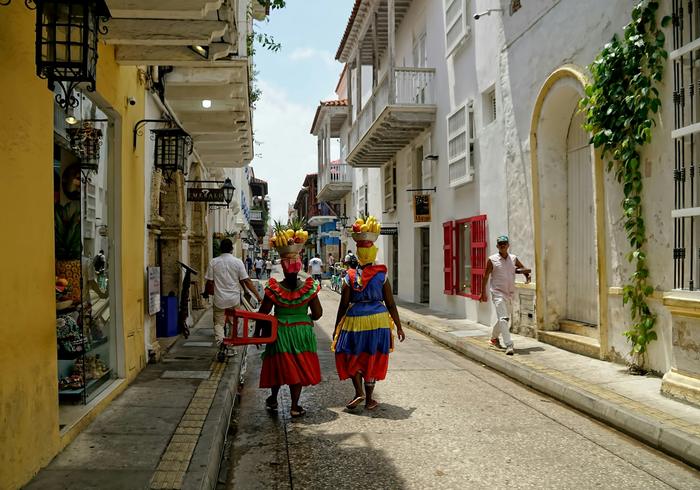
The restored colonial old town: cobbled lanes, rooftop bars, and the best of the city.
-
San Blas / Guna Yala
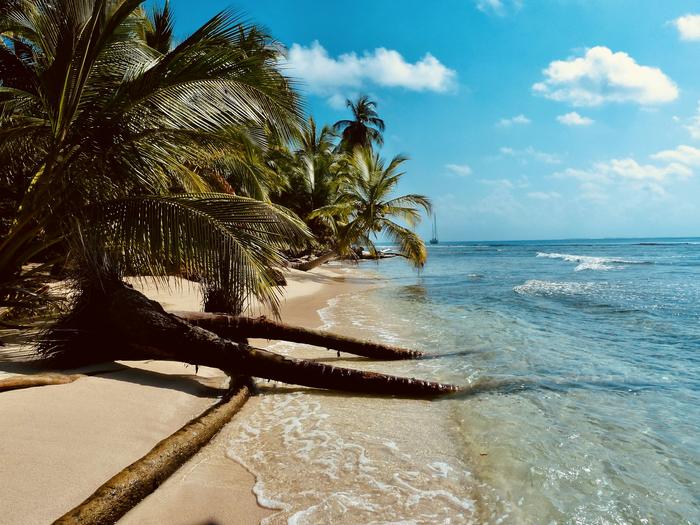
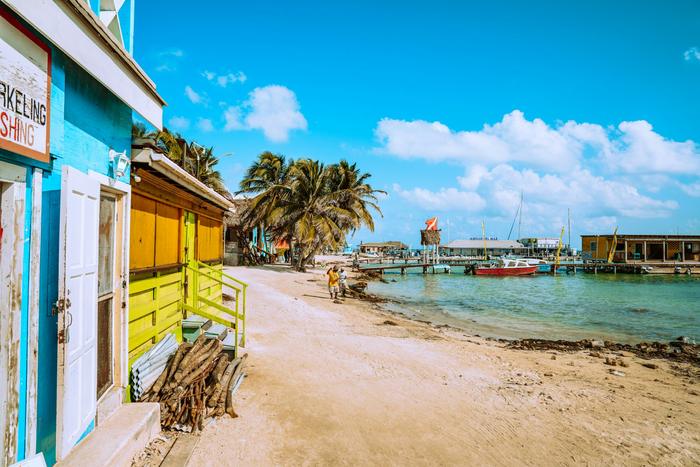
Indigenous-run islands of white sand and palm cayes. A rough transfer, a perfect payoff.
-
Bocas del Toro
Caribbean archipelago of stilt bars and easy beaches — backpacker central.
-
Boquete highlands
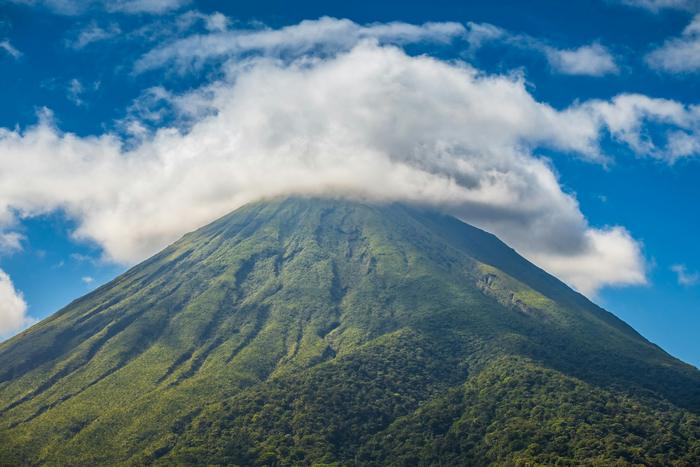
Coffee farms, cloud forest trails, and cool mountain air to escape the coast.
Practical info
- Visa
- Visa-free for most Western passports, up to 180 days. Verify before travel.
- Currency
- US Dollar. The Balboa is pegged 1:1 and its coins circulate alongside dollars.
- Language
- Spanish; English is common in Panama City business and tourism.
- Safety
- Panama City and tourist areas are fine with normal caution. Avoid the Darién Gap entirely.
- Getting around
- Metro in Panama City, cheap domestic flights and buses; 4x4 and boat for San Blas and Bocas.
- Tap water
- Tap water safe in Panama City and most areas.
- Plug type
- Type A Type B 120V
- Money
- Cards work in the city; carry cash for the islands and rural stops.
General guidance — visas, safety, and health change, so check your government's travel advisory and the official sources before you go.
Common questions
- When is the best time to visit Panama?
- Panama is at its best in December–April. It's best to avoid October, November.
- How many days do you need in Panama?
- Most trips run 1–2 weeks, depending on how much ground you want to cover.
- Is Panama expensive?
- Plan for budget – mid-range daily spend, depending on how you travel.
- Is Panama safe for travelers?
- Panama City and tourist areas are fine with normal caution. Avoid the Darién Gap entirely.
- Do you need a visa for Panama?
- Visa-free for most Western passports, up to 180 days. Verify before travel.
Compare Panama with
If you like Panama, also consider
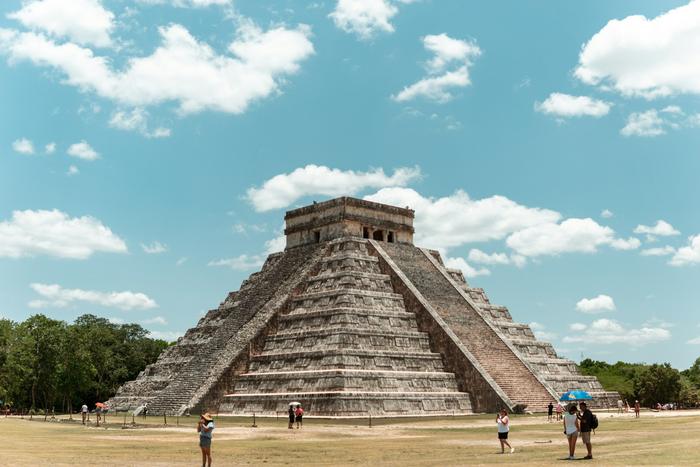
Mexico
Mexico City is world-class. Add the coast, ruins, and food culture.
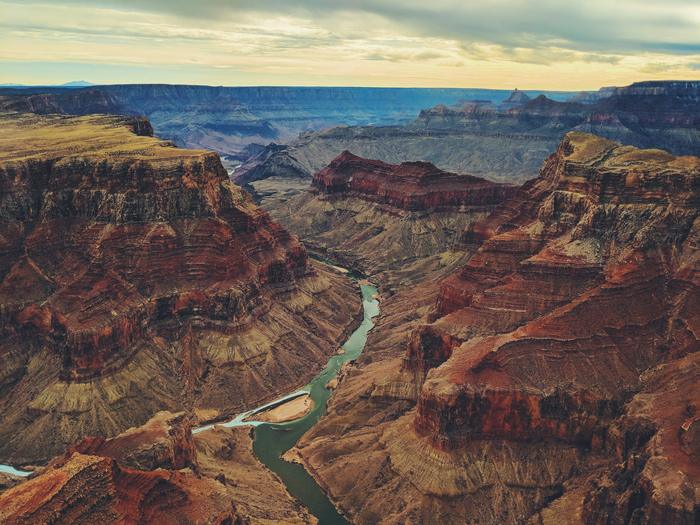
United States
A continent pretending to be a country — cities, deserts, and the best national parks anywhere.
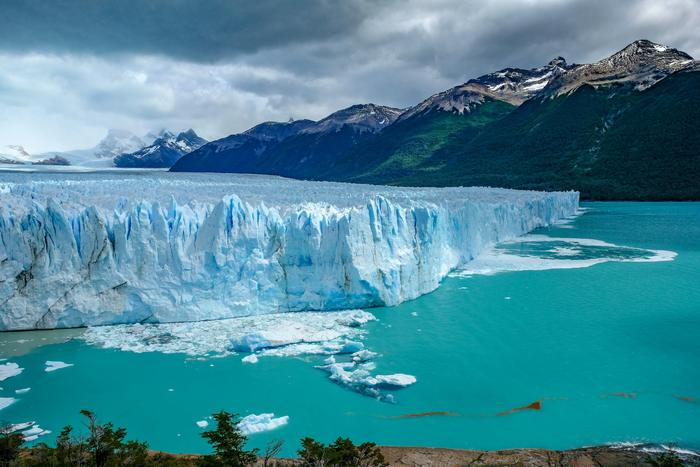
Argentina
Buenos Aires has the best steakhouses and nightlife in South America.
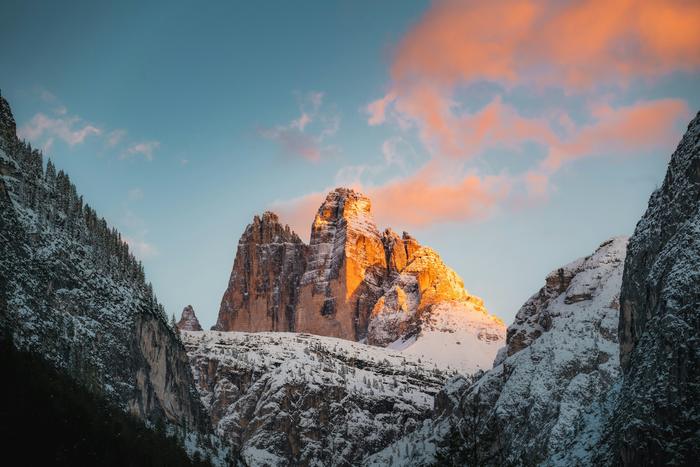
The Alps
The ski and alpine benchmark — every other mountain range is measured against this.
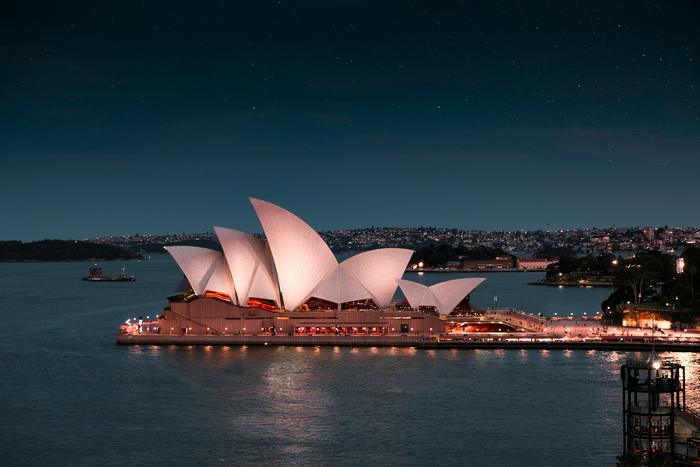
Australia
Vast, varied, relaxed. Reef, Sydney, and proper wilderness in one.
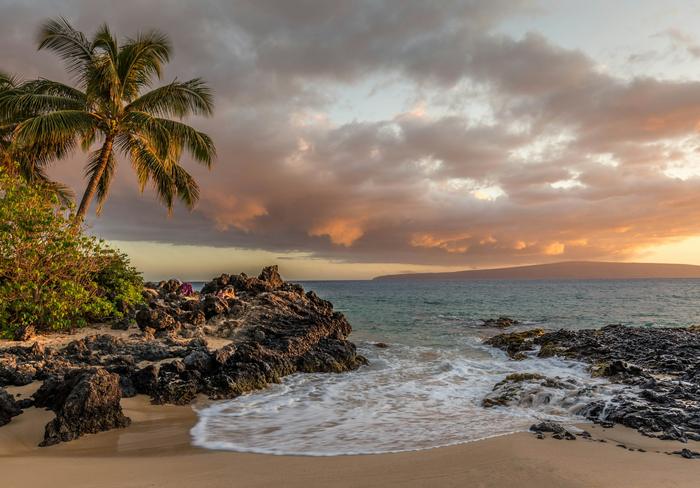
Hawaii
A handful of islands where the landscapes and the ocean genuinely earn the flight.
Not sure where to go
Take the 5-minute quiz
Answer a few honest questions and get matched to destinations that actually fit how you travel.
Start the quiz