Cuba vs Mexico

Two Caribbean-facing trips that could hardly differ more. Cuba is a cash-only time capsule in deep economic crisis — extraordinary, atmospheric and hard. Mexico is an easy, developed, endlessly varied giant — beaches, ruins, food and cities, with modern infrastructure and none of the scarcity.

Caribbean

Cuba

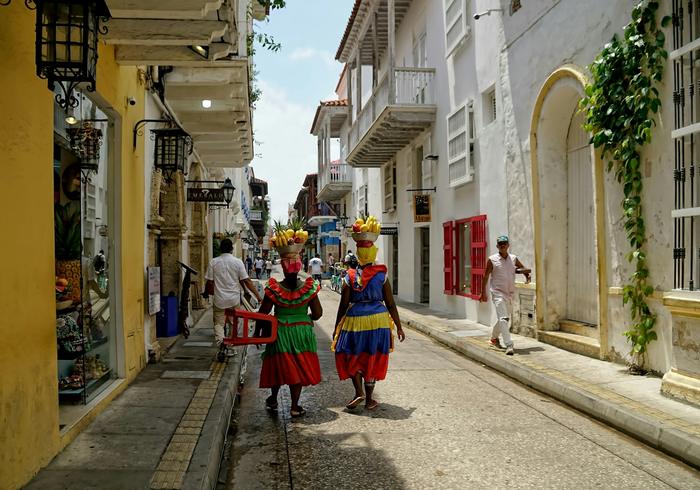
Music, classic cars, and crumbling grandeur — go for the country, not the comfort.

Best time to visit
  1. January: peak
  2. February: peak
  3. March: peak
  4. April: peak
  5. May: fine
  6. June: avoid
  7. July: avoid
  8. August: avoid
  9. September: avoid
  10. October: fine
  11. November: peak
  12. December: peak
Peak Fine Avoid

North America

Mexico

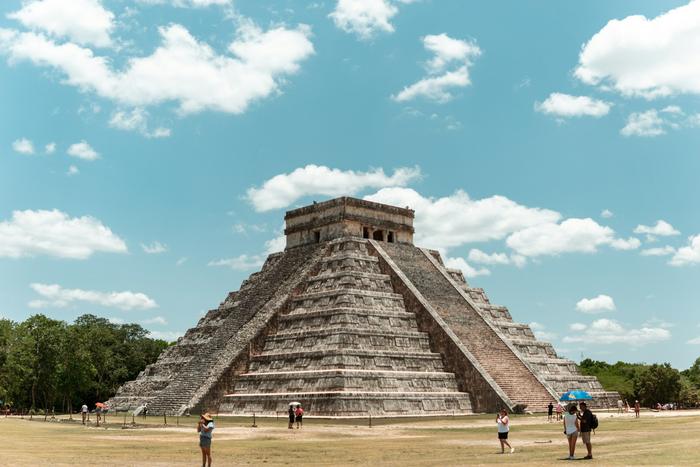
Mexico City is world-class. Add the coast, ruins, and food culture.

Best time to visit
  1. January: peak
  2. February: peak
  3. March: peak
  4. April: peak
  5. May: fine
  6. June: fine
  7. July: fine
  8. August: fine
  9. September: fine
  10. October: fine
  11. November: peak
  12. December: peak
Peak Fine Avoid

Read our full guides about Cuba and Mexico.

Side by side

Emphasised where they differ. Muted rows are much the same either way.

Cuba Mexico
Best time November–April November–April
Climate warm warm
Budget Bring all your cash — US cards don’t work, and shortages make it unpredictable Wide range — cheap street-level to pricey resorts; cards work, pay in pesos
Trip length 1–2 wks 2–6 wks
Visa Tourist card required for most Western passports; buy before travel. Verify rules first. Visa-free for most Western passports (180 days).
Currency CUP (Cuban Peso). Bring cash (USD or EUR); most Western cards do not work. MXN (Peso). Roughly 20 MXN ≈ 1 USD.
Language Spanish. Limited English. Spanish. English in tourism, less elsewhere.
Tap water Tap water not safe to drink; stick to bottled. Tap water not safe to drink.
Safety Low violent crime; watch for scams and petty theft in Havana. Mostly safe in tourist destinations. Avoid certain border and cartel-heavy regions.

General guidance — visas, safety, and health change, so check your government's travel advisory and the official sources before you go.

The split

A time capsule in crisis, or an easy giant

Both sit on the Caribbean — but one you fight through and the other simply works.

Cash-only vs normalthe defining differenceUS cards dead in Cuba; Mexico runs on cards and ATMs
Scarcity vs supplydaily realityShortages and blackouts, or reliable infrastructure
Atmosphere vs varietywhat each is really forHavana and classic cars, or beaches, ruins and food

Cuba is a cash-only time capsule in deep crisis: Havana, classic cars, music and an atmosphere found nowhere else — but US cards don’t work, you carry all your money in, and shortages and blackouts are routine. Mexico is the easy, developed giant: Caribbean and Pacific beaches, Maya ruins, world-class food and great cities, all with modern infrastructure. One is extraordinary and hard; the other varied and smooth.

The operational detail for each — Cuba’s cash and OFAC realities, Mexico’s entry and safety map — lives on the two guides: Cuba, know before you go and Mexico, know before you go. This page is the head-to-head.

Who suits which

Who each actually suits

They sit at opposite ends of ease — so these rarely invert.

If you want…CubaMexico
Atmosphere unlike anywhereWins clearly. Havana, cars, musicVaried, but not a time capsule
A trip that simply worksYou travel around scarcityWins clearly. Modern and smooth
Variety — beaches, ruins, cities, foodNarrower, atmosphere-ledWins. Enormous range
Working cards and reliable moneyCash-only; US cards deadWins. Cards and ATMs everywhere
No US-travel complicationsESTA knock-on since 2021Wins. None of that
Comfort and choiceHard by design right nowWins. Every tier available

Doing both

Cancún is the usual gateway

Easy to combine — if you prep the Cuba leg carefully.

Oddly, Mexico is the practical gateway to Cuba — Cancún is a common hop across — so pairing them is logistically simple. But they’re opposite experiences, and the Cuba leg needs its own preparation: all your cash carried in, an OFAC category if you’re American, and awareness of the ESTA knock-on that a Cuba visit triggers for later US travel. A few atmospheric days in Cuba bookended by easy Mexico works well, done with eyes open.

What we leave out

What we deliberately leave out

Exact prices and the fastest-moving facts — Cuba’s shortages, exchange reality and the OFAC/ESTA rules (tightened again in 2026), Mexico’s advisories and VisiTax — change quickly, so the figures here are the shape of the gap, not a quote; the country guides carry the live detail, and the Cuba side especially needs a fresh check before booking.

Cuba or Mexico, month by month

Which of the two is the better bet for each month of the year, scored on how well the season suits each place.

Which to choose

Choose Cuba if:

  • You want the atmosphere — Havana, classic cars, music, a place unlike anywhere — and will accept the hardship.
  • You can travel cash-only, flexibly, and patiently through shortages and blackouts.
  • The time-capsule experience matters more than comfort or choice.

Choose Mexico if:

  • You want ease and variety — beaches, Maya ruins, world food, great cities — with modern infrastructure.
  • Working cards, reliable supply and smooth logistics matter.
  • You’d rather a trip that simply works than one you have to fight.

Common questions

What’s the biggest practical difference between Cuba and Mexico?
Money and ease. Cuba is effectively cash-only — US cards don’t work at all, and you must bring every dollar (in euros or USD) you’ll spend, into a country with real shortages and nationwide blackouts. Mexico is a normal, developed destination: cards work, supply is reliable, infrastructure is good. One trip you have to plan around scarcity; the other simply functions.
Can US travellers visit Cuba and Mexico?
Mexico, freely. Cuba is far more complicated for Americans: US tourism is banned (you must fit an OFAC category), the rules tightened in 2026, and — crucially for everyone — anyone of any nationality who has visited Cuba since 2021 loses US visa-waiver (ESTA) eligibility, so a Cuba stamp can complicate a later US trip. Mexico carries none of this.
Is Cuba or Mexico cheaper?
It’s not a clean comparison. Cuba can seem cheap but the crisis makes costs unpredictable, dual pricing is common, and you’re limited to the cash you carried in. Mexico spans a genuine budget tier (street food, buses) up to pricey resorts, with working ATMs and cards. Mexico is the more reliably affordable and flexible of the two.
Should I combine Cuba and Mexico?
Mexico (Cancún) is actually the most common gateway to Cuba, so pairing them is logistically easy — but they’re opposite experiences, and the Cuba leg needs its own careful prep (cash, OFAC category for Americans, the ESTA knock-on). A few hard, atmospheric days in Cuba bookended by easy Mexico is a real itinerary, done with eyes open.

Still undecided

Take the quiz

Three matches. Often answers comparison questions for you.

Start the quiz