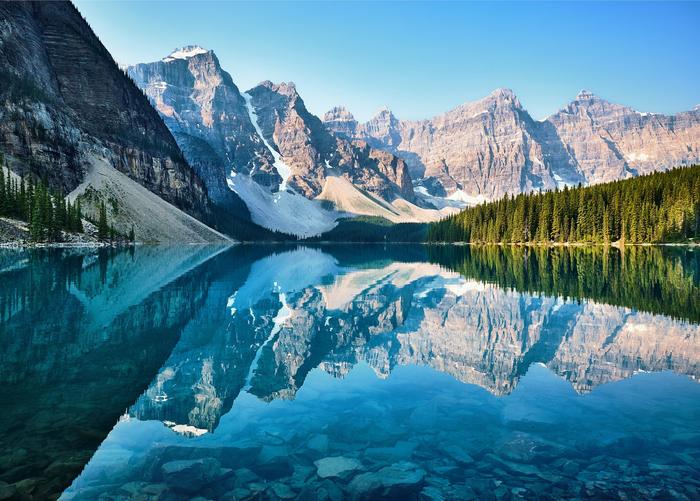
Canada
Wilderness on a continental scale — Rockies, coast, and the cities between.
- January: fine
- February: fine
- March: fine
- April: fine
- May: peak
- June: peak
- July: peak
- August: peak
- September: peak
- October: fine
- November: avoid
- December: fine
Two big-mountain wilderness trips, one developed and one raw. Canada is vast and easy — the Rockies, Banff and the glaciers reachable by a sealed road, with lodges, park shuttles and a real year-round season including winter. Patagonia is the far-south opposite: the most dramatic terrain you’ll ever walk through, on a short summer window, reached by long bus legs and gambled against the wind.
Wilderness on a continental scale — Rockies, coast, and the cities between.
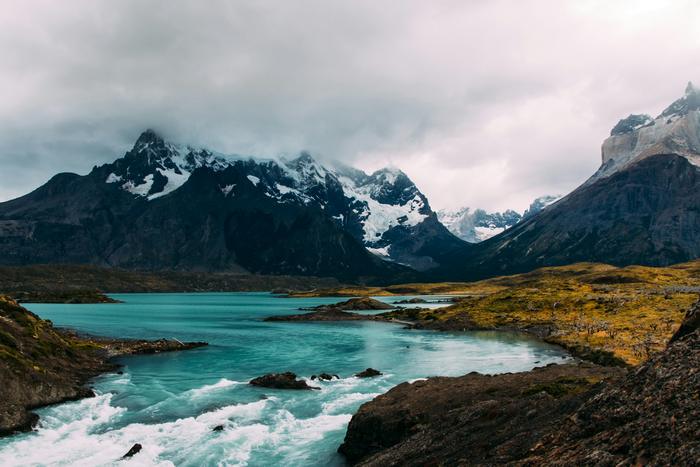
The most dramatic landscapes on earth.
Read our full guides about Canada and Patagonia.
Emphasised where they differ. Muted rows are much the same either way.
| Canada | Patagonia | |
|---|---|---|
| Best time | May–September | November–March |
| Climate | cold | cold |
| Budget | Mid-to-high — flights, car hire, park passes and lodges add up, but everything is easy to book and pay | Expensive to reach and not cheap on the ground — refugios, park fees and long logistics; Argentina’s peso has unified, so cards now bill fairly |
| Trip length | 2–4 wks | 2–6 wks |
| Visa | eTA required for most visa-exempt air travelers. Apply online before travel. | Argentina/Chile — visa-free for most Western passports (90 days each). |
| Currency | CAD ($). Roughly 1.4 CAD ≈ 1 USD. | ARS / CLP. USD useful for some payments. |
| Language | English, and French in Québec. | Spanish. Limited English outside tourism. |
| Tap water | Tap water safe. | Tap water generally safe in towns. |
| Safety | Very safe. Bears and remote distances are the real hazards. | Very safe. Wind and weather are the real risks. |
General guidance — visas, safety, and health change, so check your government's travel advisory and the official sources before you go.
The split
Two big-mountain trips — one is developed, easy and year-round, the other raw, remote and summer-only.
Canada makes big wilderness accessible: the Rockies, Banff and the glaciers are reachable by a sealed highway, with lodges, shuttles and a genuine year-round season that includes winter sports. Patagonia keeps it raw: the drama is sharper, but you earn it through long bus legs, months-ahead refugio bookings and a short summer window gambled against the wind. Drive-up grandeur, or a harder, remoter prize.
The operational detail — Canada’s eTA, park reservations (Moraine Lake, timed entries) and seasons; Patagonia’s unified-peso money, park fees and Torres del Paine bookings — lives on the two guides: Canada, know before you go and Patagonia, know before you go. This page is the head-to-head.
Who suits which
Easy-access or raw-remote — so these rarely invert.
| If you want… | Canada | Patagonia |
|---|---|---|
| Big wilderness, easily reached | Wins clearly. Rockies by sealed road | Long bus legs to the trailheads |
| The rawest, sharpest peaks | Vast but accessible | Wins clearly. Torres del Paine, Fitz Roy |
| Reliable, bookable logistics | Wins. Lodges, shuttles, English | Months-ahead refugio booking |
| A winter/ski season too | Wins. Full year-round | Summer-only |
| Forgiving weather odds | Wins. Easier to plan around | A genuine gamble on wind and cloud |
| Raw remoteness as the point | Developed | Wins. Far-south and empty |
Doing both
One fills the other’s off-season — but pick one per trip.
They sit in opposite hemispheres, so their seasons are mirror images: Canada peaks in the northern summer (and has a big winter), Patagonia in the Southern-Hemisphere summer. That makes them handy alternatives across the calendar rather than a combined journey — there’s no natural route linking them. Choose by what you’re after: Canada for vast wilderness made easy and bookable (with a winter option), or Patagonia for the rawest far-south terrain on a short, weather-gambled window.
What we leave out
Exact prices and the moving pieces — Canada’s park passes, reservation systems and lodge costs; Patagonia’s park fees, refugio rates and the unified-peso exchange band — change within a season, so the figures here are the shape of the gap, not a quote; the country guides carry the live detail.
Which of the two is the better bet for each month of the year, scored on how well the season suits each place.
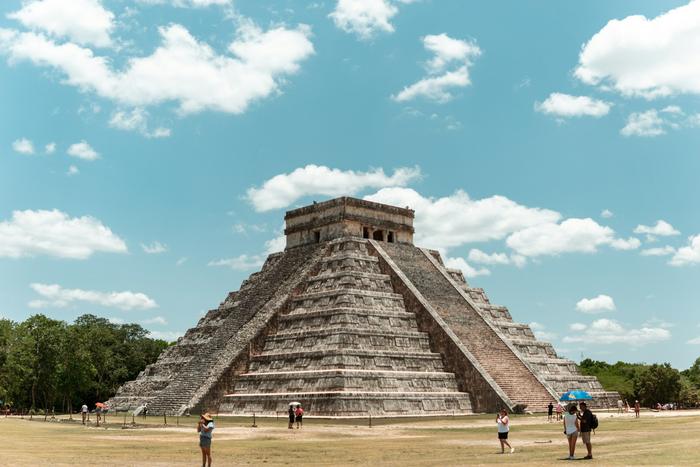
Mexico City is world-class. Add the coast, ruins, and food culture.
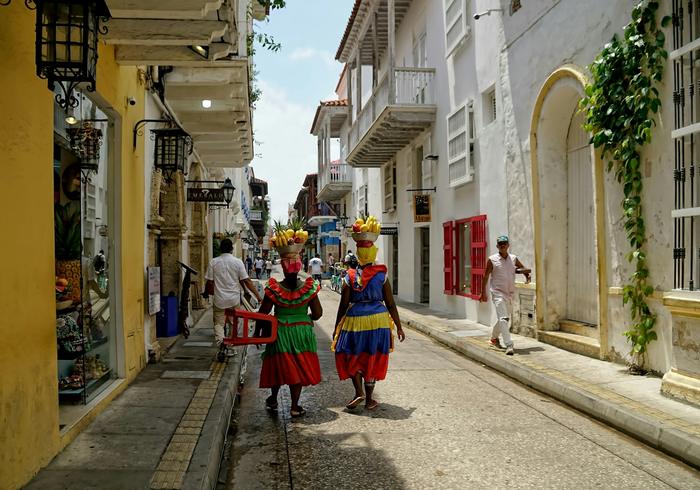
Medellin is one of the most exciting cities in the world right now.
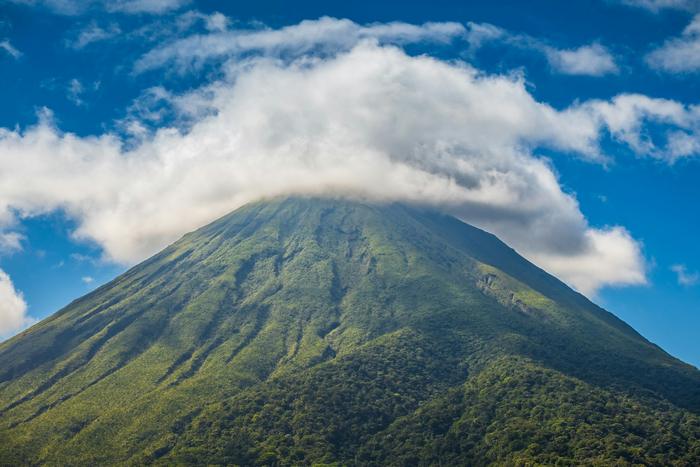
Surfing, rainforest, volcanoes, and wildlife in extraordinary density.
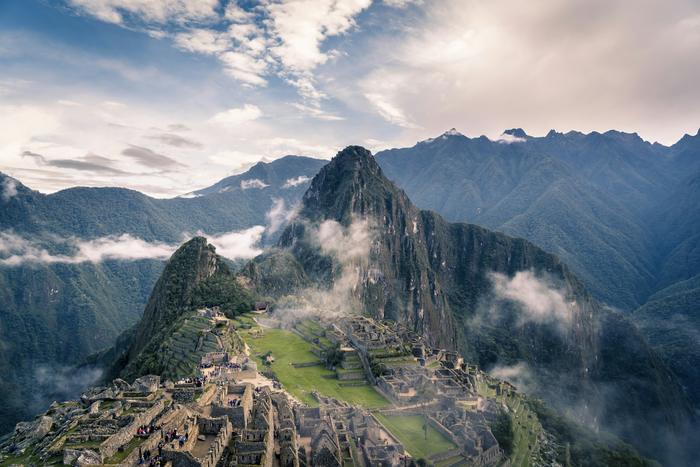
Machu Picchu, the Sacred Valley, Lima's food scene, and the Amazon.
Seven hundred islands of impossibly clear water, from cruise-port Nassau to the empty Out Islands.
Music, classic cars, and crumbling grandeur — go for the country, not the comfort.
Cheap flights, warm sea, and a lot more country than the resort brochure admits.
The most characterful island in the Caribbean — and the one that asks a little more of you.
Still undecided
Three matches. Often answers comparison questions for you.
Start the quiz