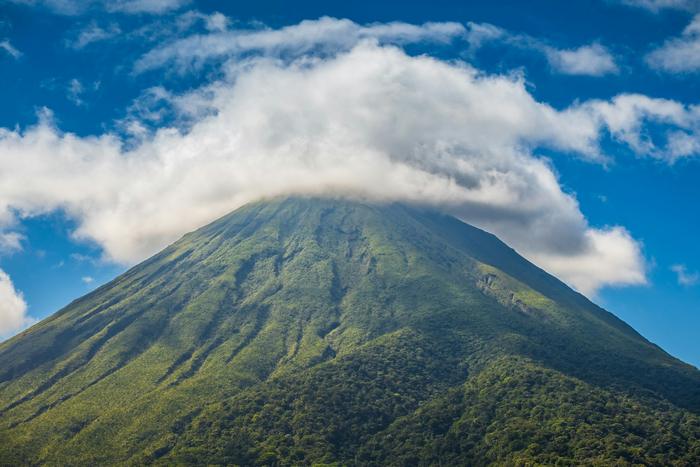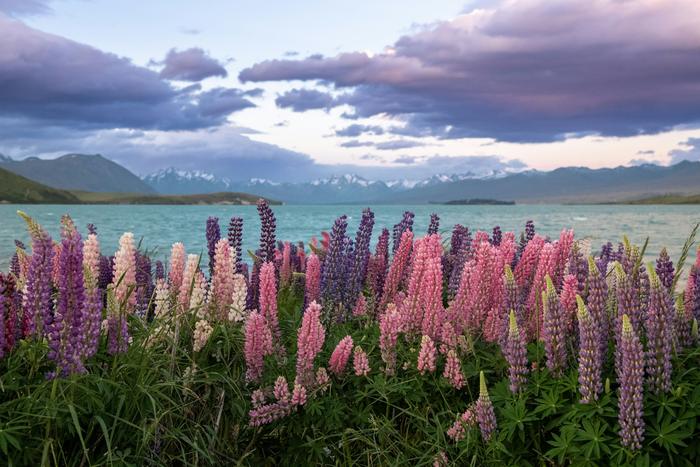
New Zealand vs Patagonia

Two of the Southern Hemisphere’s great mountain trips, at opposite ends of the effort scale. New Zealand is developed, varied and easy — self-drive between fjords, glaciers, volcanoes and vineyards, with everything signposted and bookable. Patagonia is raw and remote: the most dramatic terrain you’ll ever walk through, on a short summer window where wind and cloud, not infrastructure, decide your trip.

Oceania

New Zealand

Fjords, volcanoes, glaciers, beaches — in one country.

Best time to visit
  1. January: peak
  2. February: peak
  3. March: peak
  4. April: fine
  5. May: fine
  6. June: avoid
  7. July: avoid
  8. August: avoid
  9. September: fine
  10. October: fine
  11. November: peak
  12. December: peak
Peak Fine Avoid
South America

Patagonia

The most dramatic landscapes on earth.

Best time to visit
  1. January: peak
  2. February: peak
  3. March: peak
  4. April: avoid
  5. May: avoid
  6. June: avoid
  7. July: avoid
  8. August: avoid
  9. September: avoid
  10. October: fine
  11. November: peak
  12. December: peak
Peak Fine Avoid
Read our full guides about New Zealand and Patagonia.

Side by side

Emphasised where they differ. Muted rows are much the same either way.

New Zealand Patagonia
Best time November–March November–March
Climate mild cold
Budget Mid-to-high and smooth — campervans, Great Walk huts and activities add up, but it’s all easy to book and pay Expensive to reach and not cheap on the ground — refugios, park fees and long logistics; Argentina’s peso has unified, so cards now bill fairly
Trip length 3–8 wks 2–6 wks
Visa NZeTA required for visa-waiver travelers; apply online before travel. Argentina/Chile — visa-free for most Western passports (90 days each).
Currency NZD (Dollar). Roughly 1.7 NZD ≈ 1 USD. ARS / CLP. USD useful for some payments.
Language English (and Maori). Spanish. Limited English outside tourism.
Tap water Tap water safe. Tap water generally safe in towns.
Safety Very safe. Weather and outdoor activities are the real risks. Very safe. Wind and weather are the real risks.

General guidance — visas, safety, and health change, so check your government's travel advisory and the official sources before you go.

The split

Easy range, or raw extremes

Two Southern-Hemisphere mountain trips — one is developed, varied and easy, the other raw, remote and weather-gambled.

Developed vs rawthe characterSignposted, bookable NZ, or remote Patagonian wilderness
Range vs focuswhat each is forA dozen landscapes, or a few staggering massifs
Easy vs a gamblehow it goesReliable logistics, or wind and cloud deciding your days

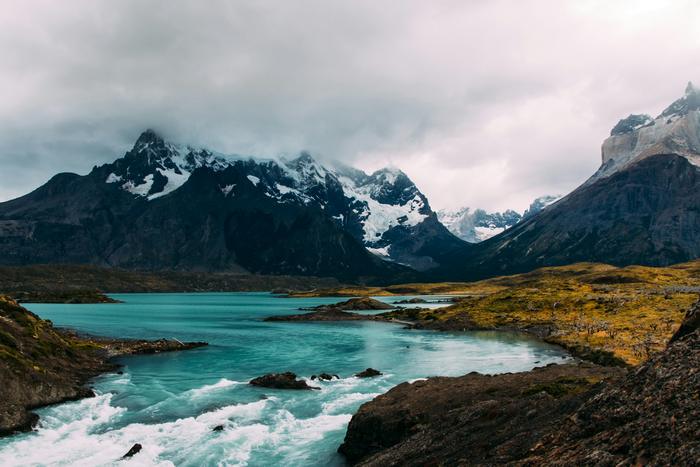
New Zealand is varied adventure made easy: a self-drive country where fjords, glaciers, volcanoes and vineyards sit within a day of each other, trails are signposted, and everything from hut beds to jet-boats is bookable. Patagonia is the opposite trade: raw, remote terrain of staggering drama, reached on long legs across two countries and walked in a short summer window where the weather, not the infrastructure, runs the show. Easy breadth, or raw intensity.

The operational detail — New Zealand’s NZeTA and visitor levy, Great Walk booking and seasons; Patagonia’s unified-peso money, park fees and Torres del Paine refugio bookings — lives on the two guides: New Zealand, know before you go and Patagonia, know before you go. This page is the head-to-head.

Who suits which

Who each actually suits

Easy-varied or raw-extreme — so these rarely invert.

If you want…New ZealandPatagonia
Varied adventure, easilyWins clearly. Fjords to vineyards by roadA few massifs, hard-won
The rawest mountain terrainSpectacular but tamerWins clearly. Torres del Paine, Fitz Roy
Smooth, bookable logisticsWins. Roads, huts, EnglishLong bus legs, months-ahead booking
Reliable weatherWins. Forgiving most of the yearA genuine gamble on wind and cloud
A self-drive road tripWins. Campervan countryHub-to-hub by bus
One singular trekking focusMany optionsWins. The great treks are the trip

Doing both

An either/or across the far south

Same season, opposite ends of the planet — pick one.

There’s no sensible way to pair these on one trip — they sit on opposite sides of the Pacific and both peak in the same Southern-Hemisphere summer, so they compete for the same window rather than combining. They’re an either/or decided by appetite: New Zealand for varied, easy, reliable adventure across a whole country, or Patagonia for the rawest terrain on earth on a harder, weather-gambled trek. If reliability matters, lean New Zealand; if you want the extreme and will take the gamble, Patagonia.

What we leave out

What we deliberately leave out

Exact prices and the moving pieces — New Zealand’s levy, hut and activity costs; Patagonia’s park fees, refugio rates and the unified-peso exchange band — change within a season, so the figures here are the shape of the gap, not a quote; the country guides carry the live detail.

New Zealand or Patagonia, month by month

Which of the two is the better bet for each month of the year, scored on how well the season suits each place.

Which to choose

Choose New Zealand if:

  • You want varied adventure made easy — self-drive between glaciers, fjords, volcanoes and wine.
  • Smooth logistics, signposted trails and bookable everything appeal.
  • You’d rather pack a lot of different landscapes into one reliable trip.

Choose Patagonia if:

  • You want the rawest, most dramatic mountain terrain on earth and will gamble on weather for it.
  • A trekking-first trip around a few singular massifs is the whole point.
  • Remoteness and a short, hard window are features, not drawbacks.

Common questions

How do New Zealand and Patagonia differ?
In how hard they make you work for the scenery. New Zealand is a developed, varied adventure country — you self-drive between fjords, glaciers, volcanoes and vineyards, with trails signposted and huts bookable. Patagonia is raw and remote: a short summer window of weather-gambled trekking around a few staggering massifs (Torres del Paine, Fitz Roy), where the wind and cloud call the shots. Easy range, or raw extremes. See the New Zealand and Patagonia guides.
Which is easier to travel?
New Zealand, comfortably — it’s one of the easiest adventure destinations anywhere, with good roads, campervans, English, and a booking system for everything from Great Walk huts to jet-boats. Patagonia is a logistical commitment: long bus legs between hubs across two countries, refugios booked months ahead, and a real chance the headline peaks stay hidden in cloud. Effortless variety, or a harder, singular wilderness.
Which has better hiking?
Different kinds. New Zealand’s Great Walks (Milford, Routeburn, Kepler) are world-class, well-built and hut-supported — spectacular and civilised. Patagonia’s W and O circuits and the Fitz Roy day hikes are bigger, rawer and more extreme — the terrain is more dramatic and the conditions harsher. Polished and reliable, or dramatic and demanding.
When should I go?
Both are Southern-Hemisphere summer trips. New Zealand works much of the year but is best November–April (and has a real winter ski season); Patagonia is effectively November to mid-April only, with the wind at its fiercest in the December–February peak. If you’re choosing by weather, New Zealand is far more forgiving; Patagonia asks you to gamble a few days on the sky.

Still undecided

Take the quiz

Three matches. Often answers comparison questions for you.

Start the quiz