Amalfi Coast vs Santorini

Two of the Mediterranean’s most photographed cliffside escapes, often pitched against each other for a romantic break. The Amalfi Coast is the Italian one — pastel towns like Positano stacked above the sea, lemon groves, superb food and the dramatic Sorrentine coast road. Santorini is the Greek one — whitewashed, blue-domed towns on a volcanic caldera, built for sunsets and the postcard view. Both are stunning, crowded and expensive; one is Italian cliff-town-and-cuisine, the other Greek caldera-and-sunset.

Southern Europe

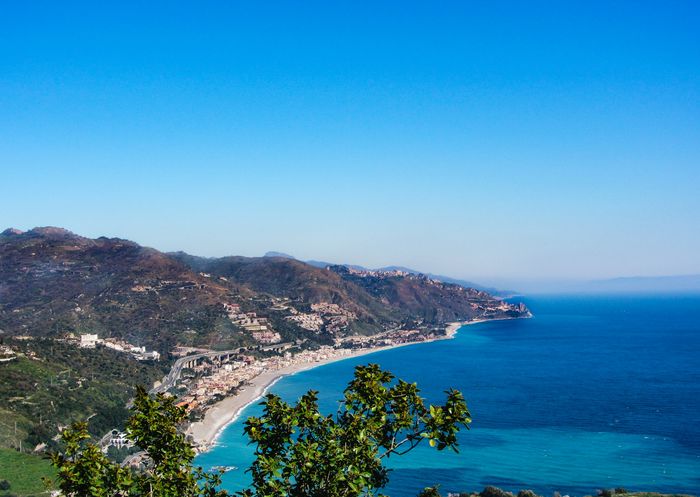
Amalfi Coast

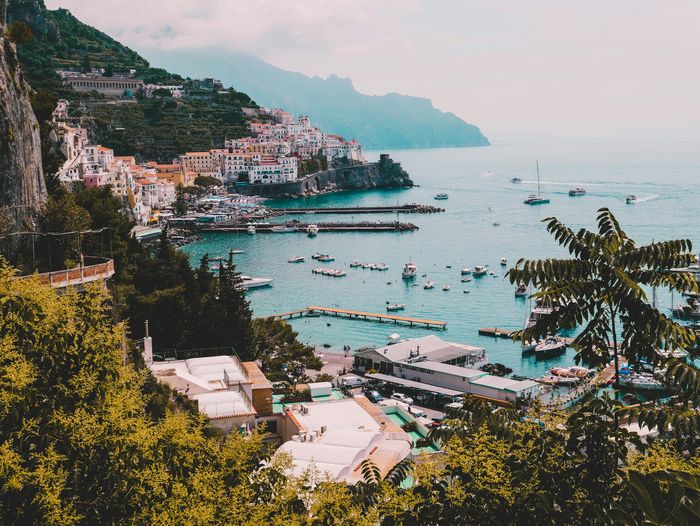
Italy’s most glamorous stretch of coast — pastel villages stacked above the sea, lemons, and long lunches.

Best time to visit
  1. January: avoid
  2. February: avoid
  3. March: fine
  4. April: peak
  5. May: peak
  6. June: peak
  7. July: fine
  8. August: fine
  9. September: peak
  10. October: peak
  11. November: fine
  12. December: avoid
Peak Fine Avoid

Southern Europe

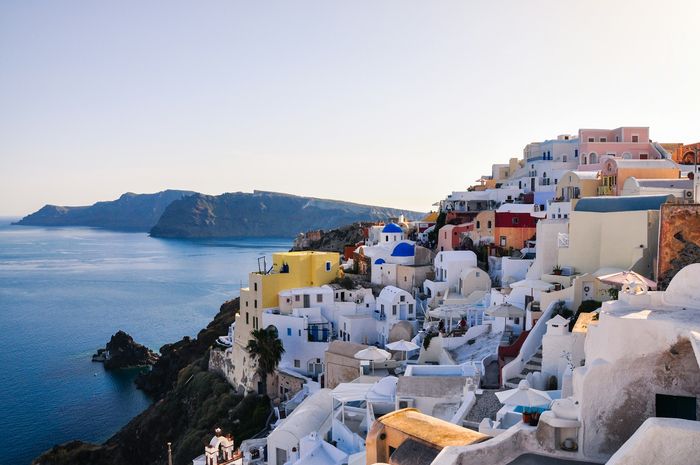
Santorini

The most photographed view in Greece — a drowned volcano rim of white villages above a blue caldera.

Best time to visit
  1. January: avoid
  2. February: avoid
  3. March: fine
  4. April: peak
  5. May: peak
  6. June: peak
  7. July: fine
  8. August: fine
  9. September: peak
  10. October: peak
  11. November: fine
  12. December: avoid
Peak Fine Avoid
Read our full guides about Amalfi Coast and Santorini.

Side by side

Emphasised where they differ. Muted rows are much the same either way.

Amalfi Coast Santorini
Best time April–June, September, October April–June, September, October
Climate warm warm
Budget Expensive — cliffside Positano hotels and summer demand command a premium Expensive — caldera-view hotels carry a steep premium
Trip length 1–1 wks 1–1 wks
Visa Schengen — visa-free for most Western passports (90 days). Schengen — visa-free for most Western passports (90 days).
Currency EUR (€) EUR (€)
Language Italian; English widely spoken in tourism. Greek; English widely spoken in tourism.
Tap water Tap water safe and good. Tap water safe in mainland; bottled on smaller islands.
Safety Very safe; the real hazards are the road, the steps, and summer crowds. Very safe; take care on cliff paths and with ATV rentals.

General guidance — visas, safety, and health change, so check your government's travel advisory and the official sources before you go.

The split

Italian cliff coast, or Greek caldera

Two iconic cliffside escapes — one pastel Italian towns-and-cuisine, the other a whitewashed Greek caldera-and-sunset.

Lush vs starkthe lookPastel cliff towns and lemon groves, or whitewashed volcanic caldera
Cuisine vs sunsetthe drawItalian food and the coast road, or the caldera and the famous sunset
Coast vs islandthe shapeA mainland cliff coast, or a single volcanic island

The Amalfi Coast is the Italian one — pastel towns like Positano stacked above the sea, lemon groves, superb food and the dramatic Sorrentine coast road. Santorini is the Greek one: whitewashed, blue-domed towns on a volcanic caldera, built for sunsets and the postcard view. Both are stunning, crowded and expensive.

The operational detail — the Amalfi Coast’s seasonal road-and-ferry logistics; Santorini’s cruise cap and levy, ferry port and seismic picture — lives on the two guides: Amalfi Coast, know before you go and Santorini, know before you go. This page is the head-to-head.

The real difference

Cliff-town cuisine, or caldera-and-sunset

The trade: the Amalfi Coast offers pastel Italian towns and world-class food; Santorini offers the iconic caldera and the famous sunset.

The Amalfi Coast wins on cliff-town romance and food. The pastel towns, the lemon-and-seafood cuisine of Campania and the scenic coast road make it a lush, delicious romantic break.

Santorini wins on the iconic image. The whitewashed caldera and the sunset over the water are the quintessential Greek-island postcard, unmatched for that one image. Choose the Italian cliff coast, or the Greek caldera — both expensive, both best in the shoulders.

Who suits which

Who each actually suits

Both are iconic cliffside escapes — but one leans Italian towns-and-cuisine, the other Greek caldera-and-sunset.

If you want…Amalfi CoastSantorini
The famous caldera viewPastel cliff townsWins. The icon
World-class foodWins. Campania cuisineGood food and wine
A scenic coast road and townsWins. Positano, RavelloA single island
The quintessential Greek postcardItalian insteadWins. Whitewashed and blue
RomanceStrong. Cliff-townStrong. Sunset
Volcanic-island dramaCoastal cliffsWins. The caldera

Doing both

Different countries — pick one

Not close; usually separate romantic breaks.

The Amalfi Coast (Italy) and Santorini (Greece) are in different countries and not close, so they’re separate trips — you’d fly between them via a mainland hub, and most people choose one. Each compares more naturally within its own country (see Amalfi Coast vs Sicily, Amalfi Coast vs Mallorca, Mallorca vs Santorini and Santorini vs Sicily).

What we leave out

What we deliberately leave out

Exact prices beyond the structural comparison — both carry a steep cliffside/caldera premium that moves with season — so the figures here are the shape of the difference, not a quote; the country guides carry the live detail. The logistics (the Amalfi coast road and ferries; Santorini’s cruise cap, levy and ferry port) are covered on the guides rather than restated here.

Amalfi Coast or Santorini, month by month

Which of the two is the better bet for each month of the year, scored on how well the season suits each place.

Which to choose

Choose Amalfi Coast if:

  • Pastel Italian cliff towns, lemon groves and food are the draw.
  • You want the Mediterranean-cliff romance with Italian cuisine.
  • Coastal towns and a scenic drive over a volcanic caldera.

Choose Santorini if:

  • The whitewashed caldera and the famous sunset are the whole point.
  • You want the quintessential Greek-island postcard image.
  • A volcanic-island icon over an Italian cliff coast.

Common questions

Which is more beautiful — the Amalfi Coast or Santorini?
Both are jaw-dropping, differently. The Amalfi Coast is lush and vertical — pastel towns like Positano tumbling down cliffs above a blue sea, backed by lemon groves. Santorini is stark and iconic — whitewashed, blue-domed villages on a volcanic caldera, with the world-famous sunset over the water. For Italian cliff-town romance, the Amalfi Coast; for the quintessential Greek-island image, Santorini.
Which has the better food?
The Amalfi Coast, as part of Italy’s Campania — fresh seafood, lemons, mozzarella, and nearby Naples’ pizza, a genuine food highlight. Santorini eats well (fresh Greek cuisine, crisp Assyrtiko wine from volcanic soil) but its food isn’t the headline the Amalfi’s is. For a food-led romantic break, the Amalfi Coast; for the view and the wine, Santorini.
How do crowds, cost and getting around compare?
Both are crowded and expensive in peak summer. The Amalfi Coast is reached and traversed by a famously scenic but narrow, congested coast road (buses, ferries and a lot of steps), while Santorini is a small island with its own ferry-port crush and now a cruise-passenger cap and levy. Both reward coming in the May or September–October shoulders. The guides carry the detail: Amalfi Coast and Santorini.
Do the entry rules differ?
No — both are in the EU, the Schengen area and the eurozone (the Amalfi Coast in Italy, Santorini in Greece), so the same 90-in-180 visa-free allowance applies, the EU’s biometric EES is in operation, ETIAS is expected in 2027, and you pay in euros on both. The difference is purely the character of the place.
Can I combine them?
They’re in different countries and not close, so they’re separate trips — you’d fly between them (usually via a mainland hub), and most people choose one for a romantic break. Each compares more naturally within its own country (see Amalfi Coast vs Sicily and Amalfi Coast vs Mallorca, and Mallorca vs Santorini and Santorini vs Sicily).

Still undecided

Take the quiz

Three matches. Often answers comparison questions for you.

Start the quiz