Cook Islands
The lagoon of your dreams, at a fraction of Bora Bora money.
The Cook Islands are a laid-back Polynesian escape built around water. You snorkel and swim Rarotonga's lagoon, hop a 45-minute flight to the almost impossibly turquoise Aitutaki Lagoon, hike the jungly interior, and eat your way through night markets. It's small, friendly, and English-speaking — the kind of place where the whole island feels like it's on island time, including you.
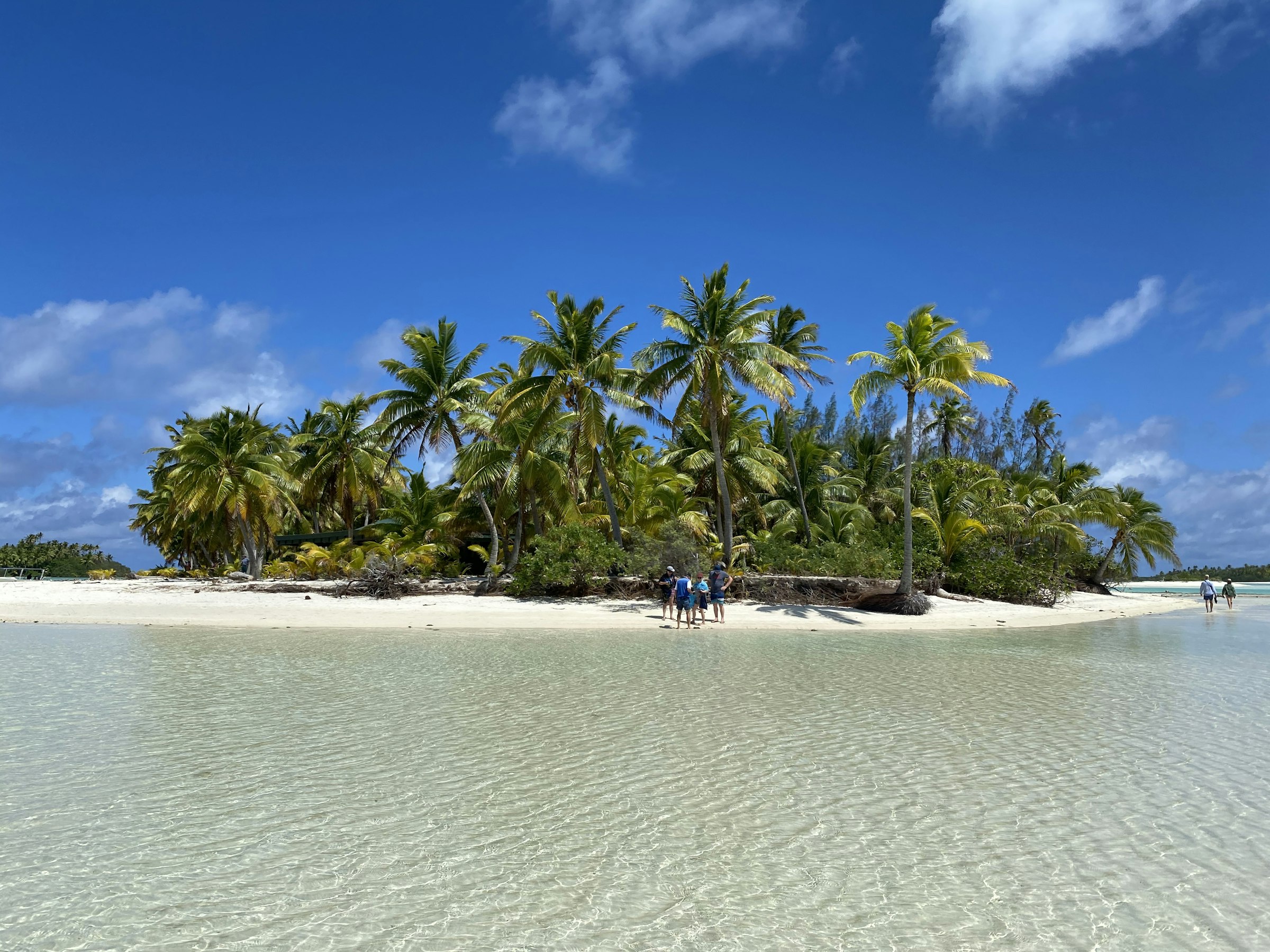
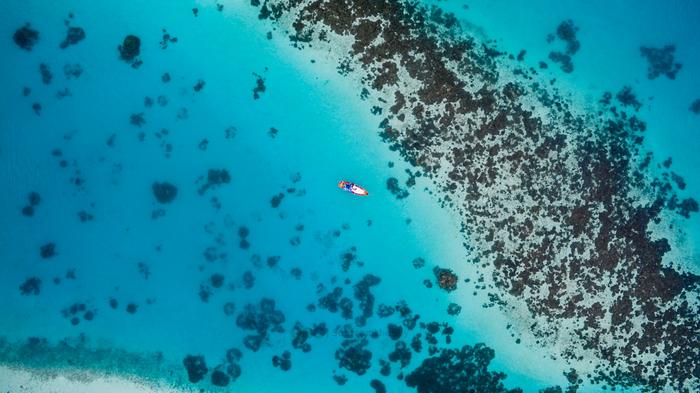
The days here run on water and warmth. On Rarotonga you snorkel and swim a lagoon that laps almost every beach, then fly 45 minutes to Aitutaki, where the lagoon is so turquoise it looks retouched — One Foot Island and its sandbars are the picture everyone comes for. Between the beaches you can hike the jungly interior over the Needle on the cross-island trek, browse the Punanga Nui market, and turn up for an island-night dance and feast. It's small, friendly, and everyone speaks English, so nothing about it is hard.
The honest part: this is remote. You mostly reach it via a long haul to Auckland, and once there it's small and quiet, with little nightlife and prices well above Southeast Asia. The wet season from December to March brings real cyclone risk, so time your trip for the dry months if you can. But the trade-off is the whole point — a lagoon every bit as stunning as Bora Bora at a fraction of Tahiti's price, relaxed and refreshingly uncommercial. Come for the water and the calm, not the buzz.
Highlights
-
Aitutaki Lagoon
One of the most beautiful lagoons on Earth — turquoise water and the sandbars of One Foot Island.
-
Rarotonga
The main island: lagoon and beaches all round, plus the cross-island trek over the Needle.
-
Muri Beach
Rarotonga's postcard lagoon — calm, shallow, and made for snorkelling and paddling out to the motu.
-
Snorkelling & diving
Coral, reef fish, and clear warm water almost anywhere you wade in.
-
Punanga Nui Market
Saturday-morning market in Avarua for produce, crafts, and island food.
-
Island night & imene
A dance-and-feast island night, and the soaring church singing on a Sunday morning.
Practical info
- Visa
- No visa required; free entry for around 31 days on arrival.
- Currency
- NZD (New Zealand Dollar).
- Language
- Cook Islands Māori and English.
- Safety
- Very safe and easygoing.
- Getting around
- Rarotonga has one circular road — buses run clockwise and anticlockwise, or rent a scooter. A short flight reaches Aitutaki.
- Tap water
- Tap water generally safe on Rarotonga; bottled to be safe.
- Plug type
- Type I 240V
- Money
- Cards work on Rarotonga; carry cash for smaller spots.
General guidance — visas, safety, and health change, so check your government's travel advisory and the official sources before you go.
Common questions
- When is the best time to visit Cook Islands?
- Cook Islands is at its best in May–October. It's best to avoid January, February, December.
- How many days do you need in Cook Islands?
- Most trips run about 1 week, depending on how much ground you want to cover.
- Is Cook Islands expensive?
- Plan for budget – mid-range daily spend, depending on how you travel.
- Is Cook Islands safe for travelers?
- Very safe and easygoing.
- Do you need a visa for Cook Islands?
- No visa required; free entry for around 31 days on arrival.
Compare Cook Islands with
If you like Cook Islands, also consider
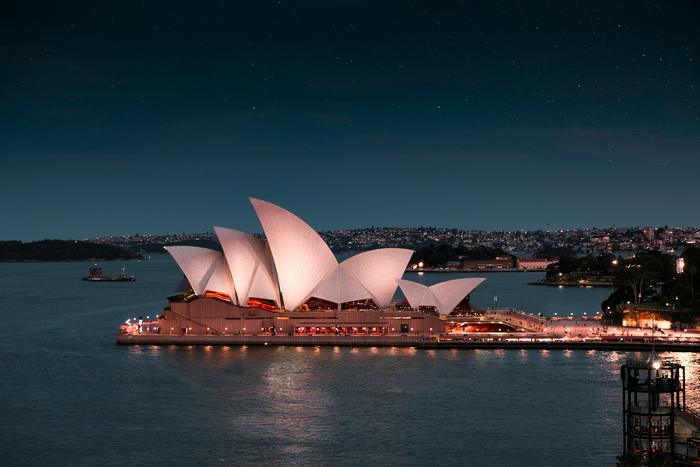
Australia
Vast, varied, relaxed. Reef, Sydney, and proper wilderness in one.
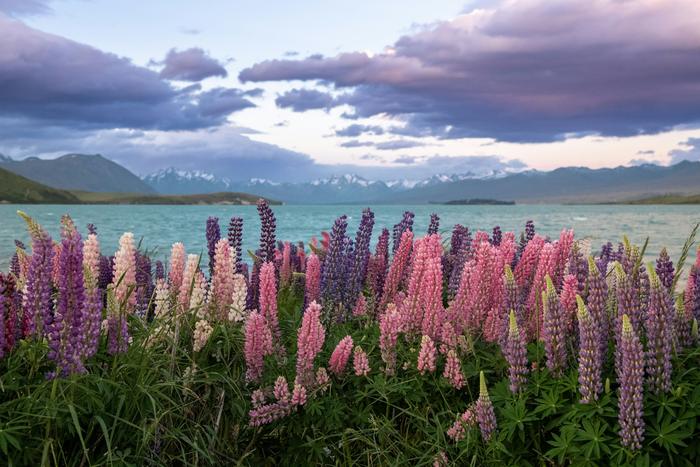
New Zealand
Fjords, volcanoes, glaciers, beaches — in one country.
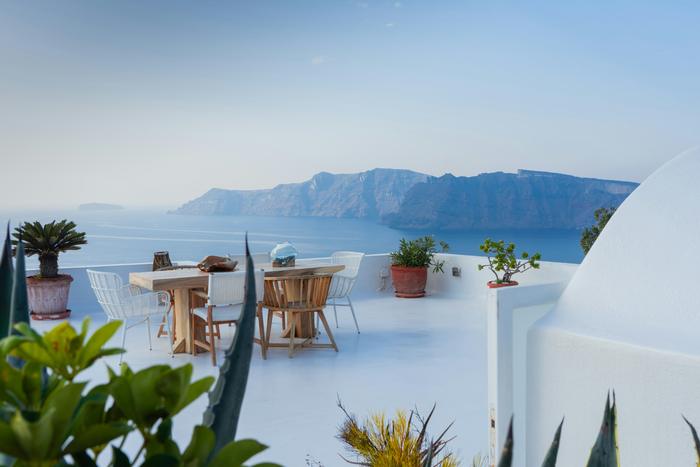
Greece
Ruins in the morning, a swim by noon, taverna until dark.
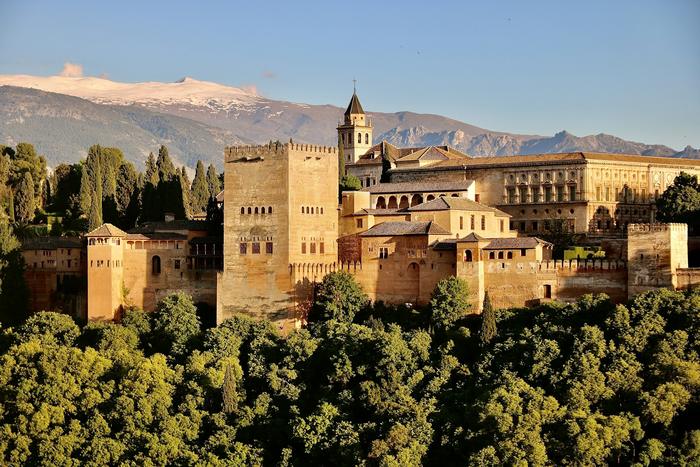
Spain
Food, beaches, and three or four cities that each justify the trip.
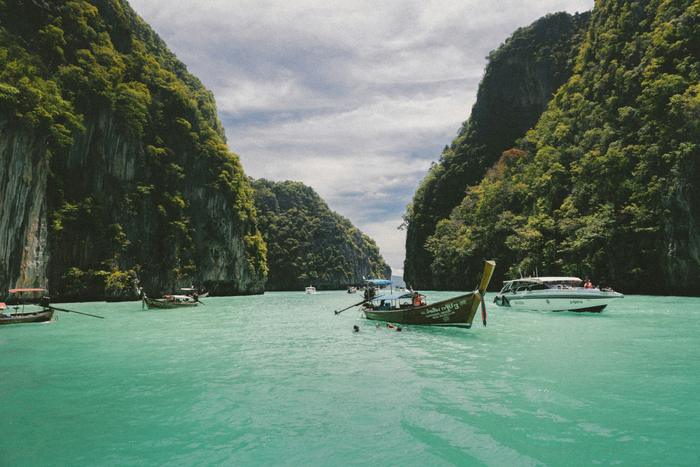
Thailand
The complete package for warm-climate travel.
Not sure where to go
Take the 5-minute quiz
Answer a few honest questions and get matched to destinations that actually fit how you travel.
Start the quiz