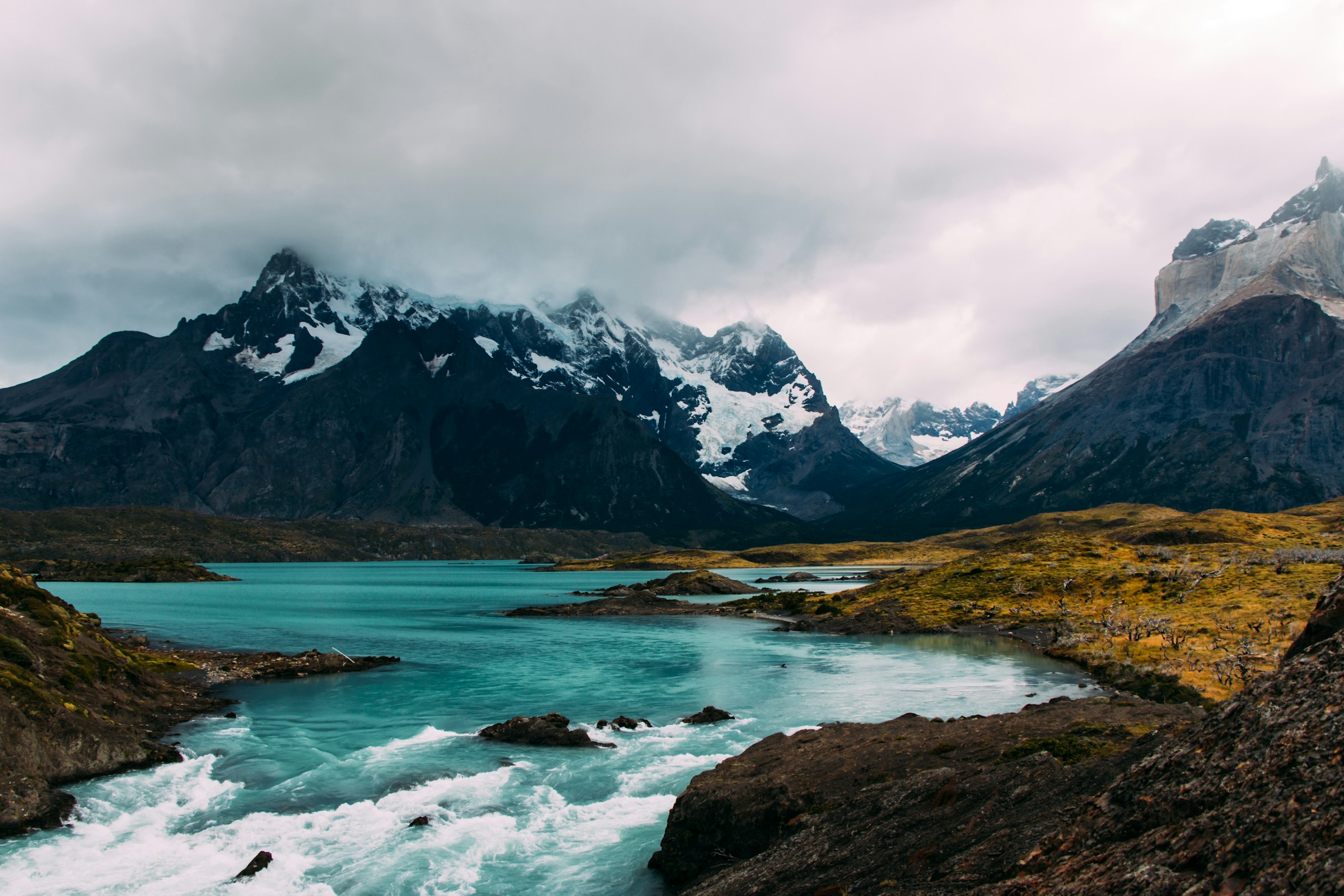
Patagonia rewards the long flight and the harder logistics. Torres del Paine is the famous trek; El Chalten and the Fitz Roy region are arguably more striking. The southern fjords by ferry are a separate experience entirely. Window is short (Nov-Mar) and weather is the dominant variable.
You fly into El Calafate or Punta Arenas and ride long-distance buses between hubs — distances are real, and a 'short hop' is five hours. El Chalten is the best base in the region: free trails straight out of town, with Laguna de los Tres as the brutal, perfect day hike. Torres del Paine needs refugio bookings months ahead. Evenings are asado, Malbec, and comparing wind stories. The money goes to refugios, park fees, and simply getting there.
The honest part: the wind is constant and occasionally knocks adults over, the clouds can hide Fitz Roy or the Torres for your entire stay, and nobody refunds the view. Refugio prices sting for what is essentially a bunk bed. Argentine currency logistics still reward carrying US dollars. If you need certainty from a trip, this place will punish you. If you can gamble a few days on weather, the payoff is the most dramatic terrain you will ever walk through.
Highlights
-
Torres del Paine (Chile)
The W trek or the longer O circuit. Book the refugios early.
-
El Chalten (Argentina)
Fitz Roy and Cerro Torre — day-hike base for serious peaks.
-
Perito Moreno Glacier
One of the few advancing glaciers — calving in real time.
-
Tierra del Fuego
The end of the road. Ushuaia, plus boats to Antarctica if you have $.
Practical info
- Visa
- Argentina/Chile — visa-free for most Western passports (90 days each).
- Currency
- ARS / CLP. USD useful for some payments.
- Language
- Spanish. Limited English outside tourism.
- Safety
- Very safe. Wind and weather are the real risks.
- Getting around
- Fly to El Calafate or Punta Arenas. Hire car or join organized treks.
- Tap water
- Tap water generally safe in towns.
- Plug type
- Type C Type I 220V
- Money
- Bring USD cash. Cards work in tourism but not always.
General guidance — visas, safety, and health change, so check your government's travel advisory and the official sources before you go.
Common questions
- When is the best time to visit Patagonia?
- Patagonia is at its best in November–March. It's best to avoid April, May, June.
- How many days do you need in Patagonia?
- Most trips run 2–6 weeks, depending on how much ground you want to cover.
- Is Patagonia expensive?
- Plan for mid-range – premium daily spend, depending on how you travel.
- Is Patagonia safe for travelers?
- Very safe. Wind and weather are the real risks.
- Do you need a visa for Patagonia?
- Argentina/Chile — visa-free for most Western passports (90 days each).
Compare Patagonia with
If you like Patagonia, also consider
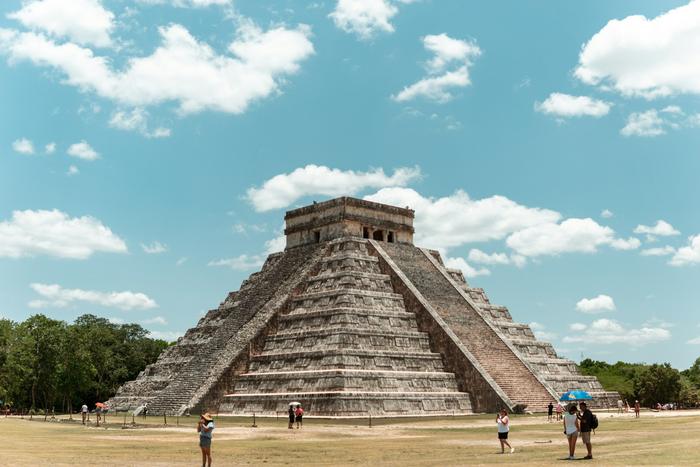
Mexico
Mexico City is world-class. Add the coast, ruins, and food culture.
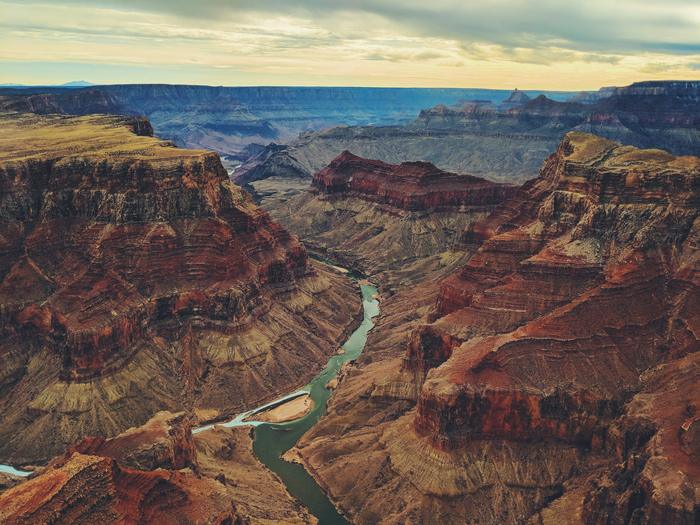
United States
A continent pretending to be a country — cities, deserts, and the best national parks anywhere.
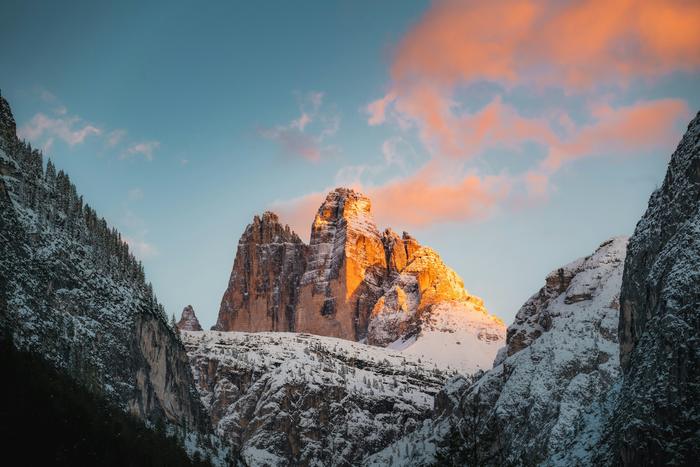
The Alps
The ski and alpine benchmark — every other mountain range is measured against this.

Australia
Vast, varied, relaxed. Reef, Sydney, and proper wilderness in one.
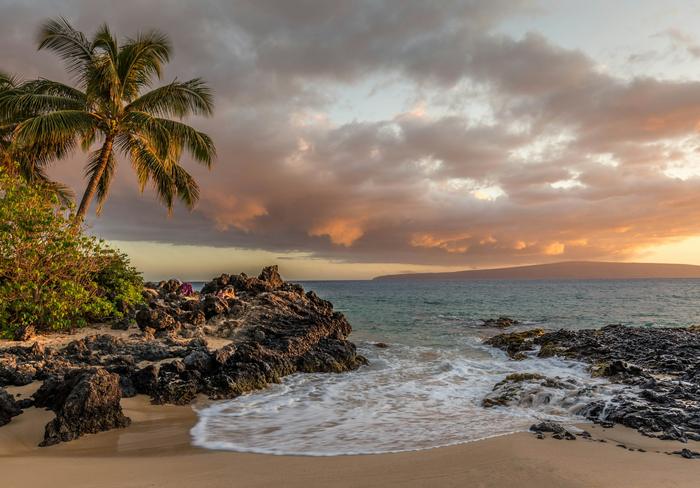
Hawaii
A handful of islands where the landscapes and the ocean genuinely earn the flight.
Not sure where to go
Take the 5-minute quiz
Answer a few honest questions and get matched to destinations that actually fit how you travel.
Start the quiz