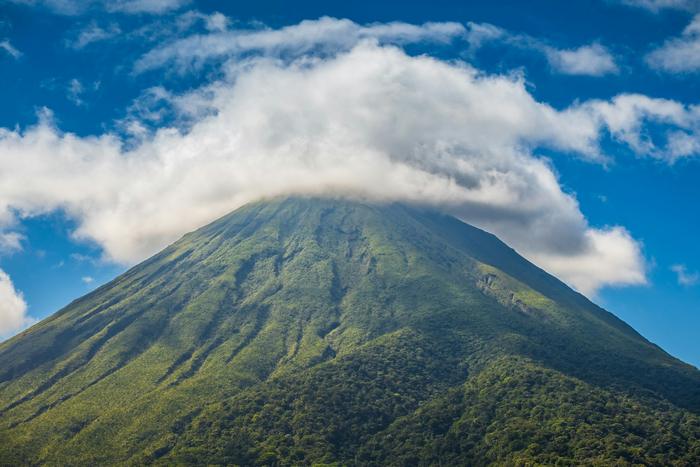
Two Pacific dream trips that are almost opposites. Hawaii is tropical beach-and-volcano islands a short hop off the US mainland — warm year-round, easy and relaxing, but expensive and increasingly reservation-gated. New Zealand is a temperate, long-and-slow adventure country on the far side of the ocean, built for campervans and multi-day hikes, with its seasons flipped. The similarities are real — both are Pacific, volcanic, outdoorsy, English-speaking and not cheap — but what you actually do, and when, pulls in opposite directions.
Both are Pacific bucket-list trips — but one is a relaxing warm beach week, the other a long, cool adventure.
Beach vs adventurewhat each is really forWarm water and snorkelling, or hiking, fjords and road-trips
A week vs a fortnighthow long each wantsCompact islands you relax on, or a long country you work through
Flipped seasonsthe calendar trapNZ summer is Dec–Feb; Hawaii is warm most of the year
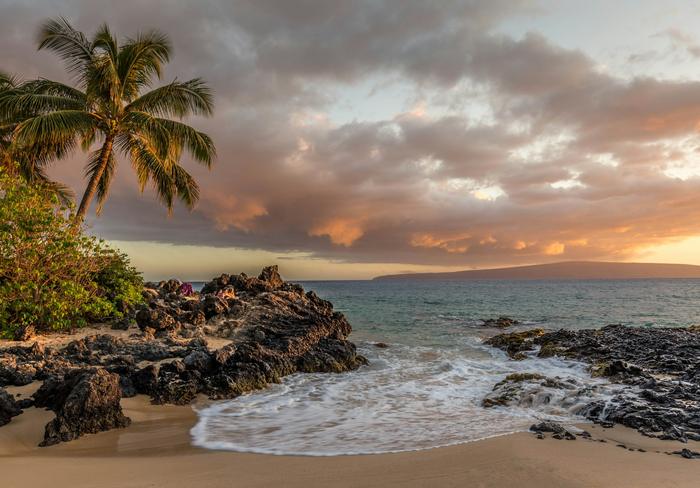
Hawaii is the warm, easy one: tropical beaches, volcanoes and snorkelling a short hop off the US mainland, relaxing and low-friction — at the cost of high prices and a growing list of sights (Hanauma Bay, Diamond Head, the Haleakalā sunrise) that now need a reservation booked before you arrive. New Zealand is the cool, epic one: a temperate adventure country of fjords, alpine passes and multi-day Great Walks, built for campervans — bigger, slower, cheaper at the budget end, and on the opposite seasonal calendar.
Be honest about what they share before splitting them: both are Pacific, both are volcanic, both are outdoorsy and English-speaking, and neither is cheap. But the resemblance stops at the shape of the trip. Hawaii you unpack once and relax into; New Zealand you pack and keep moving. The operational detail for each — Hawaii’s reservation systems and the ESTA, New Zealand’s NZeTA, the NZ$100 visitor levy and the Great Walks booking — lives on the two guides: Hawaii, know before you go and New Zealand, know before you go. This page is the head-to-head.
What each is
Six tropical islands, or two temperate giants
They are not the same kind of place in different weather — they are different trips entirely.
6 vs 2islands — and how you move between them
Hawaii is six distinct islands (Oʻahu, Maui, the Big Island, Kauaʻi, and the quiet pair Lānaʻi and Molokaʻi) linked by 30–50-minute flights — there is no general inter-island passenger ferry. New Zealand is two big islands, North and South, joined by the 3–3.5-hour Cook Strait ferry, each large enough to fill a fortnight on its own. In Hawaii you pick one or two islands and go deep; in New Zealand you pick one island and still leave things unseen.
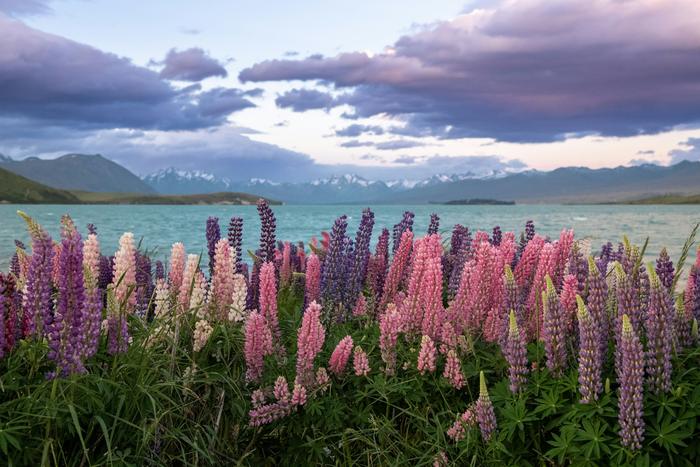
Hawaii’s draw is the water and the volcanoes. Warm, swimmable sea most of the year, world-class snorkelling and reefs, surf culture on the North Shore, the Haleakalā sunrise and the live lava of Kīlauea — all within short flights of one another. You do not "do Hawaii" in one trip; the classic first pairing is Oʻahu plus Maui, the nature-led alternative the Big Island plus Kauaʻi. New Zealand’s draw is the land. Fiordland’s sounds, the Southern Alps and Aoraki/Mount Cook, the Franz Josef and Fox glaciers, Queenstown’s adventure scene and dark-sky Lake Tekapo on the South Island; Rotorua’s geysers, the Tongariro volcanoes, Waitomo’s glowworms and the Bay of Islands on the North.
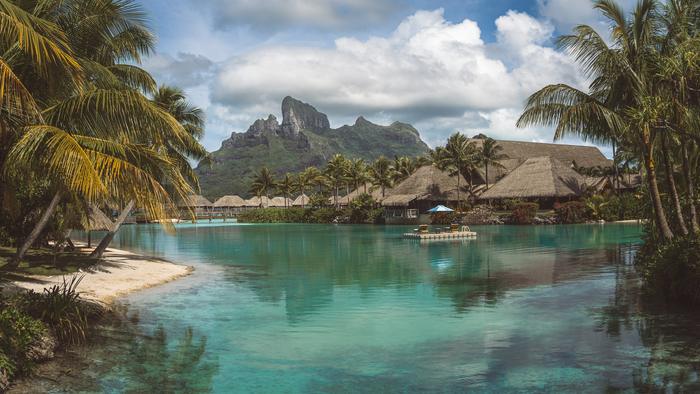
That is the cleanest way to decide: if the photo in your head is a beach, it is Hawaii; if it is a mountain, a fjord or an open road, it is New Zealand. Both have the other thing — Hawaii has serious volcano hikes, New Zealand has beaches — but each is a side dish on the other’s menu.
Hawaii
New Zealand
Shape
Six compact tropical islands
Two big temperate islands + a ferry
Move between
Short flights (no ferry network)
Hire car / campervan + Cook Strait ferry
The draw
Beaches, snorkelling, volcanoes, surf
Fjords, Alps, glaciers, Great Walks, geothermal
Climate
Warm, tropical, reliable year-round
Cool, temperate, fast-changing
Living culture
Native Hawaiian — aloha and mahalo
Māori — haka, pōwhiri, te reo
The trip
Unpack once and relax
Keep moving — tour the country
The full island-by-island breakdowns are on the country guides. Most Hawaii trips take one or two islands; most New Zealand trips take one island and leave the other for next time.
Entry & paperwork
Two very different front doors
Hawaii is US entry on an ESTA; New Zealand adds an NZeTA and a NZ$100 levy you pay before you fly.
ESTA ~$40Hawaii, for Visa Waiver travellersHawaii is a US state; valid two years; non-VWP nationals need a B-2 visa
NZeTA $17–23New Zealand, app or websiteValid two years; required for all air arrivals from waiver countries
NZ$100 IVLthe visitor levy Hawaii has no equal toTripled from $35 on 1 Oct 2024; paid together with the NZeTA
Hawaii is simply US entry. Because it is a US state, Visa Waiver Program travellers need an approved ESTA before boarding — the fee rose to about $40 in September 2025, and it is valid two years — while non-VWP nationals need a B-2 visitor visa instead. Domestic US travellers just fly in with a REAL ID-compliant ID, no passport. New Zealand asks for two things before you fly, bought together online: the NZeTA (about NZD $17 via the official app, $23 on the website, valid two years) and the International Visitor Conservation & Tourism Levy of NZD $100, which nearly tripled from $35 in October 2024. Australian citizens are exempt from both. Apply via immigration.govt.nz only — the clone sites overcharge.
So the paperwork tilts the way the rest of the trip does. For a traveller already in the US, Hawaii is the lower-friction, lower-cost door; for everyone, New Zealand adds a mandatory conservation levy that no US state charges. Neither is onerous, but sort both well before departure — turning up without them does not work.
New Zealand also runs serious biosecurity: declare all food and clean any hiking boots, tent or outdoor gear before you arrive, because the isolated island ecosystem is fiercely protected and fines for undeclared items are real. Hawaii’s equivalent is agricultural inspection on departure (you cannot freely take most fresh produce to the mainland) and a ban on taking lava rock or sand from the national parks.
When to go
Opposite hemispheres, opposite calendars
Hawaii is warm most of the year; New Zealand’s seasons are flipped — and that alone can decide the trip.
JFMAMJJASON
Hawaii — warm, drier summer (leeward sunniest)May – Oct
May – Oct
Hawaii — hurricane season (direct hits rare)Jun – Nov
Jun – Nov
NZ — summer peak: warm, busy, priciestDec – Feb
Dec – Feb
NZ — autumn, the quiet settled sweet spotMar – May
Mar – May
NZ — winter: South Island ski, alpine tracks closeJun – Aug
Jun – Aug
The crimson bars are the catches. Hawaii’s is the June–November Central Pacific hurricane season (peak Aug–Sep; direct hits are rare but passing systems bring swell and rain). New Zealand’s is the December–February summer peak — hottest, busiest and most expensive, and the only reliable window for the alpine Great Walks. The key fact: a July trip is high summer in Hawaii and deep winter in New Zealand.
Hawaii is the year-round option. It has two seasons rather than four — drier summer (May–Oct) and wetter winter (Nov–Apr) — and the sweet spot is the shoulder, April–May and September to early October, for the best mix of weather, crowds and price. Winter adds the humpback whales (Dec–May, best off Maui) and the huge, dangerous north-shore surf (Nov–Feb, spectacular to watch, lethal to swim). New Zealand’s calendar is upside down. Summer is December–February (warm, the busiest and priciest stretch, with late-December-to-January school holidays the crush); autumn, March–May, is the settled, quieter sweet spot; winter, June–August, is South Island ski season, when alpine tracks and some passes close to summer-style tramping.
The practical upshot is stark. Want warm weather in the northern summer? Hawaii delivers and New Zealand is in winter. Want New Zealand at its hiking best? That is its December–April Great Walks window — the northern winter, when Hawaii is also fine but wetter and whale-season. If your dates are fixed, that may settle the whole question before anything else does.
If a multi-day Great Walk is your centrepiece, New Zealand’s season is not just a weather note but a booking deadline: huts for the premier tracks (the Milford and Routeburn above all) open the preceding May and the best dates vanish within minutes — the Milford Track reportedly sells out in about half an hour. Hawaii has nothing on that clock, but its own headline sights are reservation-gated day by day; see the next sections.
Scale & distance
One you relax into; one you drive across
This is the difference people under-budget most — New Zealand is vastly bigger, and far more spread out.
About 9×New Zealand’s land area against Hawaii’s
New Zealand covers roughly 268,000 km² across its two main islands; Hawaii’s total land area is about 28,000 km² spread over six islands — so New Zealand is close to nine times larger. And it is long: about 1,600 km from the top of the North Island to the bottom of the South, before you add the winding, hilly roads that make drive times far exceed what a map suggests. Hawaii’s islands are each small enough to tour from one base; New Zealand is a country.
~28,000 km²Hawaii’s total land areaSpread across six islands you fly between
~268,000 km²New Zealand’s land areaAbout nine times Hawaii; two islands and a ferry
~1,600 kmNew Zealand end to endCape Reinga to Bluff — days of driving, not a hop
Hawaii’s scale works for you; New Zealand’s works against the clock. On a single Hawaiian island you can base in one place and reach most of what you came for in day-trips — the islands are compact and the distances short. New Zealand is the opposite: single destinations like Milford Sound can be multiple hours each way from the nearest town, the two islands are a sea crossing apart, and the roads are slow enough that you average well under 100 km/h on many routes. The classic first-timer’s mistake is trusting straight-line distances and trying to see both islands in ten days.
That is why the length-of-trip answer differs so sharply. A week suits Hawaii — one island, relaxed, with a short flight if you add a second. New Zealand really wants two weeks or more, and even then most people do one island well rather than rush both. If your holiday is a week, that is almost an argument for Hawaii on its own; if it is three, New Zealand has the room to earn them.
Cost
Both pricey — but only one has a budget floor
They are both expensive by instinct, yet they are expensive in different ways, and New Zealand has the lower floor.
Hawaii is expensive with little genuine budget tier. Island isolation pushes food, fuel and lodging well above the US mainland — nearly everything is shipped in — and a rental car plus accommodation dominates most budgets. Expect a lodging tax of around 18%: the state accommodations tax rose to 11% on 1 January 2026, the extra 0.75 point a first-in-the-nation "green fee" for climate protection, on top of a county tax and the general excise tax passed on to you. Tipping is the US norm, 18–20%. New Zealand is mid-to-high, but a real budget tier exists: campervans, hostels, holiday parks, DOC campsites and self-catering keep a careful trip accessible, and tipping is not expected. Set against that are the NZ$100 visitor levy and the higher park and hut fees that overseas visitors pay.
So the honest comparison is this: a budget-minded trip is possible in New Zealand and barely is in Hawaii. At the top end they converge — a Hawaiian resort and a Queenstown luxury lodge are both eye-watering — but the floor is lower in New Zealand because you can sleep in a van, cook your own food and camp on conservation land. We keep exact daily figures off this page because they go stale within a season; the shape of the difference is what lasts.
Hawaii
New Zealand
Budget floor
Little real budget tier
Genuine — campervans, hostels, DOC campsites
What lifts prices
Island isolation — food, fuel, lodging shipped in
Remote-area food, fuel and adventure activities
Tourist charges
Lodging tax ~18% (incl. 2026 green fee); ESTA ~$40
NZ$100 IVL + NZeTA; higher park fees for visitors
Tipping
US norm, 18–20%
Not expected
Top end
Resort prices among the highest anywhere
Luxury lodges match it — but you can go far cheaper
Structural comparison only — flights, lodging, car and campervan hire all move, so the live figures sit on the country guides. The durable rule: Hawaii has no true budget end; New Zealand does.
A quiet cost that catches first-timers: in both places the rental vehicle is a bigger line than they expect. In Hawaii you may hire a car on each island you visit (there is no ferry to drive between them); in New Zealand a campervan doubles as your bed but books out in the December–February peak, and taking a vehicle on the Cook Strait ferry needs its own reservation ahead.
Getting around
Island-hop flights, or a campervan road-trip
The way you travel is the holiday — a flying archipelago versus a long drive with a ferry in the middle.
30–50 minthe Hawaiian island-hop flight — New Zealand drives for days
Hawaii is a flying archipelago: with no general inter-island ferry (the Superferry ended in 2009), you hop between islands on a 30–50-minute flight, and within each island a hire car is effectively essential — bar Oʻahu, where TheBus and the new Skyline rail (now reaching Honolulu’s airport) make a car-free trip possible. New Zealand is a drive: a hire car or campervan is all but required, inter-regional transport is thin, and the two islands connect by the 3–3.5-hour Cook Strait ferry (Wellington–Picton), whose ageing fleet had breakdowns in 2026.
In Hawaii, the sea divides and the air connects. You treat each island-hop as a mini-flight with its own check-in, and you drive once you land — there is simply no network of boats to island-hop by (only the Maui–Lānaʻi passenger ferry survives). In New Zealand, you drive almost everything. The campervan is the national default, the Cook Strait crossing is the one sea leg, and the single biggest planning error is time: winding, hilly roads, one-lane bridges, unsealed sections and alpine passes that demand chains in winter all mean drives take far longer than the map suggests. For long hops like Auckland–Queenstown a domestic flight saves a multi-day drive.
That difference maps straight onto temperament. If the idea of a two-week drive with a different bed every few nights sounds like the holiday, New Zealand is built for it. If it sounds like work, Hawaii lets you unpack once, swim, and take a short flight only if you want a second island. The full drive-time cautions and the car-free exceptions are on the country guides.
Getting around
Hawaii
New Zealand
Between the big pieces
Fly 30–50 min between islands
Cook Strait ferry ~3–3.5 h; domestic flights for long hops
On the ground
Hire car essential (except Oʻahu)
Hire car or campervan — the entire trip
Car-free possible?
Only Oʻahu — TheBus and Skyline rail
Barely — inter-regional transport is limited
The catch
No inter-island passenger ferry
Drive times far exceed the map; book ferry vehicle space
Hawaiian Airlines (merged with Alaska) plus Southwest and Mokulele fly the inter-island hops; New Zealand’s Interislander and Bluebridge run the Cook Strait ferry, with Air NZ and Jetstar on the domestic routes. Checked October 2026.
Drive on different sides. Hawaii follows the US — you drive on the right, plugs are Type A/B at 120V, the currency is the US dollar. New Zealand drives on the left, uses Type I plugs at 230V and the New Zealand dollar. It is a small thing until the first roundabout; give yourself a careful first hour behind the wheel in whichever one is not your home side.
Culture
Aloha, and a living Māori culture
Both wear an indigenous culture at the centre of the trip — and in both it is living, not museum-piece.
This is where the two places rhyme more than they differ. Hawaii’s Native Hawaiian culture runs through everything a visitor meets: the words aloha and mahalo that open every door, the lūʻau feast built around kālua pig slow-roasted in an underground imu, and the ethic of mālama — caring for a place — that the islands now ask of visitors (stay on trails, keep well back from honu and monk seals, use reef-safe sunscreen, which is the law). New Zealand’s Māori culture is equally central and equally alive: te reo Māori is an official language, the haka is performed with pride, a pōwhiri (formal welcome) and a hāngī (an earth-oven feast) are things visitors genuinely encounter, and the Treaty of Waitangi of 1840 is the nation’s founding document. Treat tapu and sacred sites — a heiau in Hawaii, a tapu site or Mauna Kea itself — with the same respect in both.
The food follows the same pattern of parallel-but-different. Hawaii is a multi-ethnic melting pot where the best eating is cheap and local — plate lunch, poke, Spam musubi, shave ice, malasadas, Kona coffee. New Zealand eats off a clean-green larder — green-lipped mussels, Bluff oysters, lamb, pavlova and hokey-pokey ice cream, a serious flat-white coffee culture and genuinely world-class wine (Marlborough Sauvignon Blanc, Central Otago Pinot Noir). Both reward you for eating where the locals do rather than where the resort points.
The flat white; Marlborough and Central Otago wine
A genuine similarity worth noticing: both signature feasts are earth-oven cooking — Hawaii’s imu and New Zealand’s hāngī are cousins, an old Pacific technique on either side of the ocean.
Both are welcoming, safe, English-speaking places, and both ask something back. Hawaii’s is explicit — "residents first," tread gently, especially on Maui where the 2023 Lahaina wildfire is still being rebuilt. New Zealand’s is environmental — fierce biosecurity, Leave No Trace on the tracks, and respect for tapu. Arrive as a guest in both and the aloha and the manaakitanga (hospitality) are real.
Who suits which
Who each actually suits
Not better or worse — a warm beach holiday versus a cool adventure one, and on several rows the answer inverts.
Read the inversions, not the totals. New Zealand is the bigger, more varied destination by most measures — yet if you want warm water, a relaxing week, beaches with your children, or a trip timed to the northern summer, Hawaii wins outright, and its long-haul rival loses for you. The reverse is just as true: Hawaii is easier and warmer, but if you want hiking, a campervan road-trip, a ski season or a careful budget, New Zealand takes it. Pick the row that matches your trip and let it decide — the overall "winner" is the wrong question.
If you want…
Hawaii
New Zealand
Warm beaches and snorkelling
Wins clearly. Warm water, year-round
Cooler seas — not the point
Hiking and big scenery
Volcanoes and dramatic coast
Wins clearly. Fjords, Alps, Great Walks
A short, easy, relaxing trip
Wins. A week is plenty
Long and slow — a week barely starts it
A road-trip or campervan adventure
Island-hop by short flight instead
Wins. Built for driving and camping
Warm weather in Jun–Aug
Wins. Northern-summer warmth
That’s NZ winter — ski season
A ski trip
No skiing
Wins. South Island winter, Jun–Aug
The lower budget floor
Little budget tier
Wins. Campervans, hostels, DOC sites
A short hop from the US mainland
Wins. ESTA and a few hours’ flight
Long-haul across the Pacific
Doing both
Far apart — but they chain
Honestly, this is an awkward pairing on a map — yet Hawaii is the classic break on the long haul south.
~8–9 hrsHonolulu to Auckland, across the equator and the date line
These two are not a quick hop between — a flight from Honolulu to Auckland runs roughly 8–9 hours, crossing both the equator and the international date line. But Hawaii is one of the great stopover destinations en route between North America and New Zealand or Australia, which makes pairing them a sensible way to break the journey rather than a detour.
So the honest verdict on doing both: do not plan them as two equal halves. Their rhythms and seasons are too different — one is a warm, slow beach week, the other a cool, moving adventure, and when it is summer in one it is winter in the other. The shape that actually works is a few relaxed beach days in Hawaii bolted onto a longer New Zealand road-trip, using Hawaii as the stopover it naturally is on the flight south. Let each be what it is: decompress in Hawaii, then get moving in New Zealand (or the reverse on the way home).
If you only have one trip’s worth of time and cannot decide, the distance is the deciding fact — unlike two neighbouring islands, these do not combine casually. Choose the one that matches your dates and your temperament, and treat the other as a reason to come back.
Mind the seasons when you chain them. A northern-summer departure (June–August) gives you warm, prime Hawaii — and lands you in New Zealand’s winter, good for skiing but not for a summer-style tramping trip. A northern-winter departure (December–February) hits New Zealand’s summer peak, best for the Great Walks and the long daylight, while Hawaii is in its wetter, whale-and-surf season. You cannot have both at their best on one journey.
What we leave out
What you give up, and what we leave out
Every choice here is a trade — and a few things we deliberately keep off the page.
Choose Hawaii and you give up the fjords and the Alps, the multi-day Great Walks, the campervan freedom and the budget floor, the ski season — and you accept reservation-gated sights and prices with no real cheap end. Choose New Zealand and you give up reliably warm water and easy beach days, the short US-side flight, the unpack-once ease of a compact island, and a trip that works in a single week; you accept cooler, changeable weather, long drives and a flipped calendar. Neither list is a flaw — it is just the other trip, not taken.
What we leave out on purpose is exact prices beyond the structural comparison: flights, lodging, car and campervan hire all move faster than we could keep them accurate, so the figures here are the shape of the difference, not a quote. Two things change in particular and should be re-checked before you travel: Hawaii’s reservation systems and the ESTA fee, and New Zealand’s visitor levy and Great Walks booking dates. The live detail sits on the country guides — Hawaii and New Zealand.
One last honest note: both are long flights for most of the world, both are expensive, and both reward respect for the place and its people. If that rules neither out, let the single clearest fact — your dates, your budget floor, or whether the photo in your head is a beach or a mountain — make the call.
Hawaii or New Zealand, month by month
Which of the two is the better bet for each month of the year, scored on
how well the season suits each place.
You want adventure and scenery — hiking, fjords, glaciers, volcanoes, a campervan road-trip — over beach days.
You have two weeks or more; the country is long and slow and rewards the time.
You want the lower budget floor — campervans, hostels, holiday parks and DOC campsites.
A ski trip or the summer Great Walks is the goal, and you will plan around the flipped seasons.
Common questions
Is Hawaii or New Zealand better for a beach holiday?
Hawaii, clearly — it’s a warm-water, beach-and-snorkelling destination you can enjoy year-round, and a relaxing week is enough. New Zealand has beaches, but it’s a cooler, temperate country whose draw is adventure and scenery — hiking, road-trips, fjords and volcanoes — not lying on the sand.
When should I go to Hawaii vs New Zealand?
They’re on opposite calendars. Hawaii is good much of the year (shoulder April–May and September–October are the sweet spot; hurricane season runs June–November but direct hits are rare). New Zealand’s seasons are flipped — its summer is December–February (peak), with autumn (March–May) the quieter sweet spot and winter the South Island ski season. If you want warm weather in, say, July, Hawaii delivers and New Zealand is in winter.
How long do you need for each?
A week suits Hawaii — the islands are compact and the trip is relaxed, with short flights between islands (there’s no ferry network). New Zealand really wants two weeks or more: it’s a long, mountainous country about nine times Hawaii’s size, where drives take far longer than the map suggests, and the sights are spread across two islands joined by a 3–3.5-hour ferry.
Is Hawaii or New Zealand cheaper?
New Zealand has the lower floor. Hawaii is expensive with little genuine budget tier — island isolation pushes food, fuel and lodging well above the US mainland, and the lodging tax is now around 18%. New Zealand is mid-to-high, but a real budget tier exists (campervans, hostels, holiday parks, DOC campsites), so a careful trip costs less than Hawaii, even after the NZ$100 visitor levy.
Can you combine Hawaii and New Zealand?
They’re far apart — roughly 8–9 hours’ flying, across the equator and the date line — but they combine naturally as a Pacific multi-stop, with Hawaii a classic stopover en route between North America and New Zealand. The sensible shape is a few relaxed beach days in Hawaii bolted onto a longer NZ road-trip, not two equal halves — their rhythms and seasons are too different, and when one is in summer the other is in winter.