Australia vs New Zealand

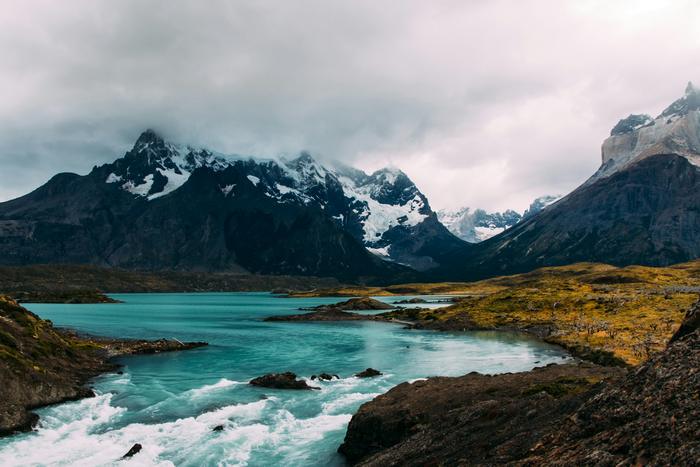
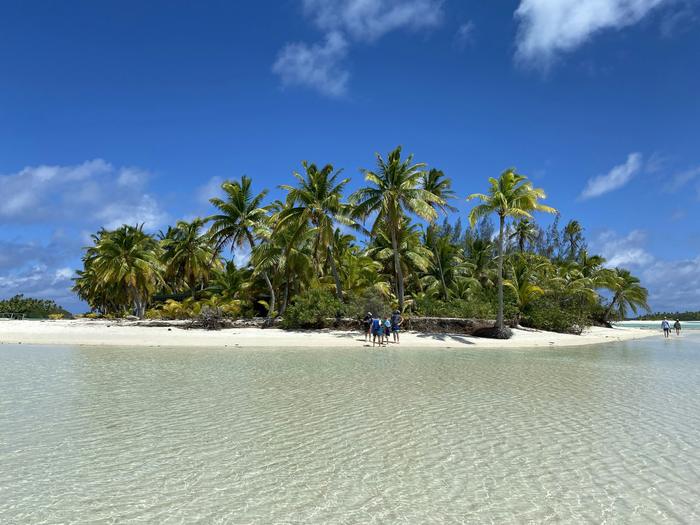
The classic Antipodean choice. Australia is a vast, warm, various continent — reef, outback, cities and wine, spread so far you fly between regions. New Zealand is compact and cooler — two islands packed with mountains, fjords, glaciers and adventure, drivable end to end, where the scenery is relentless.

Oceania

Australia

Vast, varied, relaxed. Reef, Sydney, and proper wilderness in one.

Best time to visit
  1. January: peak
  2. February: peak
  3. March: peak
  4. April: peak
  5. May: fine
  6. June: avoid
  7. July: avoid
  8. August: fine
  9. September: fine
  10. October: peak
  11. November: peak
  12. December: peak
Peak Fine Avoid
Oceania

New Zealand

Fjords, volcanoes, glaciers, beaches — in one country.

Best time to visit
  1. January: peak
  2. February: peak
  3. March: peak
  4. April: fine
  5. May: fine
  6. June: avoid
  7. July: avoid
  8. August: avoid
  9. September: fine
  10. October: fine
  11. November: peak
  12. December: peak
Peak Fine Avoid

Read our full guides about Australia and New Zealand.

Side by side

Emphasised where they differ. Muted rows are much the same either way.

Australia New Zealand
Best time October–April November–March
Climate warm mild
Budget Expensive, and vast — the flights between regions are a real line item Expensive — but compact, so you drive rather than fly between sights
Trip length 2–6 wks 3–8 wks
Visa eVisitor or ETA required for most Western passports — apply online. NZeTA required for visa-waiver travelers; apply online before travel.
Currency AUD (Dollar). Roughly 1.5 AUD ≈ 1 USD. NZD (Dollar). Roughly 1.7 NZD ≈ 1 USD.
Language English. English (and Maori).
Tap water Tap water safe. Tap water safe.
Safety Very safe. Wildlife (jellyfish, sharks, snakes) overhyped but real. Very safe. Weather and outdoor activities are the real risks.

General guidance — visas, safety, and health change, so check your government's travel advisory and the official sources before you go.

The split

A warm continent, or scenic two islands

Both are Antipodean dreams — but one is vast and warm, the other compact and dramatic.

Continent vs two islandsthe scale of eachFly between regions, or drive two islands end to end
Warm vs coolerthe climateReef-and-outback warmth, or cool-climate mountains and fjords
Range vs scenerywhat each is really forVaried breadth, or relentless dramatic landscape

Australia is the vast, warm, varied continent: the Great Barrier Reef, the outback, big cities, wine and beaches, spread so far apart that you fly between regions and choose a few. New Zealand is the compact, cooler two islands: mountains, fjords, glaciers and adventure sports, drivable end to end in a road trip where the scenery never lets up. Warm breadth, or dramatic, cool-climate landscape.

The operational detail for each — Australia’s visa split and reef charge, New Zealand’s NZeTA and visitor levy — lives on the two guides: Australia, know before you go and New Zealand, know before you go. This page is the head-to-head.

Who suits which

Who each actually suits

Warm-and-various or cool-and-scenic — so these rarely invert.

If you want…AustraliaNew Zealand
Range — reef, outback, cities, wineWins clearly. A whole continentSmaller, scenery-focused
Relentless mountain-and-fjord scenerySpread thin across a continentWins clearly. Everywhere you drive
Warm weather and beachesWins. Warm and coastalCooler — a different climate
A compact, drivable road tripBig — you fly a lotWins. Two islands end to end
Unique wildlifeWins. Found nowhere elseBirds and marine life, narrower
Adrenaline and hikingPlenty, but spread outWins. The adventure-sport capital

Doing both

The classic Antipodean two-in-one

Close neighbours — a natural pairing.

They pair as naturally as any long-haul trip — around a three-hour flight apart — and a combined Antipodean journey is a classic: Australia’s reef, outback and cities alongside New Zealand’s mountains and fjords. Each fills its own time, so it’s a longer-trip combination. Both are Southern Hemisphere, so remember the seasons are reversed (their summer is December–February), and each needs its own pre-trip authority (Australia’s ETA/eVisitor, New Zealand’s NZeTA with its visitor levy).

What we leave out

What we deliberately leave out

Exact prices and the moving pieces — Australia’s reef charge and departure tax, New Zealand’s visitor levy (recently raised) — change within a season, so the figures here are the shape of the gap, not a quote; the country guides carry the live detail.

Australia or New Zealand, month by month

Which of the two is the better bet for each month of the year, scored on how well the season suits each place.

Which to choose

Choose Australia if:

  • You want range and warmth — the reef, the outback, big cities, wine, beaches.
  • A continent to sample over a big trip appeals, and you’ll fly between regions.
  • Warm weather and unique wildlife matter more than mountain scenery.

Choose New Zealand if:

  • You want relentless scenery and adventure — mountains, fjords, glaciers — drivable end to end.
  • A compact road-trip of two islands suits you better than a continent.
  • Hiking, adrenaline sports and dramatic landscapes are the whole point.

Common questions

Is Australia or New Zealand a bigger trip?
Australia, by far — it’s a continent the size of the mainland US, so you fly hours between regions and realistically pick two or three (reef, a city, the outback). New Zealand is compact: two islands you can drive end to end in a classic road trip, with the scenery changing constantly. A sprawling, fly-between continent, or a tight, drivable two-island loop.
Is Australia or New Zealand better for scenery vs warmth?
New Zealand is the scenery trip — mountains, fjords (Milford Sound), glaciers, lakes and adventure sports, relentlessly dramatic and best explored by car. Australia is warmer and more various — the Great Barrier Reef, the outback, beaches, cities and wine — but its icons are spread across a continent. Dramatic cool-climate scenery, or warm, varied breadth.
What are the entry rules for Australia and New Zealand?
Both require a pre-trip authority. Australia uses the free eVisitor (European passports) or the app-based ETA with an AUD 20 service fee (US, Canada, etc.). New Zealand uses the NZeTA, which also bundles the International Visitor Conservation and Tourism Levy (IVL) — a tourist levy that recently rose. Both are quick online formalities, but neither country is visa-free.
Should I combine Australia and New Zealand?
Very naturally — they’re close neighbours, a three-hour-ish flight apart, and a combined Antipodean trip is one of the classic long-hauls: Australia’s reef, outback and cities alongside New Zealand’s mountains and fjords. Each fills its own time, so it’s a longer-journey pairing; both are Southern Hemisphere, so the seasons are reversed (their summer is December–February).


Still undecided

Take the quiz

Three matches. Often answers comparison questions for you.

Start the quiz