Fiji
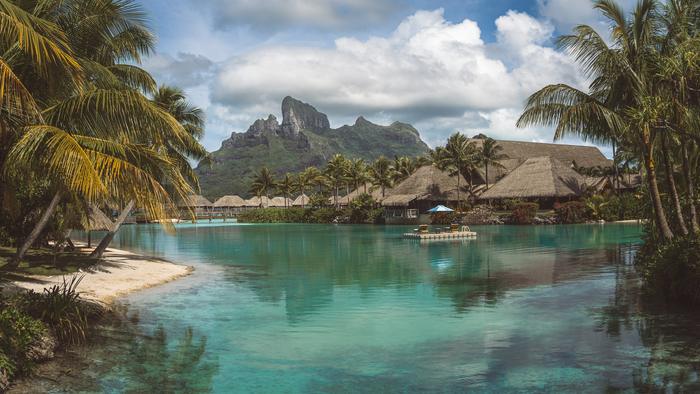
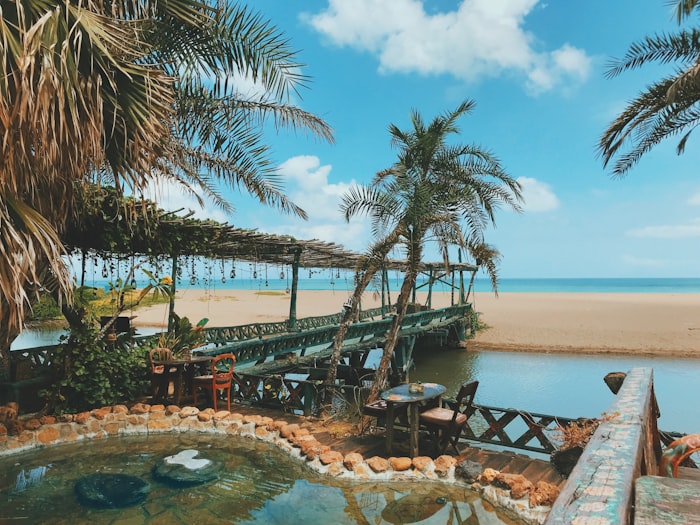
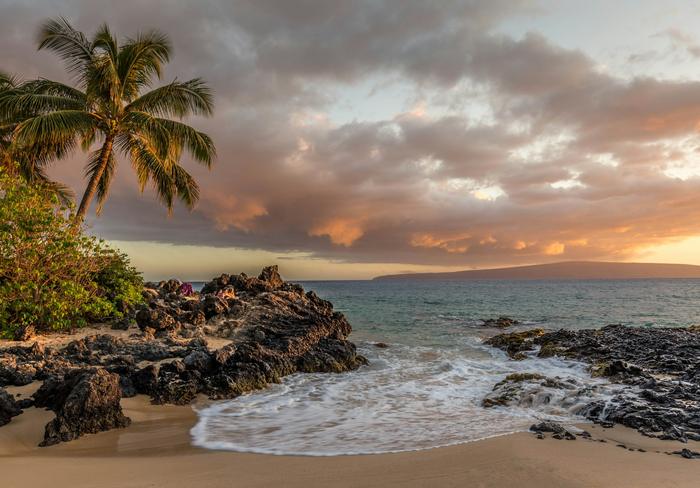
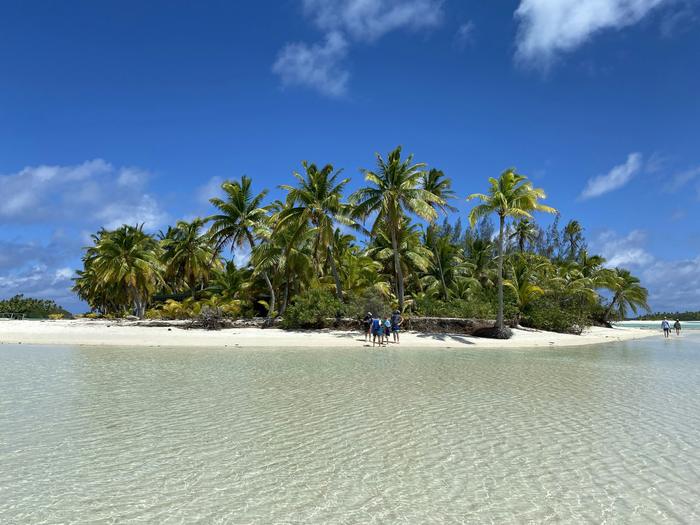
Reef diving, island-hopping, and a country that takes hospitality seriously.
- January: avoid
- February: avoid
- March: avoid
- April: fine
- May: peak
- June: peak
- July: peak
- August: peak
- September: peak
- October: peak
- November: fine
- December: avoid
Neighbours across a short stretch of the Pacific, offering opposite holidays. Fiji is warm, secluded seclusion — a one-resort-per-island water world of reefs and barefoot rest, where you stay put and switch off. New Zealand is cool, relentless scenery and adventure — mountains, fjords, glaciers and adrenaline sports across two drivable islands, where you move and do.
Reef diving, island-hopping, and a country that takes hospitality seriously.
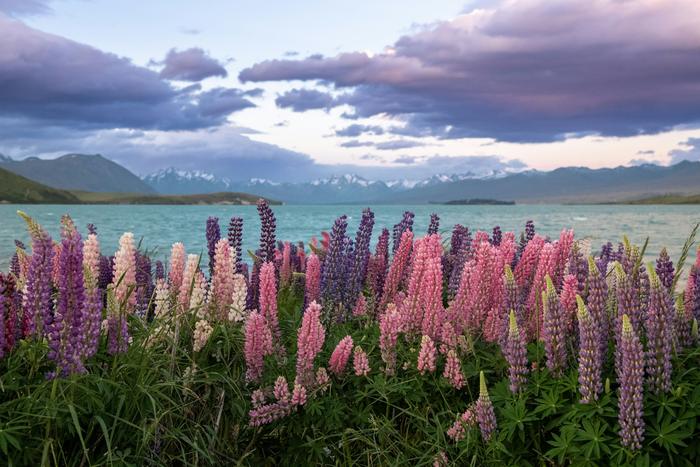
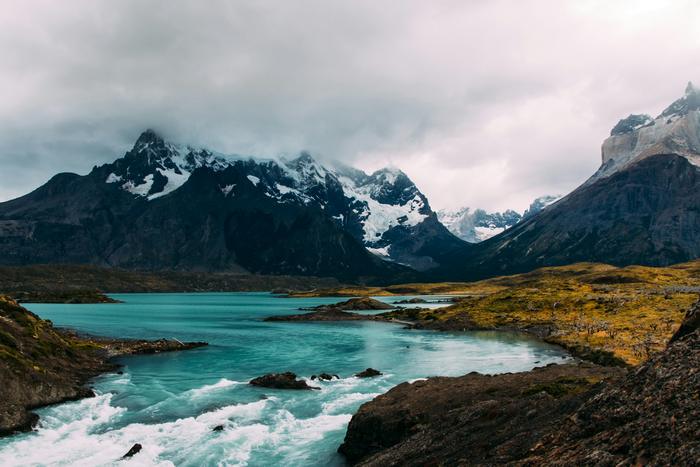
Fjords, volcanoes, glaciers, beaches — in one country.
Read our full guides about Fiji and New Zealand.
Emphasised where they differ. Muted rows are much the same either way.
| Fiji | New Zealand | |
|---|---|---|
| Best time | May–October | November–March |
| Climate | warm | mild |
| Budget | A wide spread — backpacker Yasawas to barefoot-luxury, with captive resort meal-plan pricing | Expensive — but compact, so you drive rather than fly between sights |
| Trip length | 1–2 wks | 3–8 wks |
| Visa | Visa-free for most Western passports (typically four months on arrival). Verify before travel. | NZeTA required for visa-waiver travelers; apply online before travel. |
| Currency | FJD (Fijian Dollar). | NZD (Dollar). Roughly 1.7 NZD ≈ 1 USD. |
| Language | Fijian, Fiji Hindi, and English. | English (and Maori). |
| Tap water | Tap water safe in resorts and main towns; ask on remote islands. | Tap water safe. |
| Safety | Generally safe and relaxed. Sun, currents, and reef cuts are the real hazards. | Very safe. Weather and outdoor activities are the real risks. |
General guidance — visas, safety, and health change, so check your government's travel advisory and the official sources before you go.
The split
Neighbours, opposite holidays — one is warm and restful, the other cool and active.
Fiji is warm seclusion: a one-resort-per-island water world of soft-coral reefs and barefoot rest, where you stay put and switch off. New Zealand is cool adventure: mountains, fjords, glaciers and adrenaline sports across two drivable islands, where the scenery is relentless and you keep moving. Warm rest, or cool, active landscape.
The operational detail — Fiji’s departure tax and dry-season/cyclone window, New Zealand’s NZeTA and visitor levy and seasons — lives on the two guides: Fiji, know before you go and New Zealand, know before you go. This page is the head-to-head.
Who suits which
Warm-and-restful or cool-and-active — so these rarely invert.
| If you want… | Fiji | New Zealand |
|---|---|---|
| Warm water and a reef | Wins clearly. Tropical and soft coral | Cool, not for swimming |
| Dramatic mountain-and-fjord scenery | Flat tropical islands | Wins clearly. Relentless |
| Total seclusion and rest | Wins. A resort island | Active by nature |
| A drivable road-trip of activity | Stay-put by design | Wins. Two islands end to end |
| Adrenaline sports and hiking | Diving and snorkelling | Wins. The adventure capital |
| A pure switch-off week | Wins. Built for it | Too much to do |
Doing both
A short flight apart — a natural warm-plus-cool pairing.
They pair naturally: New Zealand’s cool, active road-trip as the main event, then Fiji as a warm island to decompress — a short flight from Auckland. Each wants its own time (a New Zealand loop, a restful Fijian week), and the contrast is the appeal: relentless scenery and adventure, then warm water and rest. Time the Fiji half to the dry season (May–Oct), noting New Zealand’s reversed seasons.
What we leave out
Exact prices and the moving pieces — Fiji’s departure tax and resort meal-plan costs, New Zealand’s visitor levy (recently raised) and seasonal rates — change within a season, so the figures here are the shape of the gap, not a quote; the country guides carry the live detail.
Which of the two is the better bet for each month of the year, scored on how well the season suits each place.
Still undecided
Three matches. Often answers comparison questions for you.
Start the quiz