Tunisia
Rome-grade ruins, real Sahara, and blue-and-white coast — a cheap hop from Europe.
Tunisia packs an unlikely amount of the ancient world into a small, cheap country an hour or two from southern Europe. You get Roman amphitheatres you can climb, a Sahara you can actually sleep in, whitewashed Mediterranean towns above the sea, and the desert sets where Star Wars was filmed. Base near Tunis, then range south into the dunes.
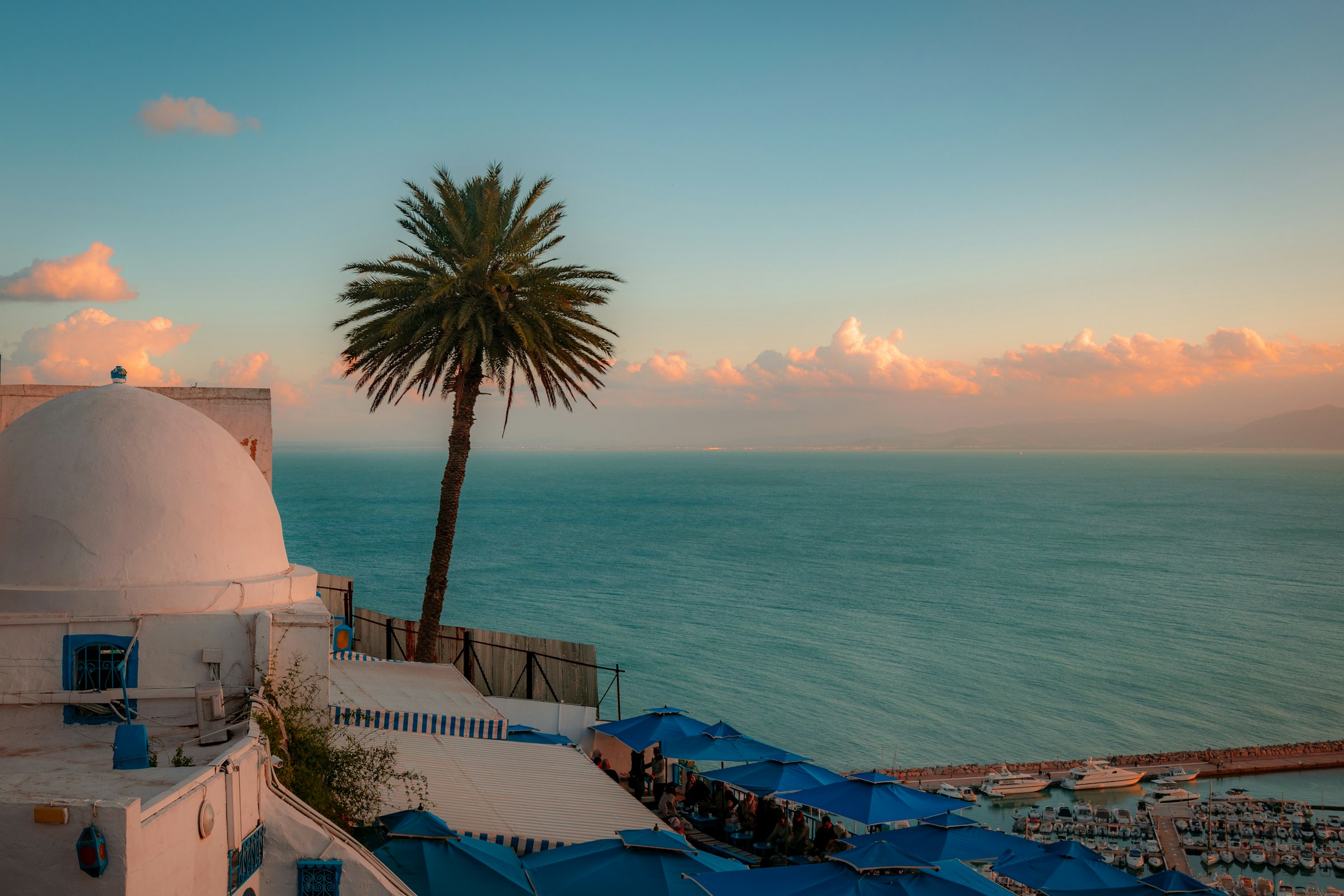
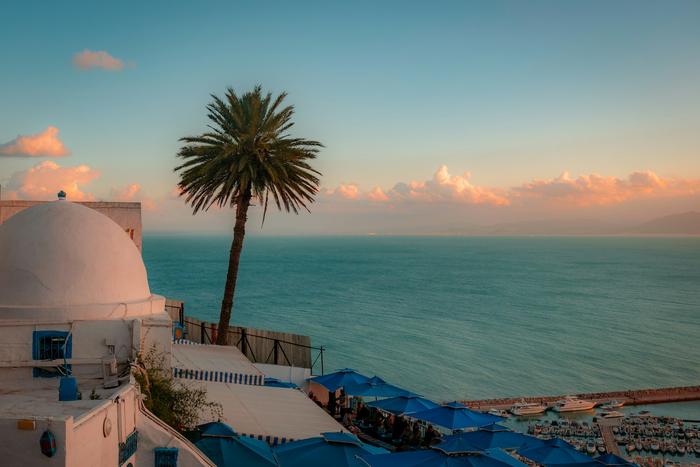
Base yourself near Tunis and the range is remarkable for the distance you cover. Sidi Bou Said tumbles blue-and-white above the Mediterranean, ancient Carthage sits on the same headland, and El Djem's amphitheatre rivals the Colosseum for a fraction of the crowds. Push south and the country changes entirely: the Sahara around Douz and Ksar Ghilane, camel treks and a night under the dunes, Matmata's troglodyte homes and the Star Wars sets, and the holy city of Kairouan with its Great Mosque. A lot of ancient world, all on a rock-bottom budget.
The honest part: some southern and western border regions near Libya and Algeria carry travel advisories, so check them and steer clear. The big coastal resort strips like Hammamet and Sousse are package-generic and could be almost anywhere. Little English is spoken, so a bit of French or Arabic really helps. But the trade-off is hard to beat — Rome-grade ruins, real desert, and Mediterranean coast at prices southern Europe forgot, an hour or two from home.
Highlights
-
Sidi Bou Said & Carthage
The blue-and-white cliff town above Tunis, next to the ruins of ancient Carthage.
-
El Djem
A vast, remarkably intact Roman amphitheatre — climb it with barely a crowd.
-
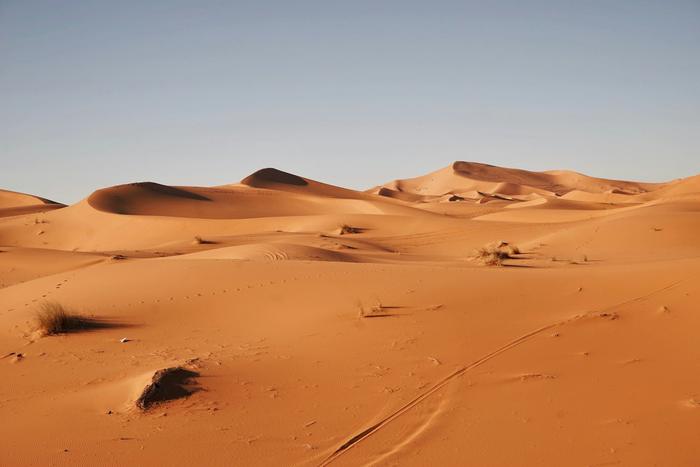
The Sahara (Douz / Ksar Ghilane)
Dunes and camel treks; sleep out in the desert under the stars.
-
Star Wars sets
Matmata's troglodyte homes and the Ong Jmel sets, deep in the south.
-
Kairouan
A holy Islamic city built around its Great Mosque.
-
Djerba
A laid-back island of whitewashed villages and long beaches.
Practical info
- Visa
- Visa-free for most Western passports (90 days). Verify before travel.
- Currency
- TND (Tunisian Dinar).
- Language
- Arabic and French; little English spoken.
- Safety
- Tourist areas and the main sights are fine with normal caution, but check government advisories and avoid the remote southern and western border regions near Libya and Algeria.
- Getting around
- Louage shared taxis and trains link the cities; take an organised tour or a driver for the desert.
- Tap water
- Drink bottled water.
- Plug type
- Type C Type E 230V
- Money
- Cash (Dinar; note it cannot be taken out of the country); cards work in hotels.
General guidance — visas, safety, and health change, so check your government's travel advisory and the official sources before you go.
Common questions
- When is the best time to visit Tunisia?
- Tunisia is at its best in April–June, September, October.
- How many days do you need in Tunisia?
- Most trips run 1–2 weeks, depending on how much ground you want to cover.
- Is Tunisia expensive?
- Plan for backpacker – budget daily spend, depending on how you travel.
- Is Tunisia safe for travelers?
- Tourist areas and the main sights are fine with normal caution, but check government advisories and avoid the remote southern and western border regions near Libya and Algeria.
- Do you need a visa for Tunisia?
- Visa-free for most Western passports (90 days). Verify before travel.
Compare Tunisia with
If you like Tunisia, also consider
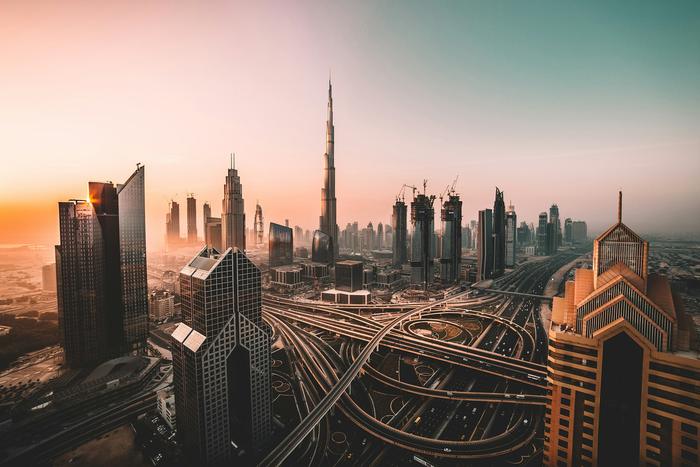
United Arab Emirates
Dubai and Abu Dhabi: superlatives, desert, and a stopover worth a few days of its own.
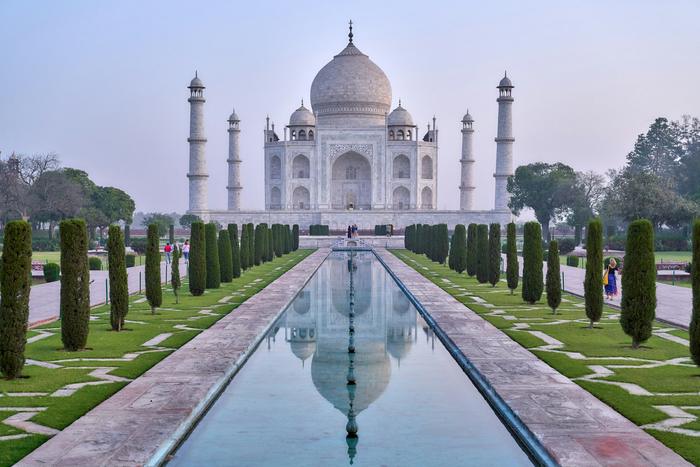
India
Overwhelming, beautiful, and utterly unlike anywhere else.
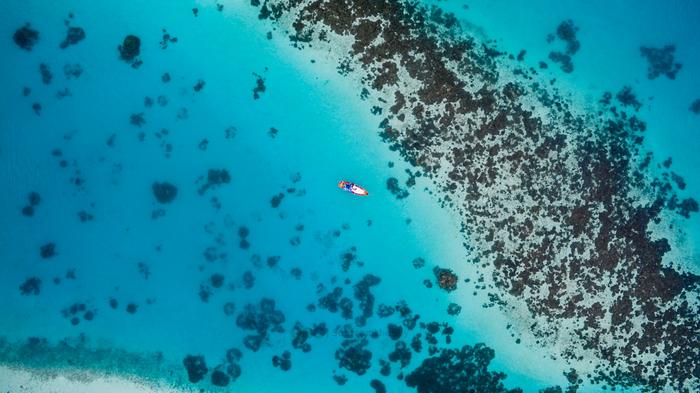
Maldives
One island, one resort, almost nothing to do. That is the point.
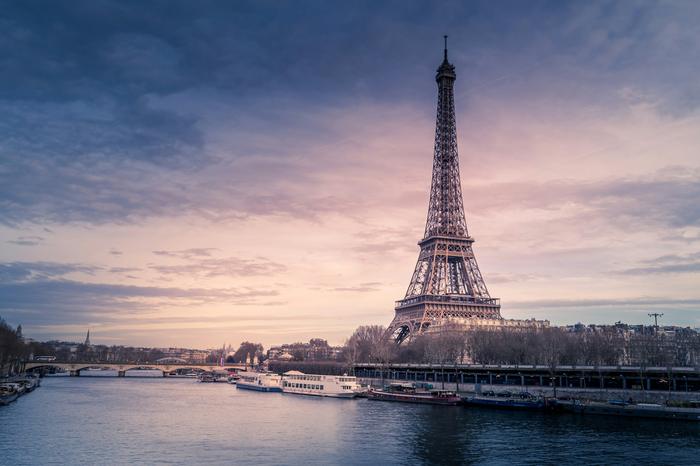
France
Paris is only the opening act — wine country, the Alps, and two coastlines.
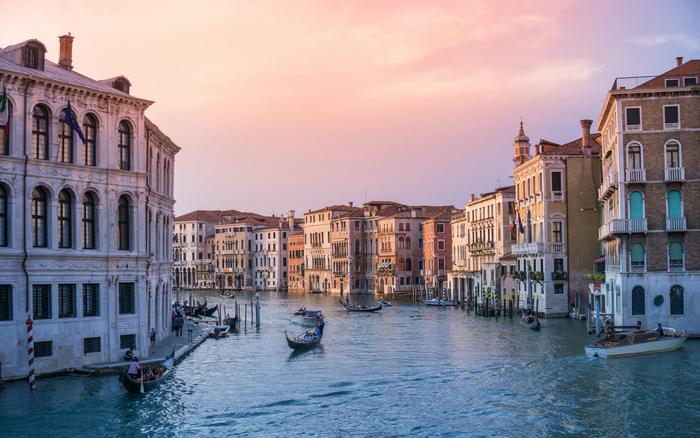
Italy
The benchmark for food, history, and beauty.
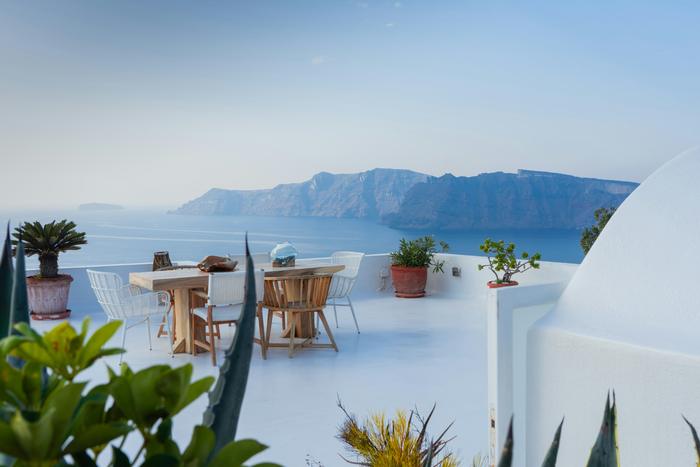
Greece
Ruins in the morning, a swim by noon, taverna until dark.
Not sure where to go
Take the 5-minute quiz
Answer a few honest questions and get matched to destinations that actually fit how you travel.
Start the quiz