Kenya vs Uganda

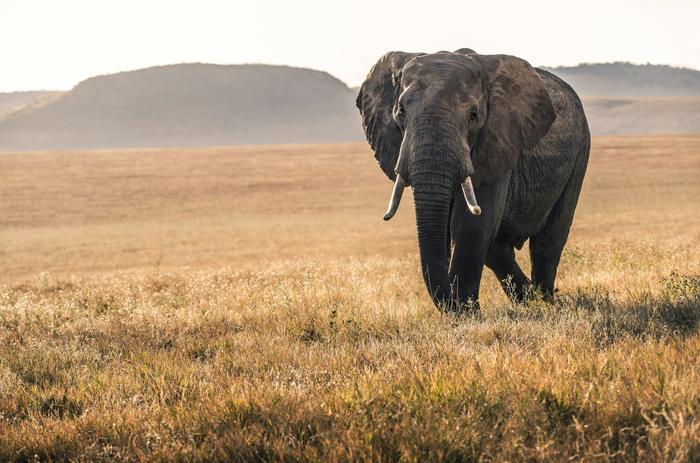
Two East African safari countries with different signatures. Kenya is the classic savannah safari: the Masai Mara and the Great Migration, vast plains of big game, a polished and accessible scene, and an Indian Ocean beach coast to finish. Uganda is green primate country: mountain-gorilla trekking in Bwindi, chimpanzees at Kibale, lush safari parks and the source of the Nile — wetter, hillier and more about primates than plains. Classic savannah safari, or gorillas and green.

Sub-Saharan Africa

Kenya

The original safari, plus an Indian Ocean coast to land on afterward.

Best time to visit
  1. January: peak
  2. February: peak
  3. March: fine
  4. April: avoid
  5. May: avoid
  6. June: fine
  7. July: peak
  8. August: peak
  9. September: peak
  10. October: peak
  11. November: avoid
  12. December: fine
Peak Fine Avoid
Sub-Saharan Africa

Uganda

The place to look a mountain gorilla in the eye — plus the classic savanna safari, on far quieter ground.

Best time to visit
  1. January: peak
  2. February: peak
  3. March: fine
  4. April: avoid
  5. May: avoid
  6. June: peak
  7. July: peak
  8. August: peak
  9. September: peak
  10. October: fine
  11. November: fine
  12. December: peak
Peak Fine Avoid

Read our full guides about Kenya and Uganda.

Side by side

Emphasised where they differ. Muted rows are much the same either way.

Kenya Uganda
Best time July–October, January, February June–September, December–February
Climate warm mild
Budget Mid-to-high — a mature safari scene with a wide range from mid-range camps to luxury, plus the coast Mid-to-high — the US$800 gorilla permit and park fees drive the cost, though cheaper than Rwanda
Trip length 1–3 wks 1–2 wks
Visa Electronic travel authorisation (eTA) required in advance for most passports. Verify before travel. e-visa required for most Western passports; apply online before travel.
Currency KES (Kenyan Shilling). Ugandan Shilling (UGX); US dollars accepted for permits and lodges.
Language Swahili and English (both official). English and Swahili (official); many local languages.
Tap water Stick to bottled or filtered water. Drink bottled or filtered water.
Safety Parks are safe with a guide; use city caution in Nairobi, especially after dark. Safari areas are safe with a guide; check current advisories for border regions and take normal city precautions in Kampala.

General guidance — visas, safety, and health change, so check your government's travel advisory and the official sources before you go.

The split

Savannah safari, or gorillas and green

Two safari countries — one classic savannah plains and a beach coast, the other green primate country.

Plains vs forestthe landscapeOpen savannah, or lush hills and forest
Big game vs primatesthe wildlifeThe Migration and big cats, or gorillas and chimps
Beach vs landlockedthe add-onAn Indian Ocean coast, or the source of the Nile

Kenya is the classic savannah safari: the Masai Mara and the Great Migration, vast plains of big game, a polished and accessible scene, and an Indian Ocean beach coast to finish on. Uganda is green primate country: mountain-gorilla trekking in Bwindi, chimpanzees at Kibale, lush safari parks and the source of the Nile — wetter, hillier, and more about primates than open plains. The postcard safari, or the gorillas-and-green one.

Operational detail — Kenya’s entry, Masai Mara seasons and coast; Uganda’s US$800 gorilla permit, the 2026 Ebola/advisory picture and the Anti-Homosexuality Act — lives on the two guides: Kenya, know before you go and Uganda, know before you go. This page is the head-to-head.

Who suits which

Who each actually suits

Savannah-safari or gorillas-and-green — so these never invert.

If you want…KenyaUganda
The Masai Mara & MigrationWins clearly. The classic plainsGreener, less dense
Mountain gorillasNoneWins clearly. Bwindi
A safari-and-beach comboWins. Indian Ocean coastLandlocked
Chimps and the NileSomeWins. Kibale, Jinja
A polished, accessible sceneWins. Mature safari industryMore varied, rougher
Primates over plainsPlains-ledWins. Primate country

Doing both

Natural to combine

Neighbours — the East Africa visa covers both.

They combine well: neighbours linked by the East Africa Tourist Visa (which also covers Rwanda), so a savannah-plus-gorillas itinerary is natural. First, though, check current advisories — the 2026 Ebola situation pushed Uganda’s US advisory to Level 4, and both countries’ strict anti-LGBTQ laws are flagged in government guidance. If you must choose, pick Kenya for the classic savannah safari and a beach, Uganda for gorillas, chimps and green parks.

What we leave out

What we deliberately leave out

Exact prices and the moving pieces — Kenya’s park fees and coast pricing; Uganda’s gorilla-permit price and the fast-moving advisory picture — change within a season, so the figures here are the shape of the gap, not a quote; the country guides carry the live detail.

Kenya or Uganda, month by month

Which of the two is the better bet for each month of the year, scored on how well the season suits each place.

Which to choose

Choose Kenya if:

  • You want the Masai Mara, the Great Migration and big-game plains.
  • A polished safari plus an Indian Ocean beach finish appeals.
  • Classic savannah safari beats primate trekking.

Choose Uganda if:

  • You want mountain gorillas, chimps and lush green parks.
  • Primate trekking and the source of the Nile are the draw.
  • Gorillas-and-green beats a savannah safari.

Common questions

How do Kenya and Uganda compare?
By what you go to see. Kenya is the classic savannah safari — the Masai Mara and the Great Migration, vast big-game plains, a polished scene, plus an Indian Ocean beach coast. Uganda is green primate country — mountain-gorilla trekking in Bwindi, chimpanzees at Kibale, lush safari parks and the source of the Nile — wetter, hillier and more about primates than plains. Classic savannah safari, or gorillas and green. See the Kenya and Uganda guides.
Which has the better classic safari?
Kenya, for the quintessential savannah experience — the Masai Mara’s big cats and the Great Migration (July–October) are the postcard African safari, on open plains teeming with game. Uganda’s savannah parks (Queen Elizabeth, Murchison Falls) are good but greener and less densely stocked; its trump card is primates, not plains game. Open-plains big game, or forest gorillas and chimps.
Which for gorillas, and which for a beach?
Uganda for gorillas, clearly — it’s one of only three countries where you can trek mountain gorillas (and the cheapest), which Kenya doesn’t offer. Kenya for a beach — its Indian Ocean coast (Diani, the Lamu archipelago) lets you pair safari with sand, which landlocked Uganda can’t. Gorillas, or a safari-and-beach combo.
Can I combine them?
Yes — they’re neighbours, and the East Africa Tourist Visa covers both (plus Rwanda), so a savannah-plus-gorillas itinerary works well. But check current advisories: in 2026 a regional Ebola situation pushed Uganda’s US advisory to Level 4 (the UK’s milder), and both countries have strict anti-LGBTQ laws their advisories flag. If choosing one: classic savannah safari and a beach (Kenya), or gorillas and green (Uganda).

Still undecided

Take the quiz

Three matches. Often answers comparison questions for you.

Start the quiz