Ghana
West Africa’s friendliest first trip — deep history, big culture, and beaches, in fluent English.
Ghana is the easiest doorway into West Africa: stable, welcoming, English-speaking, and stacked with the kind of history that reframes a trip. This is where the transatlantic slave trade ran its castles, where the Ashanti kingdom still holds court in Kumasi, and where the 'Year of Return' has drawn the African diaspora home. It's a culture-and-history journey more than a wildlife or beach one, carried by some of the warmest people you'll meet anywhere.
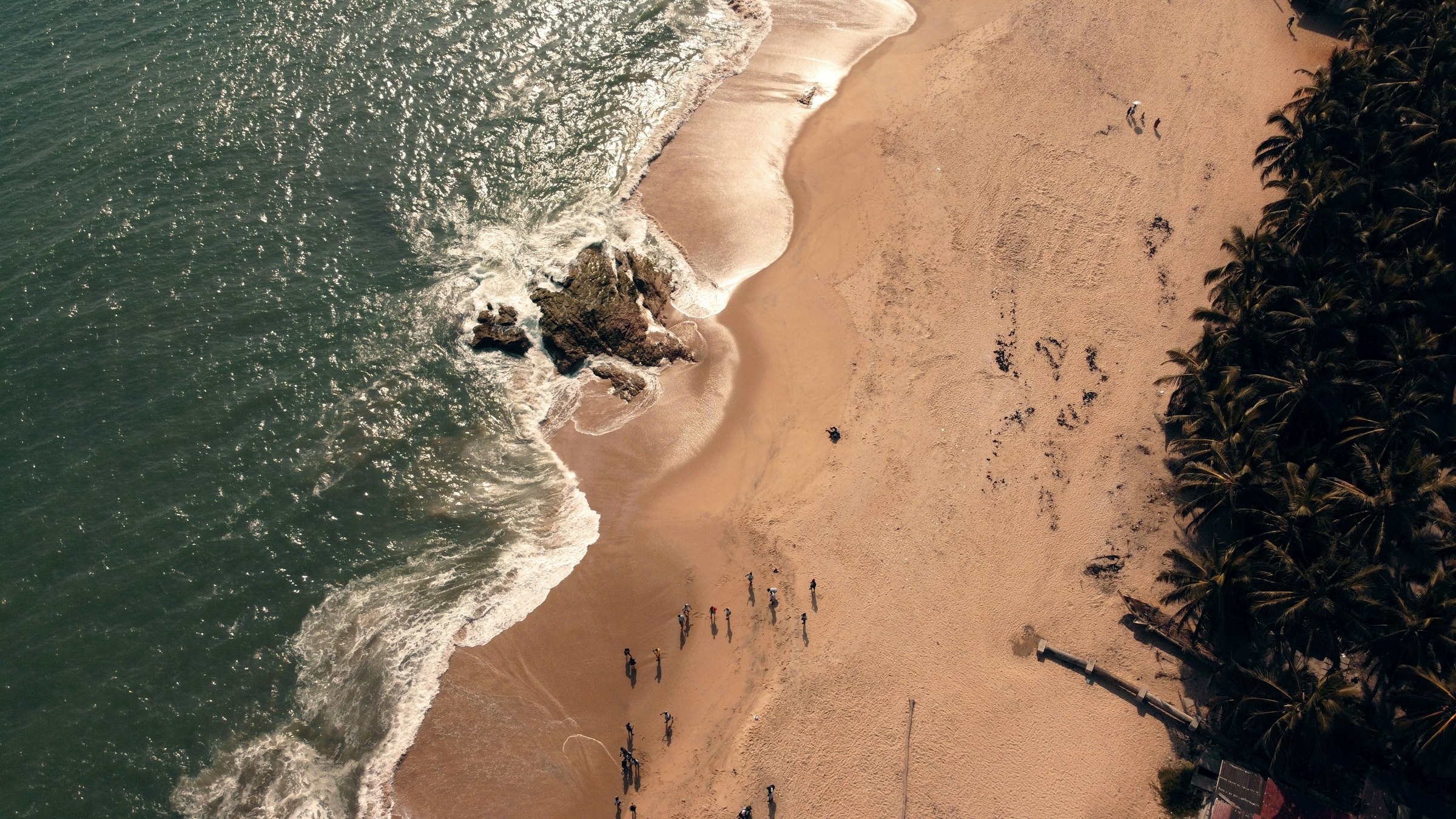
The emotional core is the coast west of Accra, where the whitewashed slave-trade forts of Cape Coast and Elmina still stand over the sea — a sobering, essential visit, with the notorious 'Door of No Return'. Nearby, Kakum National Park strings a canopy walkway high through the rainforest. Inland, Kumasi is the beating heart of Ashanti culture — the huge Kejetia market, the royal palace, kente-weaving villages. Accra itself is loud and creative: the Makola market, the fishing district of Jamestown, a live-music and art scene that's exploded lately. Round it off with the palm-backed beaches around Busua or the waterfalls of the Volta Region.
The honest part: Ghana is about people, history, and culture, not big-game safari or postcard resorts — the beaches are pleasant rather than world-class, and there's no marquee wildlife circuit. Getting around is slow: roads are rough, distances feel longer than they look, and the heat and humidity are serious, worsened by the dusty harmattan haze from December to February. Come in a dry window, travel patiently, and Ghana gives you a genuinely moving, unusually easy introduction to a part of the world most travelers never reach.
Highlights
-
Cape Coast & Elmina castles
Whitewashed slave-trade forts over the sea — a sobering, essential visit to the "Door of No Return".
-
Kakum National Park
A canopy walkway strung high through the rainforest, best at dawn.
-
Kumasi & the Ashanti
The cultural heart: a giant market, the royal palace, and kente-weaving villages.
-
Accra
Loud and creative — Makola market, the Jamestown fishing quarter, and a booming music-and-art scene.
-
Busua & the west coast
Palm-backed beaches and low-key surf towns for a few days by the sea.
-
Wli Waterfalls & the Volta Region
The country’s highest falls, reached on a forest walk near the lush eastern border.
Practical info
- Visa
- Visa (or e-visa) required in advance for most Western passports. Arrange before travel.
- Currency
- Ghanaian Cedi (GHS); US dollars useful for larger payments.
- Language
- English (official); Twi and many local languages.
- Safety
- Generally safe and welcoming; ordinary city precautions in Accra, and watch for scams.
- Getting around
- Hire a car with a driver, or use tro-tros (shared minibuses) and intercity coaches — roads are slow.
- Tap water
- Drink bottled or sachet water.
- Plug type
- Type D Type G 230V
- Money
- Cash-based; carry cedis. Cards only at upmarket hotels in the cities.
General guidance — visas, safety, and health change, so check your government's travel advisory and the official sources before you go.
Common questions
- When is the best time to visit Ghana?
- Ghana is at its best in November–February. It's best to avoid May, June, September.
- How many days do you need in Ghana?
- Most trips run 1–2 weeks, depending on how much ground you want to cover.
- Is Ghana expensive?
- Plan for backpacker – budget daily spend, depending on how you travel.
- Is Ghana safe for travelers?
- Generally safe and welcoming; ordinary city precautions in Accra, and watch for scams.
- Do you need a visa for Ghana?
- Visa (or e-visa) required in advance for most Western passports. Arrange before travel.
Compare Ghana with
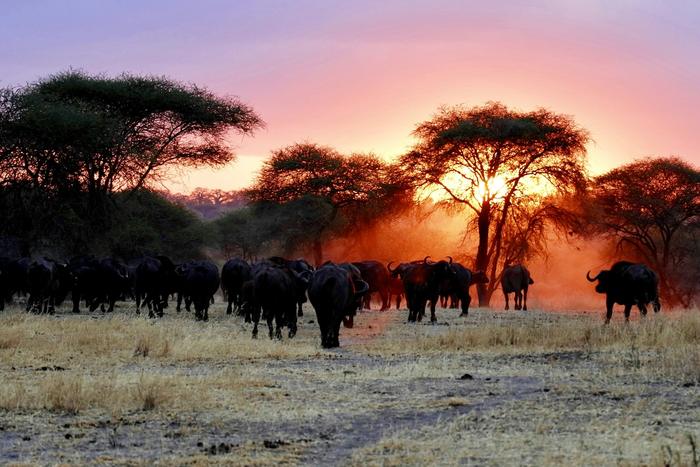
If you like Ghana, also consider
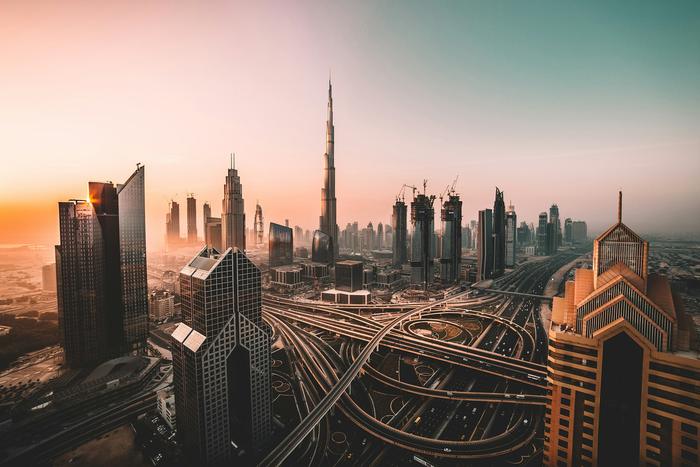
United Arab Emirates
Dubai and Abu Dhabi: superlatives, desert, and a stopover worth a few days of its own.
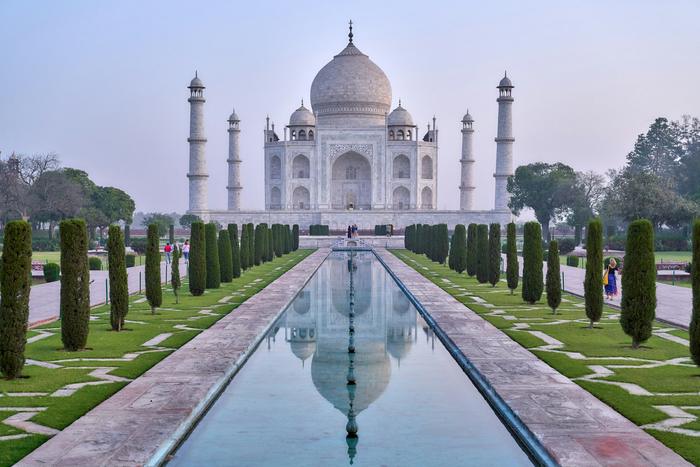
India
Overwhelming, beautiful, and utterly unlike anywhere else.
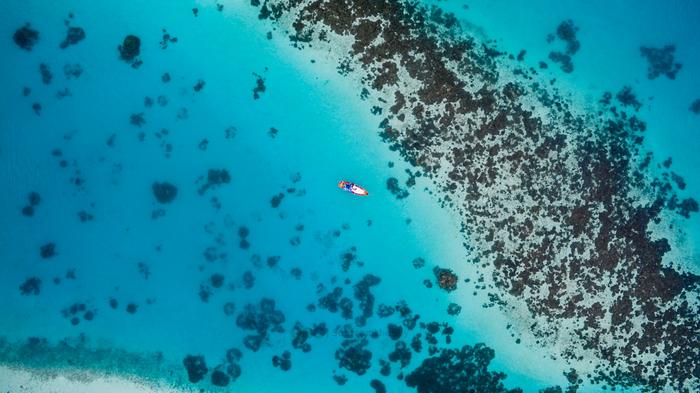
Maldives
One island, one resort, almost nothing to do. That is the point.
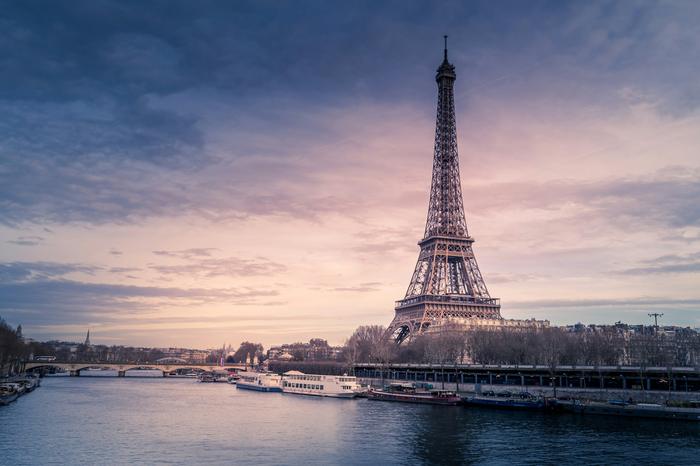
France
Paris is only the opening act — wine country, the Alps, and two coastlines.
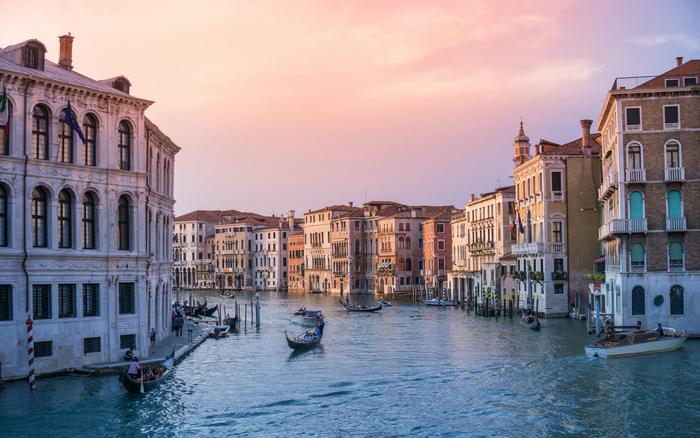
Italy
The benchmark for food, history, and beauty.
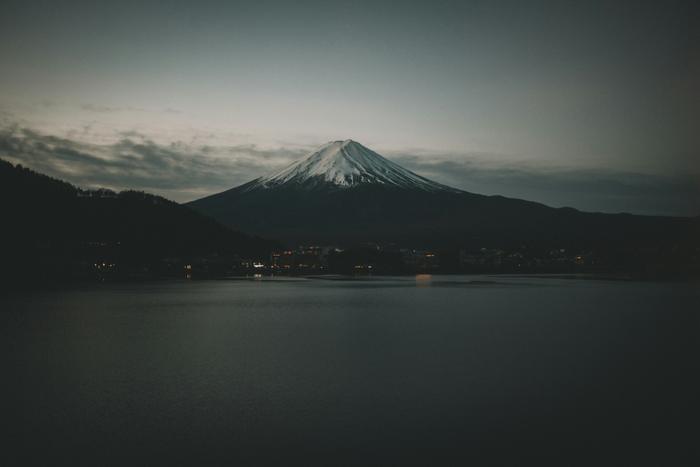
Japan
Extraordinary food, culture, and cities. Nothing quite prepares you for it.
Not sure where to go
Take the 5-minute quiz
Answer a few honest questions and get matched to destinations that actually fit how you travel.
Start the quiz