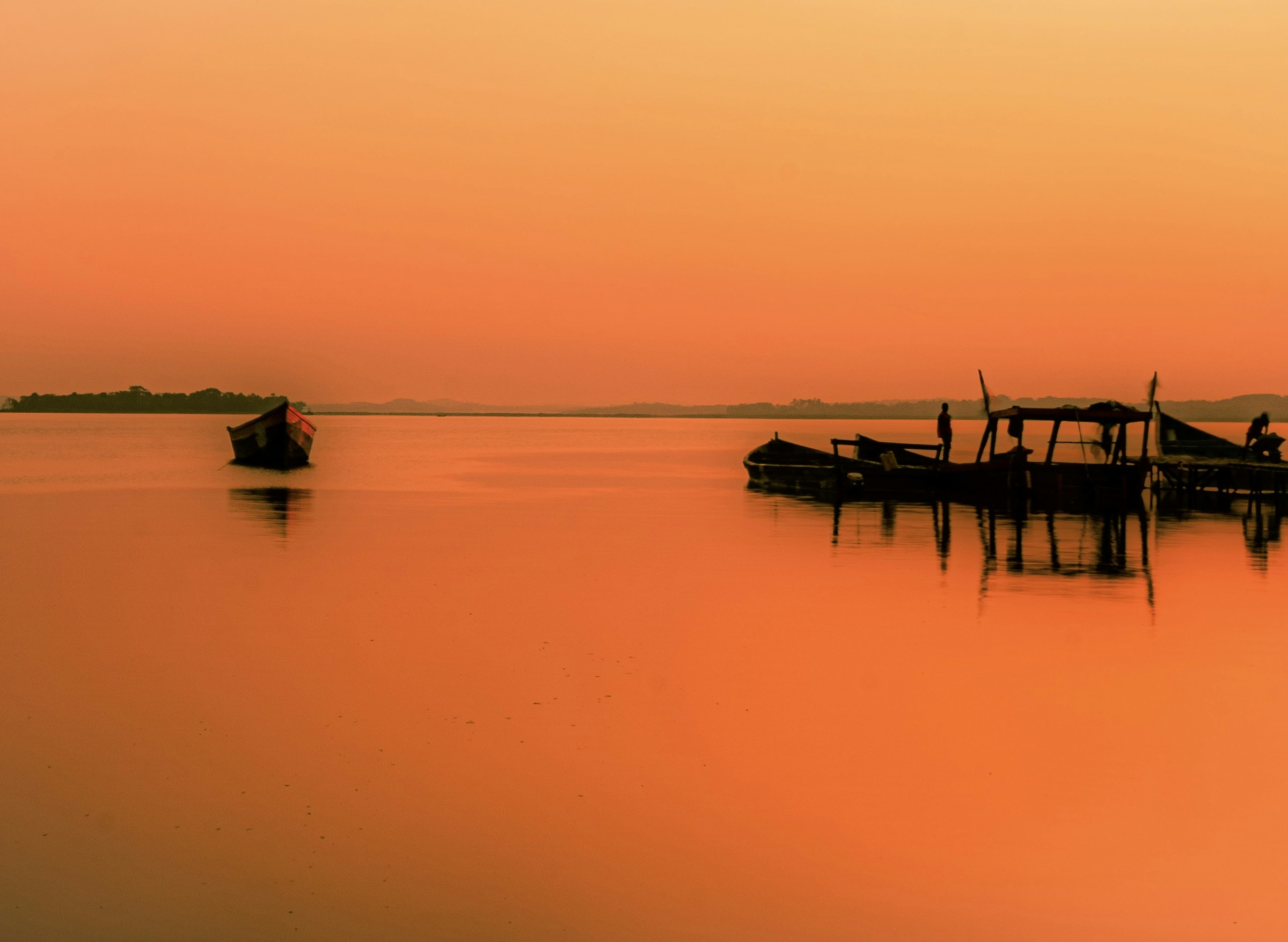
Uganda
The place to look a mountain gorilla in the eye — plus the classic savanna safari, on far quieter ground.
Uganda's headline is one of the great wildlife experiences left on earth: trekking into the forest to sit, metres away, from a family of wild mountain gorillas. Only a handful of countries can offer it, and Uganda does it with fewer crowds and lower permit prices than its neighbours. Beyond the gorillas it's a green, equatorial, surprisingly varied country — chimps, tree-climbing lions, the source of the Nile — that most safari-goers overlook.
The gorilla trek in Bwindi Impenetrable Forest is the reason most people come, and it lives up to it: a strenuous, sometimes muddy hike through dense forest, rewarded with an hour beside a habituated gorilla family. Pair it with chimpanzee tracking in Kibale, and you've done the primates. But Uganda also delivers a classic savanna safari in Queen Elizabeth and Murchison Falls National Parks — elephants, buffalo, hippos, and the famous tree-climbing lions of Ishasha — plus a boat to the base of Murchison Falls where the Nile is forced through a seven-metre gap. Jinja, where the White Nile begins, adds white-water rafting. It's green, lush, and much wetter-looking than the classic dry East African savanna.
The honest part: this is an active, adventurous trip, not a lie-by-the-pool one. The gorilla trek is genuinely demanding — you need a reasonable level of fitness — and the permit, while cheaper than Rwanda's, is still a significant cost. Distances are long on rough roads, infrastructure is basic outside the lodges, and the two rainy seasons (March–May and, less so, October–November) turn trails to mud. Come in a dry window, budget for the permit, and Uganda gives you the single most moving wildlife encounter in Africa with a fraction of the crowds.
Highlights
-
Gorilla trekking, Bwindi
Hike into dense forest to sit an hour beside a wild mountain gorilla family — the trip of a lifetime.
-
Chimpanzee tracking, Kibale
The best place in Africa to track habituated chimps through the forest.
-
Queen Elizabeth National Park
Classic savanna safari — elephants, hippos, and the tree-climbing lions of the Ishasha sector.
-
Murchison Falls
A boat trip up the Nile to where the whole river is forced through a seven-metre gap, thundering below the game.
-
Source of the Nile, Jinja
Where the White Nile begins its journey — and Uganda’s white-water rafting hub.
-
Lake Bunyonyi
A calm, terraced-hill lake near Bwindi — the place to recover after the trek.
Practical info
- Visa
- e-visa required for most Western passports; apply online before travel.
- Currency
- Ugandan Shilling (UGX); US dollars accepted for permits and lodges.
- Language
- English and Swahili (official); many local languages.
- Safety
- Safari areas are safe with a guide; check current advisories for border regions and take normal city precautions in Kampala.
- Getting around
- A 4x4 with a driver-guide is standard; distances are long on rough roads. Domestic flights save time.
- Tap water
- Drink bottled or filtered water.
- Plug type
- Type G 240V
- Money
- Cash for most things; carry US dollars for permits. Cards only at upmarket lodges.
General guidance — visas, safety, and health change, so check your government's travel advisory and the official sources before you go.
Common questions
- When is the best time to visit Uganda?
- Uganda is at its best in June–September, December–February. It's best to avoid April, May.
- How many days do you need in Uganda?
- Most trips run 1–2 weeks, depending on how much ground you want to cover.
- Is Uganda expensive?
- Plan for budget – mid-range daily spend, depending on how you travel.
- Is Uganda safe for travelers?
- Safari areas are safe with a guide; check current advisories for border regions and take normal city precautions in Kampala.
- Do you need a visa for Uganda?
- e-visa required for most Western passports; apply online before travel.
Compare Uganda with
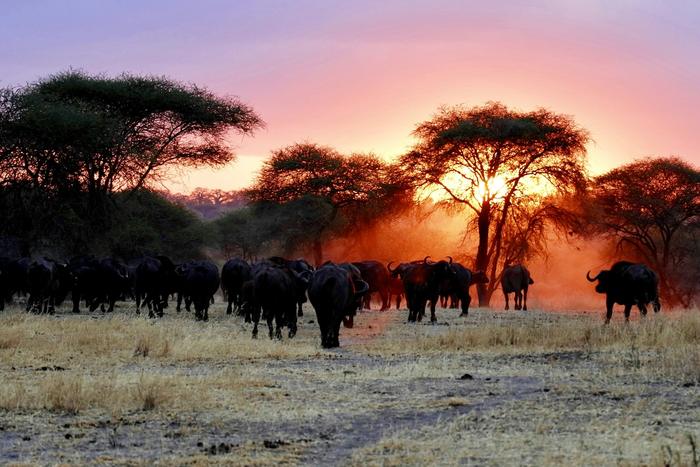
If you like Uganda, also consider
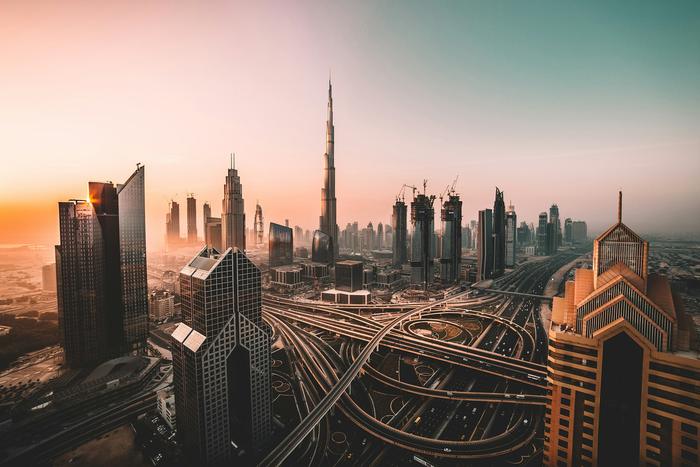
United Arab Emirates
Dubai and Abu Dhabi: superlatives, desert, and a stopover worth a few days of its own.
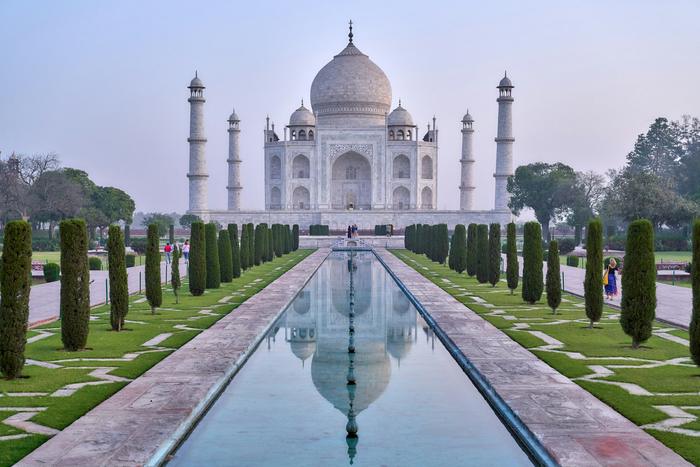
India
Overwhelming, beautiful, and utterly unlike anywhere else.
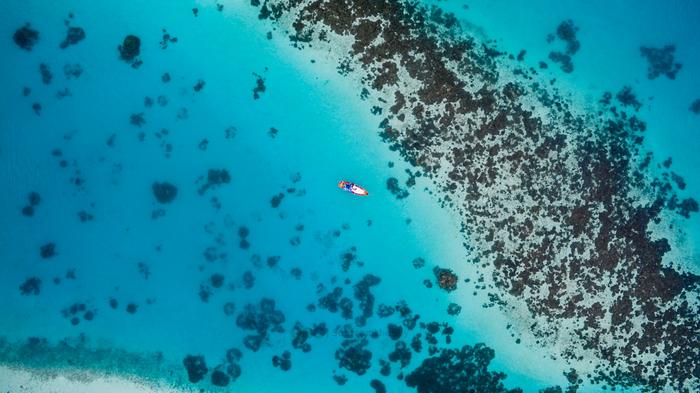
Maldives
One island, one resort, almost nothing to do. That is the point.
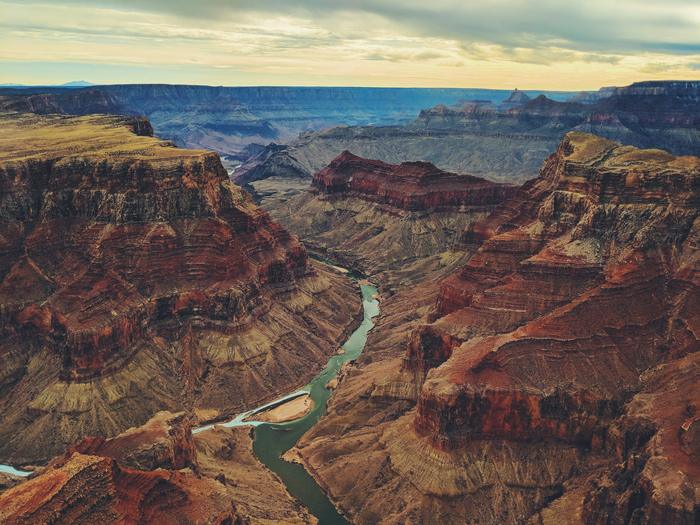
United States
A continent pretending to be a country — cities, deserts, and the best national parks anywhere.
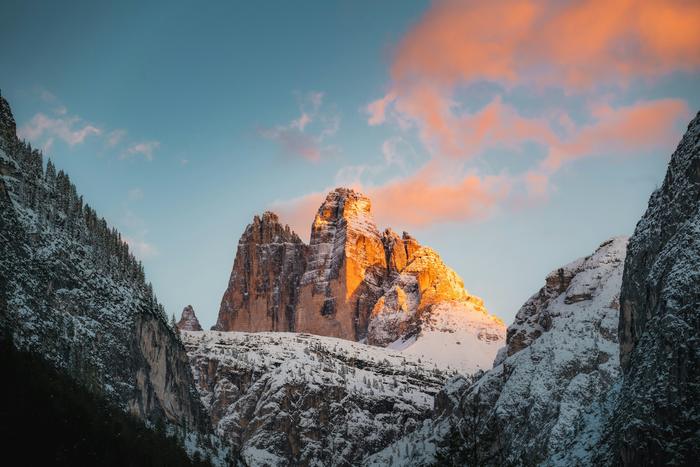
The Alps
The ski and alpine benchmark — every other mountain range is measured against this.
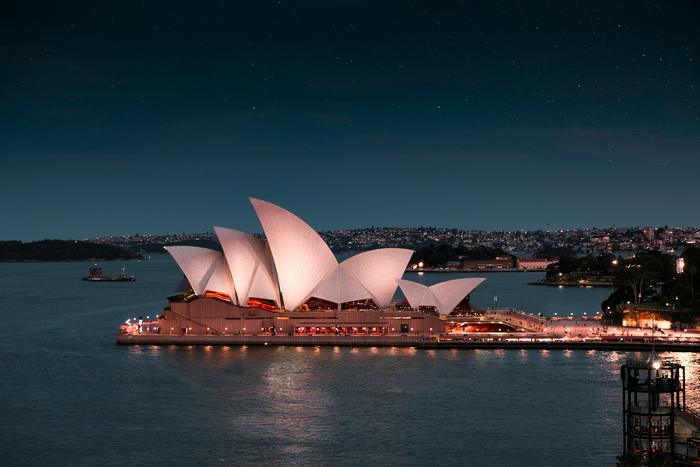
Australia
Vast, varied, relaxed. Reef, Sydney, and proper wilderness in one.
Not sure where to go
Take the 5-minute quiz
Answer a few honest questions and get matched to destinations that actually fit how you travel.
Start the quiz