Kenya vs Tanzania

The classic East African safari choice, and the countries share the same migration ecosystem. Kenya is where the safari idea was invented — the Masai Mara, Amboseli under Kilimanjaro, more accessible and better value. Tanzania holds a bigger, headline-heavy concentration — the Serengeti, the wildlife-packed Ngorongoro Crater, Kilimanjaro itself and Zanzibar — at noticeably higher cost.

Sub-Saharan Africa

Kenya

The original safari, plus an Indian Ocean coast to land on afterward.

Best time to visit
  1. January: peak
  2. February: peak
  3. March: fine
  4. April: avoid
  5. May: avoid
  6. June: fine
  7. July: peak
  8. August: peak
  9. September: peak
  10. October: peak
  11. November: avoid
  12. December: fine
Peak Fine Avoid
Sub-Saharan Africa

Tanzania

Serengeti, a volcanic crater full of animals, Kilimanjaro, and Zanzibar — in one country.

Best time to visit
  1. January: peak
  2. February: peak
  3. March: avoid
  4. April: avoid
  5. May: avoid
  6. June: peak
  7. July: peak
  8. August: peak
  9. September: peak
  10. October: fine
  11. November: avoid
  12. December: fine
Peak Fine Avoid
Read our full guides about Kenya and Tanzania.

Side by side

Emphasised where they differ. Muted rows are much the same either way.

Kenya Tanzania
Best time July–October, January, February June–September, January, February
Climate warm warm
Budget Expensive, but a wider range — Mara fees are high, yet Kenya offers more mid-tier options Among Africa’s priciest — steep park fees compounded by 18% VAT; Ngorongoro especially
Trip length 1–3 wks 2–3 wks
Visa Electronic travel authorisation (eTA) required in advance for most passports. Verify before travel. Visa required for most passports; available on arrival or as an e-visa. Verify before travel.
Currency KES (Kenyan Shilling). TZS (Tanzanian Shilling). USD common for tours.
Language Swahili and English (both official). Swahili and English.
Tap water Stick to bottled or filtered water. Stick to bottled or filtered water.
Safety Parks are safe with a guide; use city caution in Nairobi, especially after dark. Parks are safe with a guide; ordinary city caution in Arusha and Dar es Salaam.

General guidance — visas, safety, and health change, so check your government's travel advisory and the official sources before you go.

The split

The original, or the bigger one

Two sides of one ecosystem — Kenya is accessible and better value, Tanzania bigger and pricier.

Original vs scalewhat each is really forThe Mara and Amboseli, or Serengeti-Ngorongoro-Kili-Zanzibar
Value vs premiumthe moneyWider lodge range, or among Africa’s priciest (plus 18% VAT)
Crossings vs calvingthe migration stageMara crossings Jul–Oct, or Serengeti calving Jan–Mar

Kenya is where the safari was invented: the Masai Mara for big cats and the migration, Amboseli for elephants under Kilimanjaro, more accessible and better value, with a Swahili-coast finish. Tanzania holds a bigger concentration of headliners: the Serengeti, the wildlife-dense Ngorongoro Crater, Kilimanjaro and Zanzibar — at noticeably higher cost. The original and affordable, or the bigger and pricier.

The operational detail — Kenya’s ETA and Mara fees, Tanzania’s visa, Zanzibar rules and VAT-laden park fees — lives on the two guides: Kenya, know before you go and Tanzania, know before you go. This page is the head-to-head.

Who suits which

Who each actually suits

Original-and-value or bigger-and-pricier — a close safari call that still splits.

If you want…KenyaTanzania
Better value and accessWins. Wider lodge rangeAmong Africa’s priciest
The Mara river crossingsWins. Jul–OctCalving instead (Jan–Mar)
The Serengeti and the craterThe Mara sideWins clearly. Serengeti + Ngorongoro
Kilimanjaro to climbOnly as a backdropWins. The mountain itself
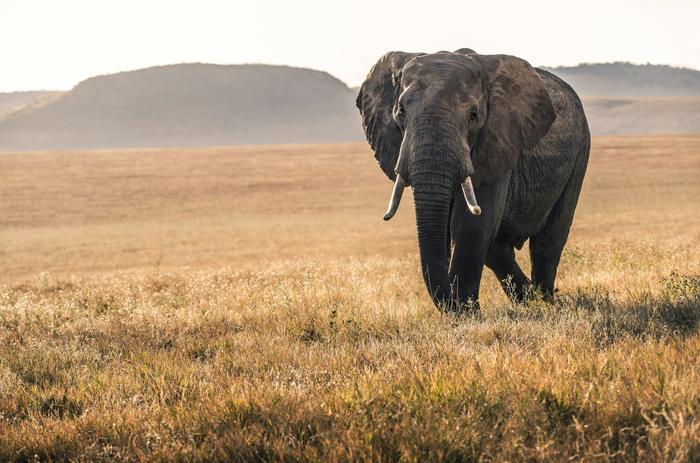
Elephants under KilimanjaroWins. AmboseliViews from the south
A beach finishBoth. Diani/WatamuBoth. Zanzibar

Doing both

Following one migration across a border

Shared ecosystem — a natural combined safari.

Because the Mara and Serengeti are one ecosystem, a combined Kenya–Tanzania trip can follow the migration across the border — crossings on the Kenyan side in late summer, the plains and calving on the Tanzanian side earlier in the year. Plan for the yellow-fever certificate that a Kenya-to-Tanzania crossing triggers, and for each country’s separate entry (Kenya’s ETA, Tanzania’s visa). It’s one of the great safari combinations — if a pricier one once you add the Tanzanian fees.

What we leave out

What we deliberately leave out

Exact prices and the moving pieces — Kenya’s Mara and conservancy fees, Tanzania’s VAT-laden park fees and Zanzibar charges — change within a season, so the figures here are the shape of the gap, not a quote; the country guides carry the live detail, and the migration timing shifts by weeks year to year.

Kenya or Tanzania, month by month

Which of the two is the better bet for each month of the year, scored on how well the season suits each place.

Which to choose

Choose Kenya if:

  • You want the original safari with more range and value — the Mara, Amboseli, a coast finish.
  • Better access and a wider spread of lodge prices appeal.
  • The Mara’s big-cat density and the Kilimanjaro-backdrop elephants are the draw.

Choose Tanzania if:

  • You want the headline set in one country — Serengeti, Ngorongoro, Kilimanjaro, Zanzibar.
  • Sheer scale and a trek-or-beach add-on matter more than cost.
  • The Serengeti’s endless plains and the crater’s density are the point.

Common questions

Should I combine Kenya and Tanzania?
Very naturally — they share the Mara–Serengeti migration ecosystem across the border, so a combined trip can follow the herds. One catch to plan for: because Tanzania treats Kenya as a yellow-fever-endemic country, crossing from Kenya into Tanzania triggers the yellow-fever certificate requirement even if your direct arrival wouldn’t have. Each also has its own entry (Kenya’s ETA, Tanzania’s visa — US$100 for Americans). See the Kenya and Tanzania guides.
Which has the better migration?
It’s one migration, two stages. The dramatic Mara River crossings happen in Kenya’s Masai Mara around July–October; the calving and the vast plains are in Tanzania’s southern Serengeti January–March, with the herds moving north in between. So the question is really when you go: crossings in Kenya in late summer, calving in Tanzania in the new year. Both are rain-driven and never guaranteed on a date.
Which is better value?
Kenya, generally — it’s more accessible and offers a wider range of lodge prices, even though its Mara reserve and conservancy fees have risen sharply. Tanzania is among Africa’s most expensive, with steep park fees compounded by 18% VAT and the notoriously pricey Ngorongoro Crater charges. For more options and easier access, Kenya; Tanzania’s cost buys scale and the headline sights.
Which has more beyond the safari?
Tanzania, for sheer headline range — it adds Kilimanjaro (the continent’s highest trek) and Zanzibar’s spice-island beaches to the safari. Kenya counters with its own classic combination: the Mara and Amboseli, then a Swahili-coast beach finish at Diani or Watamu. Both do savannah-plus-beach; only Tanzania adds the big climb.

Still undecided

Take the quiz

Three matches. Often answers comparison questions for you.

Start the quiz