
Seychelles
Granite-boulder beaches that look engineered, on islands built for slowing down.
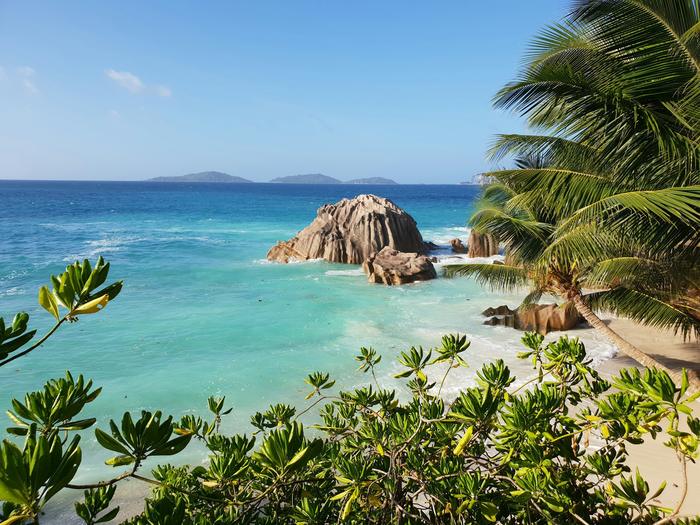
The Seychelles trade on a single image — pale sand, glass water, and great smooth granite boulders piled at the tide line — and the islands deliver it relentlessly. You island-hop between Mahé, Praslin, and tiny La Digue by ferry, swap the car for a bicycle, and structure the day around which beach to walk to next. It is built for honeymoons and slow weeks, and it knows it.
Three islands cover it. Mahé has the airport, the capital, and the longest beaches; Praslin has the Vallée de Mai palm forest where the famous coco de mer grows; and La Digue, reached by ferry and crossed by bike, has Anse Source d’Argent, the boulder-framed beach on every postcard. Days are simple: snorkel a reef, cycle to the next cove, eat grilled fish and Creole curry, repeat. The granite formations genuinely look unlike anywhere else, and the water rarely disappoints.
The honest part: this is one of the most expensive places you can fly to, and the price buys you scenery and not much else to do. Beyond the beaches and a couple of nature reserves, the list of activities runs short fast, and a full week can start to blur. Inter-island ferries cost real money and seas can be choppy, the southeast monsoon (May to September) brings seaweed and wind to some beaches, and dining out is eye-watering. If you need variety and pace, the cost is hard to justify. If you want to do almost nothing somewhere remarkable, this is it.
Highlights
-
Anse Source d’Argent, La Digue
The boulder-framed beach you’ve seen a hundred times. Reach it by bike.
-
Vallée de Mai, Praslin
A primeval palm forest where the coco de mer grows nowhere else.
-
Mahé
The main island: the capital Victoria, the airport, and long beaches like Beau Vallon.
-
Anse Lazio, Praslin
Consistently rated among the finest beaches anywhere — go early.
Practical info
- Visa
- No visa required; a tourist permit is issued on arrival for most passports. Verify before travel.
- Currency
- SCR (Seychellois Rupee).
- Language
- Creole, English, and French.
- Safety
- Very safe; ordinary precautions with valuables.
- Getting around
- Ferries between the main islands; bicycles on La Digue, hire car on Mahé and Praslin.
- Tap water
- Tap water generally safe; bottled widely used.
- Plug type
- Type G 240V
- Money
- Cards accepted at hotels and restaurants; carry cash for small vendors and ferries.
General guidance — visas, safety, and health change, so check your government's travel advisory and the official sources before you go.
Common questions
- Do I need a visa?
- No visa for any nationality — you get a free Visitor’s Permit on arrival (up to 90 days). But every traveller, including children, must buy a pre-arrival Travel Authorisation for about €10 at seychelles.govtas.com — the one official portal. Copycat sites that look official overcharge; see the entry section.
- Is there a tourist tax?
- Yes — the Tourism Environmental Sustainability Levy, per person per night, collected by your accommodation at checkout. From 1 January 2026 it’s SCR 75 at medium hotels and SCR 100 at large and island resorts; small 1–24-room places are now exempt, and under-12s are free.
- How do I get between the islands?
- The Cat Cocos catamaran links Mahé and Praslin (~1 hour, ~€55–60 economy); the Inter Island Ferry runs Praslin to La Digue (~15 minutes, ~€20); or take a 15-minute Air Seychelles hop. Book the ferries ahead in high season — details in the islands section.
- When is the best time to go?
- April and October — the transition months between the two monsoons, with the flattest seas and best water clarity. May–September (the south-east trades) is cooler and windier with seaweed on south- and east-facing beaches; November–March is calmer but hotter and wetter.
- How much are the Vallée de Mai and Anse Source d’Argent?
- The Vallée de Mai on Praslin — the coco de mer forest — is SCR 450 (about US$35; under-12s free). Reaching the famous Anse Source d’Argent on La Digue means the L’Union Estate gate at SCR 150 (~€10). The full fee table is in fees & parks.
- Do I need a car on La Digue?
- No — La Digue is essentially car-free; you get around by bicycle (about SCR 100–150 a day) and on foot. Hire a car on Mahé (hilly, scattered beaches) and optionally on Praslin; everything else is ferries.
Entry & the TA
No visa, but a compulsory online pass
Entry is free of visas — the catch is a pre-arrival Travel Authorisation, and buying it on the wrong site costs you.
Seychelles asks no visa of anyone — you’re waved in on a free Visitor’s Permit for up to 90 days. What everyone must do first is buy the Travel Authorisation online, a per-person requirement that even applies to infants. Apply up to a month before travel; approval normally lands within twelve hours, and you carry the confirmation to the airline and the border.
The scam to avoid is the portal. The only official site is seychelles.govtas.com (also reachable through the e-Border app); a cluster of copycat sites with official-looking domains charge a multiple of the ~€10 government fee. The tourism ministry itself has had to warn travellers off them — type the address, don’t follow an ad.
Have your accommodation details and an onward ticket ready for the form, and note the soft proof-of-funds guideline of roughly US$150 a day. None of this is onerous, but it is checked — the TA is genuinely compulsory, not a formality you can sort out on arrival.
The three islands
Mahé, Praslin, La Digue — and the boats between
Almost every trip is some mix of these three; the ferries are the thing to book early.
- A real town, beaches and a base for day-tripsSkipcommitting to a tiny island for a weekGoMahé — Victoria, Beau Vallon and the Morne Seychellois trails
- The coco de mer forest and headline beachesSkipexpecting it all on MahéGoPraslin — Vallée de Mai, Anse Lazio, Anse Georgette
- The car-free, bicycle, postcard idyllSkiphiring a carGoLa Digue — cycle to Anse Source d’Argent
| Hop | How | Time | Fare (one-way) |
|---|---|---|---|
| Mahé ↔ Praslin | Cat Cocos catamaran | ~1 h | ~€55–60 economy |
| Mahé ↔ Praslin | Air Seychelles flight | ~15 min | from ~€100, varies |
| Praslin ↔ La Digue | Inter Island Ferry | ~15 min | ~€20 |
| Mahé ↔ La Digue | Via Praslin — no direct ferry | ~1h15 + change | combined |
Fares and times from the operator portals in October 2026; sailings are more frequent June–September. There is no direct Mahé–La Digue ferry — the normal route is Cat Cocos to Praslin, then the short hop.
In high season (and around the April/October sweet spots) the Cat Cocos sailings sell out — book them when you book the rooms, not on the day. The catamaran can be a rough hour in the south-east trade-wind months; if you’re prone to seasickness, the 15-minute flight is the kinder option.
The beaches
Granite boulders and the gated few
The signature look is pale sand framed by pink-grey granite — and a couple of the best are behind a gate.
Public by default the beaches are free to walk onto
What sets Seychelles apart is the granite: time-smoothed boulders the colour of rose and pewter, bedded into white sand and turquoise shallows. The icons are on La Digue and Praslin — Source d’Argent’s boulder maze, Lazio’s clean curve, Georgette’s quiet crescent — rather than on Mahé, whose Beau Vallon is the everyday swimming bay.
Treat the famous shots with a little realism: Anse Source d’Argent is spectacular but busy, and its water is shallow and weed-strewn at low tide. For an actual swim, Anse Lazio and (if you can book it) Anse Georgette are the better days out.
| Beach | Island | Getting on |
|---|---|---|
| Anse Source d’Argent | La Digue | Through L’Union Estate (SCR 150); by bicycle |
| Anse Lazio | Praslin (NW) | Free and public; road plus a short walk |
| Anse Georgette | Praslin (NW) | Pre-book via Constance Lémuria; ~60/day cap |
| Beau Vallon | Mahé | Free; the main swimmable resort bay |
The most-photographed is Anse Source d’Argent, but it draws crowds and shallows at low tide; Anse Lazio and Anse Georgette are the swimmers’ picks. Read before you travel — resort-gated access can change.
To stand on Anse Georgette as a non-guest you must email Constance Lémuria ahead — ideally more than a day out — because the resort caps outside visitors at roughly thirty each morning and thirty each afternoon. You can also reach it on foot from Anse Lazio if the booking is full.
Fees & parks
The fees nobody warns you about
Between conservation gates and the new sustainability levy, the extras add up — budget for them.
The headline prices hide a stack of per-visit conservation fees — the Vallée de Mai, the marine parks off Mahé and Praslin, the La Digue estate gate — and from 2026 a nightly Tourism Environmental Sustainability Levy on top of the room. None is large alone; together, across a week of island-hopping, they are a real line in the budget.
The one genuine change for 2026 is the levy structure: small 1–24-room guesthouses are now exempt (they used to pay a token rate), which quietly rewards the self-catering end of the market over the big resorts. Under-12s are free throughout.
| Fee | What it covers | Price (non-resident) |
|---|---|---|
| Sustainability levy (TESL) | Per person, per night, from 1 Jan 2026 | SCR 75 medium / SCR 100 large & island |
| Vallée de Mai | The coco de mer forest, Praslin (UNESCO) | SCR 450 (under-12s free) |
| L’Union Estate | The gate to Anse Source d’Argent, La Digue | SCR 150 (~€10) |
| Ste Anne Marine Park | Snorkel islands off Mahé | SCR 200 |
| Curieuse | Giant-tortoise marine reserve off Praslin | SCR 300 |
| Cousin Island | Nature-reserve landing, ranger-guided, Mon–Fri | ~€45, cash on site |
Rates from the tourism ministry, the Seychelles Islands Foundation and reserve operators in October 2026. Residents and East Africans pay less or go free; the remote Aldabra Atoll needs a landing clearance and runs to ~€900 a head plus the cruise — effectively off-limits to ordinary trips.
If you’re choosing between a small guesthouse and a large resort, the levy now tilts the maths: the guesthouse dodges the SCR 100-a-night charge the island resort adds per person. Over a fortnight for a family that is not a trivial sum — factor it in alongside the room rate.
When to go
Two monsoons, two sweet spots
The wind decides the sea and the seaweed — and the best weeks sit in the handover between the seasons.
~30 m underwater visibility at the April/October peaks
The crimson slivers — April and October — are the prize: least wind, flattest seas, best visibility. The NW monsoon also runs Jan–Mar (shown wrapping from Nov); diving is broadly good Nov–May.
The seasons here are set by two monsoons. The south-east trades (May–September) bring cooler, breezier, rougher days — and pile seaweed onto south- and east-facing beaches, so you favour the north and west coasts. The north-west monsoon (November–March) is calmer underfoot but hotter, more humid and wetter, heaviest around December–January.
Between them sit April and October — flat seas, clear water, the islands at their postcard best. If the diving and the water are the point of the trip, those are the weeks to aim for.
Getting around
Car on Mahé, bike on La Digue
Each island has its own answer — don’t assume a car everywhere.
On Mahé, a hire car earns its keep: the island is steep and the good beaches are spread around the coast. The public alternative is the SPTC bus, a flat SCR 10 cashless (SCR 12 cash) however far you ride — cheap, if slow and scenic. Praslin is small enough to manage with the odd taxi, though a car opens up Anse Lazio and Anse Georgette.
On La Digue, leave the car behind entirely: the island runs on bicycles — a day’s hire is a few hundred rupees — with ox-carts as the historic curiosity and a handful of taxis for luggage. It’s the one place where car-free isn’t a compromise but the whole charm.
Carry Seychellois rupee cash for the buses, bike hire and small vendors even though resorts, ferries and tours quote in euros or dollars — the one thing a card won’t reliably cover is the local, everyday layer of the trip.
Money & costs
Priced at the very top
There is no cheap way to do Seychelles — the honest framing is how expensive, not whether.
Seychelles is reliably near the top of any “most expensive destinations” list, and the reason is structural: an island nation that imports most of what it consumes, so a casual dinner or a bag of groceries costs what a smart meal would elsewhere. We don’t publish day-rates — they move within a season — but the shape of the market is clear: there is no genuine budget tier, only a self-catering guesthouse floor versus the resort ceiling.
Where the money goes is also predictable — the room, the inter-island ferries, the conservation fees of the previous section, and the nightly sustainability levy. The attractions themselves, beyond the gated parks, are mostly the free granite beaches, which is the one way the islands stay generous.
The practical saving is to self-cater and lean on the guesthouses on Mahé and La Digue: from 2026 they dodge the sustainability levy entirely, and you sidestep resort dining — comfortably the single biggest line after the flights. Keep rupee cash for the bus-and-market layer a card won’t cover.
Wildlife
Coco de mer, tortoises and turtles
The islands are a living nature reserve — half the land is protected, and the signature species are found nowhere else.
More than anything, Seychelles trades on endemism. Praslin’s Vallée de Mai grows the coco de mer, the largest seed in the plant kingdom, in a forest so singular it’s a World Heritage Site in its own right. Giant tortoises amble across Curieuse and the resort grounds, and the far atoll of Aldabra — itself World Heritage — holds one of the planet’s great tortoise populations.
In the water, the calendar matters: hawksbill and green turtles nest from October to February, with hatchlings into March, and whale sharks pass in August and again October–November off Mahé. The conservation fees on the previous section are, in effect, what keeps all this intact.
Aldabra is the great Seychelles “someday” — but be clear-eyed: it’s reached only by multi-day expedition cruise, needs a landing clearance, and costs run to roughly €900 a head in fees alone on top of the voyage. For almost every trip, Curieuse and the Vallée de Mai are the realistic way to meet the wildlife.
Compare Seychelles
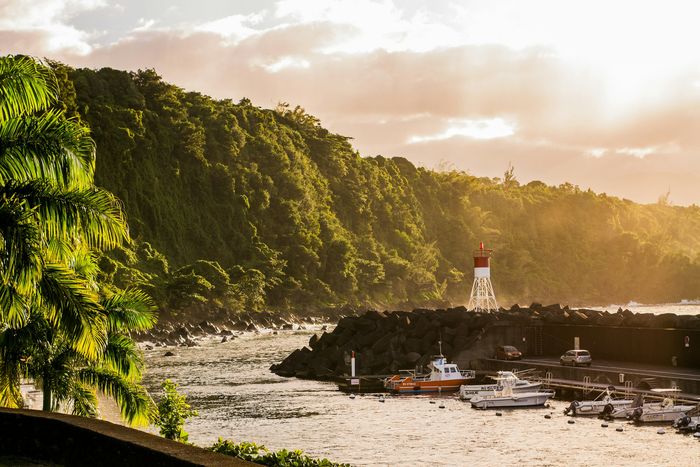
If you like Seychelles, also consider
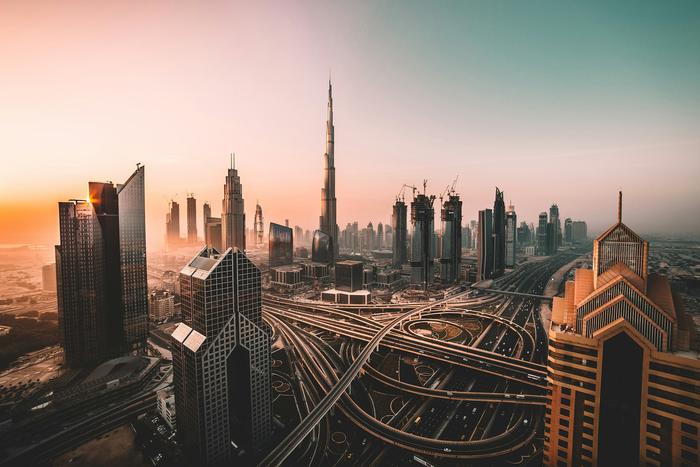
United Arab Emirates
Dubai and Abu Dhabi: superlatives, desert, and a stopover worth a few days of its own.
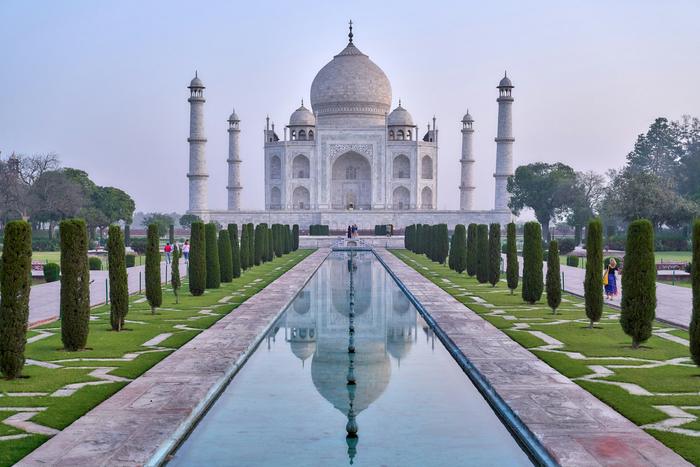
India
Overwhelming, beautiful, and utterly unlike anywhere else.

Greece
Ruins in the morning, a swim by noon, taverna until dark.
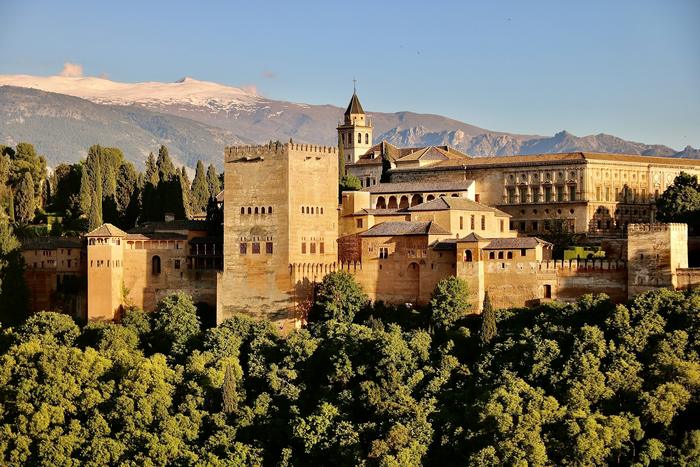
Spain
Food, beaches, and three or four cities that each justify the trip.
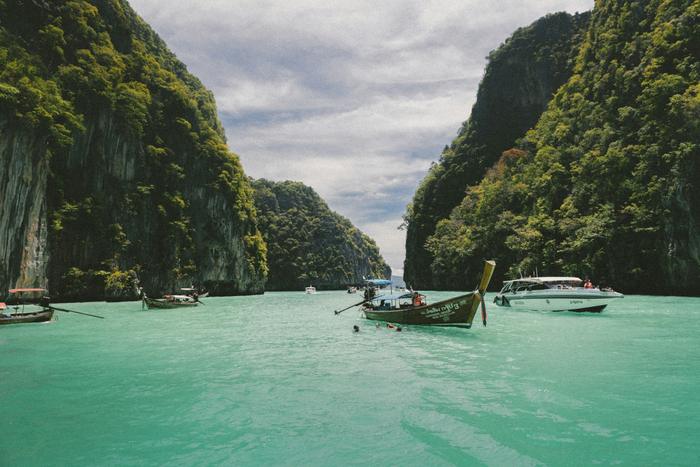
Thailand
The complete package for warm-climate travel.
Not sure where to go
Take the 5-minute quiz
Answer a few honest questions and get matched to destinations that actually fit how you travel.
Start the quiz