Kenya
The original safari, plus an Indian Ocean coast to land on afterward.
- January: peak
- February: peak
- March: fine
- April: avoid
- May: avoid
- June: fine
- July: peak
- August: peak
- September: peak
- October: peak
- November: avoid
- December: fine
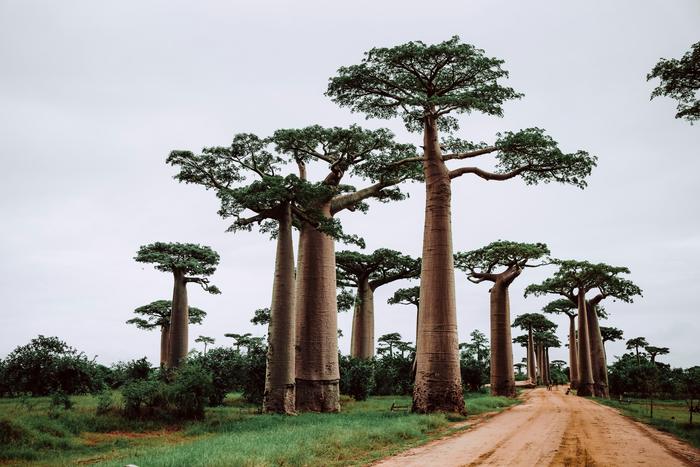
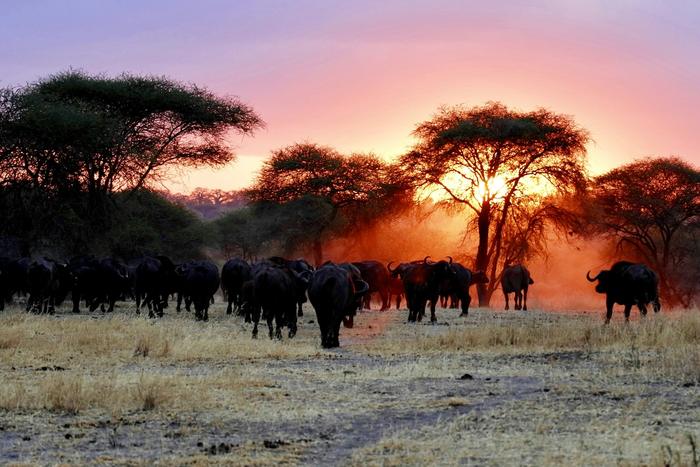
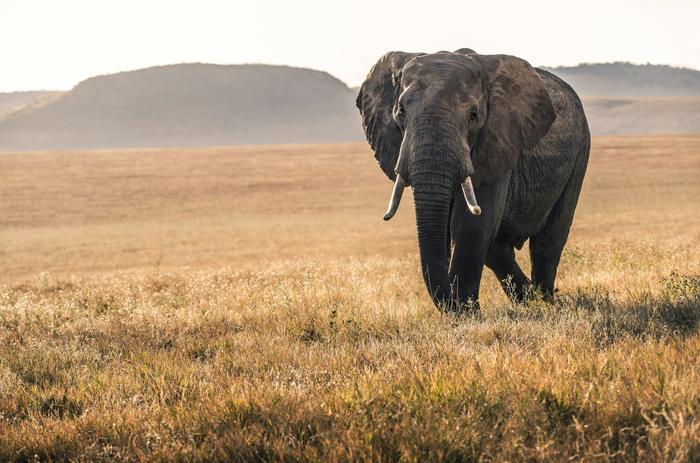
Both are African wildlife, and that’s where the resemblance ends. Kenya is the classic savannah safari — big cats, the wildebeest migration, Amboseli’s elephants — on comfortable, well-run game drives. Madagascar is a Noah’s-ark island where the animals exist nowhere else: lemurs, chameleons and endemic forests, reached on a rough overland trip. The big-game plains, or a unique island epic.
The original safari, plus an Indian Ocean coast to land on afterward.
A big-distance island epic where nine-tenths of the wildlife lives nowhere else.
Read our full guides about Kenya and Madagascar.
Emphasised where they differ. Muted rows are much the same either way.
| Kenya | Madagascar | |
|---|---|---|
| Best time | July–October, January, February | April–October |
| Climate | warm | warm |
| Budget | Mid-to-high and flexible — from budget camps to luxury lodges; the Mara’s fees drive the cost | Cheap on the ground but the logistics cost — a 4x4 with driver and days of fuel and time; carry Ariary cash |
| Trip length | 1–3 wks | 2–3 wks |
| Visa | Electronic travel authorisation (eTA) required in advance for most passports. Verify before travel. | Visa-on-arrival or e-visa for most nationalities. Verify before travel. |
| Currency | KES (Kenyan Shilling). | MGA (Malagasy Ariary). |
| Language | Swahili and English (both official). | Malagasy and French, with little English — some French helps a lot. |
| Tap water | Stick to bottled or filtered water. | Stick to bottled or filtered water. |
| Safety | Parks are safe with a guide; use city caution in Nairobi, especially after dark. | Generally safe from violent crime; petty theft in Antananarivo. The real hazards are the roads and the remoteness. |
General guidance — visas, safety, and health change, so check your government's travel advisory and the official sources before you go.
The split
Two African wildlife trips — one is the classic big-game safari, the other a unique endemic-species epic.
Kenya is the classic savannah safari: the Maasai Mara’s predators and the wildebeest migration, Amboseli’s elephants beneath Kilimanjaro, and a coast to finish — all on comfortable, well-run game drives. Madagascar is a Noah’s-ark island: no big game, but lemurs, chameleons and endemic forests found nowhere else, reached on a rough overland journey where the driving is part of the trip. The wildlife you pictured, or wildlife you can’t see anywhere else.
The operational detail — Kenya’s ETA, Mara and conservancy fees and migration timing; Madagascar’s transitional-government advisories, visa, park fees and dry-season access — lives on the two guides: Kenya, know before you go and Madagascar, know before you go. This page is the head-to-head.
Who suits which
Big-game-classic or endemic-unique — different wildlife goals entirely.
| If you want… | Kenya | Madagascar |
|---|---|---|
| The Big Five and the migration | Wins clearly. The classic safari | No big game |
| Species found nowhere else | Classic African fauna | Wins clearly. Lemurs, endemic forests |
| Comfortable, polished travel | Wins. Mature safari industry | A rough expedition |
| A beach finish | Wins. The Indian Ocean coast | Beach islands as a long add-on |
| Genuine off-map discovery | Well-trodden circuits | Wins. Still feels off the map |
| Value for the experience | Wins. Range of price points | Cheap but logistically costly |
Doing both
Far apart and different in kind — usually pick one.
Kenya and Madagascar sit far apart with no easy hop (Madagascar typically routes through a regional hub), so combining them is a longer, multi-stop trip rather than a short extension. They also deliver different wildlife experiences, so most travellers choose: the classic Kenyan big-game safari, or the unique Madagascar endemic epic. If you do both, plan them as distinct legs, time Kenya to the migration (July–October) and Madagascar to its dry season.
What we leave out
Exact prices and the moving pieces — Kenya’s park and conservancy fees and lodge tiers; Madagascar’s visa, park fees and flight reliability — change within a season, so the figures here are the shape of the gap, not a quote; the country guides carry the live detail.
Which of the two is the better bet for each month of the year, scored on how well the season suits each place.
Medinas, desert, mountains, and coast — sensory and varied.
The pyramids and Luxor — unmatched ancient sites.
The classic wind-down after a Tanzanian safari — beaches, spice, and a Swahili trading city.
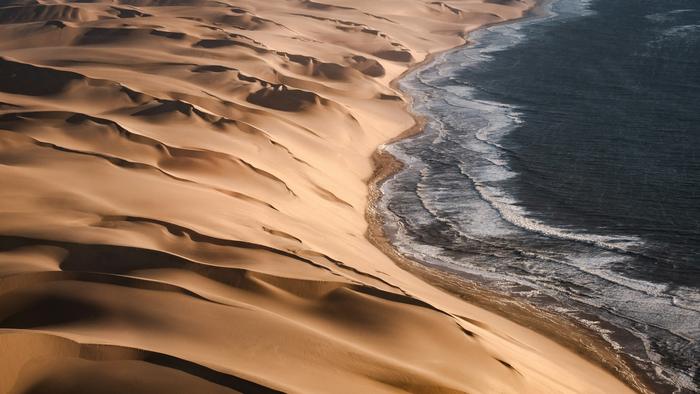
A self-drive epic through some of the emptiest country on Earth.
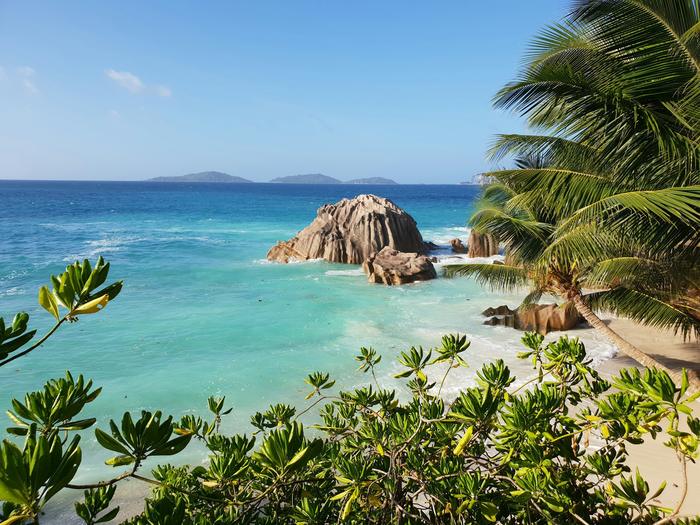
Granite-boulder beaches that look engineered, on islands built for slowing down.
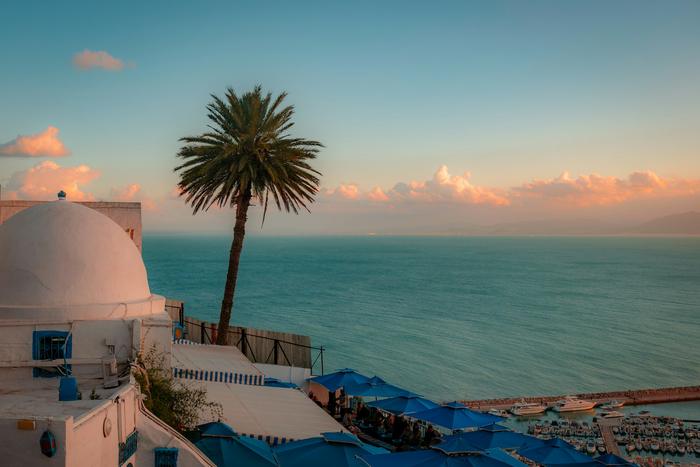
Rome-grade ruins, real Sahara, and blue-and-white coast — a cheap hop from Europe.
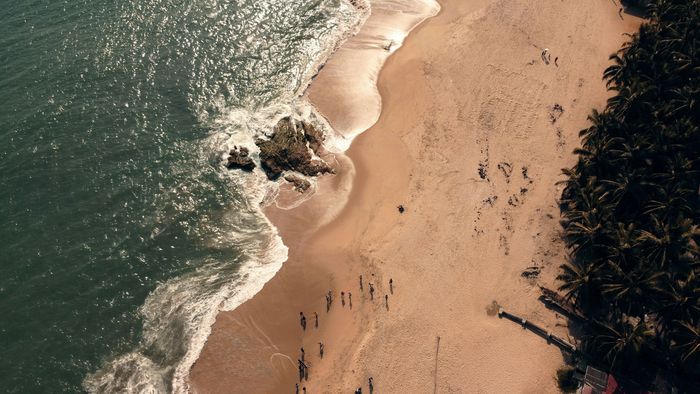
West Africa’s friendliest first trip — deep history, big culture, and beaches, in fluent English.
The Indian Ocean’s answer to Hawaii — an active volcano, roadless canyons, and world-class hiking, on French soil.
Still undecided
Three matches. Often answers comparison questions for you.
Start the quiz