Botswana
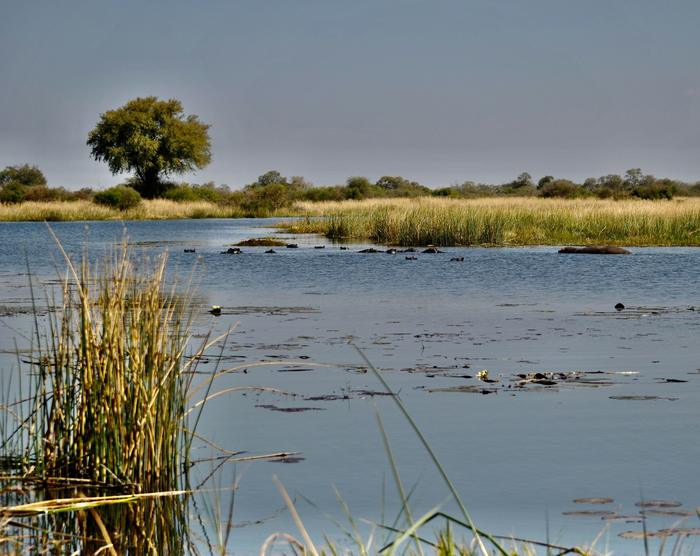
The most exclusive safari in Africa, built around a flooded desert.
- January: fine
- February: avoid
- March: fine
- April: fine
- May: peak
- June: peak
- July: peak
- August: peak
- September: peak
- October: peak
- November: fine
- December: fine
Two very different safaris. Botswana sells space and silence at a price — fly-camp-to-camp luxury built around the Okavango Delta’s flooded channels, deliberately low-volume and expensive. Kenya is where the safari was invented and still delivers the accessible, better-value version: the Masai Mara for big cats and the migration, Amboseli’s elephants, and a Swahili-coast finish.
The most exclusive safari in Africa, built around a flooded desert.
The original safari, plus an Indian Ocean coast to land on afterward.
Read our full guides about Botswana and Kenya.
Emphasised where they differ. Muted rows are much the same either way.
| Botswana | Kenya | |
|---|---|---|
| Best time | May–October | July–October, January, February |
| Climate | warm | warm |
| Budget | One of Africa’s most expensive — high-value, low-volume fly-in camps by design | Expensive but wider-ranging — high Mara fees, yet more mid-tier options than Botswana |
| Trip length | 1–2 wks | 1–3 wks |
| Visa | Visa-free for most Western passports (90 days). Verify before travel. | Electronic travel authorisation (eTA) required in advance for most passports. Verify before travel. |
| Currency | BWP (Pula). | KES (Kenyan Shilling). |
| Language | English (official) and Setswana. | Swahili and English (both official). |
| Tap water | Bottled or filtered in camps. | Stick to bottled or filtered water. |
| Safety | Very safe from crime; the real risks are the wildlife and self-driving in remote areas. | Parks are safe with a guide; use city caution in Nairobi, especially after dark. |
General guidance — visas, safety, and health change, so check your government's travel advisory and the official sources before you go.
The split
Two safaris — one is premium, empty and fly-in, the other accessible, iconic and better value.
Botswana sells space and silence at a price: fly-camp-to-camp luxury around the Okavango Delta’s flooded channels, deliberately low-volume, with mokoro trips and empty sightings. Kenya is the original, accessible safari: the Masai Mara for big cats and the migration, Amboseli’s elephants under Kilimanjaro, and a Swahili-coast finish, at a wider range of prices. Premium emptiness, or classic value.
The operational detail — Botswana’s fly-in model and Delta flood timing, Kenya’s ETA and Mara fees — lives on the two guides: Botswana, know before you go and Kenya, know before you go. This page is the head-to-head.
Who suits which
Exclusive-and-empty or accessible-and-value — so these rarely invert.
| If you want… | Botswana | Kenya |
|---|---|---|
| Exclusivity and empty sightings | Wins clearly. Low-volume by design | Busier, more vehicles |
| A wider range of prices | Premium only | Wins clearly. Mid-tier options |
| A water safari (mokoro, Delta) | Wins. The Okavango | Savannah, not water |
| The Great Migration | Not here | Wins. The Mara crossings |
| Easy access | Fly-in, remote | Wins. Road or short flight |
| A beach finish | Landlocked | Wins. The Swahili coast |
Doing both
No land link — usually one or the other.
They sit far apart in different parts of Africa with no land route, so combining them means flights, and each is a complete safari in itself — in practice an either/or. Both reward the dry season, with Botswana’s Okavango flood peaking within it (June–August) and Kenya’s Mara crossings running July–October. Decide by what you want from a safari: premium emptiness, or accessible, iconic value.
What we leave out
Exact prices and the moving pieces — Botswana’s camp and park fees, Kenya’s Mara and conservancy fees — change within a season, so the figures here are the shape of the gap, not a quote; the country guides carry the live detail.
Which of the two is the better bet for each month of the year, scored on how well the season suits each place.
Medinas, desert, mountains, and coast — sensory and varied.
The pyramids and Luxor — unmatched ancient sites.
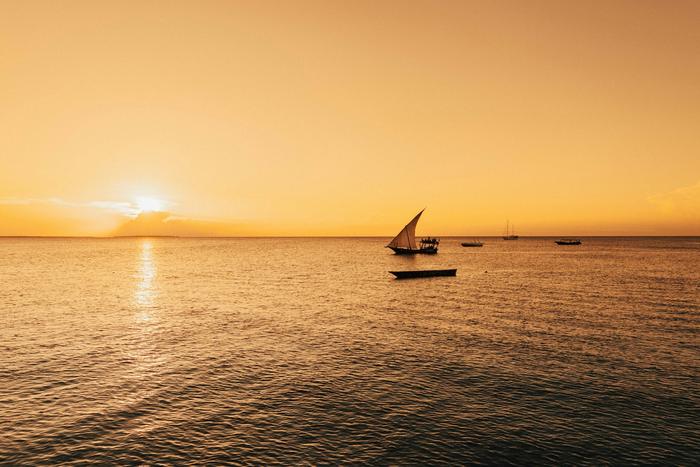
The classic wind-down after a Tanzanian safari — beaches, spice, and a Swahili trading city.
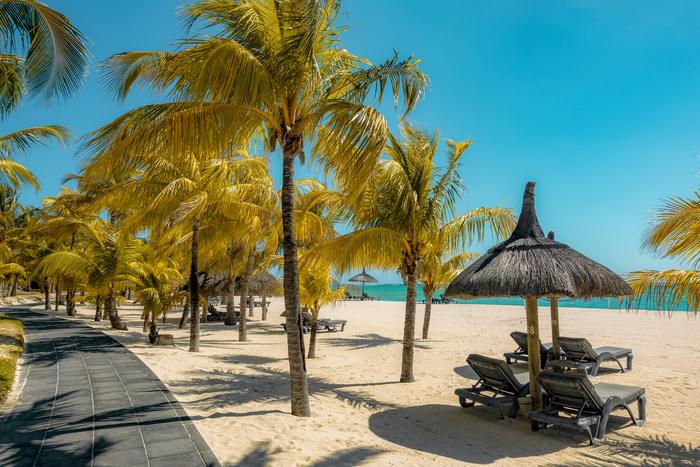
A resort island that actually has an interior worth leaving the beach for.
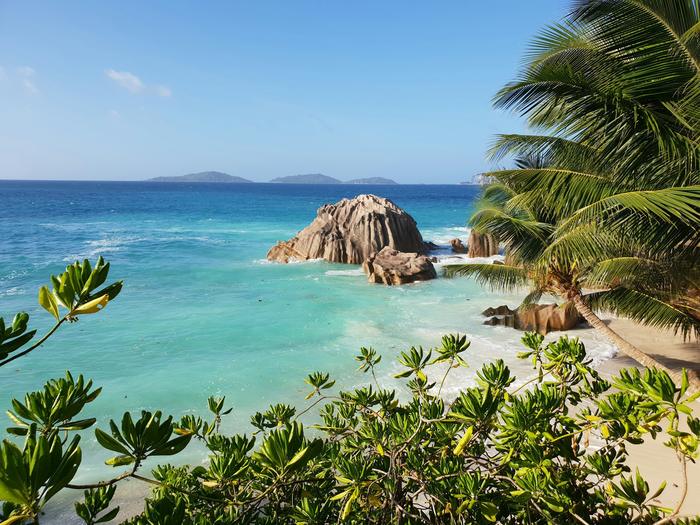
Granite-boulder beaches that look engineered, on islands built for slowing down.
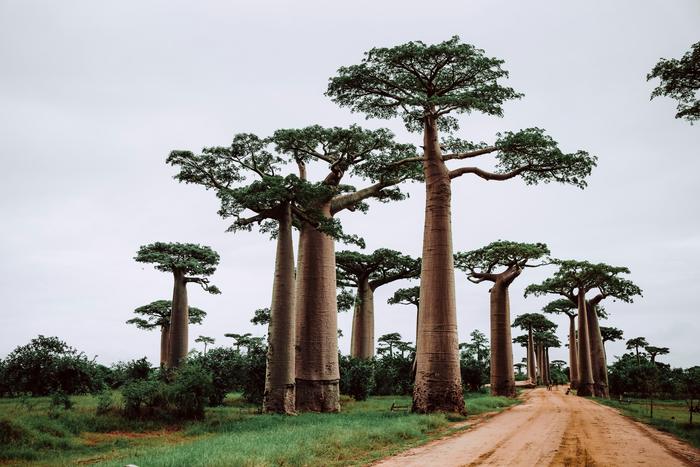
A big-distance island epic where nine-tenths of the wildlife lives nowhere else.
Rome-grade ruins, real Sahara, and blue-and-white coast — a cheap hop from Europe.
West Africa’s friendliest first trip — deep history, big culture, and beaches, in fluent English.
Still undecided
Three matches. Often answers comparison questions for you.
Start the quiz