Réunion
The Indian Ocean’s answer to Hawaii — an active volcano, roadless canyons, and world-class hiking, on French soil.
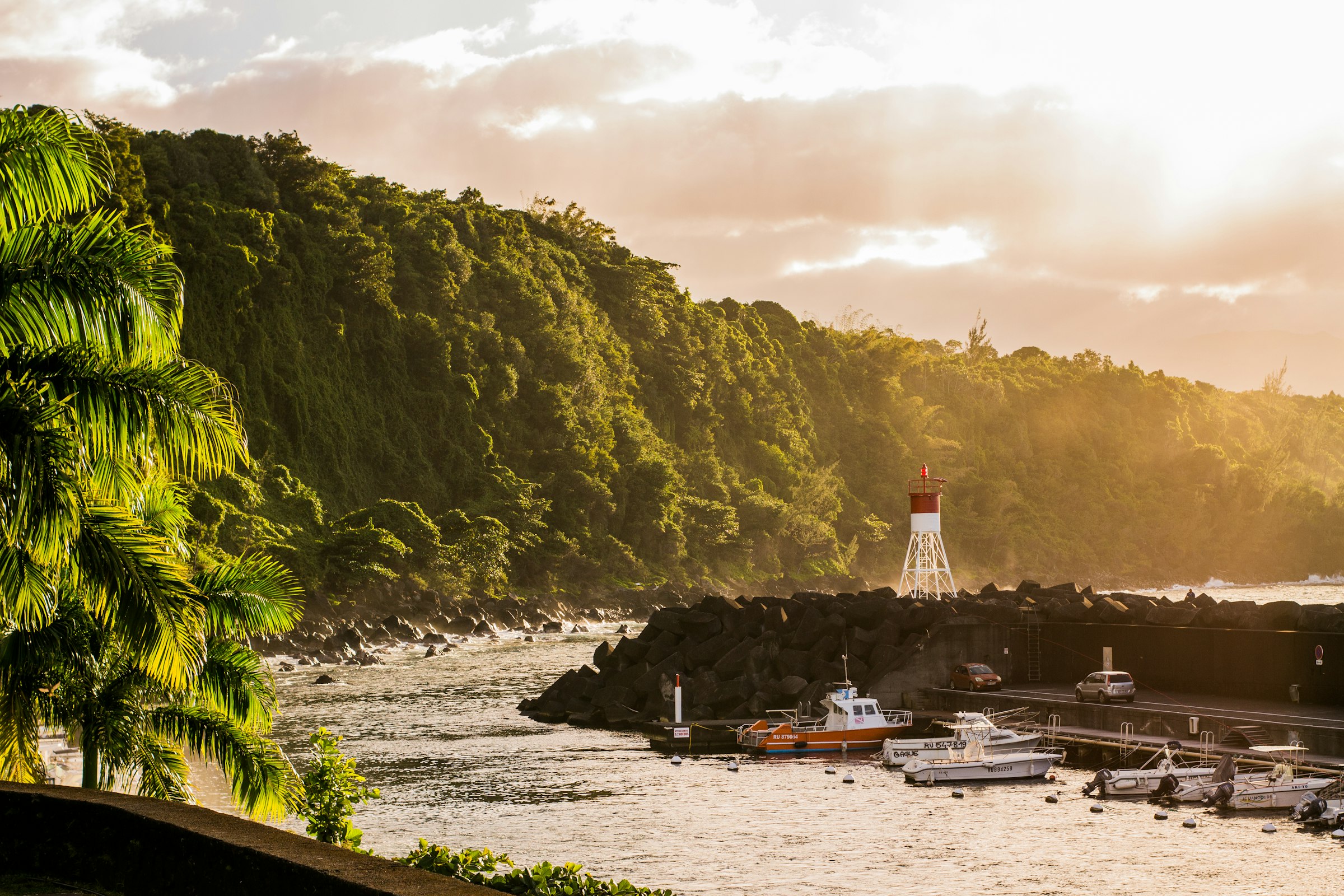
Réunion is a French island east of Madagascar that trades its beaches for mountains: a young volcanic island whose interior is a crumpled world of soaring peaks, deep canyons, and one of the most active volcanoes on earth. It's a full French département — euros, baguettes, good roads — wrapped around genuinely wild terrain, and it draws hikers rather than sunbathers. Think the drama of Hawaii with a Creole-French accent.
The interior is the point. Three vast cirques — natural amphitheatres left by the collapse of an old volcano — corrugate the middle of the island, and one of them, Mafate, has no roads at all: you reach its scattered hamlets only on foot or by helicopter. Above them rises Piton des Neiges, the highest peak in the Indian Ocean, usually climbed overnight for a sunrise. On the other side, Piton de la Fournaise erupts often enough that you may catch lava, and you can hike across its lunar crater floor. The GR R2 trail traverses the whole island for those with the legs. Down at sea level there's a lagoon-protected beach strip at l'Hermitage and a Creole food scene of rougail and cari, but nobody comes to Réunion to lie down.
The honest part: this is an active, demanding, hiking-first island — if you want a flop-and-swim beach holiday, it's the wrong choice, and the limited beaches carry a shark risk that keeps surfers out of much of the water. It's French-priced (not cheap), French-speaking (limited English), and the weather divides sharply between the cool dry hiking season and the hot, cyclone-prone wet months. Come in the southern winter (roughly May to November), bring your boots, and you get some of the most spectacular volcanic mountain scenery anywhere — with the ease of travelling in France.
Highlights
-
Piton de la Fournaise
One of the most active volcanoes on earth — hike across its crater floor, and time it right for lava.
-
Cirque de Mafate
A roadless caldera of cliff-perched hamlets reached only on foot or by helicopter — Réunion’s wild heart.
-
Piton des Neiges
The highest peak in the Indian Ocean, climbed overnight for a sunrise above the clouds.
-
Cirque de Cilaos & Salazie
The other two amphitheatres — hairpin roads, thermal springs, waterfalls, and Creole villages.
-
Hiking the GR R2
A long-distance traverse of the island’s mountainous spine — some of the best trekking in the tropics.
-
Creole coast & food
The lagoon beach at l’Hermitage and a kitchen of cari, rougail, and samosas.
Practical info
- Visa
- France (Schengen rules apply) — visa-free for most Western passports. Verify before travel.
- Currency
- EUR (€).
- Language
- French and Réunion Creole; limited English.
- Safety
- Very safe on land; heed shark warnings and swim only in the protected lagoon areas.
- Getting around
- Rent a car — essential for the mountain roads; helicopter flights reach Mafate and buzz the volcano.
- Tap water
- Tap water is generally safe in populated areas.
- Plug type
- Type C Type E 230V
- Money
- Cards widely accepted.
General guidance — visas, safety, and health change, so check your government's travel advisory and the official sources before you go.
Common questions
- When is the best time to visit Réunion?
- Réunion is at its best in May–October. It's best to avoid January, February, December.
- How many days do you need in Réunion?
- Most trips run about 1 week, depending on how much ground you want to cover.
- Is Réunion expensive?
- Plan for mid-range daily spend, depending on how you travel.
- Is Réunion safe for travelers?
- Very safe on land; heed shark warnings and swim only in the protected lagoon areas.
- Do you need a visa for Réunion?
- France (Schengen rules apply) — visa-free for most Western passports. Verify before travel.
Compare Réunion with
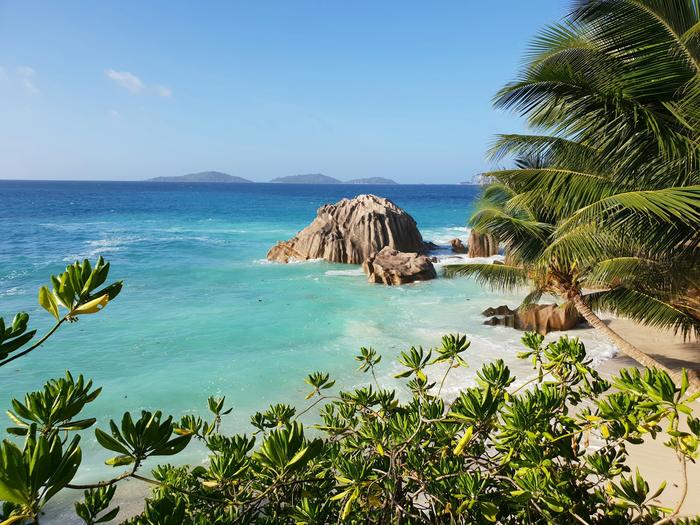
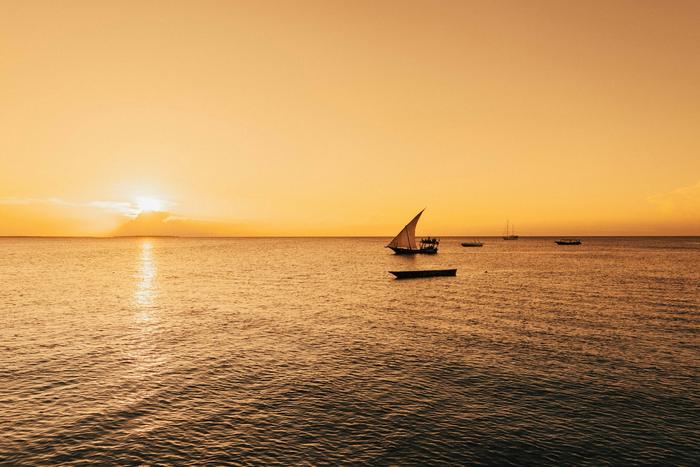
If you like Réunion, also consider
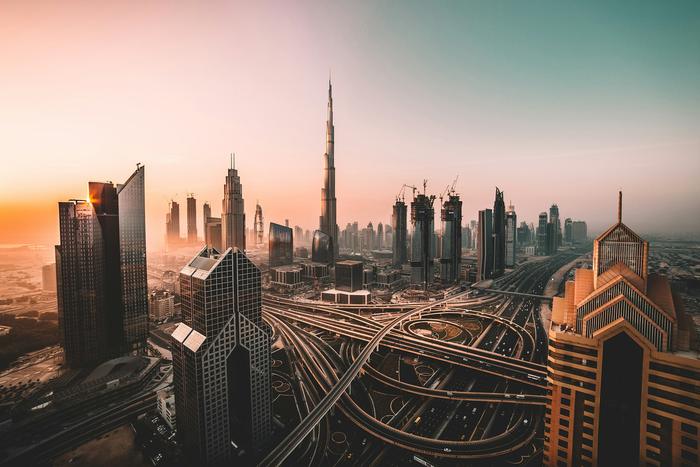
United Arab Emirates
Dubai and Abu Dhabi: superlatives, desert, and a stopover worth a few days of its own.
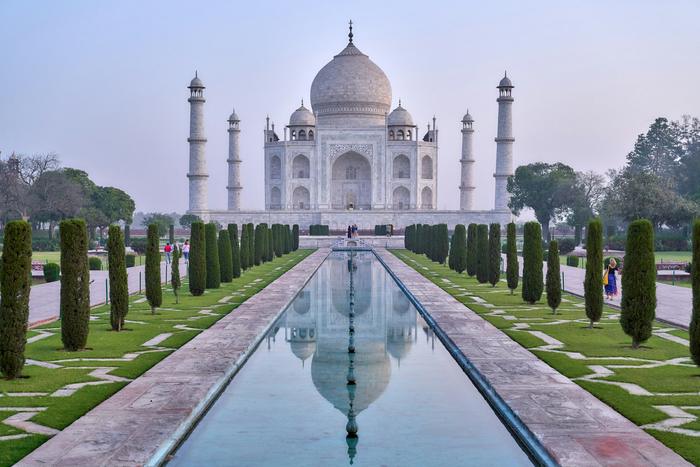
India
Overwhelming, beautiful, and utterly unlike anywhere else.
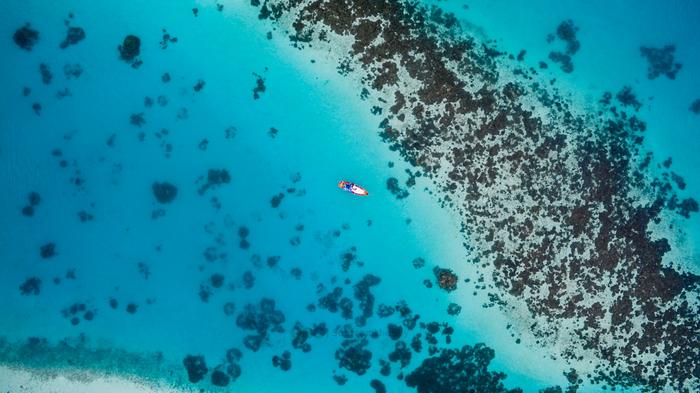
Maldives
One island, one resort, almost nothing to do. That is the point.
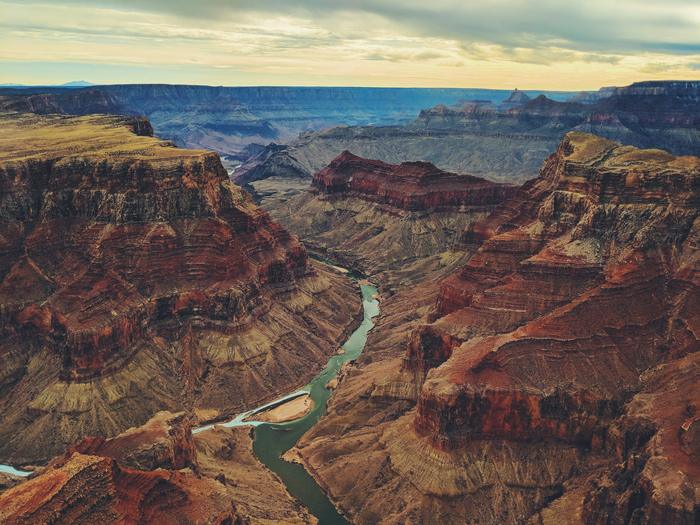
United States
A continent pretending to be a country — cities, deserts, and the best national parks anywhere.
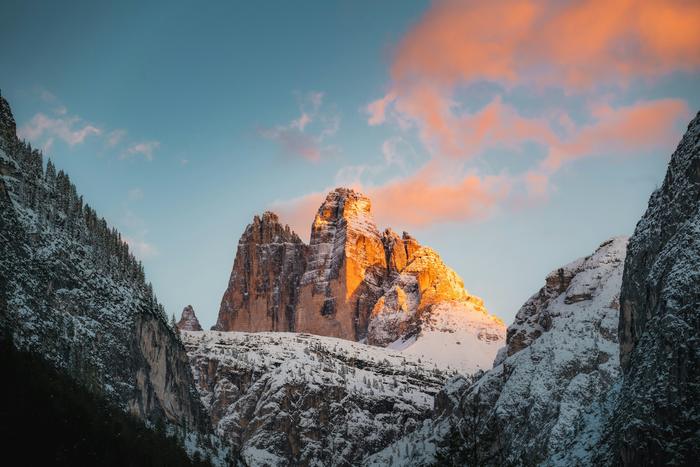
The Alps
The ski and alpine benchmark — every other mountain range is measured against this.
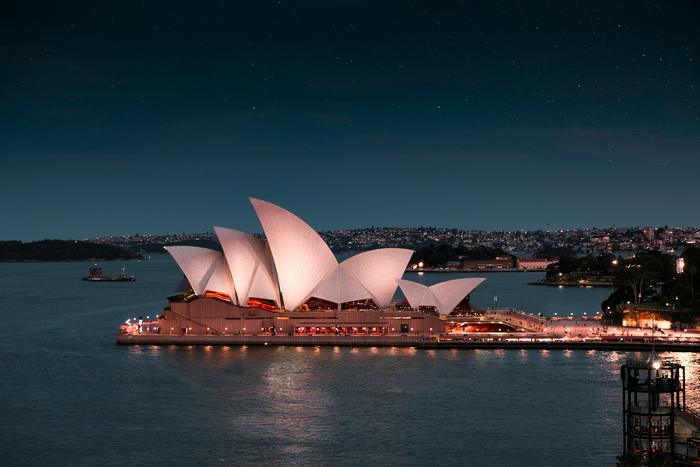
Australia
Vast, varied, relaxed. Reef, Sydney, and proper wilderness in one.
Not sure where to go
Take the 5-minute quiz
Answer a few honest questions and get matched to destinations that actually fit how you travel.
Start the quiz