Madagascar
A big-distance island epic where nine-tenths of the wildlife lives nowhere else.
Madagascar is a slow, rough overland trip that stitches together baobab avenues, lemur-filled rainforests, weird limestone pinnacles, and the odd beach island. It looks nothing like mainland Africa — this is a Noah's-ark island where most of what you see, from the lemurs to the trees, exists nowhere else on Earth. You cover it in a 4x4 with a driver, and the driving is the trip as much as the stops are.
The classic route is a big-distance overland journey down the spine of the island, threading the Avenue of the Baobabs for sunset, the indri-calling rainforests of Andasibe, the razor-sharp limestone forest of Tsingy de Bemaraha, and the canyons and swimming pools of Isalo — with a beach island like Nosy Be or Île Sainte-Marie tacked on at the end if you want one. It's slow, rough, and utterly unlike the rest of Africa: a Noah's-ark island where the wildlife evolved in isolation and looks it, and where each day of driving delivers a landscape you didn't expect.
The honest part: this is one of the poorest countries on Earth, the roads are punishing, and the distances swallow whole days — a 300-kilometre leg can eat a full day of teeth-rattling driving. Infrastructure is minimal, domestic flights save you days but aren't always reliable, and a bit of French really helps since English barely gets you anywhere. The trade-off is the whole point: around 90% of Madagascar's wildlife is found nowhere else, and few places left on the planet still feel this genuinely off the map.
Highlights
-
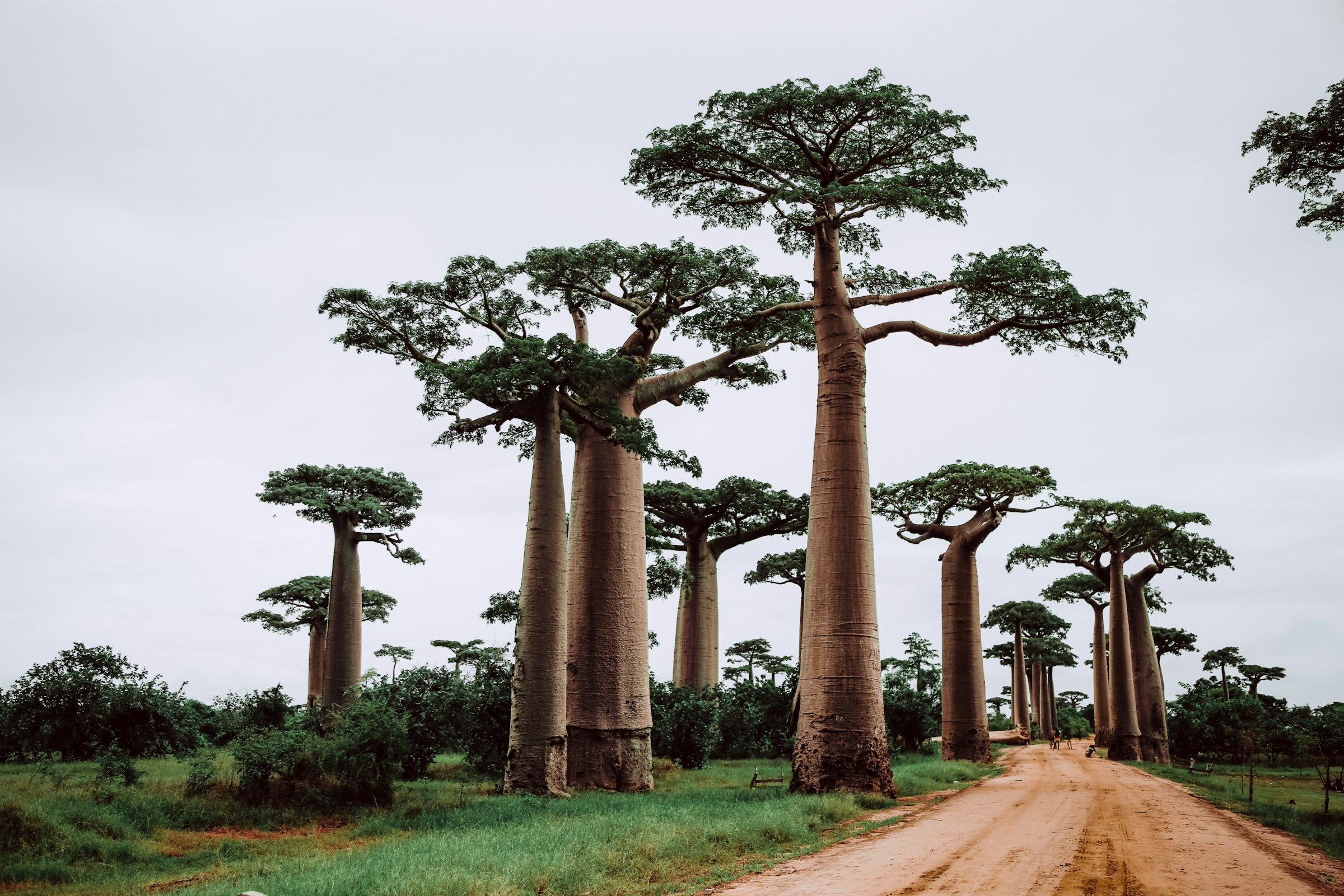
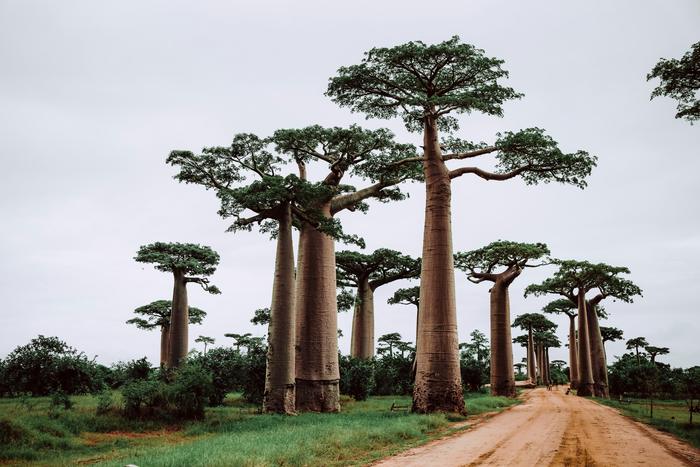
Avenue of the Baobabs
A row of giant baobabs on a dirt road near Morondava. Go for sunset.
-
Andasibe-Mantadia
Rainforest home of the indri, the largest lemur — hear them call at dawn.
-
Tsingy de Bemaraha
A UNESCO forest of razor-sharp limestone pinnacles you clamber through.
-
Isalo National Park
Sandstone canyons, natural pools, and long walks in the dry south.
-
Ranomafana
Dense, misty rainforest thick with lemurs, chameleons, and birds.
-
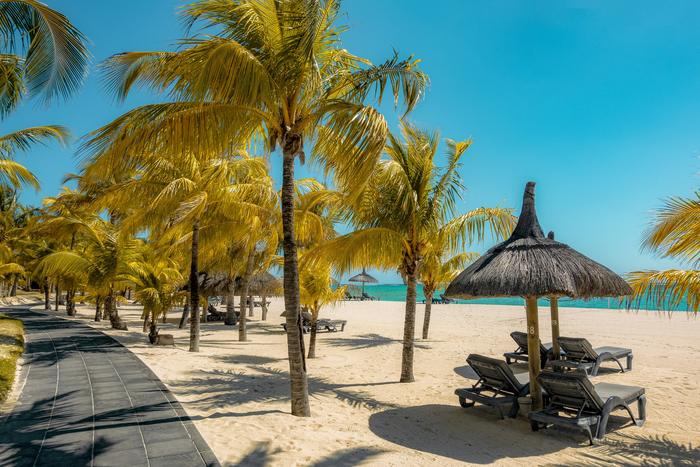
Nosy Be & Île Sainte-Marie
The beach islands — turquoise water and whales in season.
Practical info
- Visa
- Visa-on-arrival or e-visa for most nationalities. Verify before travel.
- Currency
- MGA (Malagasy Ariary).
- Language
- Malagasy and French, with little English — some French helps a lot.
- Safety
- Generally safe from violent crime; petty theft in Antananarivo. The real hazards are the roads and the remoteness.
- Getting around
- A 4x4 with a driver is effectively required — distances are enormous and roads terrible. Domestic flights save days.
- Tap water
- Stick to bottled or filtered water.
- Plug type
- Type C Type E 220V
- Money
- Mostly cash (Ariary); few ATMs outside the cities.
General guidance — visas, safety, and health change, so check your government's travel advisory and the official sources before you go.
Common questions
- When is the best time to visit Madagascar?
- Madagascar is at its best in April–October. It's best to avoid January, February, March.
- How many days do you need in Madagascar?
- Most trips run 2–3 weeks, depending on how much ground you want to cover.
- Is Madagascar expensive?
- Plan for budget – mid-range daily spend, depending on how you travel.
- Is Madagascar safe for travelers?
- Generally safe from violent crime; petty theft in Antananarivo. The real hazards are the roads and the remoteness.
- Do you need a visa for Madagascar?
- Visa-on-arrival or e-visa for most nationalities. Verify before travel.
Compare Madagascar with
If you like Madagascar, also consider
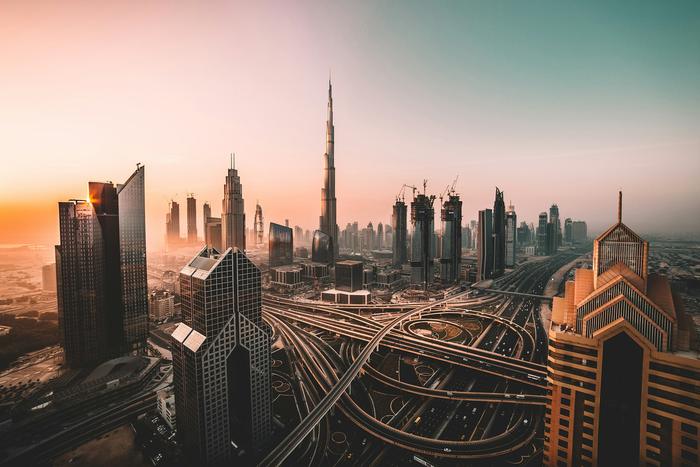
United Arab Emirates
Dubai and Abu Dhabi: superlatives, desert, and a stopover worth a few days of its own.
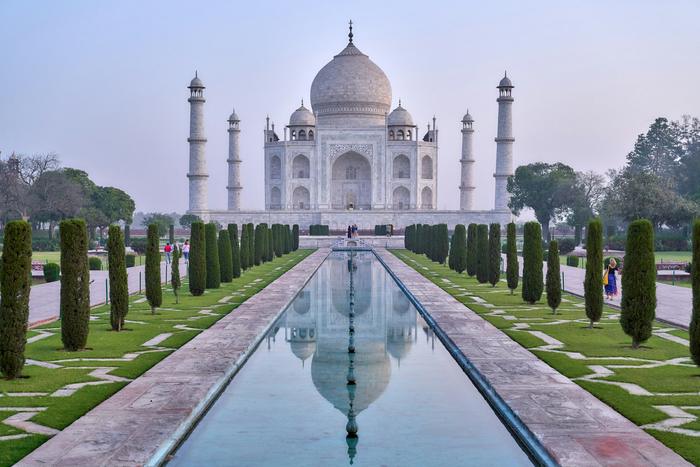
India
Overwhelming, beautiful, and utterly unlike anywhere else.
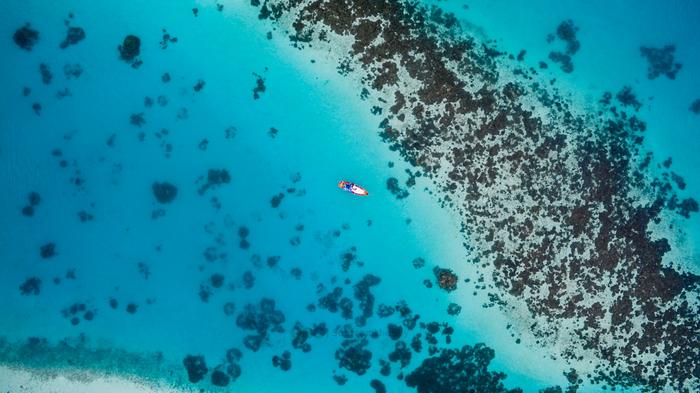
Maldives
One island, one resort, almost nothing to do. That is the point.
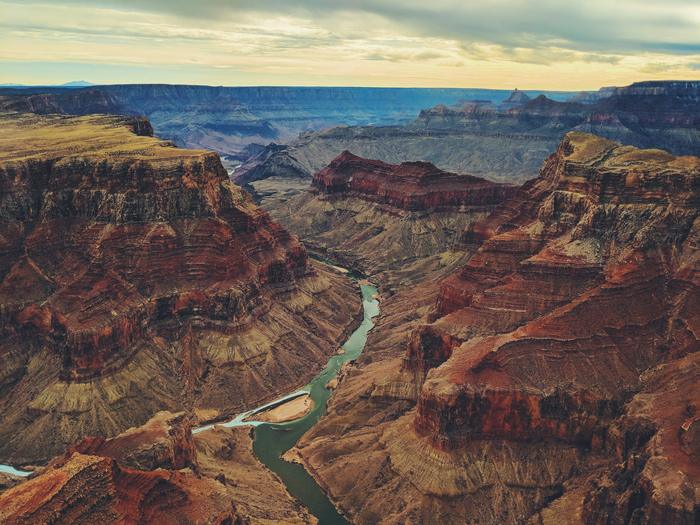
United States
A continent pretending to be a country — cities, deserts, and the best national parks anywhere.
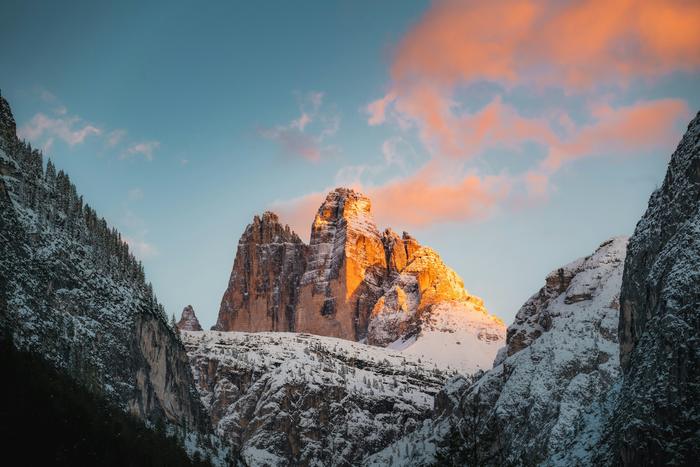
The Alps
The ski and alpine benchmark — every other mountain range is measured against this.
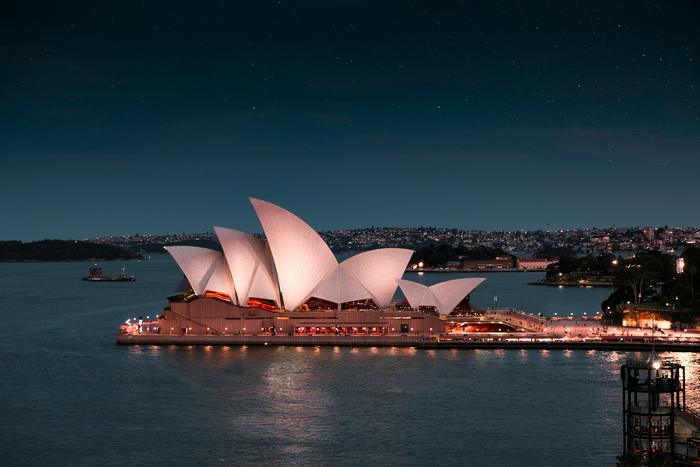
Australia
Vast, varied, relaxed. Reef, Sydney, and proper wilderness in one.
Not sure where to go
Take the 5-minute quiz
Answer a few honest questions and get matched to destinations that actually fit how you travel.
Start the quiz