Germany vs Ireland

Two very different European trips. Germany is the big, efficient, continental one — a dense run of great cities, deep history and culture, Christmas markets and fast trains, best explored city to city. Ireland is the small, green, scenic one — a coastal road trip of cliffs and islands, wrapped in pub-and-music culture, best explored by car. One is cities and history on the mainland; the other is landscape and atmosphere on the Atlantic edge.

Western Europe

Germany

Serious cities, river valleys, and the Alps in the south.

Best time to visit
  1. January: fine
  2. February: avoid
  3. March: fine
  4. April: fine
  5. May: peak
  6. June: peak
  7. July: peak
  8. August: fine
  9. September: peak
  10. October: fine
  11. November: avoid
  12. December: peak
Peak Fine Avoid

Western Europe

Ireland

Rent a car, chase the coast, accept the weather.

Best time to visit
  1. January: avoid
  2. February: avoid
  3. March: fine
  4. April: fine
  5. May: peak
  6. June: peak
  7. July: peak
  8. August: peak
  9. September: peak
  10. October: fine
  11. November: avoid
  12. December: avoid
Peak Fine Avoid

Read our full guides about Germany and Ireland.

Side by side

Emphasised where they differ. Muted rows are much the same either way.

Germany Ireland
Best time May–July, September, December May–September
Climate mild mild
Budget Moderate for Western Europe — good-value rail and cities Expensive — Dublin and the summer west coast are the pricey poles
Trip length 1–3 wks 1–2 wks
Visa Schengen — visa-free for most Western passports (90 days). Not Schengen; visa-free for most Western passports (90 days).
Currency EUR (€) EUR (€) in the Republic; GBP (£) in Northern Ireland.
Language German. English widely spoken in cities. English and Irish.
Tap water Tap water safe and good. Tap water safe.
Safety Very safe. Very safe.

General guidance — visas, safety, and health change, so check your government's travel advisory and the official sources before you go.

The split

Continental cities, or an Atlantic road trip

Both are Western Europe — but one is a big, efficient mainland of cities and history, the other a small green island of coast and craic.

Cities vs coastwhat each is really forUrban history and culture, or scenery and atmosphere
Train vs carhow you travelA dense rail network, or a self-drive coastal loop
Breadth vs moodthe experienceA dozen distinct cities, or one island taken slowly

Germany is the big continental one — a dense run of distinct cities (Berlin, Munich, Hamburg, Cologne), deep and layered history, world-class museums, Christmas markets and beer-hall culture, all linked by fast, efficient trains. Ireland is the small scenic one: a coastal road trip along the Wild Atlantic Way — cliffs, islands, green hills — wrapped in the pub-and-live-music culture that gives it its mood, and best driven at an unhurried pace.

The operational detail — Germany’s rail booking, city passes and Schengen entry; Ireland’s car-hire quirks, west-coast logistics and the non-Schengen/UK-ETA entry picture — lives on the two guides: Germany, know before you go and Ireland, know before you go. This page is the head-to-head.

The real difference

History and efficiency, or scenery and atmosphere

The trade: Germany gives you urban depth and easy logistics; Ireland gives you landscape, pace and personality.

Germany wins on cities, culture and convenience. If you want to move efficiently between a dozen very different places — imperial capitals, cathedral cities, the Rhine and the Alps — soaking up museums and history with the trains doing the work, Germany is hard to beat, and it does it at a reasonable Western-European price.

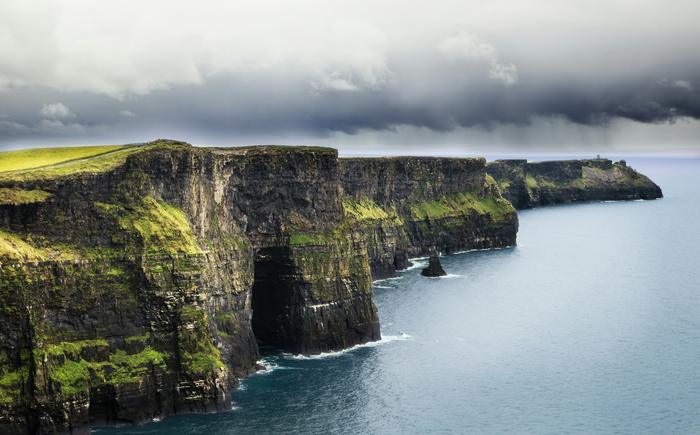
Ireland wins on scenery and feel. Its draw isn’t monuments but the coast — the Cliffs of Moher, the Ring of Kerry, Connemara — and the warmth of its pubs and sessions, experienced slowly from behind the wheel. It costs more and asks you to drive, but delivers a mood and a landscape Germany simply isn’t offering. Choose urban breadth, or Atlantic atmosphere.

Who suits which

Who each actually suits

Both reward travellers — but one leans cities and history, the other coast and culture.

If you want…GermanyIreland
Great cities and museumsWins. A dozen distinct onesDublin, then the countryside
Wild coastal sceneryRivers and the Alps, not coastWins. The Wild Atlantic Way
Easy train travelWins. Dense, efficient railA car is really needed
Pub and live-music cultureBeer halls, but less centralWins. It’s the whole mood
Deep, layered historyWins. Centuries of it, everywherePresent, but scenery leads
Better value on a long tripWins. Stretches furtherExpensive, Dublin especially

Doing both

Two trips, two modes

No land link — pick the character you want.

There’s no natural way to combine them into one circuit: they’re separated by sea and by style — German cities by rail, the Irish coast by car — so doing both means a flight and two different kinds of holiday. Most travellers choose the one that matches the trip they want: urban and historical, or scenic and atmospheric. If you’re comparing more of Europe, Germany also lines up against its neighbour (see Belgium vs Germany).

What we leave out

What we deliberately leave out

Exact prices beyond the structural comparison — German rail fares and city costs, Irish accommodation and car hire all move with season and booking — so the figures here are the shape of the difference, not a quote; the country guides carry the live detail. The entry mechanics differ too (Germany’s Schengen/EES process, Ireland’s non-Schengen status and the UK-ETA catch for Northern Ireland), and those are covered on the guides rather than restated here.

Germany or Ireland, month by month

Which of the two is the better bet for each month of the year, scored on how well the season suits each place.

Which to choose

Choose Germany if:

  • Cities, museums and deep history are the draw.
  • You want fast trains between a dozen distinct places.
  • Christmas markets, beer halls and cultural depth over scenery.

Choose Ireland if:

  • A coastal road trip and wild scenery are the whole point.
  • Pubs, live music and atmosphere matter more than monuments.
  • You’d rather drive one green island than hop between cities.

Common questions

Is Germany or Ireland cheaper?
Germany, generally — its cities offer good value for Western Europe, rail is reasonable if booked ahead, and food and drink are moderate. Ireland is expensive, Dublin above all, where accommodation is the real squeeze. Neither is a bargain, but Germany stretches the budget further across a longer trip; Ireland’s costs climb fast once you factor in west-coast summer rooms and car hire.
Which is better for a first trip?
It depends what you travel for. Germany suits a first-timer who wants cities, history and culture strung together by efficient trains — Berlin, Munich, the Rhine, a dozen distinct places in two weeks. Ireland suits a first-timer who wants scenery and atmosphere — a self-drive loop of the Wild Atlantic Way, pubs and music, taken slowly. Pick Germany for breadth and urban depth, Ireland for landscape and mood.
Do the entry rules differ?
Yes, and it catches people out. Germany is in the Schengen area, so the EU’s biometric entry system now applies and the ETIAS authorisation is coming (expected 2027). Ireland is not in Schengen and not covered by ETIAS, and asks nothing of visa-exempt visitors — but the moment an Irish trip crosses into Northern Ireland, that’s the UK, and non-visa nationals need a UK ETA. The country guides carry the current detail for each.
Which is easier to get around?
Germany by train, Ireland by car. Germany has a dense, efficient rail network linking its cities, so you rarely need to drive. Ireland’s appeal is rural and coastal, public transport thins out fast outside the cities, and the Wild Atlantic Way is built around a hire car — on the left, down narrow lanes, with the Irish rental quirks noted on the guide. Match the mode to the country: rails for Germany, wheels for Ireland.
Can I combine them?
They don’t form a natural single trip — there’s no land link, so combining means a flight and two distinct modes (German cities by rail, Irish coast by car). It’s doable on a longer holiday, but most people pick one for the character they want. If you’re weighing other European contrasts, Germany also sits against its neighbours (see Belgium vs Germany).

Still undecided

Take the quiz

Three matches. Often answers comparison questions for you.

Start the quiz