Ireland
Rent a car, chase the coast, accept the weather.
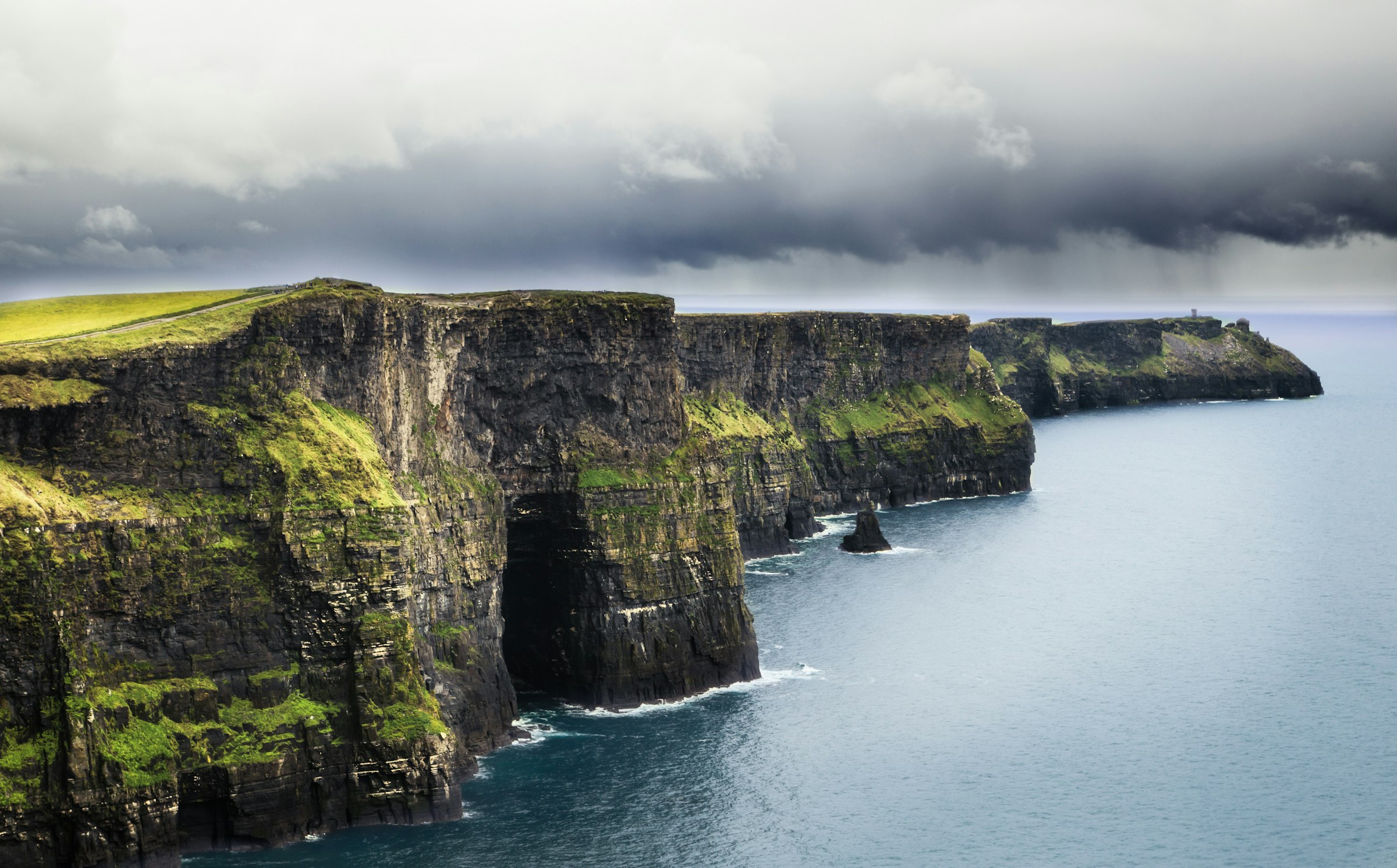
Ireland is about the edges — the Wild Atlantic Way, the cliffs, the green that comes from rain you'll meet daily. Dublin is worth a couple of days for the pubs and the writers, but the trip is the drive: Kerry, Connemara, the north coast. Pack for four seasons in a day and don't rush it.
The shape of the trip: fly into Dublin, give it two nights, then drive west and let the coast set the pace. The Ring of Kerry and the Dingle Peninsula each take a slow day; Doolin earns a night for trad sessions near the Cliffs of Moher; Galway works as a base for Connemara. Distances look short on the map and aren't — the good roads are narrow and the photo stops are constant. B&Bs and pub meals take most of the budget.
The honest part: Ireland is expensive — Dublin hotel prices sting — and it will rain on your trip, possibly every day of it, including July. Temple Bar is a tourist trap and the Cliffs of Moher at midday are a coach park. If you need guaranteed sun or big-ticket monuments, go elsewhere. But the pubs are the real attraction, the people genuinely are that easy to talk to, and a grey day on the Atlantic coast makes its own case.
Highlights
-
Dublin
Trinity College, Georgian streets, and a proper pint of Guinness.
-
The Wild Atlantic Way
Cliffs of Moher to the Dingle Peninsula by car.
-
Connemara & Galway
Bog, mountain, and the best small city in the country.
-
The Causeway Coast
North into Northern Ireland for the basalt columns.
Practical info
- Visa
- Not Schengen; visa-free for most Western passports (90 days).
- Currency
- EUR (€) in the Republic; GBP (£) in Northern Ireland.
- Language
- English and Irish.
- Safety
- Very safe.
- Getting around
- Hire a car for the coast; trains and buses link the cities.
- Tap water
- Tap water safe.
- Plug type
- Type G 230V
- Money
- Cards accepted everywhere.
General guidance — visas, safety, and health change, so check your government's travel advisory and the official sources before you go.
Common questions
- What do you need to enter Ireland?
- Less than people assume. The Republic of Ireland is not in the Schengen area and not covered by the EU’s ETIAS (or EES), and it has no travel-authorisation scheme of its own — visa-exempt visitors (US, Canada, Australia and others) just get a passport stamp on arrival, usually for up to 90 days. The catch is the border within the island: the moment you cross into Northern Ireland — for the Giant’s Causeway or Belfast — or fly on to Great Britain, you are in the UK, and non-visa nationals now need a UK ETA (see below). Your passport should be valid for the length of the stay.
- Do I need a UK ETA if I’m only visiting the Republic?
- No. The UK Electronic Travel Authorisation applies to the United Kingdom — England, Scotland, Wales and Northern Ireland — not to the Republic of Ireland. But there is no tourist exemption for crossing the open land border: if your trip takes in the Giant’s Causeway, Belfast or the Causeway Coast, that’s Northern Ireland, and a non-visa national needs a UK ETA even arriving by road from Dublin. It costs £20 (raised from £16 in April 2026), covers multiple trips over two years, is applied for via the official UK app or website (avoid third-party resellers), and British and Irish citizens are exempt. Plan it as part of any all-Ireland itinerary.
- When is the best time to visit Ireland?
- May to September, with May and September the sweet spot — the longest, mildest days, full tourist infrastructure and fewer crowds than the July–August peak. The weather is the national caveat: mild, wet and changeable in every season, with summer highs often only around 18–20°C, so pack layers and rain gear whenever you come and don’t plan around sunshine. Midsummer gives very long evenings this far north; winter is dark and many rural attractions run reduced hours.
- Do I need a car in Ireland?
- For the coast and countryside, effectively yes — public transport thins out fast outside the cities, and the Wild Atlantic Way, Ring of Kerry and Connemara are built around a car. Three things to know: you drive on the left; rural roads are narrow and slow, so journeys take longer than the map suggests; and Irish car hire has quirks — most firms require a credit card (not debit) at the counter, fleets are overwhelmingly manual (book an automatic well ahead), under-25s pay a young-driver surcharge, and the standard insurance excess is high, so the Super-CDW top-up is worth it on those narrow lanes. Dublin and the other cities are better on foot and transit.
- Which Irish sights need booking ahead?
- The headline ones. Newgrange and Brú na Bóinne can only be reached by shuttle bus from the visitor centre — you cannot drive to the monuments — and tickets must be pre-booked by everyone. The Cliffs of Moher use dynamically-priced online tickets that are markedly cheaper booked a day or more ahead than at the gate. Trinity College’s Book of Kells is timed-entry and summer slots sell out days ahead, and the Guinness Storehouse is online timed-entry too. Book these before you travel in high season.
- Is Ireland expensive?
- Yes — markedly. It’s one of western Europe’s pricier destinations, and Dublin accommodation is the real pain point: a housing shortage layered on tourism demand keeps rooms scarce and dear, so book summer city stays well ahead. The west coast in peak summer is the other expensive pole. Eating and drinking out adds up (though a July 2026 VAT cut trimmed restaurant prices a little), but self-catering, hostels and the shoulder season all bring it down.
Entry
No ETIAS, no Irish scheme — but the UK ETA bites
Ireland sits outside Schengen and ETIAS and asks nothing of visa-exempt visitors — until you step across into the UK-run North.
The point that catches people: the Republic of Ireland is not in the Schengen area and is not covered by the EU’s ETIAS or EES, and it runs no authorisation scheme of its own. A US, Canadian or Australian visitor simply lands, gets a stamp and has up to 90 days — no form, no fee. Your passport needs only to be valid for the stay.
The complication is the island’s internal border. Northern Ireland is part of the United Kingdom, so the moment a trip takes in the Giant’s Causeway, Belfast or the Causeway Coast — or flies onward to Great Britain — the UK ETA applies: £20 (up from £16 in April 2026), multiple entries over two years, applied for on the official UK app or site. There is deliberately no tourist exemption for crossing the open land border from Dublin, so an all-Ireland itinerary needs one even though nothing stops you physically at the border. British and Irish citizens are exempt.
The practical trap is buying the UK ETA late. If your plan is Dublin plus a day-trip north to the Giant’s Causeway, it’s easy to forget you’re entering a different country — sort the £20 ETA online before you travel, not at the roadside, because there is no checkpoint to sell you one.
When to go
There is no dry season — plan around that
Ireland’s weather is the defining variable: mild, green, and wet in every month, so you dress for it rather than dodge it.
The crimson full-width bar is the point: Ireland has no dry season, and a "soft day" of fine rain can arrive any month, so layers and a waterproof travel with you year-round. The other crimson bar is the Jul–Aug crush. May–June and September–October are the sweet spot — long mild days, full infrastructure, fewer people; Nov–Mar is dark and many rural attractions reduce hours (the Nov–Mar bar is shown Jan–Mar).
The season runs May to September, and May and September are the sweet spot — the longest, mildest days, everything open, and fewer people than the July–August peak. The weather is the real planning fact: it’s mild, wet and changeable all year, summer highs often only around 18–20°C, so you dress for rain whatever the forecast. This far north midsummer gives wonderfully long evenings (light past 10pm), while winter is short-dayed and dark, with many rural attractions on reduced hours or closed.
- you want long days without the peak crushSkipJuly–August, the busiest and priciest stretchGoMay–June or September, the mild, quieter sweet spot
- you’re tempted to plan around sunshineSkippinning an itinerary on a dry forecastGopacking layers and a waterproof and embracing the “soft day”
- your trip includes the NorthSkipleaving the UK ETA until you reach the borderGobuying the £20 ETA online before you set off from Dublin
Getting around
Left-hand driving and the car-hire small print
A car unlocks the coast — just know the left-side driving, narrow lanes and Irish rental quirks going in.
Outside the cities, public transport thins out and a car is close to essential for the Wild Atlantic Way and the rural west. You drive on the left, and the secondary roads through Connemara, Donegal and Dingle are narrow and slow, so plan shorter days than the map suggests. Irish hire has its own small print: most firms want a credit card (not debit) at the desk, especially at the airport; fleets are overwhelmingly manual, so an automatic must be booked well ahead; under-25s pay a young-driver surcharge; and the standard insurance excess runs high, which makes the Super-CDW top-up worth it on those lanes. In Dublin and the other cities, skip the car — they work better on foot and transit.
| Way | Use it for | Note |
|---|---|---|
| Hire car | The Wild Atlantic Way, the rural west | Credit card required at the desk; book an automatic ahead |
| Intercity rail & bus | Dublin–Cork–Galway–Belfast | Good between cities, thin in the countryside |
| Dublin ↔ Belfast train | The cross-border run (~2h) | Remember the UK ETA for the North |
| Cities on foot / transit | Dublin, Cork, Galway | Skip the car — Luas, DART and buses cover it |
Fleets are overwhelmingly manual, under-25s pay a young-driver surcharge, and the standard insurance excess runs high (the Super-CDW top-up is worth it). Visitors can drive on a valid home licence for up to a year. Checked October 2026.
A car is close to essential for the Wild Atlantic Way, with two cautions. You drive on the left, and the secondary roads through Connemara, Donegal and Dingle are narrow, winding and slow — so plan far shorter days than the map suggests. And read the hire small print: Ireland is notorious for collision-damage-waiver and excess terms, and many agencies won’t accept your credit card’s own insurance, so check what cover you’ll actually need before you collect the car.
The big sights
The coast road, and the sights you must pre-book
Ireland’s headline is a drive — but its marquee monuments now sit behind booking and, at Newgrange, a shuttle bus.
What Ireland is really for is the coastal road trip and the pub-and-music, heritage-dense culture around it. The Wild Atlantic Way runs 2,500 signposted kilometres down the west coast from Malin Head to Kinsale — the Cliffs of Moher, the Ring of Kerry’s day-long loop, the Dingle and Connemara drives, Galway — and most visitors do it by car. Allow more time than the distances imply; the roads are slow.
The marquee sights need planning. Newgrange, in the 5,000-year-old Brú na Bóinne complex (UNESCO-listed, older than Stonehenge and the pyramids), is reachable only by shuttle bus from the visitor centre, pre-booked for everyone — you cannot drive up to it. The Cliffs of Moher use dynamically-priced online tickets, cheaper booked a day or more ahead. Dublin’s Book of Kells at Trinity (timed-entry, and the Old Library is mid-redevelopment) and the Guinness Storehouse — Ireland’s most-visited paid attraction — are both online timed-entry and sell out in summer. Book before you travel.
Where to go
The city, the west coast, and the North
Most trips weave a city, a stretch of Atlantic coast, and a hop over the border — each a different country in feel.
Think city-plus-coast-plus-North. Dublin and the east are the arrival and the headline museums, with Newgrange an easy day north. The Wild Atlantic Way is the spine of most trips — the south-west (Ring of Kerry, Dingle, Killarney), the west (the Cliffs of Moher, Connemara, the Burren and the Irish-speaking Aran Islands), and the wilder north-west of Donegal and Mayo. And across the border, Northern Ireland adds the Giant’s Causeway and Belfast — a different jurisdiction, so factor in the UK ETA.
| Region | What it’s for | Good to know |
|---|---|---|
| Dublin & the east | The Book of Kells, Guinness, Newgrange nearby | The arrival city; walkable |
| The south-west (Kerry/Cork) | Ring of Kerry, Dingle, Killarney NP | The classic Wild Atlantic Way |
| The west (Galway/Clare) | Cliffs of Moher, Connemara, the Burren, Aran | Trad-music heartland; Gaeltacht |
| The north-west (Donegal/Mayo) | Wild, remote coast, Achill Island | The quiet end of the coast road |
| Northern Ireland | Giant’s Causeway, Belfast, the Causeway Coast | The UK — needs the £20 ETA |
| Midlands & south-east | Kilkenny, the Rock of Cashel | Medieval towns, an easy detour |
Food & drink
Stew, oysters, and a properly poured pint
Hearty home cooking, superb Atlantic seafood — and the drink is half the point.
2 → 40+ Irish whiskey distilleries since the 1970s
Irish food has come a long way from its stodgy reputation. The classics still comfort — Irish stew, soda bread, the full Irish breakfast, boxty and colcannon — but the real strengths now are Atlantic seafood (chowder with brown bread, Galway oysters, west-coast mussels) and a genuine artisan-food revival. And the drink is central: a Guinness poured properly in two parts, and a fast-reviving whiskey scene (see the figure). The pub is the social institution, and a trad-music session in one is the quintessential Irish night out.
| Dish / drink | What it is | Note |
|---|---|---|
| Irish stew | Lamb or mutton with potato and onion | The national comfort dish |
| Soda bread | Quick bread leavened with bicarbonate | On every table, brown or white |
| Seafood chowder | Creamy fish soup with brown bread | Best on the Atlantic coast |
| Galway oysters | Prized native west-coast oysters | Their September festival is a fixture |
| Full Irish breakfast | Eggs, bacon, sausage, black & white pudding | The set-you-up-for-the-day plate |
| Guinness | The dry stout, poured in two parts | Let it settle — the “119.5-second pour” |
Beyond the pint, Ireland is mid a whiskey revival and a serious food renaissance — farmhouse cheeses, Atlantic seafood and a wave of new distilleries and craft producers across the island.
Culture
A living language and the pub session
Ireland runs in English, but its first official language and its music are everywhere once you look.
First official Irish (Gaeilge) — Article 8 of the Constitution
English is universal, but Irish (Gaeilge) is the first official language, compulsory in schools and genuinely spoken in the Gaeltacht areas of the western seaboard. The cultural heartbeat is music: the trad session in a pub — fiddle, bodhrán, tin whistle, often informal — is the thing to seek out, and the pub itself is the social centre of Irish life, for conversation as much as drink. Sport means the GAA — Gaelic football and hurling, fiercely local and amateur — and a big match day transforms a town.
Good to know
Two currencies, high prices, soft weather
The practical footnotes — including the euro/sterling split that surprises first-time all-island visitors.
Ireland is expensive, Dublin above all, where accommodation is the real pain point — a housing shortage stacked on top of tourism demand keeps rooms scarce and dear, so book summer stays well ahead. Cards and contactless are near-universal, tipping is customary but modest (around 10–15% for good restaurant service), and a July 2026 VAT cut trimmed restaurant and catering prices slightly. And the weather is genuinely changeable in all seasons — the Irish “soft day” of fine rain can arrive any month, so layers and a waterproof travel with you year-round.
The currency split catches all-island travellers: the Republic uses the euro, Northern Ireland the pound sterling, and euros are rarely accepted in the North (or sterling in the Republic), so a cross-border trip means handling both. Ireland is very safe — the US rates it Level 1 — with petty theft in tourist spots the only real concern.
Compare Ireland
If you like Ireland, also consider
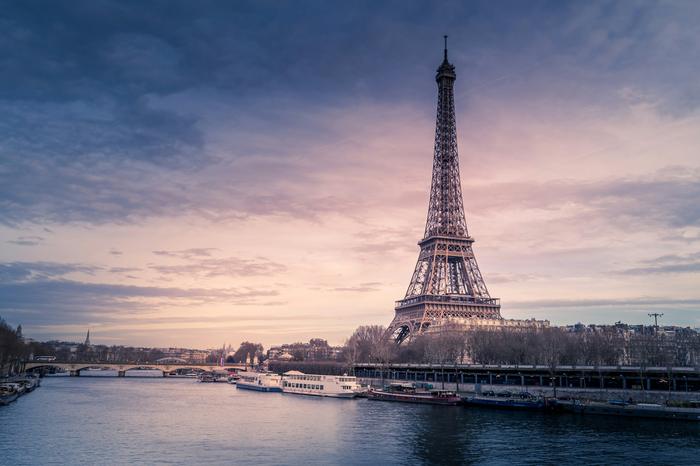
France
Paris is only the opening act — wine country, the Alps, and two coastlines.
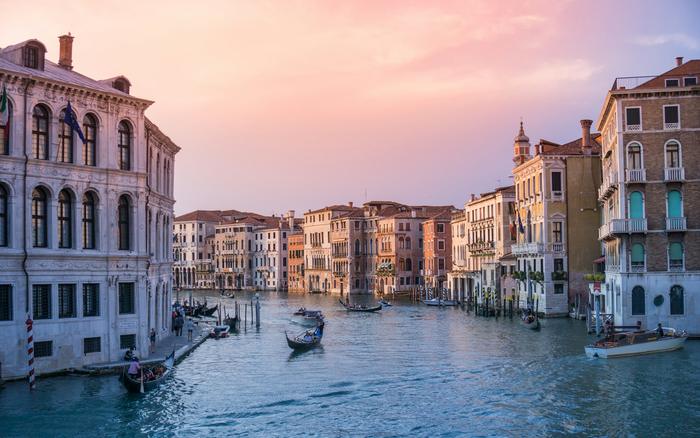
Italy
The benchmark for food, history, and beauty.

Greece
Ruins in the morning, a swim by noon, taverna until dark.
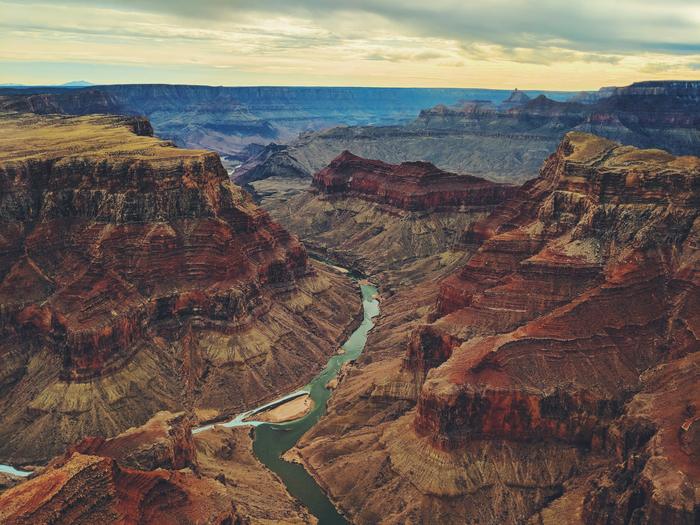
United States
A continent pretending to be a country — cities, deserts, and the best national parks anywhere.
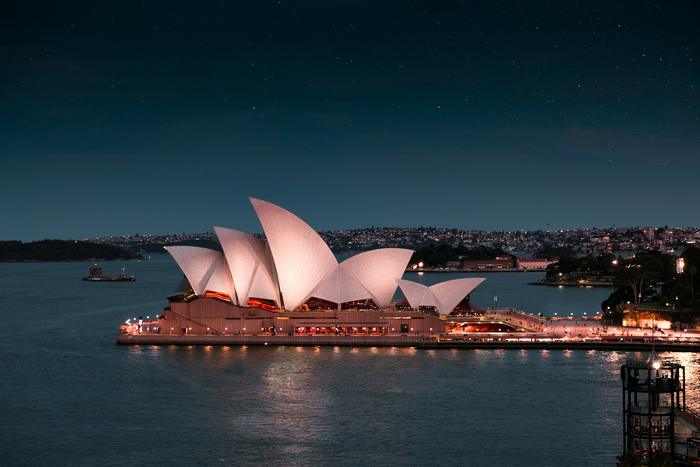
Australia
Vast, varied, relaxed. Reef, Sydney, and proper wilderness in one.
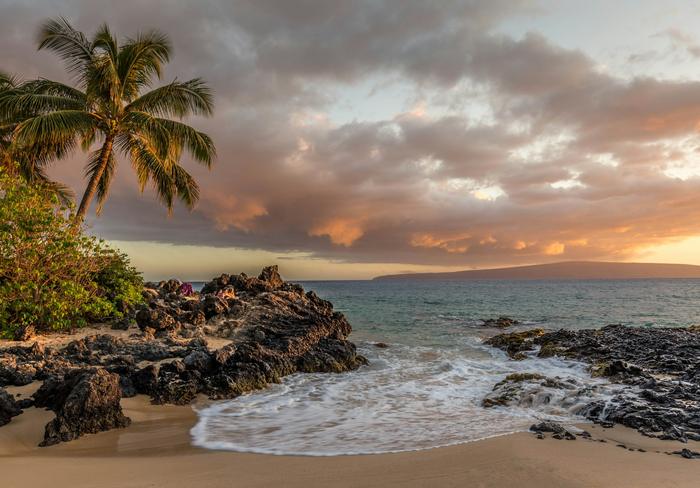
Hawaii
A handful of islands where the landscapes and the ocean genuinely earn the flight.
Not sure where to go
Take the 5-minute quiz
Answer a few honest questions and get matched to destinations that actually fit how you travel.
Start the quiz