Ireland vs United Kingdom

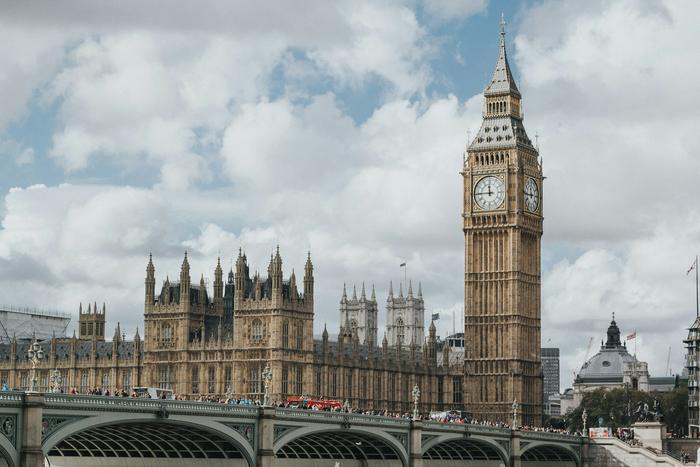
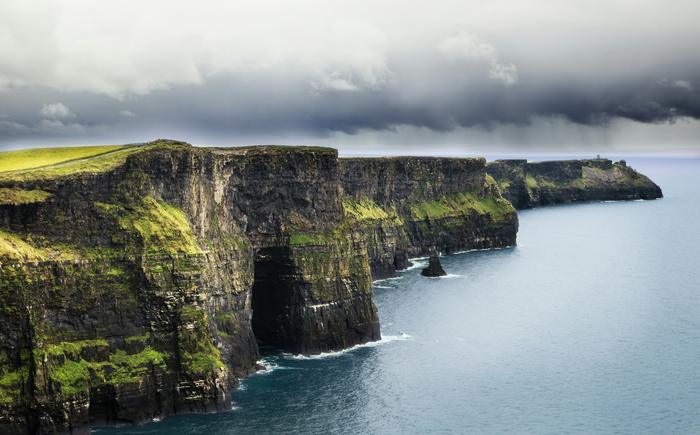
Two neighbouring, English-speaking trips — closely linked, but distinct. Ireland is the green island — the dramatic Atlantic coast and Wild Atlantic Way, Dublin’s pubs and literature, ancient sites and a famously warm welcome. The United Kingdom is the bigger neighbour — London’s museums and theatre, castles and stately homes, and the varied coasts and hills of England, Scotland and Wales. One is coast, craic and a single green island; the other a bigger, more varied land led by a world city.

Western Europe

Ireland

Rent a car, chase the coast, accept the weather.

Best time to visit
  1. January: avoid
  2. February: avoid
  3. March: fine
  4. April: fine
  5. May: peak
  6. June: peak
  7. July: peak
  8. August: peak
  9. September: peak
  10. October: fine
  11. November: avoid
  12. December: avoid
Peak Fine Avoid

Western Europe

United Kingdom

London, then the parts most visitors skip — Scotland, Wales, and the coast.

Best time to visit
  1. January: avoid
  2. February: avoid
  3. March: fine
  4. April: fine
  5. May: peak
  6. June: peak
  7. July: peak
  8. August: peak
  9. September: peak
  10. October: fine
  11. November: avoid
  12. December: fine
Peak Fine Avoid

Read our full guides about Ireland and United Kingdom.

Side by side

Emphasised where they differ. Muted rows are much the same either way.

Ireland United Kingdom
Best time May–September May–September
Climate mild mild
Budget Pricey — Dublin especially; a car and rural stays add up Pricey — London especially; the countryside and north are gentler
Trip length 1–2 wks 1–3 wks
Visa Not Schengen; visa-free for most Western passports (90 days). Visa-free for most Western passports (up to 6 months). An ETA may apply — verify before travel.
Currency EUR (€) in the Republic; GBP (£) in Northern Ireland. GBP (£)
Language English and Irish. English.
Tap water Tap water safe. Tap water safe.
Safety Very safe. Very safe. Standard city precautions.

General guidance — visas, safety, and health change, so check your government's travel advisory and the official sources before you go.

The split

A green island, or a bigger varied neighbour

Two closely-linked, English-speaking trips — one a green island of coast, pubs and welcome, the other a bigger land of London, history and variety.

Island vs bigger countrythe scaleA single green island, or England-Scotland-Wales
Coast vs citiesthe drawThe Wild Atlantic Way and pubs, or London and heritage
Euro vs sterlingthe moneyThe Republic on the euro; the UK (incl. the North) on sterling + ETA

Ireland is the green island — the dramatic Atlantic coast and Wild Atlantic Way, Dublin’s pubs and literature, ancient sites and a famously warm welcome. The UK is the bigger neighbour: London’s museums and theatre, castles and stately homes, and the varied coasts and hills of England, Scotland and Wales.

The operational detail — Ireland’s euro-but-not-Schengen status and the UK-ETA catch when crossing into Northern Ireland; the UK’s ETA and sterling — lives on the two guides: Ireland, know before you go and United Kingdom, know before you go. This page is the head-to-head.

The real difference

Coast and craic, or London and variety

The trade: Ireland offers a green island road trip and warm pub culture; the UK offers a world city and bigger, varied landscapes.

Ireland wins on coast and warmth. The Wild Atlantic Way, the literary and traditional-music scene, and the legendary welcome make it a wonderful green-island road trip on a single, manageable island.

The UK wins on cities, heritage and variety. London’s cultural depth, the castles and stately homes, and the dramatic range from Cornwall to the Scottish Highlands give it more scope across a bigger country. Choose coast-and-craic, or London-and-variety.

Who suits which

Who each actually suits

Two linked English-speaking trips — one leans coast and craic, the other cities and variety.

If you want…IrelandUnited Kingdom
A dramatic coastal road tripWins. Wild Atlantic WayDramatic coasts too
A great world cityDublinWins. London
Pubs, trad music and craicWins. The Irish welcomeGreat pubs too
World-class (often free) museumsGoodWins. London’s free collections
A single, manageable islandWins. CompactA bigger country
Varied landscapes and heritageGreen and coastalWins. England, Scotland, Wales

Doing both

Neighbours you can pair

Short flights, ferries and an open land border link them.

Ireland and the UK are neighbours, with short flights and ferries between them (and an open land border on the island of Ireland), so a trip can pair Dublin and the Wild Atlantic Way with London and beyond — just mind the ETA and currency change when crossing into the UK (including Northern Ireland). Each also compares with its neighbours (see Germany vs Ireland, Austria vs Ireland, France vs United Kingdom and Italy vs United Kingdom).

What we leave out

What we deliberately leave out

Exact prices beyond the structural comparison — Dublin and London premiums both move with season — so the figures here are the shape of the difference, not a quote; the country guides carry the live detail. The entry mechanics (the Republic’s euro/non-Schengen status, the UK’s ETA/sterling, and the Northern Ireland catch) are covered on the guides rather than restated here.

Ireland or United Kingdom, month by month

Which of the two is the better bet for each month of the year, scored on how well the season suits each place.

Which to choose

Choose Ireland if:

  • The Atlantic coast, pubs and a warm welcome are the draw.
  • You want a green island road trip and literary Dublin.
  • Coast and craic over a big-city-led country.

Choose United Kingdom if:

  • London, history, castles and varied countryside top the list.
  • You want a bigger country and a world city.
  • Museums, moors and heritage over a single green island.

Common questions

Is Ireland or the UK better for a first trip?
Both are easy and English-speaking, so it’s about taste. Ireland suits travellers after a green island road trip — the Wild Atlantic Way, Dublin’s pubs and the famous welcome. The UK suits those after a bigger, more varied country led by London, with castles, cities and dramatic landscapes from Cornwall to the Scottish Highlands. For coast-and-craic, Ireland; for London and heritage variety, the UK.
Which has the better cities versus countryside?
The UK wins on cities — London is a global capital with world-class (often free) museums and theatre, plus Edinburgh, Bath and more. Ireland’s draw is more its countryside and coast — the Ring of Kerry, Connemara, the Cliffs of Moher — with Dublin and its pubs and literature the urban highlight. For cities, the UK; for coastal scenery and craic, Ireland.
How are they linked — and what’s the Northern Ireland catch?
They share the island of Ireland: the Republic of Ireland and Northern Ireland (part of the UK) sit on it together, with an open land border. The catch for travellers: the Republic is not in the UK, so if your Ireland trip crosses into Northern Ireland you’re entering the UK — and the UK ETA applies (with sterling used there, versus the euro in the Republic). Plan for both if you’re doing an all-Ireland route.
Do the entry and money rules differ?
Yes. The UK requires the ETA (£20) for non-visa nationals and uses pound sterling. The Republic of Ireland is not in Schengen and has its own arrangements (often visa-free alignment with the UK via the Common Travel Area for some), and uses the euro — but, crucially, Northern Ireland follows UK rules, so the ETA applies there. The guides carry the detail: Ireland and United Kingdom.
Can I combine them?
Very easily — they’re neighbours, with short flights and ferries between them (and an open land border on the island of Ireland), so a trip can pair Dublin and the Wild Atlantic Way with London and beyond. Just mind the ETA and currency change when crossing into the UK (including Northern Ireland). Each also compares with its neighbours — Ireland with Germany and Austria, the UK with France and Italy.

Still undecided

Take the quiz

Three matches. Often answers comparison questions for you.

Start the quiz