Belgium
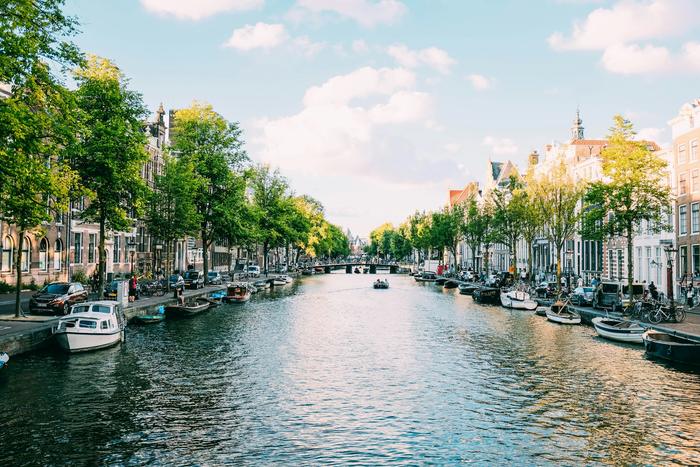
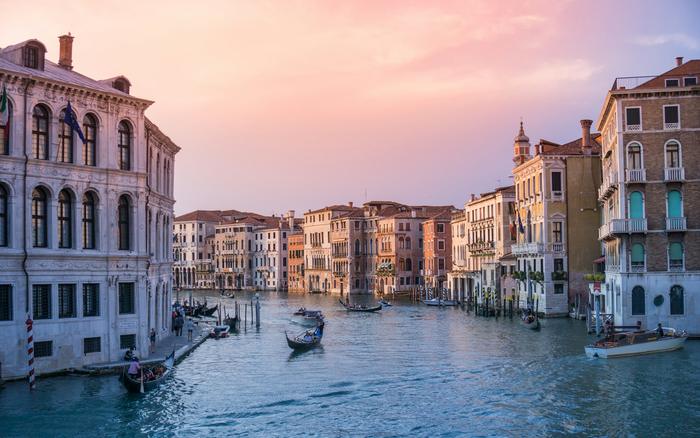
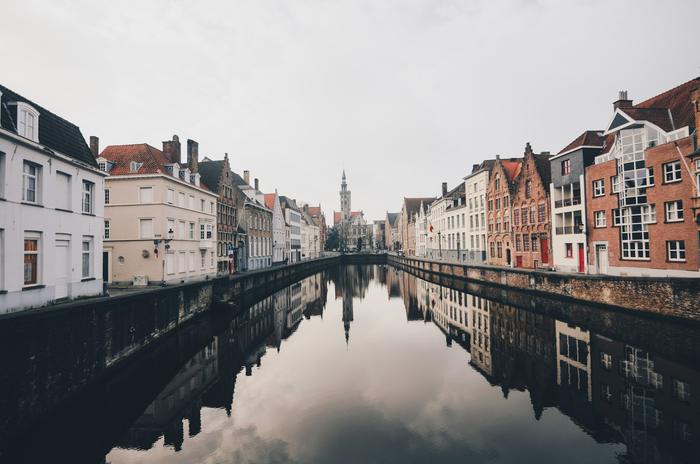
Canals, beer, and Flemish art, all an easy train ride apart.
- January: avoid
- February: avoid
- March: fine
- April: fine
- May: peak
- June: peak
- July: fine
- August: fine
- September: peak
- October: fine
- November: avoid
- December: fine
Two neighbours, one far bigger than the other. Belgium is the compact one — the medieval canals of Bruges and Ghent, Brussels and its grand square, and a world-beating beer-and-chocolate culture — a country made for a long weekend. France is the vast, varied one — Paris, the Riviera, wine regions, Alpine and Atlantic coasts, and countryside and cuisine without end — a country you could return to for years. One is a perfect short break; the other an endless trip.
Canals, beer, and Flemish art, all an easy train ride apart.
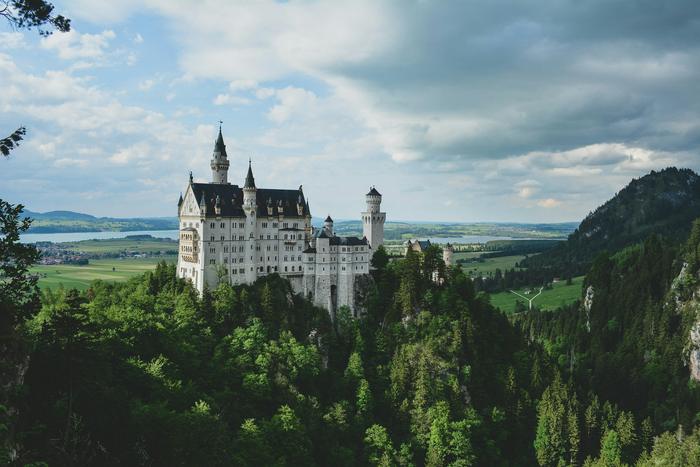
Paris is only the opening act — wine country, the Alps, and two coastlines.
Read our full guides about Belgium and France.
Emphasised where they differ. Muted rows are much the same either way.
| Belgium | France | |
|---|---|---|
| Best time | May, June, September | April–June, September, October |
| Climate | mild | mild |
| Budget | Moderate — compact, so costs stay contained over a short trip | Moderate to pricey — Paris and the Riviera cost most; regions cheaper |
| Trip length | 1–1 wks | 1–4 wks |
| Visa | Schengen rules apply: 90 days visa-free for most Western passports. Verify before travel. | Schengen — visa-free for most Western passports (90 days). |
| Currency | EUR (€). | EUR (€) |
| Language | Dutch, French, and German. English widely spoken. | French. English in Paris and tourism, less in rural areas. |
| Tap water | Tap water safe to drink. | Tap water safe and good. |
| Safety | Safe overall; usual big-city pickpocket caution in Brussels stations. | Very safe. Pickpocketing in Paris and on the Riviera. |
General guidance — visas, safety, and health change, so check your government's travel advisory and the official sources before you go.
The split
Both are Western-European neighbours — but one is a compact medieval-cities-and-beer break, the other a vast, varied country.
Belgium is the compact one — the medieval canals of Bruges and Ghent, Brussels and its Grand-Place, and a world-beating beer-and-chocolate culture — a country made for a long weekend. France is the vast, varied one: Paris, the Riviera, the wine regions, Alpine and Atlantic coasts, countryside and cuisine without end — a country you could return to for years.
The operational detail — each country’s rail and city logistics — lives on the two guides: Belgium, know before you go and France, know before you go. This page is the head-to-head.
The real difference
The trade: Belgium offers a compact, easy medieval-cities break; France offers a vast country of culture, wine and coast.
Belgium wins on the compact break. Bruges, Ghent and Brussels, with beer and chocolate throughout, make a perfect, low-effort long weekend — a lot of charm in a small, walkable space.
France wins on scale and depth. Paris alone outweighs most cities, and the regions — Riviera, Loire, Bordeaux, the Alps — give it near-limitless variety for longer and repeated trips, at a range of prices. Choose the cosy weekend, or the endless country.
Who suits which
Both are Western-European neighbours — but one leans a compact break, the other vast variety.
| If you want… | Belgium | France |
|---|---|---|
| A compact long weekend | Wins. Bruges, Ghent, Brussels | Usually Paris alone |
| A world-icon city | Charming towns | Wins. Paris |
| Beer and chocolate | Wins. Among the world’s best | Not the focus |
| Wine and haute cuisine | Great food, beer-led | Wins. A culinary heavyweight |
| Coast, mountains and variety | Small and flat | Wins. Riviera to the Alps |
| A quick, easy trip | Wins. Compact | Wants more time |
Doing both
Brussels to Paris in under 1½ hours — easy to pair.
Belgium and France are neighbours joined by high-speed rail (Brussels to Paris in about 1h20), so a trip can pair Belgium’s medieval cities with Paris and beyond effortlessly. Each also compares with its neighbours (see Belgium vs Germany, France vs Spain, France vs Italy and France vs United Kingdom).
What we leave out
Exact prices beyond the structural comparison — Belgium’s contained costs and France’s Paris-and-Riviera premiums both move with season — so the figures here are the shape of the difference, not a quote; the country guides carry the live detail. The shared entry mechanics (both Schengen and eurozone) are covered on the guides rather than restated here.
Which of the two is the better bet for each month of the year, scored on how well the season suits each place.
Ruins in the morning, a swim by noon, taverna until dark.
The ski and alpine benchmark — every other mountain range is measured against this.
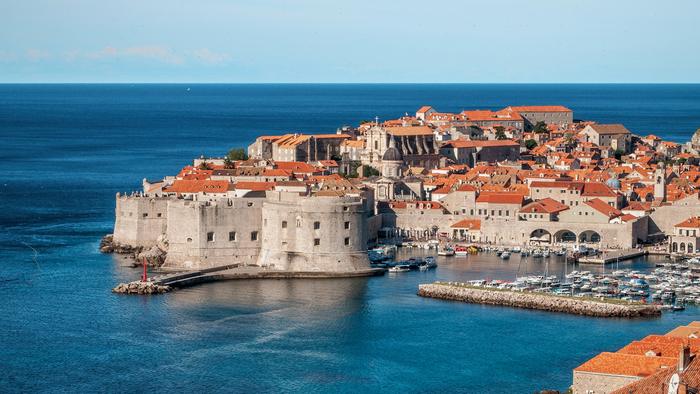
Dubrovnik, the Adriatic coast, ancient cities. Compact and beautiful.
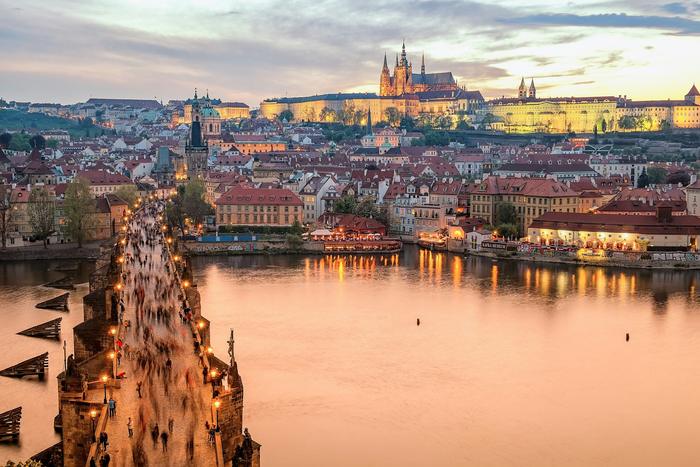
Prague earns the crowds. The rest of the country is the bonus.
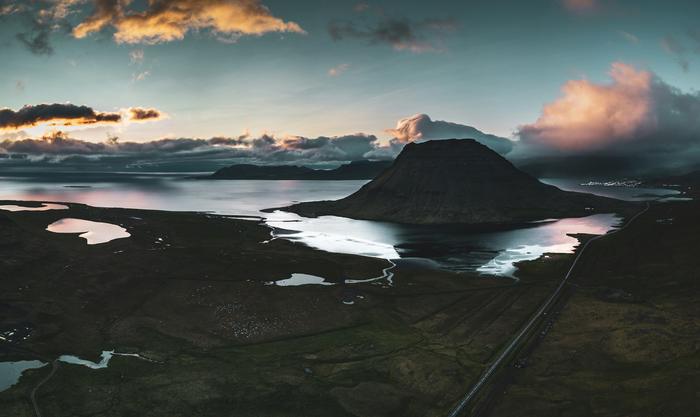
Geysers, glaciers, northern lights, hot springs.
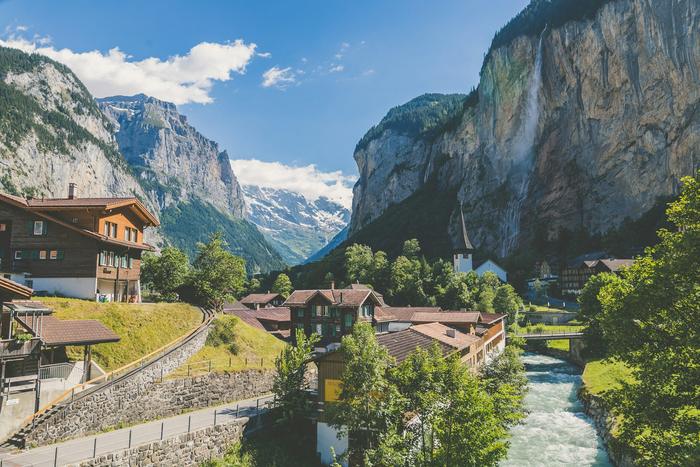
The most concentrated mountain scenery in Europe — and you'll pay for it.
The Alps done properly — skiing, hiking, and Vienna for the culture.
A long weekend in Copenhagen — design, cycling, and new-Nordic food.
Still undecided
Three matches. Often answers comparison questions for you.
Start the quiz