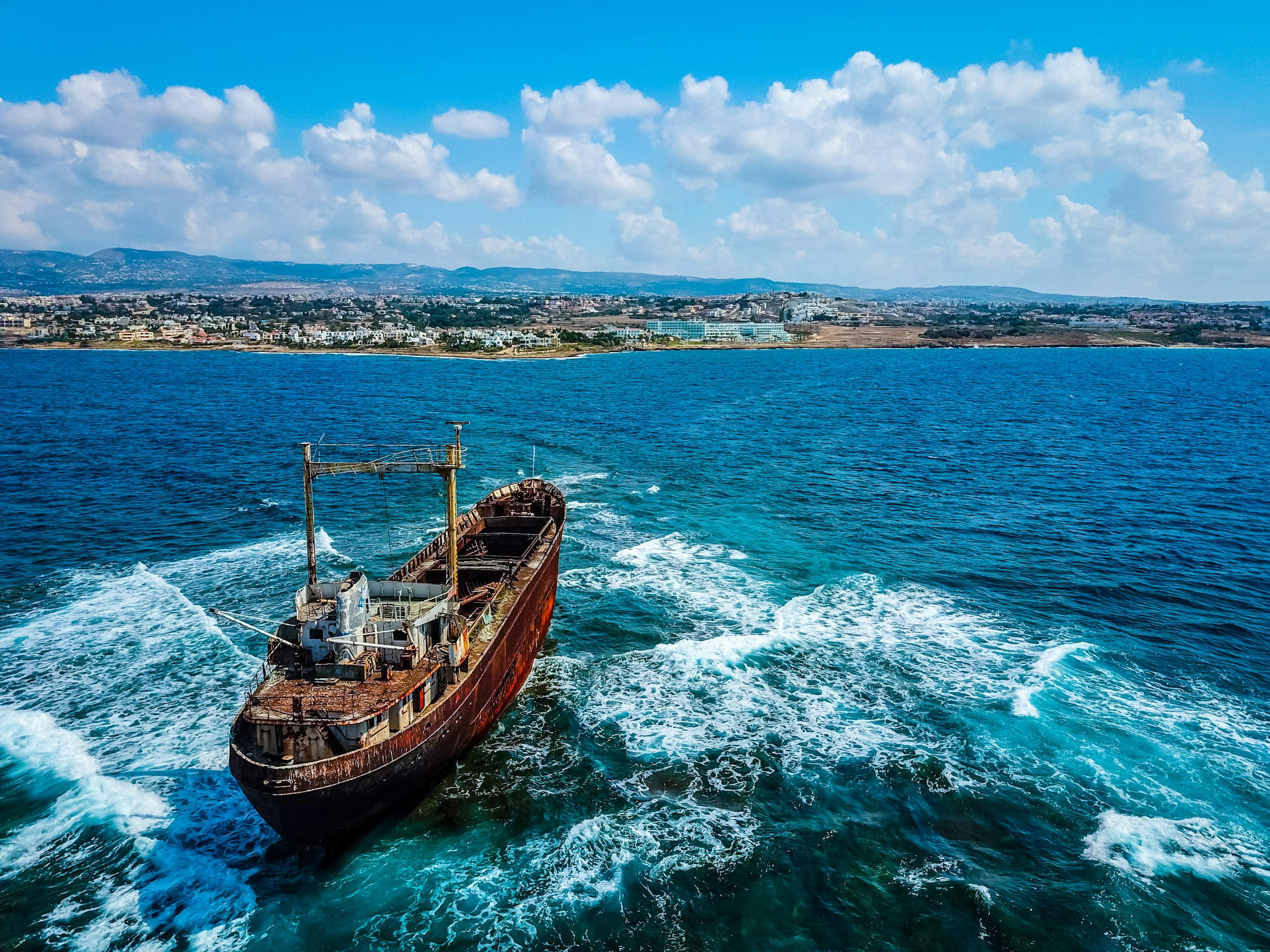
Cyprus
Dependable Mediterranean warmth, ancient mosaics, and cool mountain wine villages on one easy island.
Cyprus is the reliable sun-and-sea island: you base yourself on the coast, swim in warm water most of the year, and day-trip out to Roman mosaics, painted mountain churches, and sea caves. English is everywhere thanks to the British colonial past, the food is good, and the distances are short enough that nothing is more than a couple of hours away.
The texture of a Cyprus trip is easy in the best way. You pick a coastal base — Paphos, Limassol, or the quieter Polis end — and let the island come to you: the Tombs of the Kings and the UNESCO mosaics one morning, the sea caves and clear water of Cape Greco another, then up into the Troodos Mountains for painted Byzantine churches, wine villages, and a few degrees of relief from the heat. The water stays swimmable well into November, English is effectively universal, and a rented car (they drive on the left, British-style) gets you anywhere on the island in a short hop.
The honest part: July and August are brutally hot and the island knows it — Ayia Napa in high summer is a package-holiday party cliché you'll want to route around. Cyprus is also small, and its politics add a layer of complication: the UN Green Line still splits the island, and reaching the Turkish-occupied north means a crossing point and a bit of planning. But the trade-off is a good one. You get dependable warmth, genuinely deep ancient history, and cool green mountain villages, all on one compact, English-speaking island where almost nothing goes wrong.
Highlights
-
Troodos Mountains
Painted Byzantine churches, wine villages, and a cool escape from the coastal heat.
-
Paphos
The Tombs of the Kings and UNESCO-listed Roman mosaics, right by the sea.
-
Cape Greco & the sea caves
Clear water, low cliffs, and the sea caves near Ayia Napa — go early.
-
Akamas Peninsula & Blue Lagoon
Wild, roadless headland and a turquoise cove best reached by boat.
-
Nicosia
The last divided capital in Europe — walk to the Green Line and cross it.
Practical info
- Visa
- Republic of Cyprus is in the EU; visa-free for most Western passports. Verify before travel.
- Currency
- EUR (€).
- Language
- Greek (Turkish in the north); English almost universally spoken.
- Safety
- Very safe.
- Getting around
- Rent a car — they drive on the LEFT, British-style, and there is no railway. The island is divided by the UN Green Line; the Turkish-occupied north is reached via crossing points.
- Tap water
- Tap water generally safe.
- Plug type
- Type G 240V
- Money
- Cards widely accepted.
General guidance — visas, safety, and health change, so check your government's travel advisory and the official sources before you go.
Common questions
- When is the best time to visit Cyprus?
- Cyprus is at its best in April–June, September, October.
- How many days do you need in Cyprus?
- Most trips run about 1 week, depending on how much ground you want to cover.
- Is Cyprus expensive?
- Plan for budget – mid-range daily spend, depending on how you travel.
- Is Cyprus safe for travelers?
- Very safe.
- Do you need a visa for Cyprus?
- Republic of Cyprus is in the EU; visa-free for most Western passports. Verify before travel.
Compare Cyprus with
If you like Cyprus, also consider

France
Paris is only the opening act — wine country, the Alps, and two coastlines.
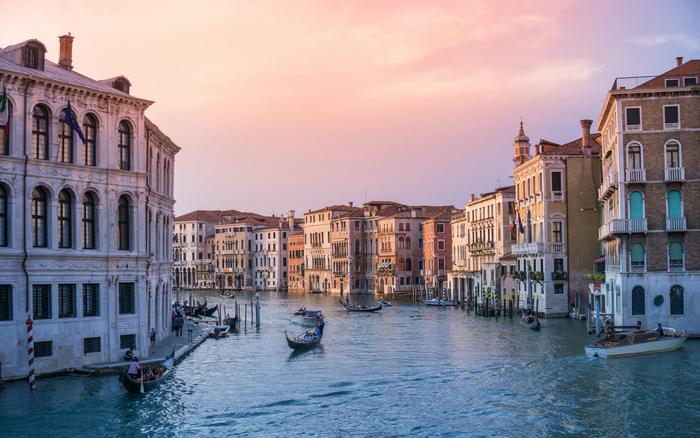
Italy
The benchmark for food, history, and beauty.
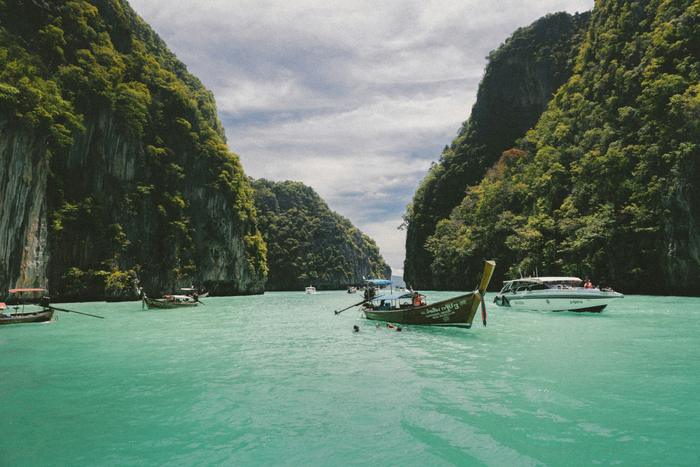
Thailand
The complete package for warm-climate travel.
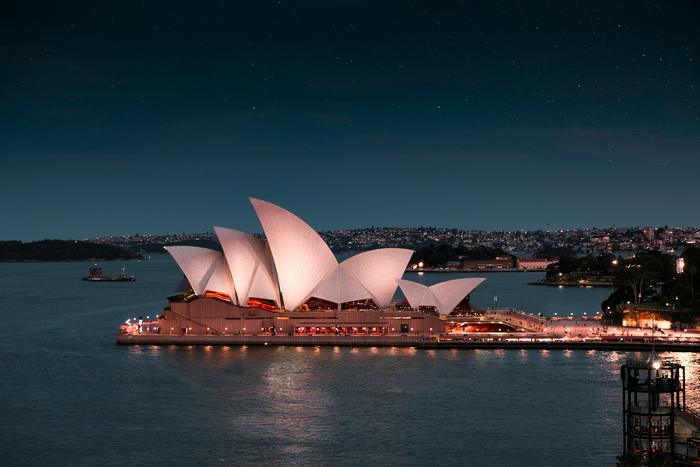
Australia
Vast, varied, relaxed. Reef, Sydney, and proper wilderness in one.
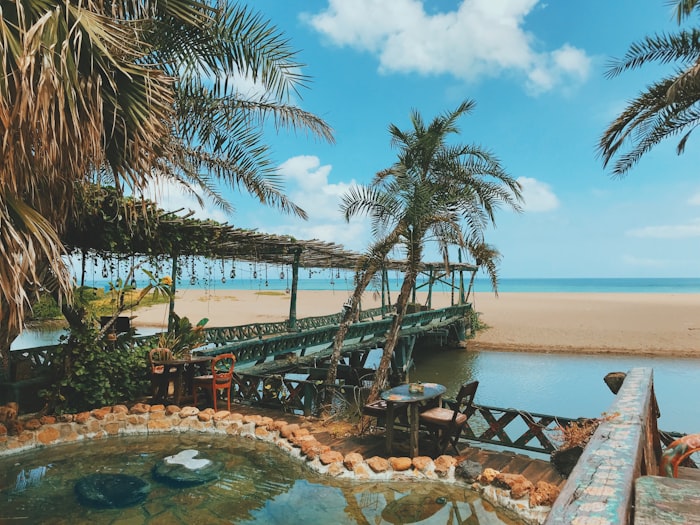
Bali, Indonesia
Warm, affordable, endlessly deep — beach, wellness, and culture in one place.
Not sure where to go
Take the 5-minute quiz
Answer a few honest questions and get matched to destinations that actually fit how you travel.
Start the quiz