Belgium
Canals, beer, and Flemish art, all an easy train ride apart.
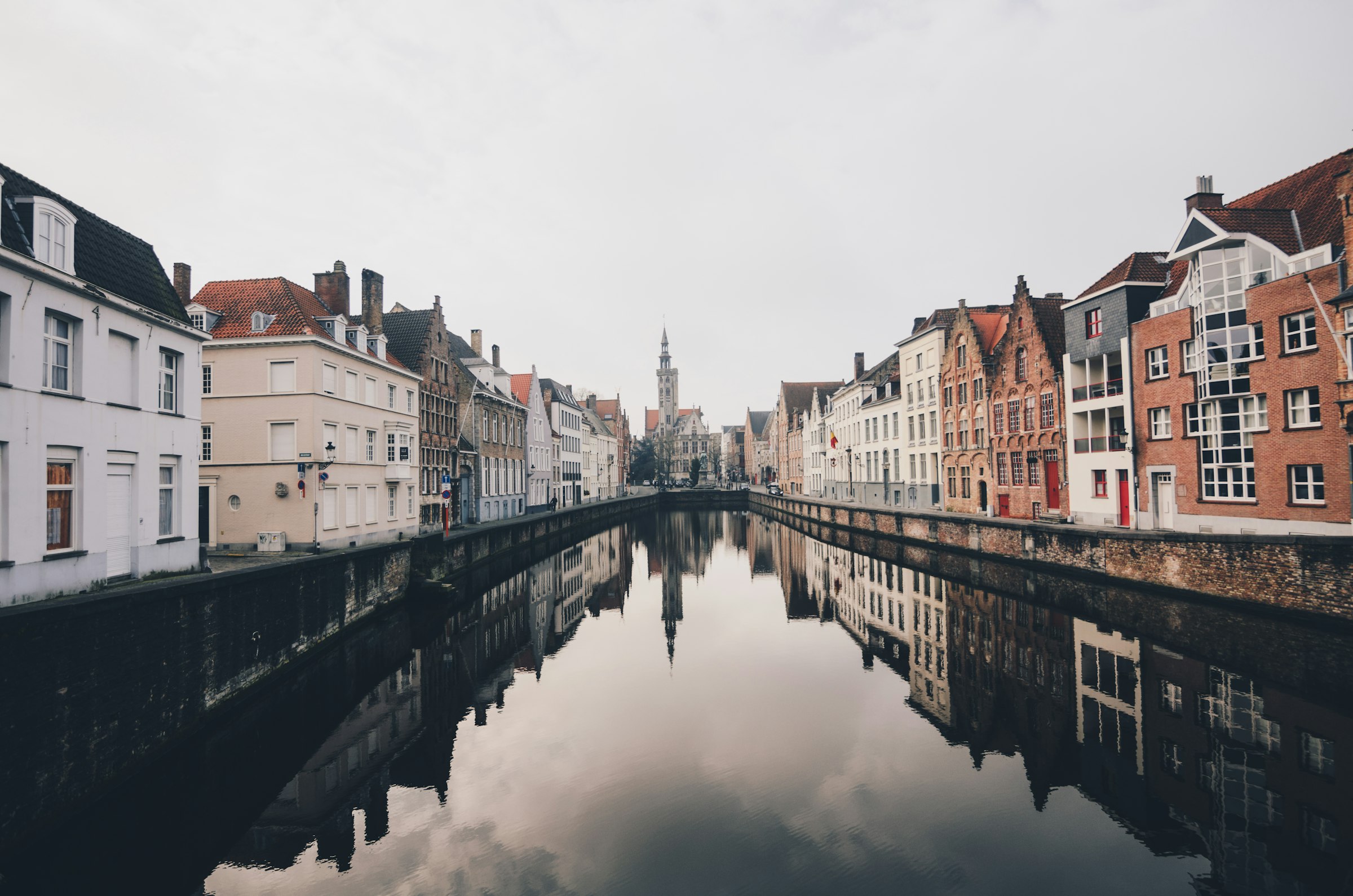
Belgium packs a lot into a country you can cross in two hours. Bruges and Ghent give you canals and Flemish painting, Antwerp brings fashion and a great port-city edge, and Brussels anchors the middle. The food is the constant: beer with centuries of variety, chocolate, frites, mussels. Trains link everything, so you base in one city and day-trip the rest.
A long weekend is enough to feel like you've seen it. Base in Ghent — more lived-in than Bruges, with the same canals and a serious art habit — and ride the train out to Antwerp for fashion and Rubens, or Bruges for the picture-postcard half-day. Days are walkable and unhurried: a museum, a cathedral, an afternoon working through a beer menu the size of a novel, a paper cone of frites with mayonnaise. Distances are short enough that nothing eats your time.
The honest part: Brussels underwhelms most people who expect a capital to carry the trip. Outside the Grand-Place and a couple of museums, it's a workmanlike administrative city, and the EU-quarter sprawl is dull. The weather is the other catch — grey, drizzly, and overcast for much of the year, with Bruges especially crowded under cruise-day weight. Come for the towns and the table, not for big-city dazzle or reliable sun.
Highlights
-
Bruges
Canals and gabled houses; go early or stay overnight to beat the day crowds.
-
Ghent
The same medieval looks as Bruges but a real, lived-in student city.
-
Antwerp
Fashion, diamonds, Rubens, and a grand station worth the trip alone.
-
Brussels Grand-Place
The guild houses justify a stop even if the rest of the city does not.
-
Beer and frites
Trappist ales, lambics, and a cone of fries done properly twice-fried.
Practical info
- Visa
- Schengen rules apply: 90 days visa-free for most Western passports. Verify before travel.
- Currency
- EUR (€).
- Language
- Dutch, French, and German. English widely spoken.
- Safety
- Safe overall; usual big-city pickpocket caution in Brussels stations.
- Getting around
- Dense, reliable train network links every city in under two hours.
- Tap water
- Tap water safe to drink.
- Plug type
- Type C Type E 230V
- Money
- Cards accepted nearly everywhere; carry a little cash for small cafés.
General guidance — visas, safety, and health change, so check your government's travel advisory and the official sources before you go.
Common questions
- When is the best time to visit Belgium?
- Belgium is at its best in May, June, September. It's best to avoid January, February, November.
- How many days do you need in Belgium?
- Most trips run about 1 week, depending on how much ground you want to cover.
- Is Belgium expensive?
- Plan for mid-range daily spend, depending on how you travel.
- Is Belgium safe for travelers?
- Safe overall; usual big-city pickpocket caution in Brussels stations.
- Do you need a visa for Belgium?
- Schengen rules apply: 90 days visa-free for most Western passports. Verify before travel.
Compare Belgium with
If you like Belgium, also consider
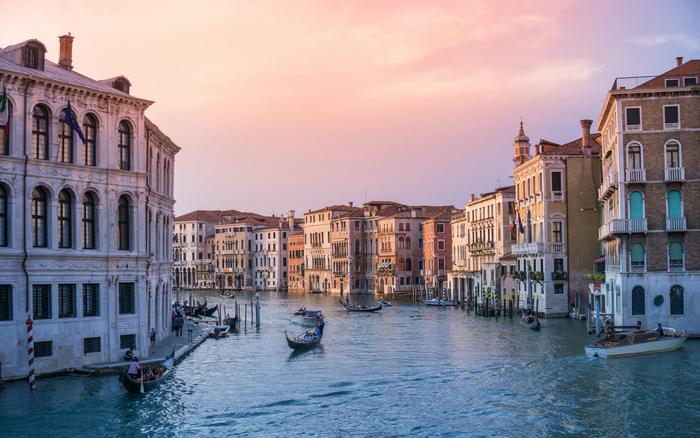
Italy
The benchmark for food, history, and beauty.
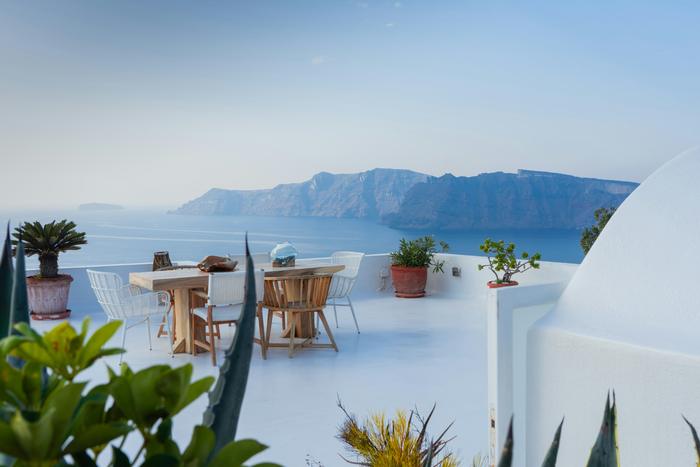
Greece
Ruins in the morning, a swim by noon, taverna until dark.
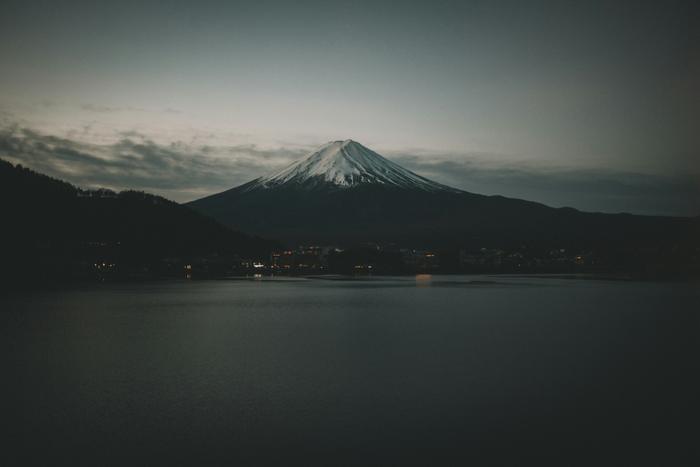
Japan
Extraordinary food, culture, and cities. Nothing quite prepares you for it.

Mexico
Mexico City is world-class. Add the coast, ruins, and food culture.
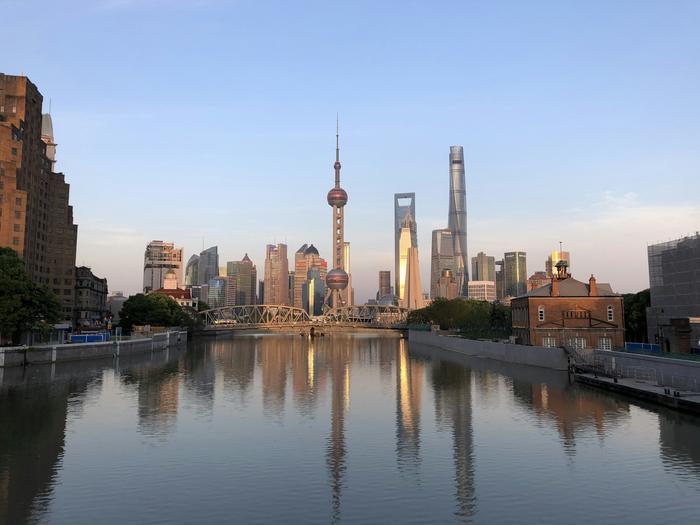
China
Ancient history and hypermodern cities at a scale that's hard to grasp until you're there.
Not sure where to go
Take the 5-minute quiz
Answer a few honest questions and get matched to destinations that actually fit how you travel.
Start the quiz