Amalfi Coast vs Tuscany

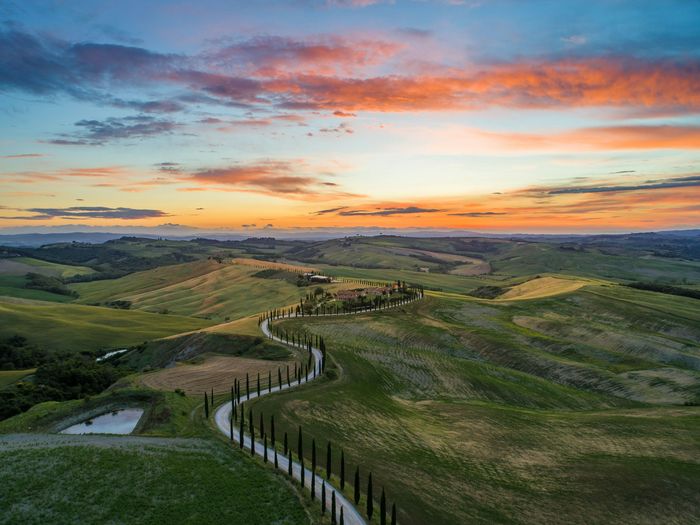
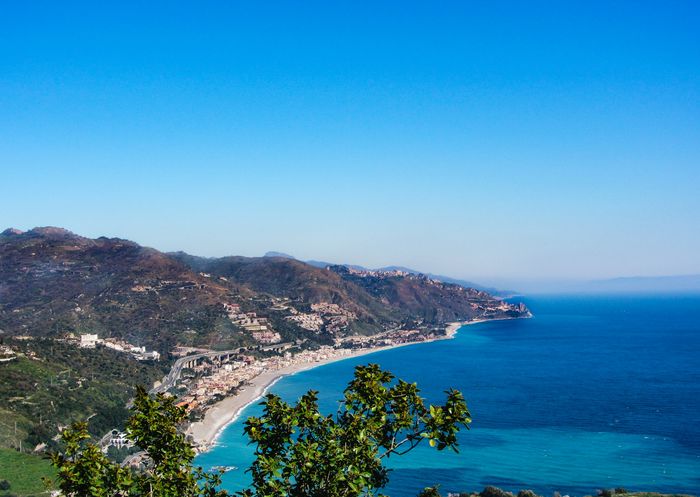
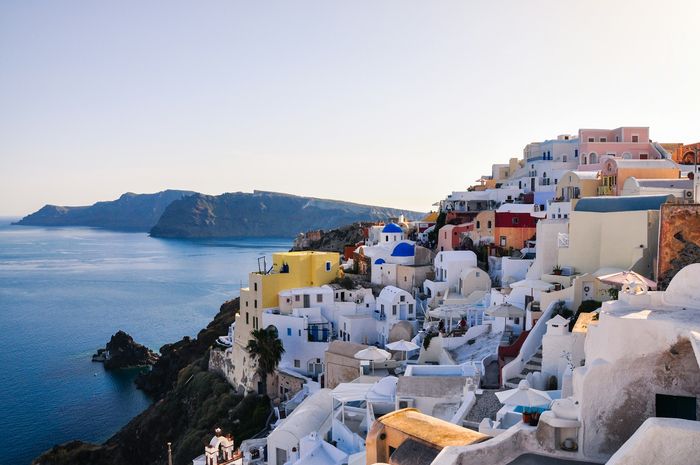
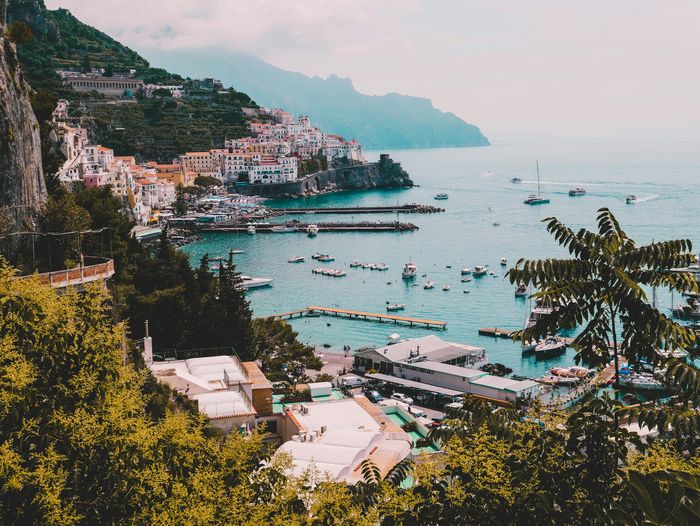
Two Italian idylls that pull in opposite directions. The Amalfi Coast is vertical and sea-struck: pastel towns stacked on cliffs above the Tyrrhenian, lemon terraces, glamour and a famous, nerve-jangling coastal road — compact, dramatic and summer-intense. Tuscany is inland and spacious: rolling cypress hills, Renaissance art cities, the Chianti and Val d’Orcia wine country, and a gentler, slower rhythm. Cliffside coastal drama, or inland art and hills.

Southern Europe

Amalfi Coast

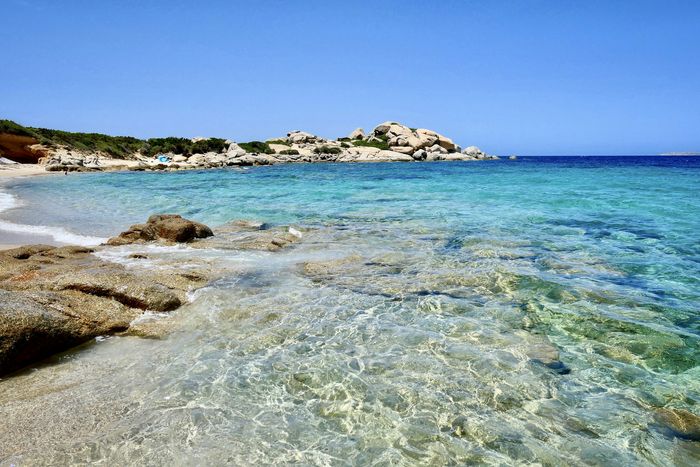
Italy’s most glamorous stretch of coast — pastel villages stacked above the sea, lemons, and long lunches.

Best time to visit
  1. January: avoid
  2. February: avoid
  3. March: fine
  4. April: peak
  5. May: peak
  6. June: peak
  7. July: fine
  8. August: fine
  9. September: peak
  10. October: peak
  11. November: fine
  12. December: avoid
Peak Fine Avoid

Southern Europe

Tuscany

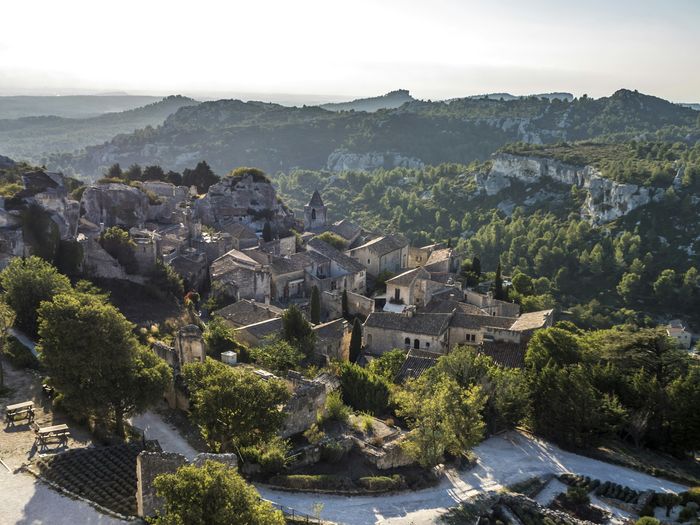
The template for the good life — Renaissance cities, cypress hills, and the best wine roads in Italy.

Best time to visit
  1. January: fine
  2. February: fine
  3. March: fine
  4. April: peak
  5. May: peak
  6. June: peak
  7. July: fine
  8. August: fine
  9. September: peak
  10. October: peak
  11. November: fine
  12. December: fine
Peak Fine Avoid

Read our full guides about Amalfi Coast and Tuscany.

Side by side

Emphasised where they differ. Muted rows are much the same either way.

Amalfi Coast Tuscany
Best time April–June, September, October April–June, September, October
Climate warm mild
Budget Expensive in season — the famous towns carry a premium, and the coast is compact and busy Western-European — the countryside can be good value, but Florence in season is dear
Trip length 1–1 wks 1–2 wks
Visa Schengen — visa-free for most Western passports (90 days). Schengen — visa-free for most Western passports (90 days).
Currency EUR (€) EUR (€)
Language Italian; English widely spoken in tourism. Italian; English widely spoken in tourism.
Tap water Tap water safe and good. Tap water safe and good.
Safety Very safe; the real hazards are the road, the steps, and summer crowds. Very safe; watch for pickpockets around Florence’s big sights.

General guidance — visas, safety, and health change, so check your government's travel advisory and the official sources before you go.

The split

Cliffside coast, or inland hills

Two Italian idylls — one vertical, sea-struck and glamorous, the other inland, spacious and cultural.

Coast vs inlandthe geographyCliffs above the sea, or rolling hills
Scenery vs artthe drawSetting and the sea, or galleries and wine
Compact vs spaciousthe feelOne intense stretch, or a whole region

The Amalfi Coast is vertical and sea-struck: pastel towns stacked on cliffs above the Tyrrhenian, lemon terraces, glamour and a famous coastal road — compact, dramatic and summer-intense. Tuscany is inland and spacious: rolling cypress hills, Renaissance art cities, and the Chianti and Val d’Orcia wine country, gentler and slower. A concentrated coastal spectacle, or a spacious region of art and hills.

Operational detail — Amalfi’s SITA buses and ferries, summer traffic limits and crowds; Tuscany’s Florence tax, museum prices and ZTL driving traps — lives on the two guides: Amalfi Coast, know before you go and Tuscany, know before you go. This page is the head-to-head.

Who suits which

Who each actually suits

Coast-drama or inland-art — so these never invert.

If you want…Amalfi CoastTuscany
Dramatic cliffside sceneryWins clearly. Towns on cliffsRolling hills
The sea and swimmingWins clearly. Coves and boatsNot a beach trip
Renaissance art and citiesLighter (Ravello, Pompeii near)Wins clearly. Florence, Siena
Wine countryLemons and limoncelloWins. Chianti, Val d’Orcia
Space and quiet cornersCompact and busyWins. More absorbent
Glamour and settingWins. The famous stretchUnderstated countryside

Doing both

Combinable in one Italian trip

A few hours apart — hills plus a few coastal days.

These pair well in one Italian trip: Tuscany’s hills and cities plus a few days on the Amalfi Coast, usually linked via Rome or Naples. Both share spring-and-autumn timing (summer is hot and very crowded on both) and the same Schengen entry rules (EES live, ETIAS to come). If you must choose, pick the Amalfi Coast for cliffside coastal drama, Tuscany for art, wine and rolling hills.

What we leave out

What we deliberately leave out

Exact prices and the moving pieces — Amalfi’s ferry and bus fares and summer traffic rules; Tuscany’s Florence tax, museum prices and ETIAS date — change within a season, so the figures here are the shape of the gap, not a quote; the country guides carry the live detail.

Amalfi Coast or Tuscany, month by month

Which of the two is the better bet for each month of the year, scored on how well the season suits each place.

Which to choose

Choose Amalfi Coast if:

  • You want dramatic cliffside towns, the sea and glamour.
  • A compact, scenic coastal stretch is the draw.
  • Vertical coastal drama beats inland hills.

Choose Tuscany if:

  • You want Renaissance art, wine country and rolling hills.
  • A spacious, slower inland trip appeals.
  • Art-and-hills beats a crowded coast.

Common questions

How do the Amalfi Coast and Tuscany compare?
By geography and mood. The Amalfi Coast is vertical and sea-struck — pastel towns stacked on cliffs, lemon terraces, glamour and a dramatic coastal road, compact and summer-intense. Tuscany is inland and spacious — rolling cypress hills, Renaissance art cities, and the Chianti and Val d’Orcia wine country, gentler and slower. Cliffside coastal drama, or inland art and hills. See the Amalfi Coast and Tuscany guides.
Which is more about the sea, and which more about culture?
The Amalfi Coast is all about the sea and the setting — swimming off pebble coves, boat trips to Capri, aperitivi above the water — with lighter cultural weight (Ravello, Pompeii nearby). Tuscany is about culture and countryside — Florence’s galleries, Siena, the wine roads — and isn’t a beach trip at all. Sea-and-scenery, or art-and-vineyards.
Which is more relaxing — aren’t both crowded?
Both get busy, but differently. The Amalfi Coast is compact and can feel overwhelmed in peak summer — one winding road, packed buses, premium prices. Tuscany is larger and more absorbent, so even in season you can find quiet in the countryside between the honeypot cities. A concentrated, intense coast, or a more spacious inland region.
Can I combine them?
Yes — they’re both in Italy and a few hours apart, so a trip can pair Tuscany’s hills with a few days on the Amalfi Coast (often via Rome or Naples). Both share spring-and-autumn timing and the same EES/ETIAS entry rules. If you’re choosing one, decide on coastal drama, or inland art and wine.

Still undecided

Take the quiz

Three matches. Often answers comparison questions for you.

Start the quiz