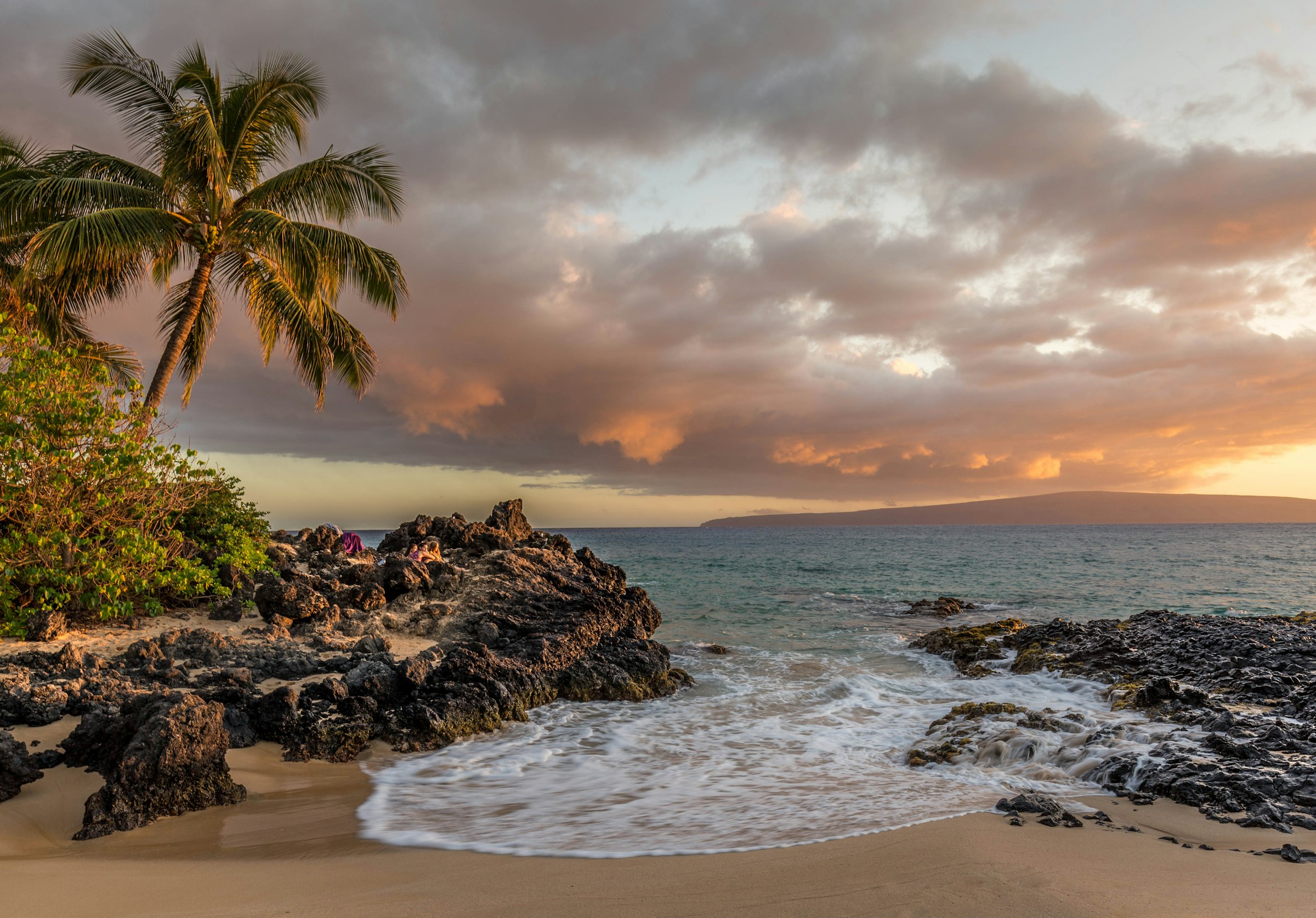
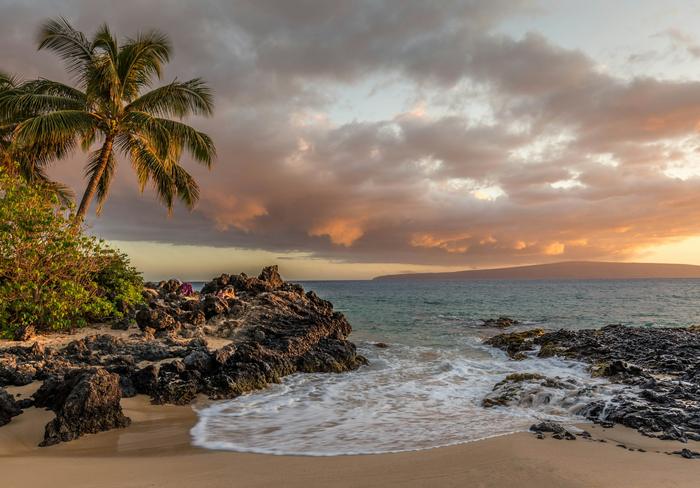
Hawaii
A handful of islands where the landscapes and the ocean genuinely earn the flight.
Hawaii is not one trip — it's a choice between islands you barely have time to make. You pick one or two, fly between them, and rent a car because nothing else moves you around. Kauaʻi is the green, dramatic one; Maui is the polished one; Oʻahu has the city and the surf; the Big Island has the volcanoes. Whatever you land on, most of your money goes to the flight, the room, and the food.
The texture of a Hawaii trip is island-hopping: you rarely do more than one or two islands in a week or two, because each deserves its own days and the inter-island flights, while short and frequent, eat time and money. On every island you rent a car — there's no rail and buses won't get you to the trailheads, the beaches, or the sunrise you flew here for. Budget honestly: the flights (long-haul to get here, then hops between islands), the lodging, and the food are where the spend goes, and none of it is cheap by any measure.
The honest part: this is expensive, and parts of it can feel over-touristed and resort-heavy — Waikīkī on Oʻahu and much of west Maui lean hard into the packaged, high-rise version of paradise. The flights are genuinely long from almost anywhere. But the trade-off holds: the Nā Pali cliffs, a Haleakalā sunrise above the clouds, lava meeting the sea, and water clear enough to make snorkeling feel unfair — the landscapes and the ocean deliver in a way that few places on Earth match.
Highlights
-
Nā Pali Coast, Kauaʻi
Fluted green cliffs plunging into the Pacific — hike the Kalalau, or see it by boat.
-
Road to Hāna & Haleakalā, Maui
A hairpin coast drive to waterfalls, then a pre-dawn climb for sunrise above the clouds.
-
Oʻahu: Waikīkī, North Shore & Pearl Harbor
City beach, winter big-wave surf, and the sobering USS Arizona memorial.
-
Hawaiʻi Volcanoes National Park, Big Island
Active craters, lava tubes, and glowing vents — the raw machinery of the islands.
-
Snorkeling Molokini
A sunken crescent crater off Maui with some of the clearest water in the chain.
Practical info
- Visa
- ESTA visa waiver for most Western passports (90 days). Apply before travel.
- Currency
- USD ($)
- Language
- English; Hawaiian (ʻōlelo Hawaiʻi) is also official.
- Safety
- Generally very safe; the real risks are the ocean and surf, and hiking.
- Getting around
- Rent a car — essential on every island. No rail; inter-island flights connect them.
- Tap water
- Tap water safe.
- Plug type
- Type A Type B 120V
- Money
- Cards accepted everywhere.
General guidance — visas, safety, and health change, so check your government's travel advisory and the official sources before you go.
Common questions
- When is the best time to visit Hawaii?
- Hawaii is at its best in April, May, September, October, December, January.
- How many days do you need in Hawaii?
- Most trips run 1–2 weeks, depending on how much ground you want to cover.
- Is Hawaii expensive?
- Plan for mid-range – premium daily spend, depending on how you travel.
- Is Hawaii safe for travelers?
- Generally very safe; the real risks are the ocean and surf, and hiking.
- Do you need a visa for Hawaii?
- ESTA visa waiver for most Western passports (90 days). Apply before travel.
Compare Hawaii with
If you like Hawaii, also consider
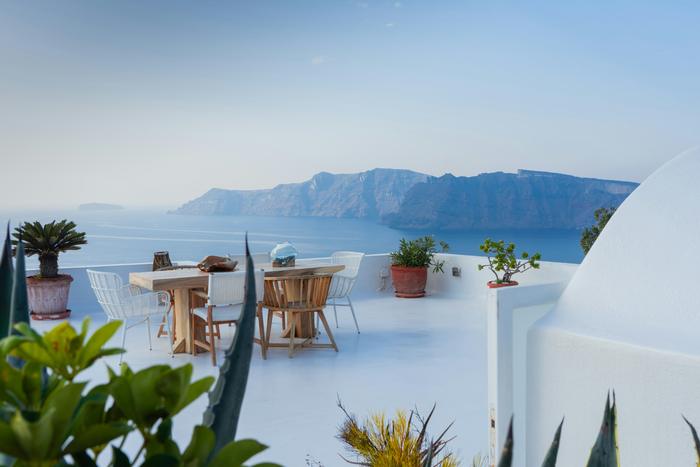
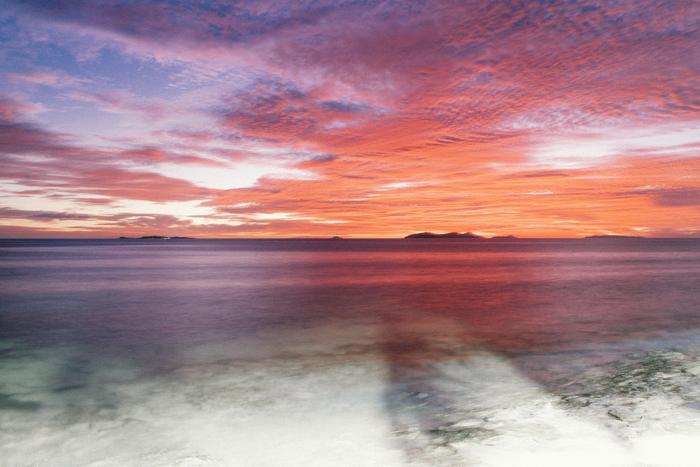
Greece
Ruins in the morning, a swim by noon, taverna until dark.
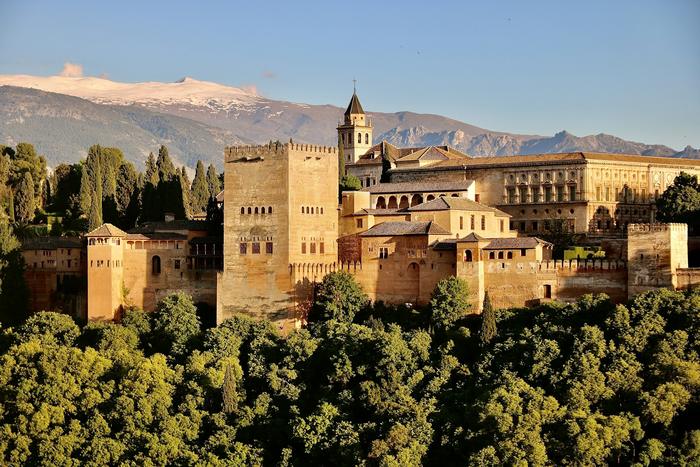
Spain
Food, beaches, and three or four cities that each justify the trip.
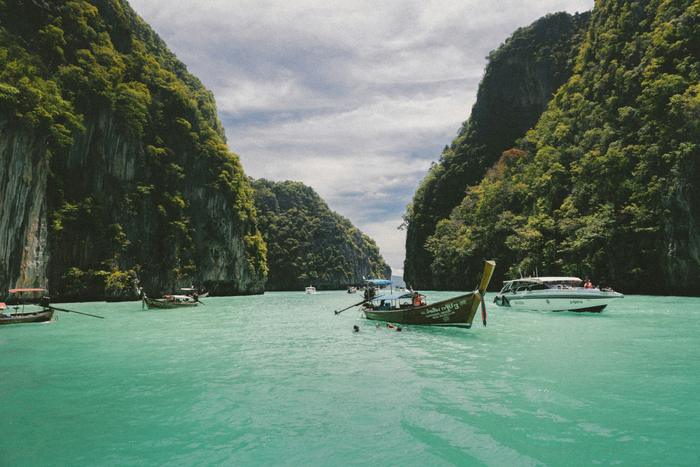
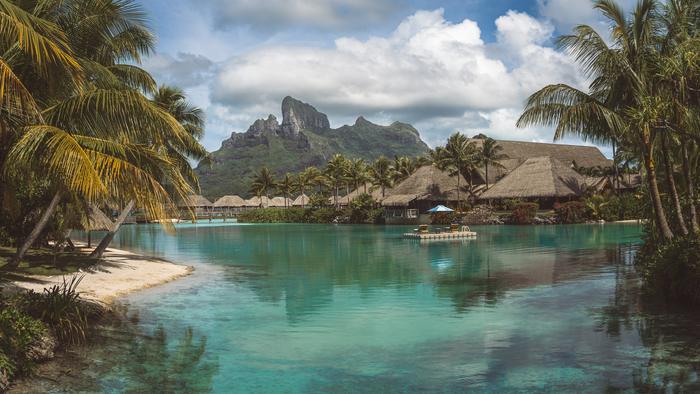
Thailand
The complete package for warm-climate travel.
Not sure where to go
Take the 5-minute quiz
Answer a few honest questions and get matched to destinations that actually fit how you travel.
Start the quiz