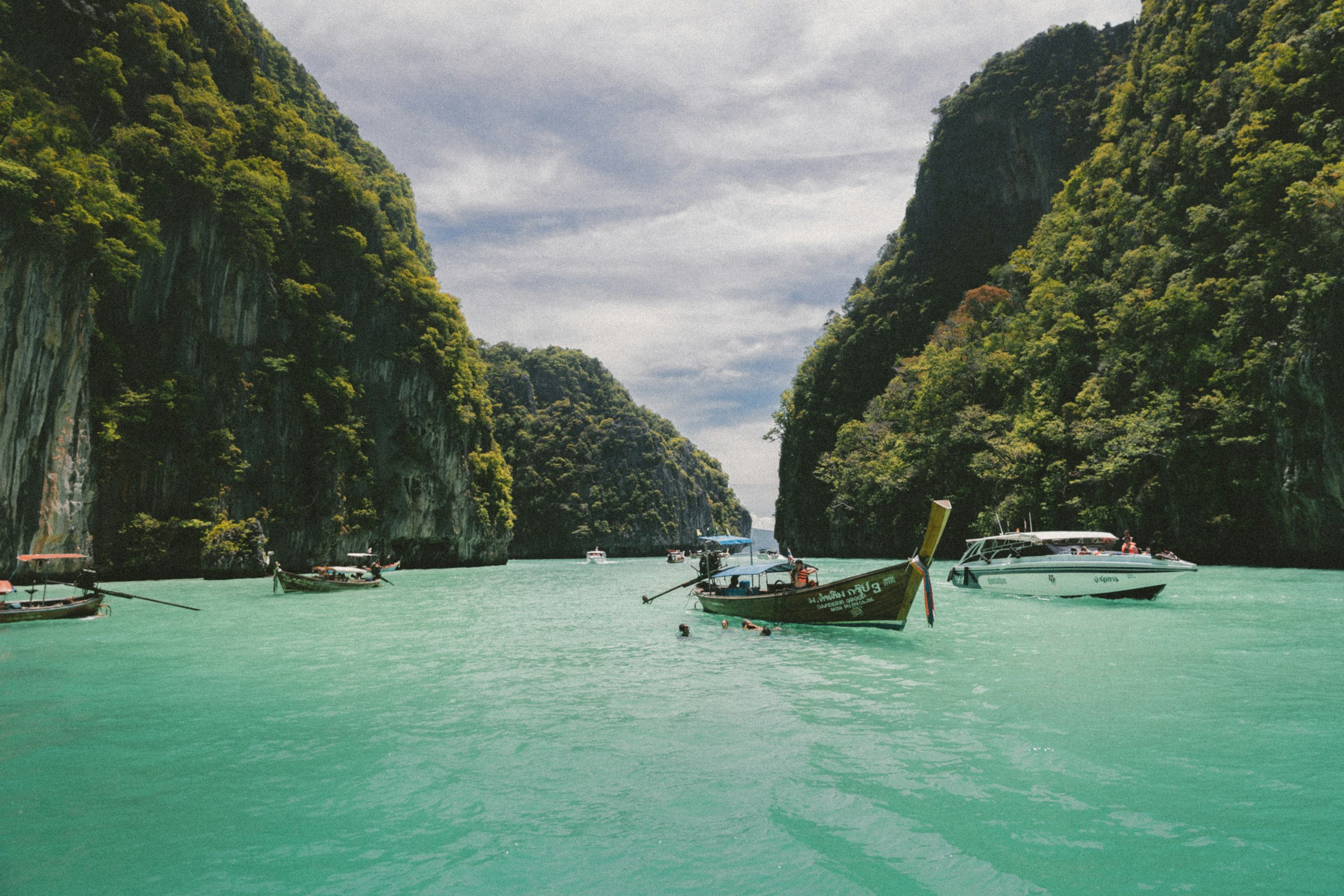
Thailand offers more variety than almost any country its size. Bangkok for energy and food, the north (Chiang Mai, Pai) for culture and trekking, the south for islands. Affordable, easy to navigate, and the food alone justifies the trip.
The classic shape: three days in Bangkok eating your way from street stalls to old shophouse restaurants, then a cheap flight north to Chiang Mai or south to the islands. Ferries link Krabi, Koh Lanta, and the quieter Trang islands; the Gulf side runs Koh Samui through Koh Pha-ngan to Koh Tao. Daily costs stay low — it's the beach resorts, island transfers, and diving courses that move the budget. Massages remain absurd value.
Thailand is the most-trodden path in Southeast Asia, and it shows: Phuket and Phi Phi are wall-to-wall in high season, Bangkok's tuk-tuk and gem scams are old enough to have anniversaries, and burning season smothers the north in smoke from roughly February to April. If you want to feel like a pioneer, this is not your country. But the same machine that brings the crowds makes everything cheap, easy, and reliably good.
Highlights
-
Bangkok
Street food, temples, rooftop bars, and unmatched chaos.
-
Chiang Mai & the North
Hill tribes, ancient temples, slower pace, mountain trekking.
-
Krabi & Koh Lanta
Limestone cliffs and quieter beaches than Phuket.
-
Koh Pha-ngan & Koh Tao
Wellness retreats, diving, and (still) full moon parties.
Practical info
- Visa
- Visa-free for most Western passports (30-60 days). Verify before travel.
- Currency
- THB (Baht). Roughly 36 THB ≈ 1 USD.
- Language
- Thai. Decent English in tourist areas, less elsewhere.
- Safety
- Very safe overall. Watch for scams in Bangkok and on islands.
- Getting around
- Excellent — trains, buses, planes, taxis, motorbikes. Grab in cities.
- Tap water
- Tap water not safe to drink.
- Plug type
- Type A Type B Type C 220V
- Money
- Cash widely used. Cards work in mid-range hotels and restaurants.
General guidance — visas, safety, and health change, so check your government's travel advisory and the official sources before you go.
Common questions
- Do you need a visa for Thailand?
- Most Westerners currently get 60 days visa-free — but this is mid-change: a cut back to 30 days for many nationalities has been approved and is pending publication, so check the current length before you book. Either way you must file the free Thailand Digital Arrival Card (TDAC) online within 72 hours before arrival, and your passport needs six months’ validity. Only use the official tdac.immigration.go.th — sites that charge a fee are scams.
- When is the best time to visit Thailand?
- December to March is the sweet spot — cool, dry and good on both coasts. The key planning fact is that the two island coasts have opposite monsoons: the Andaman (Phuket, Krabi, Phi Phi) is best November–April, while the Gulf (Koh Samui, Phangan, Tao) is driest February–April and wettest October–December. In the deep monsoon, pick the coast that’s in season. And expect to get soaked at Songkran, the water-fight new year around 13–15 April.
- Is it safe to rent a scooter in Thailand?
- It’s the single biggest physical risk of a Thailand trip. Thailand has one of the world’s highest road-death rates and motorbikes cause most tourist injuries — and legally you need a motorcycle licence plus an International Driving Permit with the motorcycle endorsement, without which your travel insurance is typically void and a crash can mean a five-figure hospital bill. If you do rent, never leave your passport as the deposit (that’s a known extortion setup) — use cash or a photocopy.
- What are the common scams in Thailand?
- The classic is the “the Grand Palace is closed today” line from a friendly stranger or tuk-tuk driver, steering you to commission-paying gem or tailor shops — the Palace is essentially never closed. Others: jet-ski operators claiming you damaged the craft and demanding thousands, metered-taxi drivers refusing the meter (use Grab), and rental shops holding your passport. The Tourist Police English line is 1155.
- Is Thailand cheaper than Japan?
- Dramatically — a street pad thai is 40–60 baht (a dollar or two), a hostel dorm a few hundred baht, and a budget room undercuts a Japanese business hotel widely. The islands (Phuket, Samui) are noticeably pricier than the mainland and the north. See our full comparison.
The two coasts
There’s always an island coast in season — pick the right one
The single most useful planning fact: Thailand’s two island coasts have opposite monsoons.
The mainland has three seasons — cool and dry November–February (the best), hot March–May (regularly over 35°C), and the rainy southwest monsoon roughly May/June–October. But the islands are the catch: the Andaman coast (Phuket, Krabi, Phi Phi) is driest November–April, when the southwest monsoon brings rough seas and ferry cancellations May–October; the Gulf coast (Koh Samui, Phangan, Tao) is offset, driest February–April and wettest October–December. December to March is stable on both; the rest of the year, match the island to the season or you’ll be watching the rain from the wrong beach.
Two closures to plan around: Maya Bay (of The Beach) shuts annually 1 August–30 September, and the Similan Islands dive parks close mid-May to mid-October for the monsoon.
Getting around
Cheap flights, easy transit — and the scooter trap
Moving around Thailand is cheap and simple, with one genuinely dangerous option.
Budget airlines (Thai AirAsia, Nok, Lion, Vietjet) make the islands and Chiang Mai a cheap hop — most from Bangkok’s Don Mueang airport — and overnight sleeper trains are the slow, scenic alternative. In Bangkok the BTS Skytrain and MRT beat the notorious traffic, and Grab ends the metered-taxi haggling. Ferries reach the islands but are cancelled in the monsoon (match the coast to the season). The one real danger is the rented scooter: cheap at a few hundred baht a day, but motorbikes cause most tourist injuries here and your insurance is void without the correct licence — and never hand over your passport as the deposit.
The big experiences
Temples, islands, and one ethical choice
The set pieces are easy and cheap — with a couple of rules and one decision worth getting right.
Bangkok centres on the Grand Palace and Wat Phra Kaew (500 baht, and a strictly enforced dress code — shoulders and knees covered), with Wat Pho’s reclining Buddha and Wat Arun nearby and the vast Chatuchak weekend market. The islands are the draw: Phuket and Krabi’s boat-only Railay, the Phi Phi group, and Koh Samui, Phangan (the Full Moon Party) and Tao (cheap diving). Maya Bay is open again after its 2018–2022 closure but under strict rules — no swimming, a visitor cap, timed slots.
In the north, Chiang Mai is the temple-and-mountains base, and it’s where one choice matters: the ethical elephant model is observation-only, no riding or bathing — many places marketed as “sanctuaries” still offer both, a welfare red flag; Elephant Nature Park is the benchmark. Ayutthaya, the old capital, is the standard day trip from Bangkok. And the food is a headline in itself — Thailand has a full Michelin guide, but the point is the street stalls, where a plate costs a dollar.
Good to know
Bottled water, bare shoulders, and one law to respect
Easy, cheap and safe — with a few rules that are not optional.
The baht is the currency, 7-Elevens are everywhere (SIMs, cheap eats, bill payment), and plugs are hybrid Type A/B/C at 220V — but US 110V-only devices need a converter. Tap water is not drinkable anywhere; stick to bottled. At temples, cover shoulders and knees, remove your shoes, and never touch a monk or point your feet at a Buddha. The one rule that is genuinely serious: lèse-majesté — insulting the monarchy is a criminal offence carrying 3–15 years, actively enforced and applying to social-media posts and even to disrespecting banknotes, which bear the King’s image. Thailand is otherwise very safe; the real risks are the roads and the scams, not crime against tourists.
Sources
Where this comes from
The detail above was read off primary sources on — operator timetables, municipal ordinances, regional tourism boards, national statistics offices and first-hand traveller reports, rather than other travel articles. Researched and maintained by Dmitrii Romashchin — how we research.
Compare Thailand with
If you like Thailand, also consider
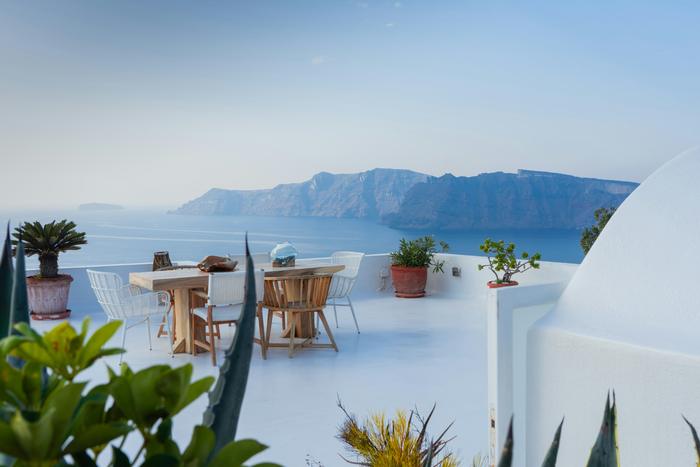
Greece
Ruins in the morning, a swim by noon, taverna until dark.
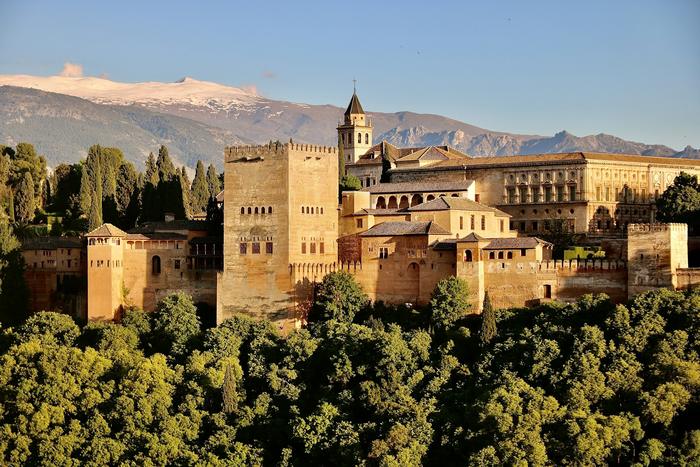
Spain
Food, beaches, and three or four cities that each justify the trip.
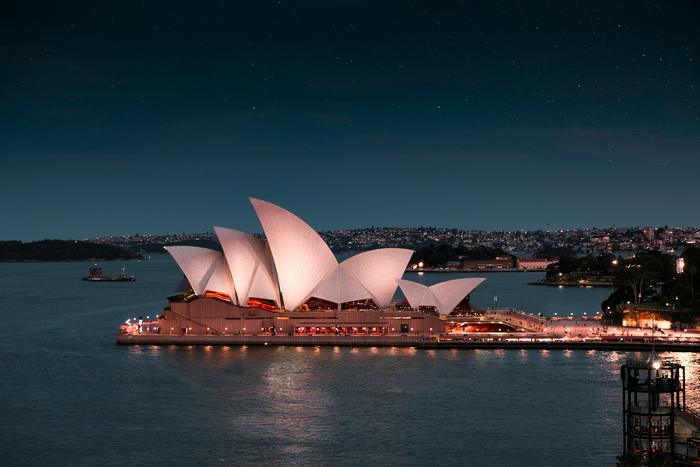
Australia
Vast, varied, relaxed. Reef, Sydney, and proper wilderness in one.
Not sure where to go
Take the 5-minute quiz
Answer a few honest questions and get matched to destinations that actually fit how you travel.
Start the quiz