Costa Rica vs Nicaragua

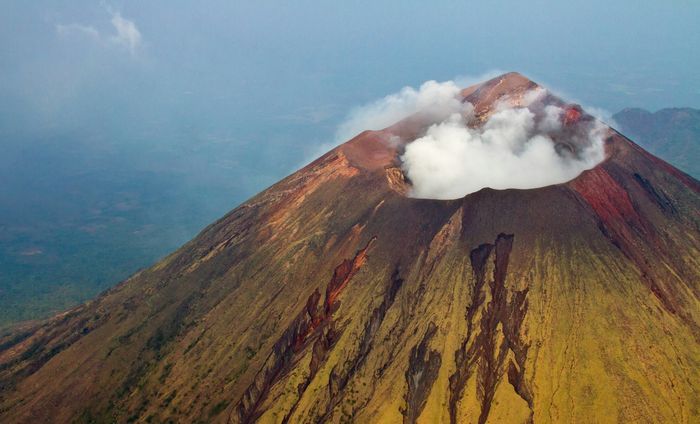
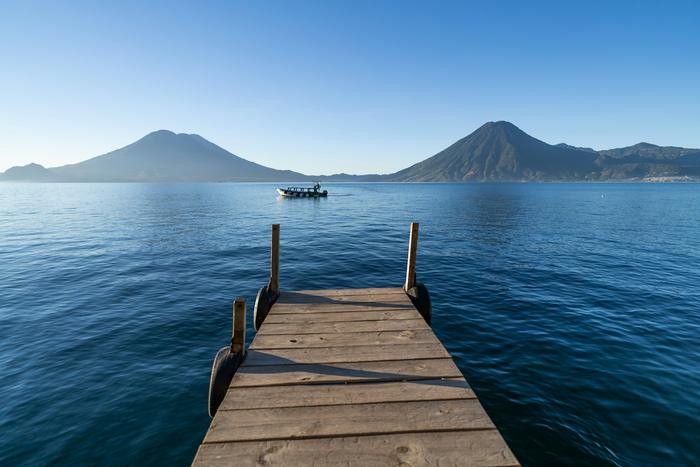
Next-door neighbours offering a similar landscape at opposite ends of development — and with one crucial difference to check first. Costa Rica is the polished eco-tourism heavyweight: wildlife density, national parks, two coasts and a turnkey machine, at a price. Nicaragua is the wilder, far cheaper version — the same volcanoes and beaches, rawer and quieter — but its current political and entry situation is the first thing to weigh.

Central America

Costa Rica

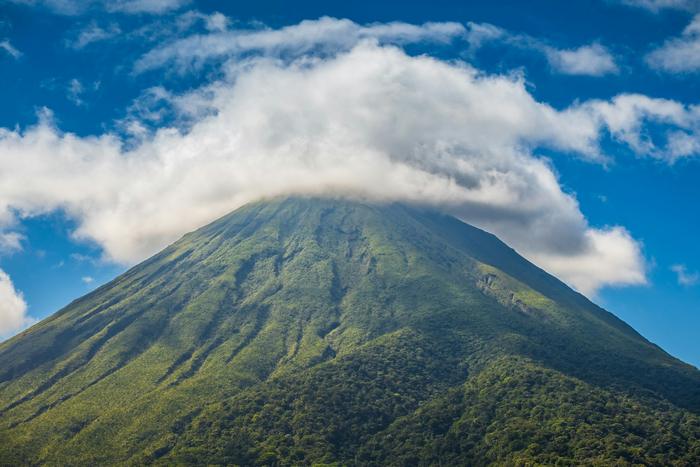
Surfing, rainforest, volcanoes, and wildlife in extraordinary density.

Best time to visit
  1. January: peak
  2. February: peak
  3. March: peak
  4. April: peak
  5. May: fine
  6. June: fine
  7. July: fine
  8. August: fine
  9. September: avoid
  10. October: avoid
  11. November: fine
  12. December: peak
Peak Fine Avoid
Central America

Nicaragua

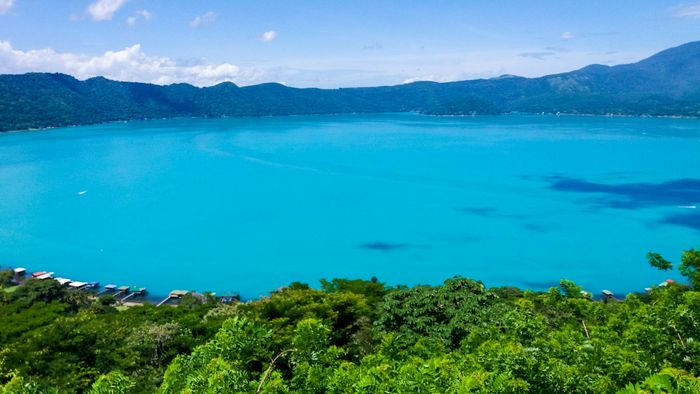
Costa Rica’s wilder, cheaper neighbour — volcanoes, colonial cities, and empty surf, for a fraction of the price.

Best time to visit
  1. January: peak
  2. February: peak
  3. March: peak
  4. April: fine
  5. May: fine
  6. June: fine
  7. July: fine
  8. August: fine
  9. September: avoid
  10. October: avoid
  11. November: peak
  12. December: peak
Peak Fine Avoid
Read our full guides about Costa Rica and Nicaragua.

Side by side

Emphasised where they differ. Muted rows are much the same either way.

Costa Rica Nicaragua
Best time December–April November–March
Climate warm warm
Budget Pricey — polished infrastructure, guides and lodges across rainforest, coasts and volcanoes Backpacker-cheap — one of the lowest-cost countries in the region
Trip length 1–4 wks 1–2 wks
Visa Visa-free for most Western passports (90 days). Visa-free for most Western passports (stays up to 90 days). Check current travel advisories before booking.
Currency CRC (Colon) — USD widely accepted. Córdoba (NIO); US dollars widely accepted.
Language Spanish. English in tourism. Spanish; limited English outside tourist areas.
Tap water Tap water safe in most of the country. Drink bottled or filtered water.
Safety Very safe by Central American standards. Watch belongings on beaches. Petty crime is the main risk, but the political situation can be volatile — check your government’s current advisory.

General guidance — visas, safety, and health change, so check your government's travel advisory and the official sources before you go.

The split

Polished and pricey, or raw and cheap

A similar landscape, opposite finish — one is a turnkey eco-machine, the other raw, cheap and advisory-flagged.

Polished vs rawthe finishAn eco-tourism machine, or DIY and quiet
Pricey vs cheapthe moneyYou pay for reliability, or save a lot for rough edges
Stable vs check advisoriesthe first thing to weighWell-trodden, or a current political/entry caveat

Costa Rica is the polished eco-tourism heavyweight: wildlife density, national parks, two coasts and a turnkey machine of guides and lodges, at a price. Nicaragua is the wilder, cheaper neighbour: the same volcanoes, lakes and surf, rawer and far quieter — but with a current advisory picture (US Level 3; arbitrary entry/exit bans) that has to be weighed first. Reliable polish, or cheap rawness with a caveat.

The operational detail — Costa Rica’s park-booking systems and seasons, Nicaragua’s advisory situation and entry realities — lives on the two guides: Costa Rica, know before you go and Nicaragua, know before you go. This page is the head-to-head.

Who suits which

Who each actually suits

Polished-and-reliable or cheap-and-raw — with advisories to check.

If you want…Costa RicaNicaragua
Wildlife density and polishWins clearly. The eco-machineRawer, thinner
Rock-bottom pricesPriceyWins clearly. Backpacker-cheap
A reliable, easy-to-plan tripWins. Well-trodden and stableCheck current advisories
Empty, uncrowded surfBusier breaksWins. Quiet points
Turnkey guides and lodgesWins. EverywhereMore DIY
The lowest-stress bookingWins. PredictableEntry can be unpredictable

Doing both

Neighbours, but weigh the risk

A land crossing exists — advisories come first.

They’re easy geographic neighbours with a land border, and in calmer times a combined trip would be natural. But given Nicaragua’s current entry unpredictability — arbitrary refusals without recourse (see its guide) — a combined overland itinerary carries real risk of disruption right now. Many travellers currently pick one, most often the polished and reliable Costa Rica, and watch the advisories before adding Nicaragua. Both share the November–April dry season.

What we leave out

What we deliberately leave out

Exact prices, and the fast-moving political and advisory picture for Nicaragua, change within a season — and advisories can shift quickly — so treat this page as the shape of the contrast, not current safety guidance; the country guides carry the live detail, and official advisories are the source to check before travel.

Costa Rica or Nicaragua, month by month

Which of the two is the better bet for each month of the year, scored on how well the season suits each place.

Which to choose

Choose Costa Rica if:

  • You want wildlife density and a polished, turnkey eco-trip — parks, guides, lodges.
  • Reliability and smooth infrastructure matter, and you’ll pay for them.
  • A safe, well-trodden, easy-to-plan trip is the priority.

Choose Nicaragua if:

  • You want the same volcanoes-and-beaches at a fraction of the price, and quieter.
  • A rawer, more adventurous trip appeals — and you’ll check current advisories first.
  • Low cost and empty surf matter more than polish and turnkey ease.

Common questions

Is Nicaragua safe compared with Costa Rica?
This is the question to settle before anything else, and it’s less about street crime than about the state. Costa Rica is stable and well-trodden. Nicaragua’s concern is political and legal: as of 2026 the US advisory sits at Level 3, “Reconsider Travel” (wrongful-detention risk and arbitrary enforcement), with the UK, Canada and Australia urging a high degree of caution, and a documented pattern of arbitrary entry and exit bans. Read all the current advisories before booking anything non-refundable — see the Nicaragua guide.
Which is cheaper, Costa Rica or Nicaragua?
Nicaragua, substantially — it’s one of the cheapest countries in the region, while Costa Rica is pricey for its polished, guide-and-lodge infrastructure. Nicaragua offers much the same volcanoes-and-beaches landscape for a fraction of the cost; Costa Rica charges for reliability and ease. See the Costa Rica and Nicaragua guides.
Is the scenery really similar?
Broadly, yes — both deliver volcanoes, lakes, colonial towns and Pacific surf. The difference is polish: Costa Rica has an eco-tourism machine (wildlife density, guides, lodges, signage), while Nicaragua is rawer and quieter — fewer turnkey operations, more doing it yourself. The same raw materials; very different finish.
Can I combine them?
Geographically they’re easy neighbours and a land crossing exists, but given Nicaragua’s current entry unpredictability (see its guide), a combined overland trip carries real risk of disruption. Many travellers currently choose one — most often the polished, reliable Costa Rica — and watch the advisories before considering Nicaragua.

Still undecided

Take the quiz

Three matches. Often answers comparison questions for you.

Start the quiz