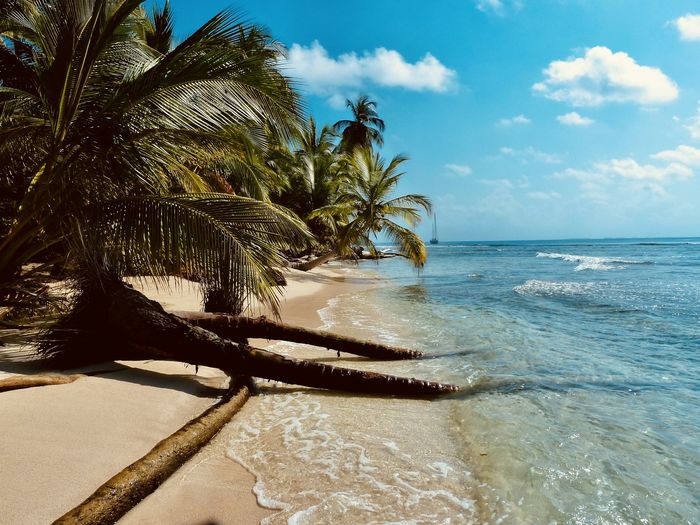
Costa Rica
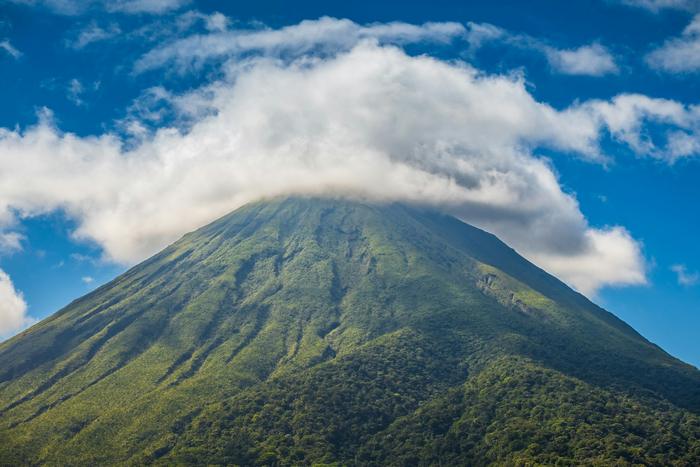
Surfing, rainforest, volcanoes, and wildlife in extraordinary density.
- January: peak
- February: peak
- March: peak
- April: peak
- May: fine
- June: fine
- July: fine
- August: fine
- September: avoid
- October: avoid
- November: fine
- December: peak
Two very different Central American trips. Costa Rica is the polished one — rainforest, wildlife and two coasts of beaches, with the infrastructure to make it easy, and priced to match. Guatemala is the raw one — Maya ruins, colonial Antigua, volcanoes and indigenous highlands, at roughly half the cost and twice the effort.
Surfing, rainforest, volcanoes, and wildlife in extraordinary density.
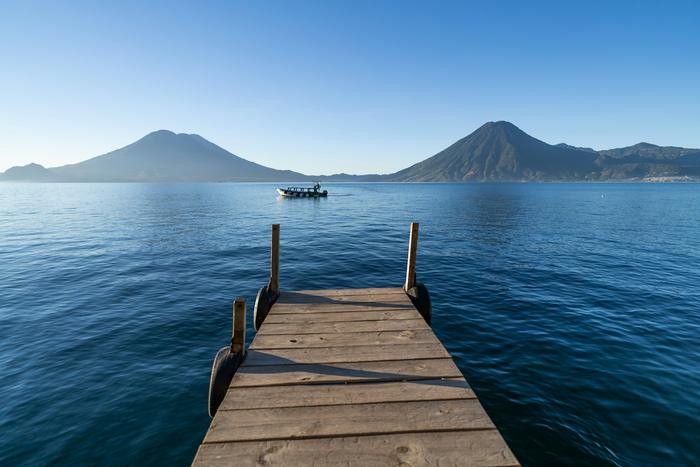
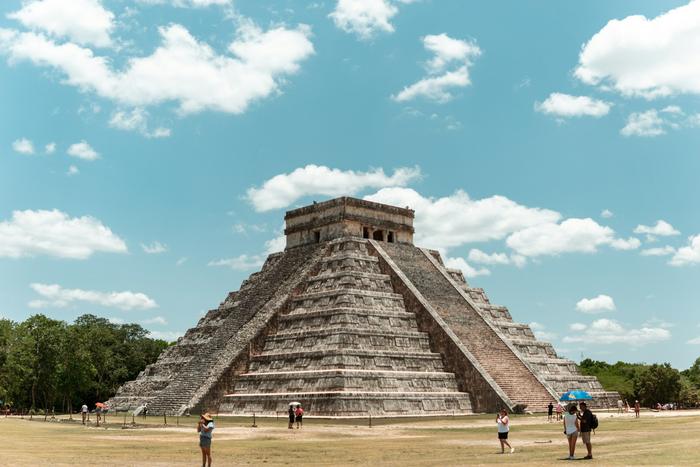
Maya ruins, volcano hikes, and a lake ringed by villages — cheap and intense.
Read our full guides about Costa Rica and Guatemala.
Emphasised where they differ. Muted rows are much the same either way.
| Costa Rica | Guatemala | |
|---|---|---|
| Best time | December–April | December–March |
| Climate | warm | warm |
| Budget | Premium — the priciest in Central America, often priced like the US | Budget — among the cheapest trips in the Americas |
| Trip length | 1–4 wks | 1–3 wks |
| Visa | Visa-free for most Western passports (90 days). | Visa-free for most Western passports (90 days, CA-4 region). Verify before travel. |
| Currency | CRC (Colon) — USD widely accepted. | GTQ (Guatemalan Quetzal). |
| Language | Spanish. English in tourism. | Spanish and Mayan languages. Limited English. |
| Tap water | Tap water safe in most of the country. | Tap water not safe. Drink bottled or filtered. |
| Safety | Very safe by Central American standards. Watch belongings on beaches. | Petty theft is common; some routes warrant caution. Check current advice. |
General guidance — visas, safety, and health change, so check your government's travel advisory and the official sources before you go.
The split
Both are Central America — but one is polished and pricey, the other raw and cheap.
Costa Rica is the polished, developed one: rainforest and cloud forest, extraordinary wildlife, two coasts of beaches and surf, and the booking infrastructure — eco-lodges, tours, shuttles, domestic flights — to make it almost frictionless, at a price much like the US. Guatemala is the raw, cultural one: Tikal rising from the jungle, colonial Antigua under its volcanoes, Lake Atitlán and the indigenous highlands, at roughly half the cost and noticeably more effort.
The detail that decides each trip — Costa Rica’s park-reservation systems, Guatemala’s advisory zones and the Acatenango/Fuego hike status — is specific to each country and genuinely moves, so it lives on the two guides: Costa Rica, know before you go and Guatemala, know before you go. This page is the head-to-head.
Ease vs reward
The gap is in friction and safety baseline — not in whether the trip is worth it.
Costa Rica is the easier first trip. Tourism is mature and geared to the visitor: eco-lodges you book online, English widely spoken in the trade, tourist shuttles and short domestic flights linking the regions, and a higher safety baseline — the main friction left is slow, winding roads if you self-drive. Guatemala rewards the more adventurous traveller. The gringo trail (Antigua–Atitlán–Tikal) is well-worn and friendly, but you move by shuttle van and chicken bus, roads are rougher, transfers longer, and more Spanish helps.
Safety is the other real difference, and it’s one to check rather than assume: Costa Rica sits a notch lower on travel advisories, while Guatemala carries a higher level with specific no-go zones and recurring, localized states of siege. Both are travelled happily on the main routes every day — but Guatemala asks for current information, and its active volcanoes add a hazard Costa Rica doesn’t match. That live picture belongs on the country guides, not pinned into a comparison.
Who suits which
They’re built for different travellers — so these rarely invert.
| If you are… | Costa Rica | Guatemala |
|---|---|---|
| On your first Central America trip | Wins clearly. Easy, booked, English-friendly | Rewarding but rougher — better for a second trip |
| After wildlife and rainforest | Wins clearly. Cloud forest, two coasts, eco-lodges | Nature is there, but culture is the point |
| Here for Maya ruins and living culture | Light on both | Wins clearly. Tikal, Antigua, highland markets |
| Watching the budget | Priced like the US | Wins. Roughly half the daily cost |
| Wanting beaches in the mix | Wins. Pacific surf and a Caribbean coast | Minor black-sand coast, not the draw |
| Comfortable with rough edges for reward | Smooth but pricey | Wins. Volcano treks, chicken buses, real adventure |
Doing both
You can pair them — but they don’t touch.
They’re not neighbours: Nicaragua and Honduras sit between them, so overland is a long haul and the sensible way to combine them is to fly — San José to Guatemala City is about an hour and a half direct. That makes it a two-hub trip rather than a border crossing, and the two halves genuinely complement: Costa Rica’s nature-and-comfort beside Guatemala’s culture-and-adventure. One entry note — Guatemala belongs to the CA-4 bloc, where a single 90-day allowance is shared across four countries, while Costa Rica grants its own separate stay and doesn’t count against that clock. Both run driest, and busiest, December–April.
What we leave out
Day-rates and anything fast-moving. The cost gap here is a ratio — Guatemala about half Costa Rica — because the absolute numbers drift with inflation and exchange rates. And the two most changeable facts on either side, Guatemala’s travel-advisory zones and the open-or-closed status of the Acatenango and Fuego volcano hikes, move too fast to pin into a comparison: check both on the country guides, and with operators, immediately before you travel.
Which of the two is the better bet for each month of the year, scored on how well the season suits each place.
A continent pretending to be a country — cities, deserts, and the best national parks anywhere.
Buenos Aires has the best steakhouses and nightlife in South America.
A continent of a country. Pick two or three things and commit.
Wilderness on a continental scale — Rockies, coast, and the cities between.
Medellin is one of the most exciting cities in the world right now.
Machu Picchu, the Sacred Valley, Lima's food scene, and the Amazon.
Seven hundred islands of impossibly clear water, from cruise-port Nassau to the empty Out Islands.
Music, classic cars, and crumbling grandeur — go for the country, not the comfort.
Still undecided
Three matches. Often answers comparison questions for you.
Start the quiz