Nicaragua
Costa Rica’s wilder, cheaper neighbour — volcanoes, colonial cities, and empty surf, for a fraction of the price.
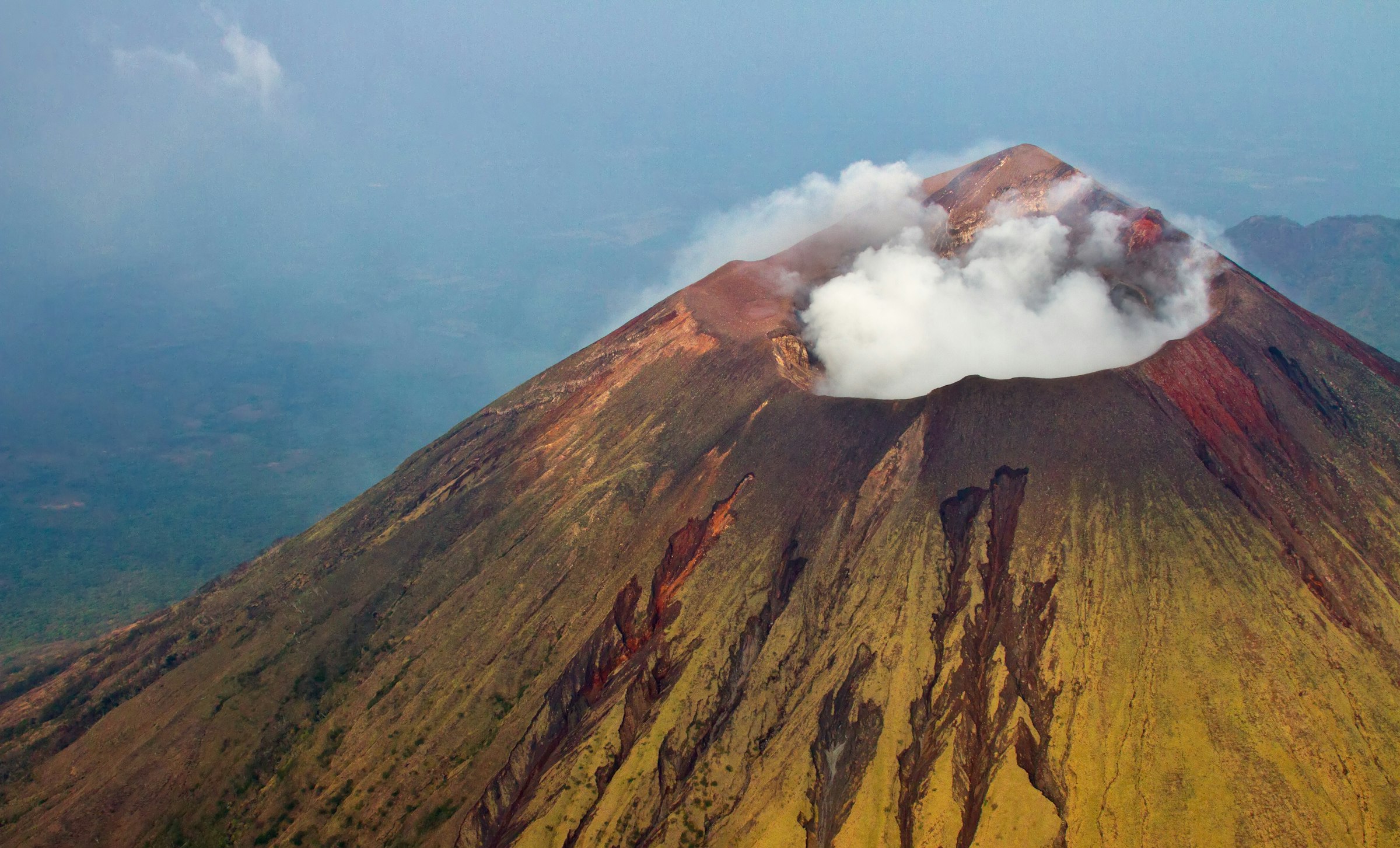
Nicaragua is what a lot of people imagine Costa Rica used to be: volcanoes and lakes, colonial towns, and long empty Pacific beaches, at backpacker prices and without the crowds. It's raw and a little rough around the edges, but it packs a startling amount into a small, cheap country — you can climb an active volcano, wander a colonial city, and surf an empty point break in the same few days.
The classic loop runs through the colonial cities and volcano country. Granada, on Lake Nicaragua, is the postcard — a colourful Spanish colonial grid under volcanoes, with boat trips out to the tiny islets. Nearby you can hike (or board down) an active volcano at Cerro Negro, soak in the crater lake of Laguna de Apoyo, and base in the university city of León. South, San Juan del Sur and the beaches around it are a surf-and-sunset scene with genuinely uncrowded waves. Out in the lake, Ometepe — two volcanoes joined by an isthmus into a single island — is the country's magic trick, and the Caribbean-side Corn Islands are proper castaway territory.
The honest part: Nicaragua is less polished and less predictable than Costa Rica — roads, buses, and infrastructure are rougher, English is thin outside tourism, and the political situation has been unstable in recent years, so it pays to check current advisories before you commit. It doesn't have the wildlife-tourism machine or the eco-lodges of its neighbour. What it has instead is space, prices that barely register, and a rawer, more adventurous version of the same volcanoes-and-beaches trip. Come in the dry season, keep plans flexible, and it delivers a lot for very little.
Highlights
-
Granada
A colourful Spanish colonial city on Lake Nicaragua, under volcanoes, with boat trips out to the isletas.
-
Ometepe
Two volcanoes joined into a single island in the middle of the lake — hiking, waterfalls, and total calm.
-
Volcano boarding, Cerro Negro
Hike an active volcano near León and sled down the black ash on a board.
-
San Juan del Sur
The Pacific surf-and-sunset hub, with uncrowded point breaks up and down the coast.
-
Laguna de Apoyo
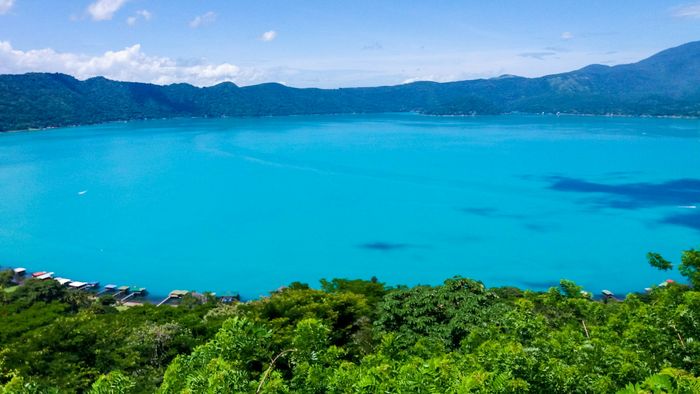
A clear, warm crater lake for swimming and kayaking, an easy trip from Granada.
-
Corn Islands
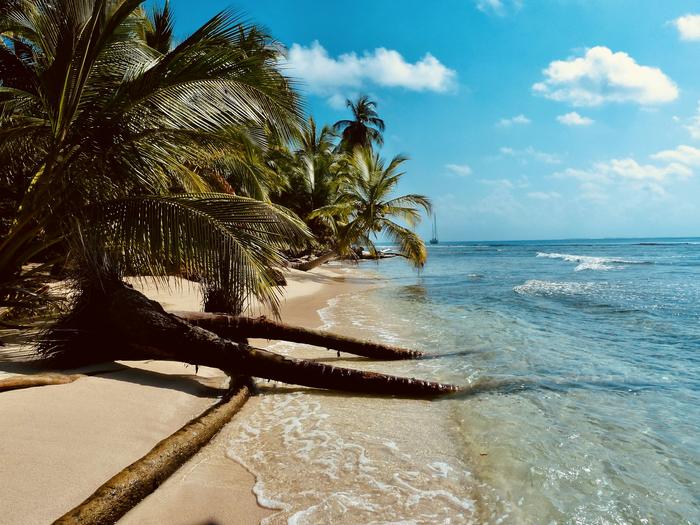
Two tiny Caribbean-side islands off the east coast — castaway beaches, reef, and lobster.
Practical info
- Visa
- Visa-free for most Western passports (stays up to 90 days). Check current travel advisories before booking.
- Currency
- Córdoba (NIO); US dollars widely accepted.
- Language
- Spanish; limited English outside tourist areas.
- Safety
- Petty crime is the main risk, but the political situation can be volatile — check your government’s current advisory.
- Getting around
- Shuttles and private drivers between hubs; chicken buses are cheap but slow. A boat reaches Ometepe.
- Tap water
- Drink bottled or filtered water.
- Plug type
- Type A Type B 120V
- Money
- Mostly cash; carry small US dollars and córdobas. ATMs in cities.
General guidance — visas, safety, and health change, so check your government's travel advisory and the official sources before you go.
Common questions
- When is the best time to visit Nicaragua?
- Nicaragua is at its best in November–March. It's best to avoid September, October.
- How many days do you need in Nicaragua?
- Most trips run 1–2 weeks, depending on how much ground you want to cover.
- Is Nicaragua expensive?
- Plan for backpacker – budget daily spend, depending on how you travel.
- Is Nicaragua safe for travelers?
- Petty crime is the main risk, but the political situation can be volatile — check your government’s current advisory.
- Do you need a visa for Nicaragua?
- Visa-free for most Western passports (stays up to 90 days). Check current travel advisories before booking.
Compare Nicaragua with
If you like Nicaragua, also consider
Mexico
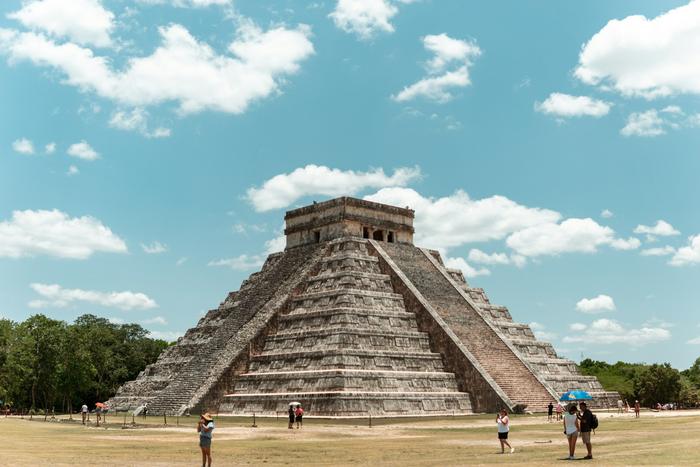
Mexico City is world-class. Add the coast, ruins, and food culture.
United States
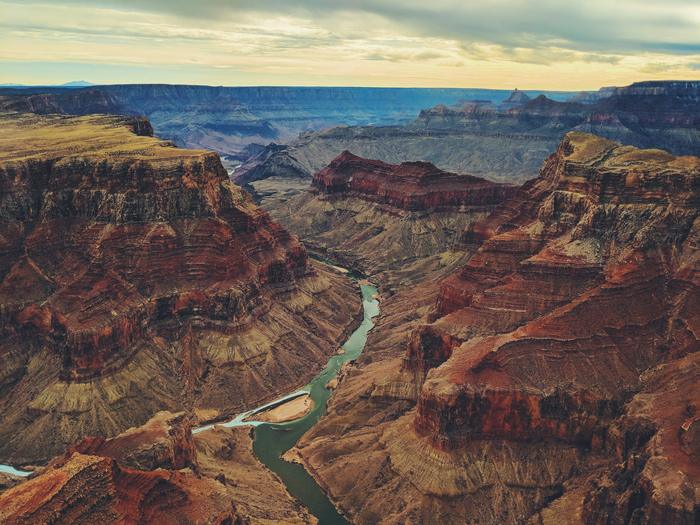
A continent pretending to be a country — cities, deserts, and the best national parks anywhere.
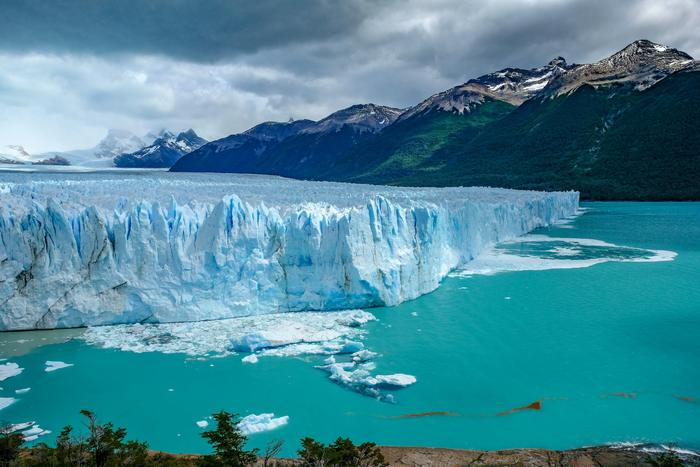
Argentina
Buenos Aires has the best steakhouses and nightlife in South America.
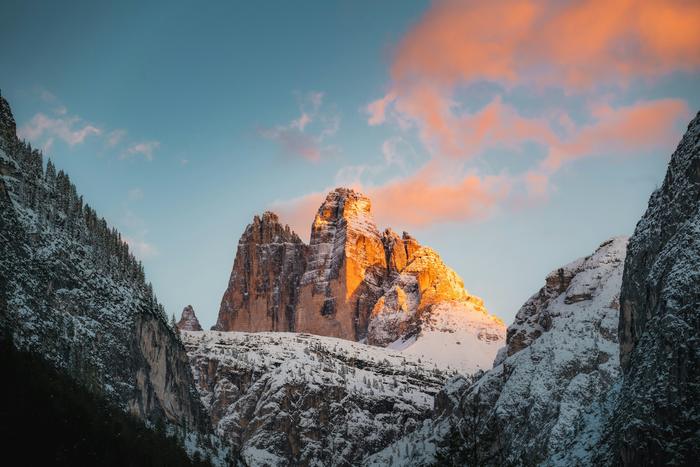
The Alps
The ski and alpine benchmark — every other mountain range is measured against this.
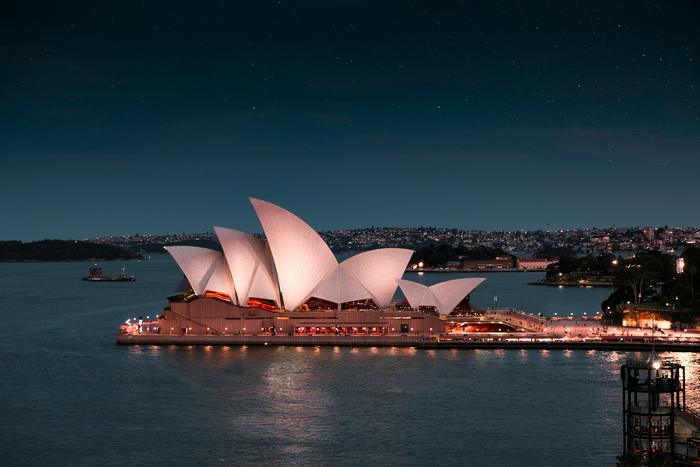
Australia
Vast, varied, relaxed. Reef, Sydney, and proper wilderness in one.
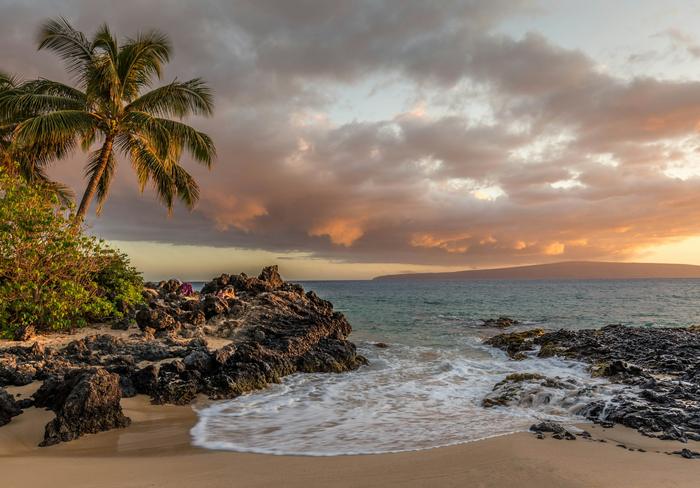
Hawaii
A handful of islands where the landscapes and the ocean genuinely earn the flight.
Not sure where to go
Take the 5-minute quiz
Answer a few honest questions and get matched to destinations that actually fit how you travel.
Start the quiz