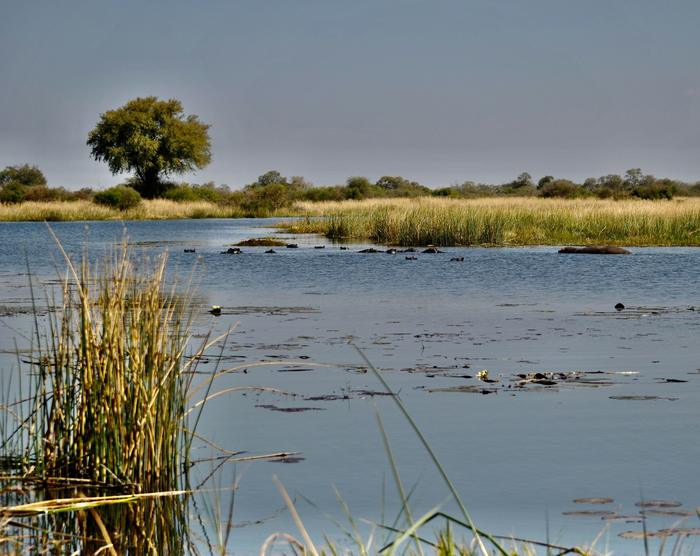
Botswana vs Victoria Falls

These sit side by side and do different jobs. Botswana is a premium, multi-day safari — fly-in camps in the Okavango Delta and along the Chobe, water-based game viewing and real wilderness, at real money. Victoria Falls is a two-or-three-day stop built around one enormous sight and a menu of water-and-air adventures. You rarely choose between them; you stitch them together.

Sub-Saharan Africa

Botswana

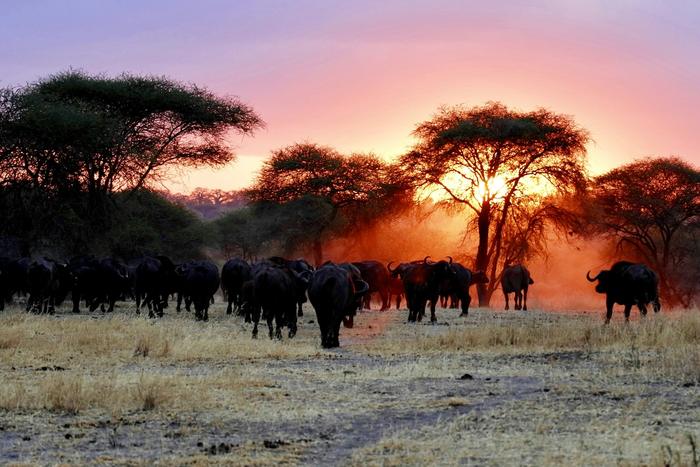
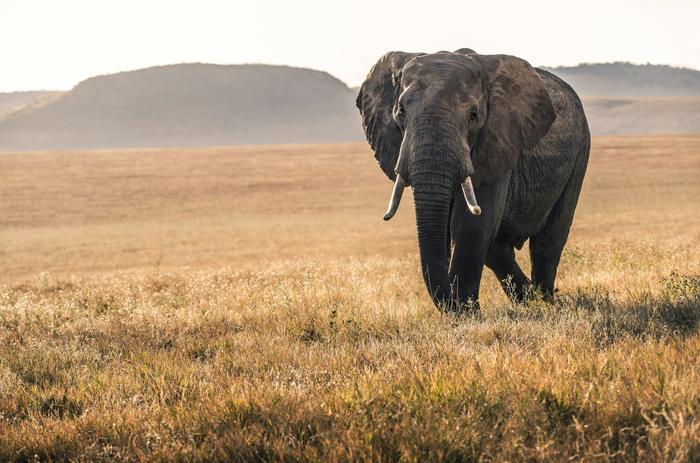
The most exclusive safari in Africa, built around a flooded desert.

Best time to visit
  1. January: fine
  2. February: avoid
  3. March: fine
  4. April: fine
  5. May: peak
  6. June: peak
  7. July: peak
  8. August: peak
  9. September: peak
  10. October: peak
  11. November: fine
  12. December: fine
Peak Fine Avoid
Sub-Saharan Africa

Victoria Falls

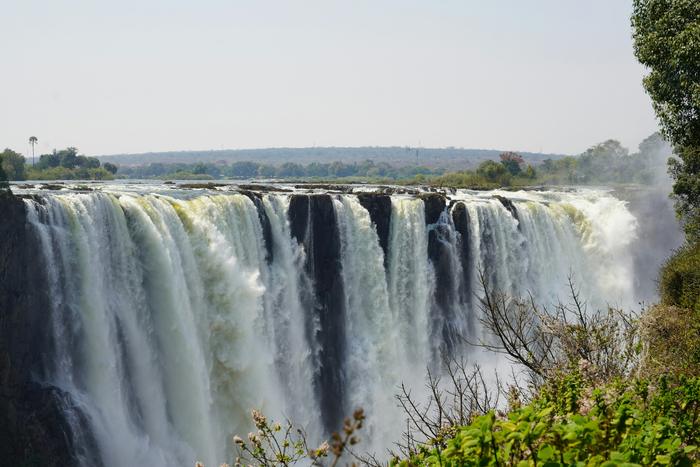
The largest sheet of falling water on Earth, with a town on either side.

Best time to visit
  1. January: fine
  2. February: peak
  3. March: peak
  4. April: peak
  5. May: peak
  6. June: peak
  7. July: fine
  8. August: fine
  9. September: fine
  10. October: avoid
  11. November: avoid
  12. December: fine
Peak Fine Avoid
Read our full guides about Botswana and Victoria Falls.

Side by side

Emphasised where they differ. Muted rows are much the same either way.

Botswana Victoria Falls
Best time May–October February–June
Climate warm warm
Budget High — fly-in Delta and Chobe camps are among Africa’s priciest; a premium, low-volume safari A short, activity-led stop — the viewing is cheap, the adventures are where the money goes; bring USD cash
Trip length 1–2 wks 1–1 wks
Visa Visa-free for most Western passports (90 days). Verify before travel. Both Zimbabwe and Zambia offer visa-on-arrival/e-visa; the KAZA UniVisa covers both sides — verify availability before travel.
Currency BWP (Pula). USD is used widely on the Zimbabwe side; Zambia uses the Kwacha.
Language English (official) and Setswana. English, both sides.
Tap water Bottled or filtered in camps. Drink bottled.
Safety Very safe from crime; the real risks are the wildlife and self-driving in remote areas. The tourist towns — Victoria Falls (Zimbabwe) and Livingstone (Zambia) — are safe with normal caution.

General guidance — visas, safety, and health change, so check your government's travel advisory and the official sources before you go.

The split

A deep safari, or a punchy add-on

Neighbours doing different jobs — one is a multi-day premium safari, the other a short iconic-sight stop.

Days vs a stopthe lengthA multi-day camp safari, or a 2–3 day highlight
Wildlife vs one sightthe focusDelta and Chobe game, or a mile-wide curtain of water
High vs modestthe spendFly-in camps, or cheap viewing plus paid adventures

Botswana is a deep, premium safari: fly-in camps in the Okavango Delta and along the Chobe, water-based game viewing and genuine wilderness, at a high and deliberately low-volume price. Victoria Falls is a short, punchy stop: two or three days around one enormous sight, filled out with rafting, a sunset cruise or a Devil’s Pool swim depending on the water. One is the main event of a trip; the other is the highlight you slot beside it.

The operational detail — Botswana’s camp pricing, flood timing and park fees; Victoria Falls’ water level, KAZA UniVisa and USD-cash economy — lives on the two guides: Botswana, know before you go and Victoria Falls, know before you go. This page is the head-to-head.

Who suits which

Who each actually suits

Deep-safari or iconic-stop — and most people want both.

If you want…BotswanaVictoria Falls
A deep, multi-day safariWins clearly. Delta and Chobe campsA Chobe day trip at most
The one bucket-list sightNot the pointWins clearly. The falls themselves
Adrenaline activitiesGame drives and mokoroWins. Rafting, bungee, Devil’s Pool
Premium, low-volume wildernessWins. Exclusive by designBusy little tourist towns
A short, cheaper highlightA big budgetWins. Two or three days
Doing bothNatural pairing — a few days eachNatural pairing — a few days each

Doing both

The classic combined trip

Adjacent and complementary — this is the obvious pairing.

This is one of Africa’s most natural combinations: the falls and Botswana’s Chobe sit a short transfer apart at the Kazungula meeting of borders, so the standard itinerary is a few days at Victoria Falls (the sight, plus the adventures) and a few days on safari in the Chobe and/or the Okavango Delta. The KAZA UniVisa even covers the day crossings. Build it around the dry season, which gives prime game viewing and lines up with the falls’ low-water activity window — and lean into the contrast of a punchy highlight beside deep wilderness.

What we leave out

What we deliberately leave out

Exact prices and the moving pieces — Botswana’s camp rates, flood timing and park fees; Victoria Falls’ activity costs, visa fees and water level — change within a season, so the figures here are the shape of the gap, not a quote; the country guides carry the live detail.

Botswana or Victoria Falls, month by month

Which of the two is the better bet for each month of the year, scored on how well the season suits each place.

Which to choose

Choose Botswana if:

  • You want a deep, multi-day safari — the Okavango Delta, Chobe, water-based game viewing.
  • Premium, low-volume wilderness is worth the price.
  • Wildlife, not a single sight, is the whole trip.

Choose Victoria Falls if:

  • You want the one bucket-list sight and some adrenaline in a couple of days.
  • Rafting, a Devil’s Pool swim or a sunset cruise appeal more than days of game drives.
  • You’re slotting a punchy highlight into a bigger trip.

Common questions

Are Botswana and Victoria Falls rivals or a pairing?
A pairing, overwhelmingly. They’re right next to each other — Chobe National Park in Botswana is a short hop from the falls via the Kazungula corner — so the classic trip combines them: a few days at the falls, a few in Botswana’s camps. Botswana is a deep, multi-day premium safari (the Okavango Delta, the Chobe); Victoria Falls is a two-or-three-day stop around one giant sight and its adventures. Different jobs, done together. See the Botswana and Victoria Falls guides.
Which is the real safari?
Botswana, clearly — it’s one of the finest and most exclusive safari countries in Africa, built on fly-in camps, water-based game viewing in the Okavango Delta and huge elephant numbers along the Chobe, at a high, low-volume price point. Victoria Falls isn’t a safari at all; its wildlife element is a Chobe day trip across the border. A full premium safari, or a day’s taste of one bolted to the falls.
Which costs more?
Botswana, by a wide margin — its fly-in Delta and Chobe camps are among the priciest in Africa, deliberately high-value and low-volume. Victoria Falls is a cheaper, shorter stop: entry to the falls is modest, and the cost comes from the optional adventures (rafting, helicopter, Devil’s Pool). A big safari budget, or a short activity spend.
How do the seasons line up?
Conveniently, for a combined trip. Botswana’s dry season (roughly May–October) is prime for game — and, counter-intuitively, the Okavango’s flood peaks mid-year in that dry window. Victoria Falls is a water-level call: high water peaks around April (full thunder, but spray and no rafting), low water (roughly August–January) opens Devil’s Pool and the big rapids. A dry-season safari pairs naturally with the falls’ low-water activity window.

Still undecided

Take the quiz

Three matches. Often answers comparison questions for you.

Start the quiz