Provence vs Tuscany

The two postcard idylls of the Mediterranean good life — and choosing between them is really choosing a flavour. Provence is about landscape and light: lavender fields, hilltop villages, rosé under the plane trees, Roman ruins and markets, with a relaxed, sensory feel. Tuscany is about art and wine: Renaissance Florence and Siena, the Chianti and Val d’Orcia wine country, cypress-lined hills, and a deeper layer of culture. Lavender-and-light, or art-and-wine.

Western Europe

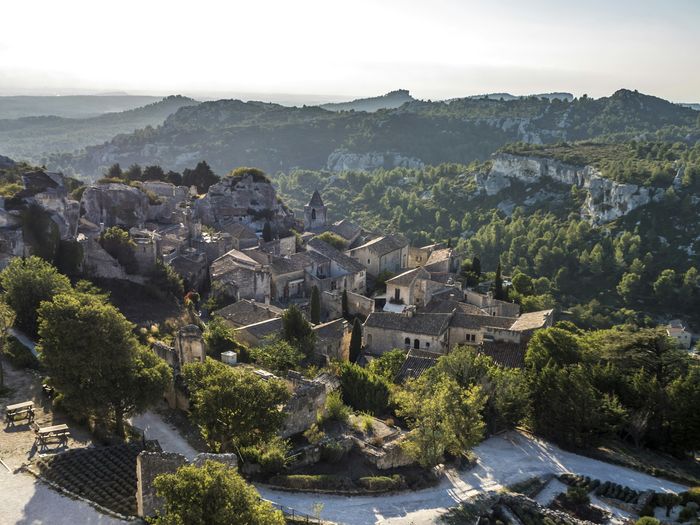
Provence

The good life, distilled — lavender, hilltop villages, Roman ruins, and rosé under the plane trees.

Best time to visit
  1. January: avoid
  2. February: avoid
  3. March: fine
  4. April: peak
  5. May: peak
  6. June: peak
  7. July: peak
  8. August: fine
  9. September: peak
  10. October: fine
  11. November: avoid
  12. December: avoid
Peak Fine Avoid
Southern Europe

Tuscany

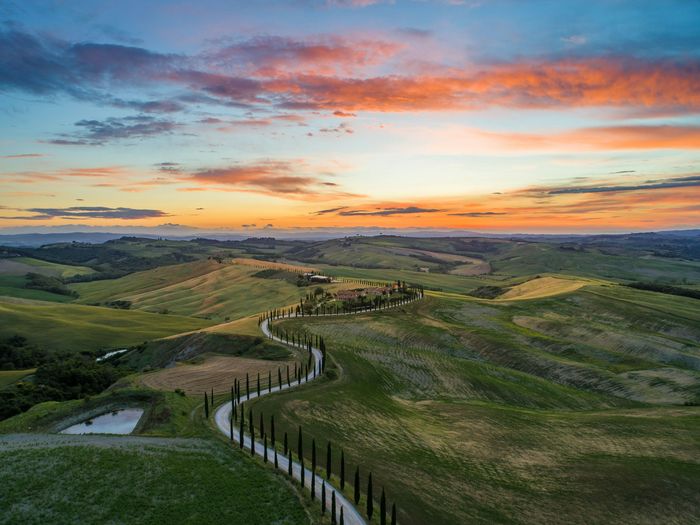
The template for the good life — Renaissance cities, cypress hills, and the best wine roads in Italy.

Best time to visit
  1. January: fine
  2. February: fine
  3. March: fine
  4. April: peak
  5. May: peak
  6. June: peak
  7. July: fine
  8. August: fine
  9. September: peak
  10. October: peak
  11. November: fine
  12. December: fine
Peak Fine Avoid

Read our full guides about Provence and Tuscany.

Side by side

Emphasised where they differ. Muted rows are much the same either way.

Provence Tuscany
Best time April–July, September April–June, September, October
Climate warm mild
Budget Western-European, comfortable rather than cheap — real July–August premiums; a car is the one near-essential cost Western-European — the countryside can be good value, but Florence in season is dear; mind museum and ZTL costs
Trip length 1–2 wks 1–2 wks
Visa Schengen — visa-free for most Western passports (90 days). Schengen — visa-free for most Western passports (90 days).
Currency EUR (€) EUR (€)
Language French; English patchy in villages but common in tourism. Italian; English widely spoken in tourism.
Tap water Tap water safe and good. Tap water safe and good.
Safety Very safe; ordinary precautions, and watch for car break-ins at rural trailheads. Very safe; watch for pickpockets around Florence’s big sights.

General guidance — visas, safety, and health change, so check your government's travel advisory and the official sources before you go.

The split

Lavender and light, or art and wine

Two idylls of the good life — one French, sensory and landscape-led, the other Italian, cultural and wine-led.

Landscape vs artthe drawLavender and villages, or Renaissance cities
Relaxed vs culturalthe tripSlow and sensory, or museum-and-history rich
Rosé vs Chiantithe glassBoth superb wine country, different in style

Provence is landscape and light: lavender fields, hilltop villages, rosé under the plane trees, Roman ruins and bustling markets — a relaxed, sensory idyll. Tuscany is art and wine: Renaissance Florence and Siena, the Chianti and Val d’Orcia wine roads, cypress-lined hills, and a deeper cultural layer to dig into. Both are among the loveliest countryside anywhere; the choice is which flavour of the good life you want.

Operational detail — Provence’s lavender window, Calanques access and tourist tax; Tuscany’s Florence tax, museum prices and ZTL driving traps — lives on the two guides: Provence, know before you go and Tuscany, know before you go. This page is the head-to-head.

Who suits which

Who each actually suits

Landscape-and-light or art-and-wine — so these never invert.

If you want…ProvenceTuscany
Lavender and hilltop villagesWins clearly. The signatureLovely hills, no lavender
Renaissance art and citiesRoman Arles, lighterWins clearly. Florence, Siena
A slow, sensory idyllWins. Rosé and marketsCan be, but culture-rich
Wine countryRosé countryWins. Chianti, Val d’Orcia
A deeper cultural layerLighterWins. Art and history
Mediterranean light and feelWins. The light is the thingGorgeous, more inland

Doing both

Combinable, but usually a choice

Different countries, not far apart — most people still pick one.

They sit in different countries — southern France and central Italy — but close enough that a longer road or rail trip can string both together, if each fills a week on its own. They share the same spring-and-autumn timing and the same Schengen entry rules (EES now live, ETIAS to come). Choose Provence for a relaxed, lavender-and-light landscape idyll, Tuscany for Renaissance art and the wine country.

What we leave out

What we deliberately leave out

Exact prices and the moving pieces — Provence’s tourist tax and lavender timing; Tuscany’s Florence tax, museum prices and ETIAS date — change within a season, so the figures here are the shape of the gap, not a quote; the country guides carry the live detail.

Provence or Tuscany, month by month

Which of the two is the better bet for each month of the year, scored on how well the season suits each place.

Which to choose

Choose Provence if:

  • You want lavender, hilltop villages, rosé and a relaxed, sensory feel.
  • Landscape and light matter more than museums.
  • A French countryside idyll beats a culture-heavy one.

Choose Tuscany if:

  • You want Renaissance art, wine country and a deeper cultural layer.
  • Florence, Siena and the Chianti are the draw.
  • Art-and-wine beats lavender-and-light.

Common questions

How do Provence and Tuscany compare?
By flavour, since both are gorgeous countryside-and-village idylls. Provence is about landscape and light — lavender, hilltop villages, rosé, Roman ruins and markets, with a relaxed, sensory feel. Tuscany is about art and wine — Renaissance Florence and Siena, the Chianti and Val d’Orcia, cypress hills, and a deeper cultural layer. Lavender-and-light, or art-and-wine. See the Provence and Tuscany guides.
Which has more culture, and which is more about relaxing?
Tuscany has the deeper culture by far — Florence alone is one of the world’s great art cities, and Siena, Pisa and Lucca add to it, so it rewards museum days and history. Provence is more about relaxing into the landscape — lavender drives, village markets, long rosé lunches — with lighter cultural hits (Roman Arles, the Pont du Gard). A culture-first trip, or a slow-sensory one.
What about the signature experiences?
Provence’s is the lavender — a narrow late-June-to-mid-July window on the Valensole plateau — plus rosé country and the Luberon villages. Tuscany’s is the wine-and-art pairing: a Chianti or Val d’Orcia wine drive plus the galleries of Florence. Both are at their best in spring and autumn (Provence also in the lavender weeks), hot and busy in high summer. Time your lavender, or your wine roads and museum bookings.
Can I combine them?
They’re in different countries (southern France and central Italy) but not far apart, so a longer road or rail trip can take in both — though each easily fills a week, so most people choose. Both share the same seasonal advice and the same EES/ETIAS entry rules (both are in Schengen). Decide on a French landscape idyll, or an Italian art-and-wine one.

Still undecided

Take the quiz

Three matches. Often answers comparison questions for you.

Start the quiz