Provence
The good life, distilled — lavender, hilltop villages, Roman ruins, and rosé under the plane trees.
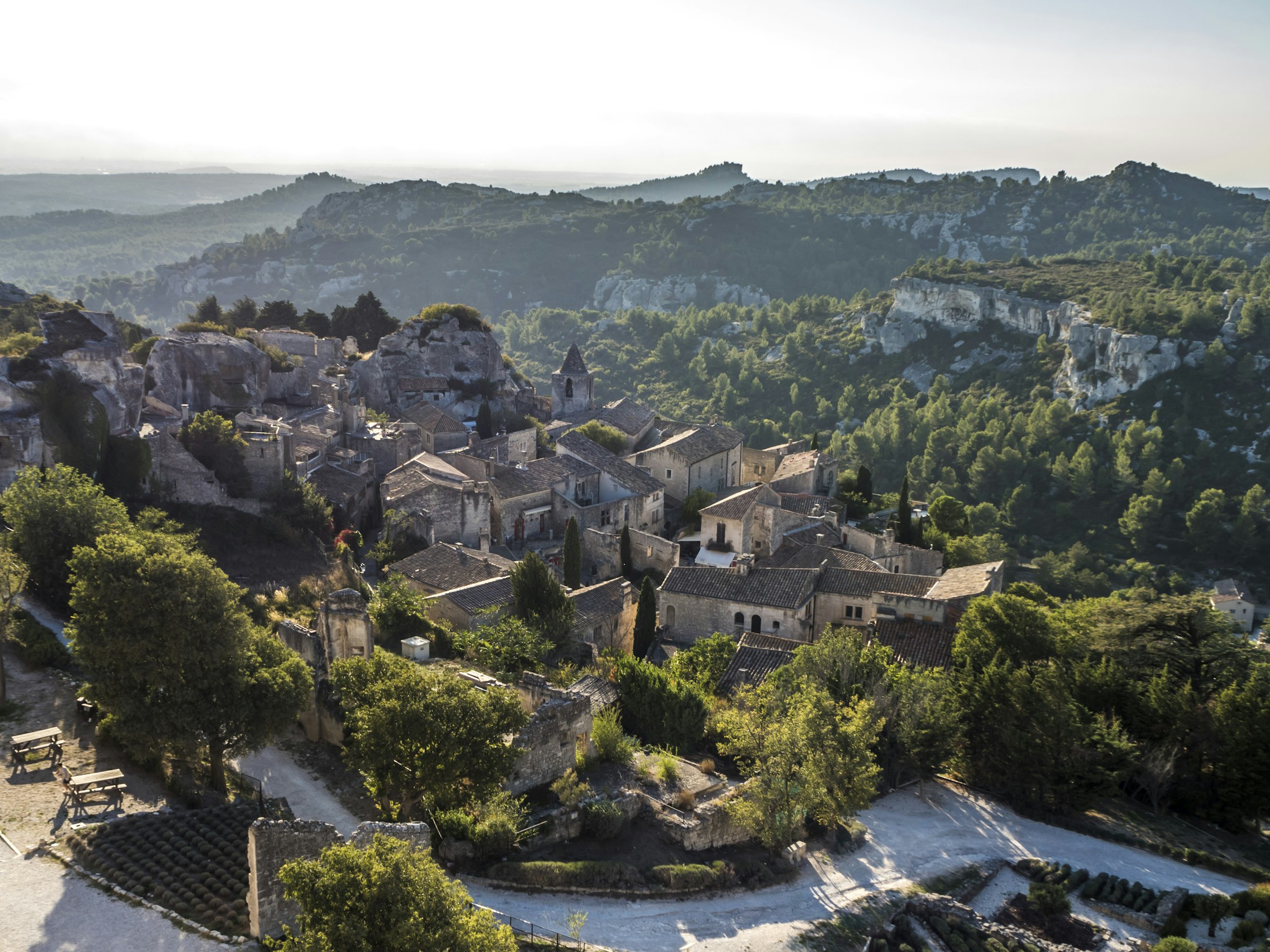
Provence is the south of France at its most idyllic: a sun-baked region of lavender fields, honey-stone hilltop villages, Roman ruins, and market towns where lunch runs long and the rosé is local. It's less about ticking sights than about a pace and a landscape — the Luberon's perched villages, the ochre cliffs, the plane-shaded squares — with the glamour of the Riviera an easy drive to the southeast when you want it.
Base in the Luberon or near Aix and let the days unspool: a morning market in Aix-en-Provence or Isle-sur-la-Sorgue, an afternoon wandering perched villages like Gordes, Roussillon (built into red-ochre cliffs), and Ménerbes, and a long dinner with a bottle of the region's pale rosé. The set-pieces are the lavender fields of the Valensole plateau and the Abbaye de Sénanque, which blaze purple for a few weeks around late June and July, and the region's remarkable Roman heritage — the Pont du Gard aqueduct, the arena and theatre of Arles and Orange. Avignon adds the vast Palais des Papes. It's a driving trip; a car is what unlocks it.
The honest part: the lavender everyone comes for has a narrow window — roughly late June into July, weather-dependent — and if that's your dream, timing is everything; come in August and the fields may already be cut. High summer is hot, the famous villages get busy, and the fierce mistral wind can blow for days. It's also not a cheap region. But shoulder-season Provence — spring or September — is close to perfect: warm, quiet, green, and built entirely around eating, drinking, and pottering through beautiful old villages.
Highlights
-
Lavender of Valensole
Vast purple fields across the Valensole plateau and around the Abbaye de Sénanque — peak roughly late June to mid-July.
-
Luberon villages
Perched hilltop villages — Gordes, and Roussillon built into red-ochre cliffs — strung across the hills.
-
Aix-en-Provence
Plane-shaded boulevards, fountains, and one of the best market-and-café scenes in France.
-
Roman Provence
The Pont du Gard aqueduct and the arenas and theatres of Arles and Orange — Roman engineering at full scale.
-
Avignon
The walled papal city, dominated by the enormous Gothic Palais des Papes.
-
Markets & rosé
Isle-sur-la-Sorgue’s antiques and produce, and the pale local rosé that defines a Provençal lunch.
Practical info
- Visa
- Schengen — visa-free for most Western passports (90 days).
- Currency
- EUR (€)
- Language
- French; English patchy in villages but common in tourism.
- Safety
- Very safe; ordinary precautions, and watch for car break-ins at rural trailheads.
- Getting around
- Rent a car — essential for the villages and lavender. TGV reaches Avignon and Aix from Paris in ~3 hours.
- Tap water
- Tap water safe and good.
- Plug type
- Type C Type E 230V
- Money
- Cards widely accepted; carry cash for markets.
General guidance — visas, safety, and health change, so check your government's travel advisory and the official sources before you go.
Common questions
- Do I need a visa for Provence?
- As part of France and Schengen, US, UK, Canadian and Australian visitors are visa-free for 90 days in any 180. The biometric EES is live; ETIAS is not yet in force (expected 2027). The currency is the euro. See entry.
- When exactly is the lavender?
- Roughly late June to mid-August — the famous Plateau de Valensole peaks about late June to mid-July (harvest from ~mid-July), while the higher Sault plateau blooms later, carrying the colour into mid-August. See the lavender.
- Do I need a car?
- Yes for the hill villages, lavender plateaus and the Verdon — they’re rural and poorly served by transport. The cities (Avignon, Aix, Arles) are fine car-free, reached by TGV. See getting around.
- Which towns are the highlights?
- Avignon (the Palace of the Popes), Aix-en-Provence (Cézanne, fountains, markets) and Arles (Roman arena, Van Gogh), plus the Luberon villages of Gordes and Roussillon. See cities and villages.
- What’s the Verdon Gorge?
- Europe’s "Grand Canyon" — a turquoise river gorge up to ~700 m deep, with kayaking and pedal-boats on the Lac de Sainte-Croix and the pretty gateway village of Moustiers-Sainte-Marie. See nature.
- What’s the mistral?
- A strong, cold, dry north wind that funnels down the Rhône valley and can blow hard for days — it clears the skies to a brilliant blue but is chilly and forceful, most common in winter and spring. See when to go.
Entry
France, Schengen and the euro
Standard French entry — the new bit is the border tech.
Provence is in southern France and the Schengen Area, so US, UK, Canadian and Australian visitors enter visa-free for up to 90 days in any 180, on the euro. The EU’s biometric EES is now live at the border, while its ETIAS authorisation is not yet in force (expected in 2027), so it isn’t required at present.
Administratively, Provence forms part of the Provence-Alpes-Côte d’Azur (PACA) région — the same region as the Riviera — so Marseille and the TGV serve both, and there’s no separate regional entry process.
Allow a little extra time for EES enrolment on first entry, and re-check ETIAS nearer travel since its launch date keeps slipping (not required for now). Nothing about Provence changes the standard France/Schengen rules — a passport is all most readers here need.
The lavender
Getting the famous fields right
Provence’s signature image — but the timing is everything.
late Jun–mid-Jul the lavender peak on the Plateau de Valensole
For many, Provence means lavender — but the single most important planning fact is when. The postcard plateaus of Valensole hit their purple peak from about late June to mid-July, and the harvest begins around mid-July, so a late-July or August visit to Valensole can find the fields already cut.
The fix is altitude: the higher Sault plateau flowers later and holds its colour into mid-August (its lavender festival is around 15 August). The photogenic row at the Abbaye de Sénanque is a small field, best early-to-mid July.
Plan the lavender trip around the bloom, not the calendar you’d prefer: for Valensole aim late June to mid-July; for an August visit head to the higher Sault fields instead. The weeks shift with the year’s weather, so check recent bloom reports before locking dates, and go at dawn to beat both the heat and the crowds.
Cities & Rome
Popes, Cézanne and Roman stone
Provence’s towns carry papal, artistic and Roman history.
Provence’s cities are a layered delight. Avignon wears its 14th-century grandeur as the former seat of the popes — the vast Palais des Papes and the half-broken bridge of the nursery rhyme — while Aix-en-Provence is all elegance: fountains, plane trees, Cézanne’s studio and some of the region’s best markets.
The Roman legacy is extraordinary: Arles, where Van Gogh painted, still stages events in its 2,000-year-old arena, and nearby Orange and Nîmes hold some of the best-preserved Roman monuments anywhere outside Italy.
| City | What | Note |
|---|---|---|
| Avignon | The Palais des Papes and the famous bridge | The medieval papal seat — UNESCO |
| Aix-en-Provence | Cézanne’s elegant town of fountains | Plane-lined Cours Mirabeau; daily markets |
| Arles | A Roman arena and Van Gogh’s light | The arena still hosts events; UNESCO |
| Orange / Nîmes | A superb Roman theatre and temple | Among the best-preserved anywhere |
Provence has some of the finest Roman monuments outside Italy — the Arles arena, the Orange theatre, the Nîmes Maison Carrée.
Luberon villages
Perched stone villages
The Luberon’s hilltop villages are Provence distilled.
The Luberon is where Provence becomes a daydream — a cluster of honey-stone villages perched on hills and ridges. Gordes tumbles photogenically down its slope near the Sénanque abbey; Roussillon glows in reds and oranges from the ochre it’s built on; and Ménerbes and Bonnieux are the quintessential perched villages of Peter Mayle’s books.
Down in the valley, L’Isle-sur-la-Sorgue threads canals and waterwheels through town and hosts one of Europe’s great antiques markets, liveliest on Sundays.
| Village | What | Note |
|---|---|---|
| Gordes | A stone village cascading down a hill | Near the Abbaye de Sénanque |
| Roussillon | Ochre cliffs and ochre-toned houses | The Sentier des Ocres trail |
| Ménerbes / Bonnieux | Perched Luberon hill villages | "A Year in Provence" country |
| L’Isle-sur-la-Sorgue | The "Venice of Provence" | Canals and a huge antiques market |
Several are official "Plus Beaux Villages de France" — a car is the only sensible way to link them.
Base yourself in or near the Luberon with a car and village-hop at leisure — the joy is the unhurried drive between them, with a market and a long lunch built in. Time L’Isle-sur-la-Sorgue for a Sunday if you love antiques, and start the famous villages early before the tour coaches arrive.
Nature
A turquoise canyon and pink flamingos
Beyond the fields: a grand gorge, a bald peak and a wild delta.
~700 m deep the Gorges du Verdon — "Europe’s Grand Canyon"
Provence’s wild side is a match for its villages. The Gorges du Verdon — "Europe’s Grand Canyon" — is a dizzying turquoise chasm, best enjoyed by kayak or pedal-boat from the Lac de Sainte-Croix, with the ceramic village of Moustiers-Sainte-Marie clinging above. The bald bulk of Mont Ventoux, a legendary Tour de France climb, dominates the skyline to the north.
For something flatter and stranger, the Camargue — the Rhône’s marshy delta — is a birdwatcher’s dream of pink flamingos, with the famous white horses and black bulls, while the white-cliffed Calanques cut into the coast near Marseille and Cassis, their turquoise inlets reached on foot or by boat.
Getting around
TGV to the cities, a car for the rest
Fast trains reach the towns — everything else needs wheels.
The cities are superbly connected: the TGV whisks you from Paris to Avignon in about 2h40 (and on to Aix/Marseille in roughly three hours), so Avignon, Aix, Arles and Nîmes are all doable car-free, with Marseille the main regional airport.
But the soul of Provence — the hill villages, the lavender plateaus, the Verdon — is rural and barely served by public transport, so a hire car is essential to explore it. Pick up the car once you’re done with the cities, and enjoy the back roads.
When to go
Lavender in summer, towns in the shoulders
Time it to the bloom — and the mistral.
Lavender peaks at Valensole ~mid-July and later at higher Sault into mid-August. Spring and autumn are the mild sweet spots for the towns and hiking; high summer is hot and crowded. The mistral — a strong cold north wind — can blow hard any season, clearing the skies to vivid blue.
Timing depends on your priority. For lavender, you’re locked into roughly late June to mid-August (see above). For everything else — the towns, the villages, hiking the Verdon — the shoulder seasons (April–June, September–October) are the sweet spot: warm, lighter crowds, and spring greenery or autumn harvest.
High summer (July–August) is hot, busy and dear (though it’s lavender time), and year-round you may meet the mistral, the forceful cold north wind that scours the sky clean but can chill a sunny day.
Food & wine
Rosé, markets and truffles
The Provençal table is sunshine on a plate.
Provence is the world’s rosé heartland — pale, dry Côtes de Provence pink is the drink of the long lunch — alongside the serious reds of Bandol and, near Avignon, the prestige Rhône of Châteauneuf-du-Pape. Olive oil, herbs and sunshine do the rest.
The cuisine is unfussy and generous: ratatouille, Marseille’s bouillabaisse, tapenade and aioli, melons from Cavaillon, and black truffles in winter. Above all it’s a market culture — the morning open-air market, in Aix or Arles or L’Isle-sur-la-Sorgue, is where the region shows itself, piled high with produce, cheese and herbs.
- The lavender shotSkipthe wrong weeksGoValensole late Jun–mid-Jul (or Sault into August)
- Hill villages and marketsSkipa city-only baseGoa car and a Luberon village base
- Roman grandeurSkipskipping the westGoArles, Nîmes and Orange
| On the table | What | Note |
|---|---|---|
| Rosé | The world’s rosé heartland | Côtes de Provence; also Bandol |
| Châteauneuf-du-Pape | The prestige Rhône red | From the village near Avignon |
| Markets & olive oil | Provençal produce markets | Aix, Arles, L’Isle-sur-la-Sorgue |
| Cuisine | Ratatouille, bouillabaisse, tapenade | Black truffles in winter (Richerenches) |
The open-air market is the beating heart of Provençal life — go early for the best of it.
Build days around the morning market — it’s the most Provençal thing you can do, and the raw material for a picnic among the vines or villages. Pair a rosé with a long village lunch, and if you’re here in winter, seek out a truffle market like Richerenches for the region’s hidden season.
Compare Provence
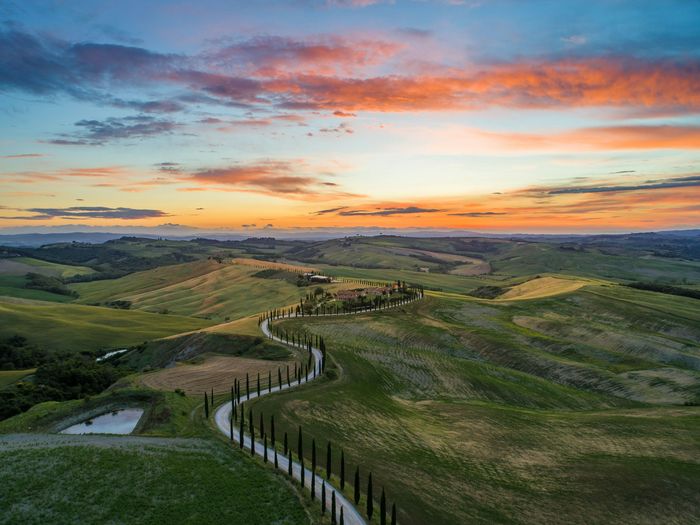
If you like Provence, also consider

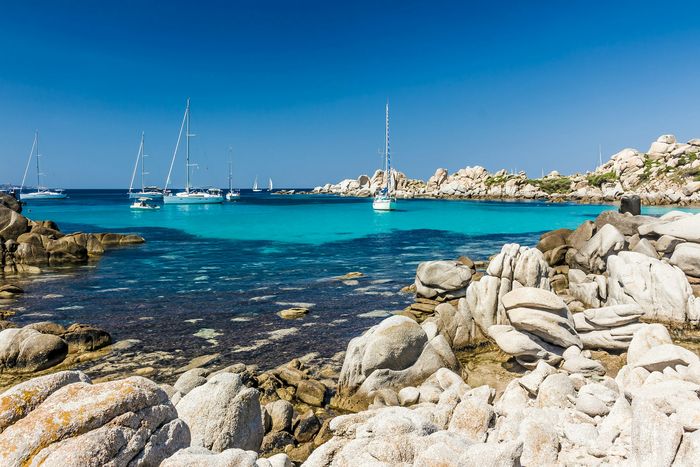
Greece
Ruins in the morning, a swim by noon, taverna until dark.
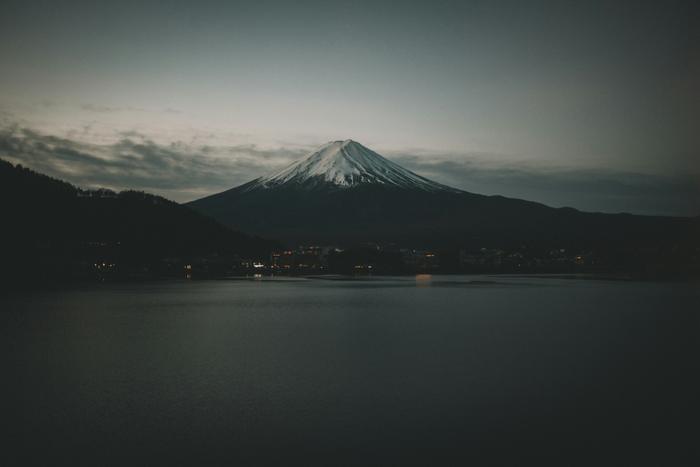
Japan
Extraordinary food, culture, and cities. Nothing quite prepares you for it.
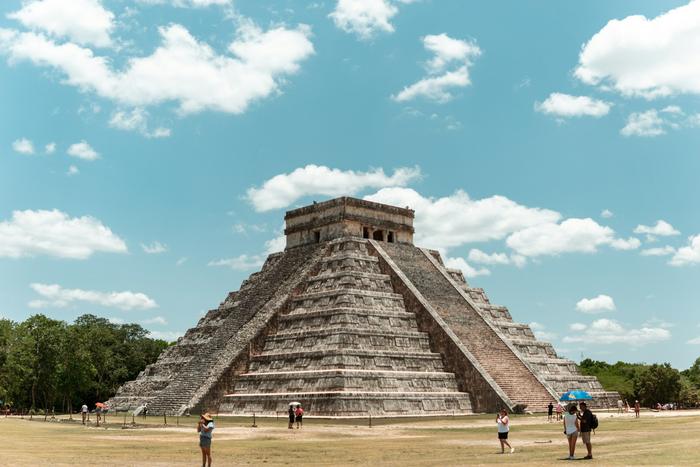
Mexico
Mexico City is world-class. Add the coast, ruins, and food culture.
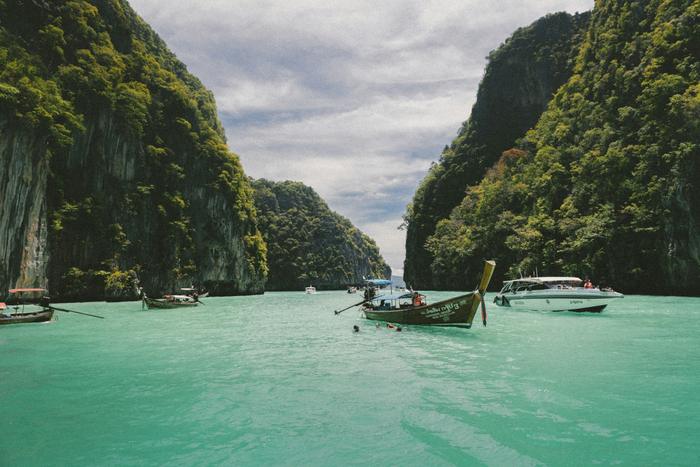
Thailand
The complete package for warm-climate travel.
Not sure where to go
Take the 5-minute quiz
Answer a few honest questions and get matched to destinations that actually fit how you travel.
Start the quiz