Japan vs Thailand

Two of Asia’s great trips, and near-opposites. Japan is polished, deep and four-season — bullet trains, temples and food, planned in advance. Thailand is cheap, tropical and easy — beaches, street food and a relaxed rhythm you just turn up for.

East Asia

Japan

Extraordinary food, culture, and cities. Nothing quite prepares you for it.

Best time to visit
  1. January: fine
  2. February: fine
  3. March: peak
  4. April: peak
  5. May: peak
  6. June: avoid
  7. July: avoid
  8. August: avoid
  9. September: fine
  10. October: peak
  11. November: peak
  12. December: fine
Peak Fine Avoid
Southeast Asia

Thailand

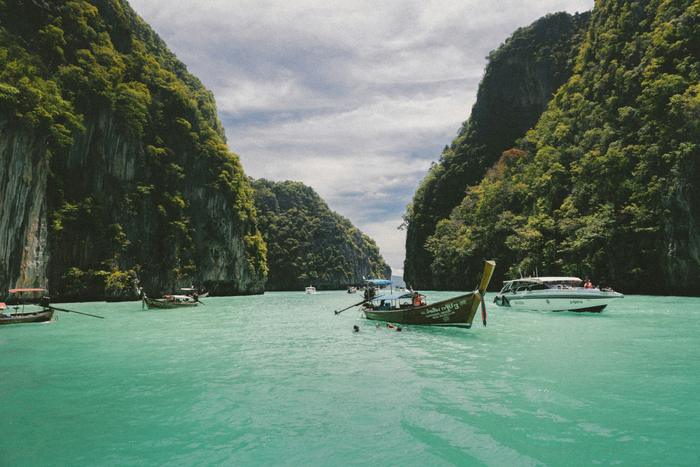
The complete package for warm-climate travel.

Best time to visit
  1. January: peak
  2. February: peak
  3. March: fine
  4. April: avoid
  5. May: avoid
  6. June: avoid
  7. July: avoid
  8. August: avoid
  9. September: avoid
  10. October: fine
  11. November: peak
  12. December: peak
Peak Fine Avoid

Read our full guides about Japan and Thailand.

Side by side

Emphasised where they differ. Muted rows are much the same either way.

Japan Thailand
Best time March–May, October, November November–February
Climate mild warm
Budget Pricier — though the weak yen makes it unusually good value now Much cheaper — one of Asia’s best-value trips
Trip length 2–5 wks 2–8 wks
Visa Visa-free for most Western passports (90 days). Verify before travel. Visa-free for most Western passports (30-60 days). Verify before travel.
Currency JPY (Yen). Roughly 150 JPY ≈ 1 USD. THB (Baht). Roughly 36 THB ≈ 1 USD.
Language Japanese. English is improving but limited outside tourist areas. Thai. Decent English in tourist areas, less elsewhere.
Tap water Tap water safe and excellent. Tap water not safe to drink.
Safety Among the safest countries in the world. Very safe overall. Watch for scams in Bangkok and on islands.

General guidance — visas, safety, and health change, so check your government's travel advisory and the official sources before you go.

The split

Polished and planned, or cheap and easy

Both are Asian icons — but one you engineer and the other you just turn up for.

Culture vs beacheswhat each is really forTemples, trains and seasons, or islands and street food
Much cheaperThailand against JapanA dollar street meal vs a pricier (if weak-yen-discounted) Japan
Plan vs improvisethe practical differenceJapan rewards booking ahead; Thailand you can wing

Japan is the polished, four-season culture trip: bullet trains, temples, extraordinary food and dense etiquette, planned around a season and booked in advance — pricier, but unusually good value right now with the weak yen. Thailand is cheap, tropical and easy: beaches on two coasts, street food for a dollar, a relaxed rhythm you can largely improvise, geared to every budget from backpacker to luxury. They’re near-opposites, and that’s the choice.

The operational detail for each — Japan’s Rail Pass maths and Mt Fuji rules, Thailand’s two-coast monsoon and visa-in-flux — lives on the two guides: Japan, know before you go and Thailand, know before you go. This page is the head-to-head.

Who suits which

Who each actually suits

They answer different holidays — so these rarely invert.

If you want…JapanThailand
Beaches and warm-weather easeNot the point — this is a culture tripWins clearly. Two coasts of islands, warm year-round
Depth, temples and refined foodWins clearly. Four seasons, trains, Michelin densityGreat food and temples, but a lighter cultural trip
To keep costs downPricier, if weak-yen-discounted right nowWins. Dramatically cheaper across the board
A low-planning, turn-up tripRewards planning — seasons, seats, bookingsWins. Largely improvised, forgiving
The world’s best trains and orderWins. The shinkansen, spotless and punctualCheap flights and ferries, more relaxed
A first, easy trip to AsiaRewarding but demands moreWins. The gentle, warm introduction

Doing both

A big-trip pairing that works

Not a casual add-on — but a natural two-part Asia trip.

They’re about six hours apart by air, so pairing them is a longer-trip decision rather than a quick hop — but it’s a great one: the intensity and polish of Japan, then Thailand’s beaches and warmth to wind down (or the reverse, easing in before Japan’s pace). Each fills two-plus weeks comfortably, so the natural shape is a longer Asia trip with the two as its halves and a stopover between. The seasons even help: Japan’s cool, clear autumn and Thailand’s dry November–March overlap nicely.

What we leave out

What we deliberately leave out

Exact prices beyond the structural comparison — fares, exchange rates and tickets move (the yen and baht especially), so the figures here are the shape of the gap, not a quote; the country guides carry the live detail. Two fast-moving items in particular: Japan’s Rail Pass price and Thailand’s visa-exemption length are both mid-change, so check those before you book.

Sources

Where this comes from

The detail above was read off primary sources on — operator timetables, municipal ordinances, regional tourism boards, national statistics offices and first-hand traveller reports, rather than other travel articles. Researched and maintained by Dmitrii Romashchin — how we research.

Japan or Thailand, month by month

Which of the two is the better bet for each month of the year, scored on how well the season suits each place.

Which to choose

Choose Japan if:

  • You want depth and polish — temples, world-class food, four seasons, and the world’s best trains.
  • You enjoy planning a trip: seasons, seat reservations, itineraries — Japan rewards it.
  • You’d rather have a cool-climate cultural journey than a beach holiday, and the weak yen makes now a bargain.

Choose Thailand if:

  • You want warmth, beaches and ease — turn up, island-hop, and switch off.
  • Value matters most: it’s dramatically cheaper, a street meal for a dollar.
  • You want a relaxed, low-planning trip with a party option and a gentle learning curve.

Common questions

Is Japan or Thailand cheaper?
Thailand, by a wide margin — a street meal is a dollar or two and a budget room a few hundred baht, well under Japanese prices across the board. Japan is pricier but less than people fear right now, because the weak yen makes it roughly 20–30% cheaper on the ground than a few years ago. Still, Thailand is the clear value trip.
Is Japan or Thailand better for a first trip to Asia?
Thailand is the gentler introduction — warm, cheap, easy, forgiving, and geared to travellers of every budget. Japan is the more polished and rewarding trip but asks more: careful seasonal timing, seat reservations, more planning and a higher budget. Ease and beaches, or depth and culture.
Which has better food, Japan or Thailand?
Both are world-class and very different. Japan is precision and depth — sushi, ramen, kaiseki, a Michelin-dense Tokyo, cheap at street level too. Thailand is bold, fresh and cheap — street stalls, night markets, a full Michelin guide of its own. Japan for refinement, Thailand for value and punch; neither disappoints.
How much planning does each need?
Very different. Japan rewards planning — you time the trip to a season, reserve bullet-train seats, and book big sights and Mt Fuji ahead. Thailand you can largely improvise: turn up, book a flight or ferry a day or two out, and go. That planning gap is the clearest practical difference between the two.
Should I do both Japan and Thailand in one trip?
They’re a six-hour flight apart, so it’s a big-trip pairing rather than a casual add-on, but it works well: Japan’s culture and cool climate, then Thailand’s beaches to decompress — or the reverse. Each easily fills two-plus weeks, so it suits a longer Asia trip with a stopover between.
Still undecided

Take the quiz

Three matches. Often answers comparison questions for you.

Start the quiz