Indonesia
Seventeen thousand islands of volcanoes, reefs, and temples — the most varied country in Southeast Asia.
Indonesia is less a country than a continent of islands — more than 17,000 of them, strung along the equator, holding everything from Bali's rice terraces to Komodo dragons, Javanese temples, Sumatran orangutans, and the best diving on earth. It's vast, cheap, and staggeringly diverse, which is both the appeal and the catch: you don't 'do' Indonesia, you pick a corner of it.
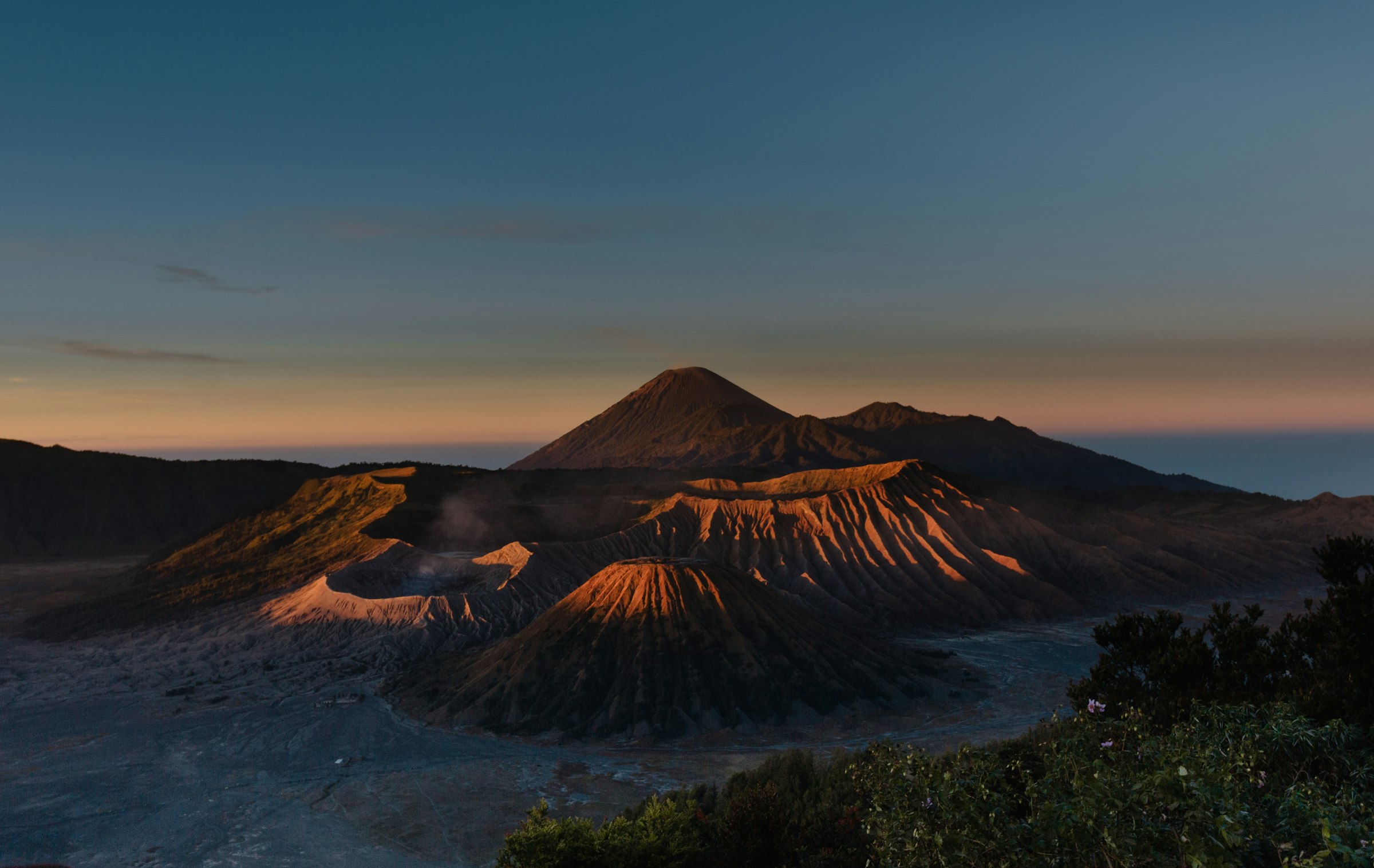
Most trips start with Bali — the famous, easy, beautiful introduction — but the country opens right up from there. Neighbouring Lombok and the Gili Islands trade the crowds for quieter beaches and the Rinjani volcano. East, the dragons and pink beaches of Komodo sit above some of the world's richest reefs. On Java, the giant Buddhist temple of Borobudur rises out of the dawn mist, the sultan's city of Yogyakarta anchors the culture, and the blue fire and sulphur miners of Ijen and the caldera of Bromo draw the volcano-hikers. Further out lie Sumatra's jungle orangutans and Sulawesi's highland funerals, and — for divers — the reefs of Raja Ampat, arguably the most biodiverse marine spot on the planet. Prices are low and the warmth of the welcome is constant.
The honest part: the scale defeats people who try to see too much. The islands are enormous and spread across three time zones, so island-hopping means flights and ferries and real travel time — cramming Bali, Java, Komodo, and Sumatra into one trip is a recipe for exhaustion. Bali's south is now heavily developed and can feel overrun, infrastructure thins fast once you leave the tourist trail, and the wet season (roughly November to March) closes some of the best hikes and dive windows. Come in the dry season, choose one or two regions rather than the whole archipelago, and Indonesia rewards you with more variety than almost anywhere on the list.
Highlights
-
Bali
The easy, beautiful gateway — rice terraces, temples, surf, and Ubud’s jungle-and-yoga scene.
-
Borobudur & Java
The world’s largest Buddhist temple at dawn, the culture of Yogyakarta, and the volcanoes of Bromo and Ijen.
-
Komodo
Dragons, pink-sand beaches, and world-class diving on a liveaboard through the Flores islands.
-
The Gilis & Lombok
Car-free island calm next door to Bali, with the Rinjani volcano to climb.
-
Raja Ampat
Remote reefs in the far east — arguably the most biodiverse marine environment on earth.
-
Sumatra
Jungle-trekking to wild orangutans at Bukit Lawang and the vast crater lake of Toba.
Practical info
- Visa
- Visa on arrival / e-visa for most Western passports (30 days, extendable). Verify before travel.
- Currency
- Indonesian Rupiah (IDR).
- Language
- Indonesian; English in tourist areas.
- Safety
- Generally safe; use reputable operators for boats, dives, and volcano treks, and dress modestly away from beach resorts.
- Getting around
- Domestic flights and ferries link the islands — build in real travel time; hire a driver or scooter locally.
- Tap water
- Drink bottled or filtered water.
- Plug type
- Type C Type F 230V
- Money
- Cash-based outside cities and resorts; ATMs in towns.
General guidance — visas, safety, and health change, so check your government's travel advisory and the official sources before you go.
Common questions
- Do you need a visa for Indonesia, and is there a tourist tax?
- Most visitors (US, UK, EU, Canada, Australia) get a Visa on Arrival — IDR 500,000, 30 days, extendable once for another 30. You can pay at the airport or, to skip the queue, buy the e-VOA online before you fly from the official immigration portal (beware clone sites). A fee rise to IDR 750,000/1,000,000 was proposed in August 2026 but is not yet in force. One point of confusion worth clearing up: the IDR 150,000 tourist levy is Bali-only — travellers to Java, Komodo, Sumatra or Sulawesi don’t pay it, and there is no nationwide tourist tax (though one has been floated).
- When is the best time to visit Indonesia?
- The dry season, roughly April–October, is best for Java’s volcanoes, Komodo and trekking; the wet season (November–March) brings daily downpours and rougher seas, and dengue rises. Because the archipelago spans thousands of kilometres, the pattern isn’t uniform — Maluku and Papua run on a different rhythm — so “dry season” is region-specific. Factor in Ramadan (around 8 February–9 March in 2027), when hours shorten and transport fills around Eid.
- How do you get around Indonesia?
- You fly. This is a country of 17,000-plus islands spread across three time zones, so domestic flights (Garuda, Lion/Batik, Citilink) between the hubs — Jakarta, Surabaya, Makassar, Denpasar — are essential, not optional; you can’t sensibly overland it. Within Java the trains are genuinely good and scenic (book via the KAI app; they sell out at weekends), and Pelni ships and regional fast boats handle the inter-island hops, like the run to Flores and Komodo.
- Are the volcanoes a real risk for travel?
- They’re beautiful and central to the trip — Bromo, Ijen’s blue fire — but Indonesia sits on the Ring of Fire and eruptions genuinely disrupt travel. Lewotobi Laki-laki on Flores was at the highest alert earlier in 2026, repeatedly grounding flights to Flores, the Komodo gateway and even Bali/Lombok, before being downgraded to Level II in September; Semeru and others stay active. None of this should stop a trip, but check the official monitoring (MAGMA Indonesia) before travelling to Flores/Komodo or climbing anything, and build slack into island-hopping flights.
- Is Indonesia a good first-time Asia trip beyond Bali?
- Yes, but set it up as a region-by-region trip, not a grand tour — the distances are continental. A classic first circuit pairs cultural Java (Yogyakarta, Borobudur, the Bromo/Ijen volcanoes) with one wildlife region: the Komodo dragons off Flores, Sumatran orangutans at Bukit Lawang, or the Raja Ampat diving in Papua. English is modest outside tourist hubs, but Bahasa Indonesia is beginner-friendly and the value is excellent once you land.
- What vaccinations and health prep do you need?
- See a travel clinic ahead. Malaria is a real risk in Papua, Maluku and the remote east (and negligible in Jakarta, Java’s cities and the main tourist zones), dengue is nationwide and worse in the rains, and typhoid, hepatitis A and rabies are worth covering. Tap water isn’t potable — bottled or filtered only. Pack for heat, humidity and sun, plus a layer for cold pre-dawn volcano summits.
Entry & money
Visa on Arrival, and the Bali-only levy
Entry is a simple paid stamp — and the famous tourist tax isn’t yours to pay off Bali.
Visitors from the US, UK, EU, Canada and Australia get a Visa on Arrival: IDR 500,000, valid 30 days and extendable once for another 30. Pay on arrival, or buy the e-VOA online beforehand to skip the queue — using the official immigration portal, not one of the clone sites. A fee increase was proposed in August 2026 but hasn’t taken effect. Your passport needs six months’ validity.
The much-discussed IDR 150,000 levy is specific to Bali (in force since early 2024); nowhere else in Indonesia charges it, and there’s no national tourist tax (one has only been floated). The currency is the rupiah, and cash dominates outside the cities — city ATMs are plentiful but thin on remote islands and Flores/Sumba, so withdraw before you leave a hub. Cards work in hotels and malls; park gates increasingly take QR but keep cash for rural ones, guides and ferries.
Getting around
A country you fly, not drive
17,000 islands across three time zones — the plane is the road.
The single mental adjustment is scale: Indonesia is an archipelago of more than 17,000 islands across three time zones, so domestic flights are essential for linking the hubs — Jakarta (CGK), Surabaya, Makassar, Denpasar — and you simply can’t overland the distances. Build in schedule slack, because volcanic ash and weather do cancel island flights.
Where the trains run, they’re a pleasure: Java’s rail network is good, scenic and cheap (book through the KAI app; weekends and holidays sell out). For the islands without airports, Pelni’s long-haul ships and regional fast boats fill in — including the sea route to Flores and the Komodo national park out of Labuan Bajo. In cities, Gojek and Grab ride-hailing is cheap and ubiquitous.
| Mode | Use it for | Note |
|---|---|---|
| Domestic flights | Linking the hubs and islands | Garuda, Lion/Batik, Citilink; the essential backbone |
| Java trains (KAI) | Jakarta–Yogyakarta–Surabaya | Good, scenic, cheap; book on the app, sells out at weekends |
| Pelni ships & fast boats | Islands without airports | Incl. the sea route to Flores and Komodo |
| Ride-hailing (Gojek/Grab) | Getting around within cities | App-based cars and motorbikes; cheap |
The main airport hubs are Jakarta (CGK), Surabaya, Makassar (the eastern pivot) and Denpasar. Build schedule slack into island-hopping legs — volcanic ash and weather do cancel flights, especially around Flores. Checked October 2026.
Treat Indonesia as a country you fly, and build in buffers. It’s 17,000-plus islands across three time zones, so domestic flights link the hubs (Jakarta, Surabaya, Makassar, Denpasar) and you simply can’t overland the distances. Budget-airline schedules shift, and weather or volcanic ash can ground flights at short notice — so leave real slack before any international connection, and don’t chain tight same-day island hops.
Sights & fees
Borobudur, Komodo and the fee saga
Two of the headline sights ration or re-price access — check right before you go.
On Java, the Buddhist temple of Borobudur — the world’s largest — and nearby Prambanan (the great Hindu complex, both UNESCO-listed since 1991) are the draw. Climbing onto Borobudur’s upper structure is timed, pre-booked and guided, in special footwear, with much cheaper grounds-only entry; the old Monday closure was lifted in 2025 and the daily cap is being revised, so check the current rule. East Java delivers the volcano set-pieces: Mt Bromo (pre-booked, no gate sales; reopened August 2026 after a wildfire, with a daily cap) and Kawah Ijen’s pre-dawn blue fire, which since 2024 requires a health certificate because of the sulphur gas.
Komodo National Park (the dragons, off Flores via Labuan Bajo, UNESCO-listed) is the one to research right before you go — its fees have changed repeatedly, from a scrapped US$225 “membership” plan to the current per-day itemised charges, with a consolidated bundled ticket periodically rumoured by operators but not officially confirmed. For orangutans, head to Sumatra’s Bukit Lawang (Gunung Leuser) or Borneo’s Tanjung Puting klotok riverboat tours.
Access rules at the marquee sights are unusually fluid: Borobudur’s climb quota is under revision and its Monday closure was dropped in 2025, Bromo carries a post-wildfire daily cap, and Komodo’s fee bundle keeps being floated and withdrawn. Treat any specific quota or fee here as a prompt to check the official booking site at the time you travel, not a fixed number.
Where to go
Java, the wildlife islands, and the far east
Pick a region and a theme — culture, volcanoes, dragons, orangutans or reefs — not the whole map.
Build the trip around one or two regions. Java is the cultural and volcanic heart — Yogyakarta for Borobudur and Prambanan, East Java for Bromo and Ijen. For wildlife, choose your animal: the Komodo dragons off Flores (via Labuan Bajo), Sumatran orangutans at Bukit Lawang, or the funeral culture and diving of Sulawesi. Sumatra adds the huge volcanic Lake Toba; and far to the east, Raja Ampat in Papua is a bucket-list diving add-on — remote, costly, and widely called the richest reef ecosystem in the world.
| Region | What it’s for | Base / access |
|---|---|---|
| Java | Temples and volcanoes; the cultural heart | Yogyakarta for Borobudur; East Java for Bromo/Ijen |
| Flores & Komodo | The Komodo dragons, diving, island-hopping | Via Labuan Bajo (flight or boat) |
| North Sumatra | Orangutans and a vast crater lake | Bukit Lawang; Lake Toba and Samosir |
| Sulawesi | Toraja funeral culture, Bunaken diving | Makassar is the southern gateway |
| Papua — Raja Ampat | The richest coral-reef diving on earth | A remote, pricey add-on in the far east |
Food & drink
Rice, sambal, and the world-beating beef
Cheap, bold and endlessly regional — with one dish that has topped global best-food lists.
No. 1 rendang — topped CNN’s global “world’s best food” poll
Indonesian food is cheap, bold and fiercely regional. The staples travel everywhere — nasi goreng (fried rice), sate (peanut-sauced skewers), gado-gado and endless soto soups — while the showpiece is rendang, the slow-cooked Sumatran beef that topped a famous global poll (see the figure). The point-and-pick nasi padang spread is the best way to graze, and sambal, the chilli relish, comes with everything. Don’t skip the coffee — Sumatra and Toraja grow world-class beans.
| Dish | What it is | Note |
|---|---|---|
| Nasi goreng | Fried rice with egg, often the day-starter | An unofficial national dish |
| Rendang | Slow-cooked Minangkabau beef in coconut & spice | From Padang, West Sumatra |
| Sate (satay) | Grilled skewers with peanut sauce | Chicken, goat, everything |
| Gado-gado | Vegetable salad in peanut dressing | The classic vegetarian plate |
| Nasi padang | A point-and-pick spread of Sumatran dishes | Pay for what you eat |
| Soto | Fragrant regional meat soups | Every island has its own |
Sambal — the fresh chilli relish — is on every table, and the coffee is serious: single-origin beans from Sumatra (Gayo, Mandheling) and Toraja, and the famous (and ethically fraught) kopi luwak.
When & volcanoes
Dry season, and the Ring of Fire
Time it for the dry months — and check what the volcanoes are doing.
The dry season (~Apr–Oct) is the window for volcanoes and Komodo; the wet bar is shown Jan–Mar but the rains run Nov–Mar. Ramadan and Eid shift ~10 days earlier each year — in 2027, roughly 8 Feb to 9 Mar, with the "mudik" homecoming packing trains, flights and ferries around 9 March. And the crimson full-width bar is the real wildcard: on the Ring of Fire, a volcano can ground island flights in any month, so build in buffer days.
The dry season (about April–October) is the window for volcano hikes, Komodo and trekking; the wet season brings downpours, rougher inter-island seas and more dengue. Across such a wide archipelago the rhythm shifts — the far east runs differently — so check the specific island. Ramadan (roughly 8 February–9 March in 2027) shortens hours and packs transport around Eid.
Indonesia has dozens of active volcanoes. Through 2026 the most disruptive was Lewotobi Laki-laki on Flores, which hit the top alert level and grounded flights to Flores, the Komodo gateway and even Bali/Lombok before being downgraded to Level II in September; Semeru, Mt Ibu and Sumatra’s Marapi (not to be confused with Merapi near Yogyakarta) have also been active. Check MAGMA Indonesia before any volcano visit or Flores/Komodo leg, and don’t over-tighten island-hopping connections.
- you’re hiking the volcanoesSkipwet-season (Nov–Mar) summit attempts in cloud and mudGothe April–October dry window for Bromo, Ijen and treks
- you’re island-hopping to Flores/KomodoSkiptight back-to-back flight connectionsGoa buffer day, because ash and weather cancel legs
- you’re budgeting for a tourist taxSkipassuming the Bali levy applies nationwideGoknowing it’s Bali-only — Java, Komodo, Sumatra and Sulawesi don’t charge it
Culture
The world’s largest Muslim nation — and a mosaic
One language ties it together; the religion and culture shift island to island.
2 Oct 2009 the day batik became UNESCO heritage
Indonesia is the world’s most populous Muslim-majority country (around 250 million Muslims), but constitutionally secular, recognising six religions — and the texture changes as you island-hop: Hindu on Bali, strongly Christian across much of Flores, Toraja and Papua. The national language, Bahasa Indonesia, is beginner-friendly (Latin script, no tones) and is the glue over hundreds of local languages. Culturally, dress modestly away from the beach resorts, especially at mosques and temples, and learn a few words — it goes a long way.
Good to know
Health, local law and the shaking ground
A few health and legal basics beyond the volcanoes.
See a travel clinic ahead: malaria is a real risk in Papua, Maluku and the remote east (negligible in Jakarta, Java’s cities and the main tourist zones), dengue is nationwide and worse in the rains, and rabies, typhoid and hepatitis are worth covering. Tap water isn’t potable — bottled or filtered only. The whole country is seismically active, so earthquakes are routine and, on the coast, a tsunami can follow a big offshore quake within minutes — know your hotel’s high-ground route.
One regional law to respect: Aceh, in northern Sumatra, is the only province under formal Sharia law, and the UK FCDO notes it applies to non-Muslims too — alcohol is effectively unavailable and the religious police do stop foreigners, so dress conservatively and be discreet. Elsewhere Indonesia is relaxed by comparison, but drug offences carry severe penalties nationwide, including the death penalty.
Explore more of Indonesia
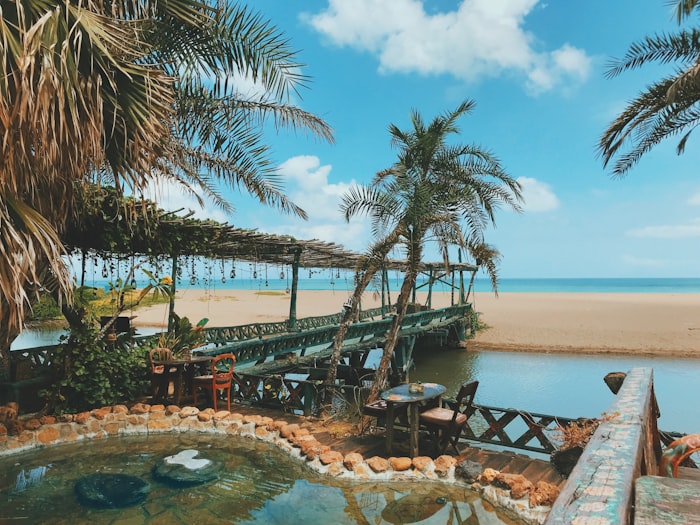
Bali, Indonesia
Warm, affordable, endlessly deep — beach, wellness, and culture in one place.
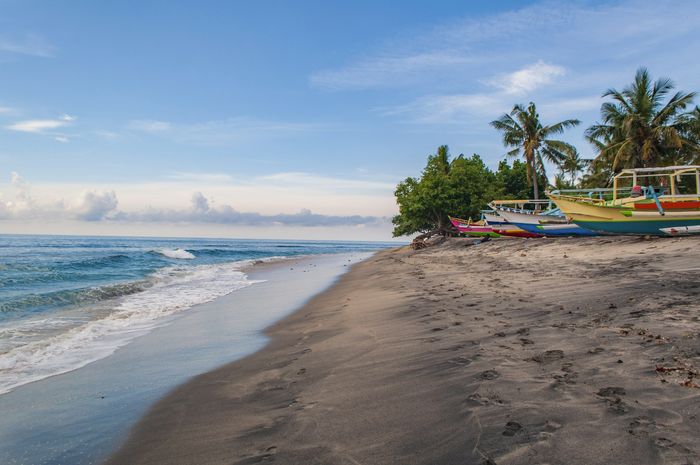
Lombok
Bali’s quieter neighbour — the same warm sea and volcano drama, with a fraction of the crowds.
Compare Indonesia
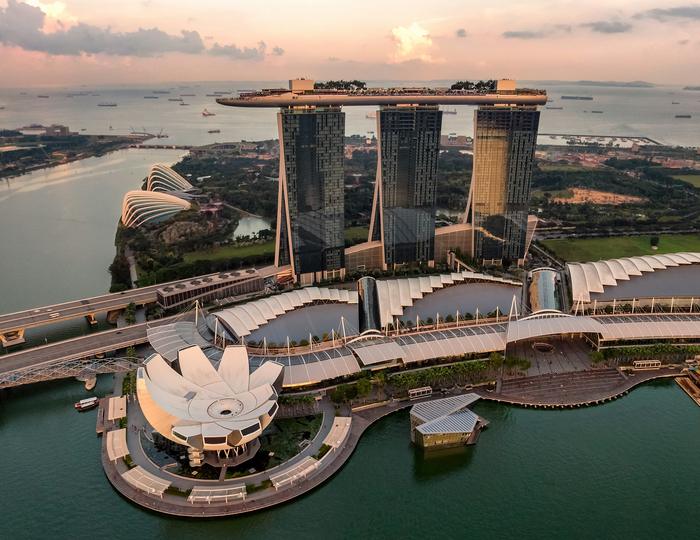
If you like Indonesia, also consider
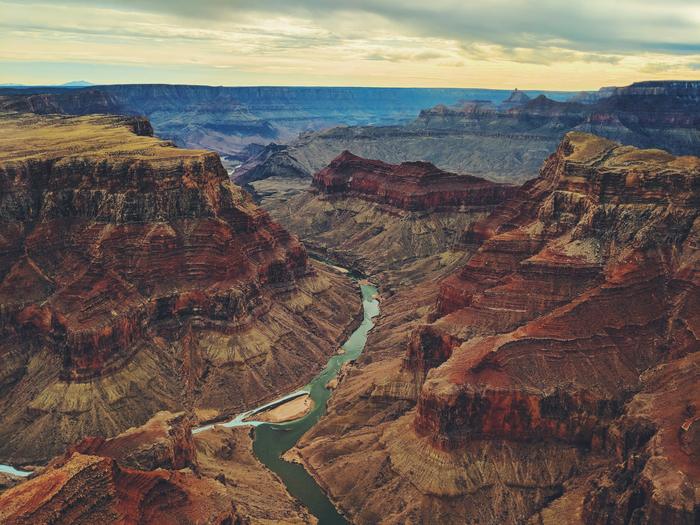
United States
A continent pretending to be a country — cities, deserts, and the best national parks anywhere.
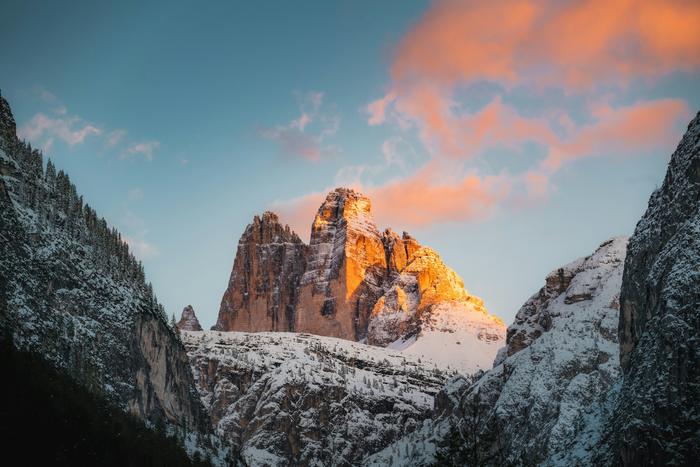
The Alps
The ski and alpine benchmark — every other mountain range is measured against this.
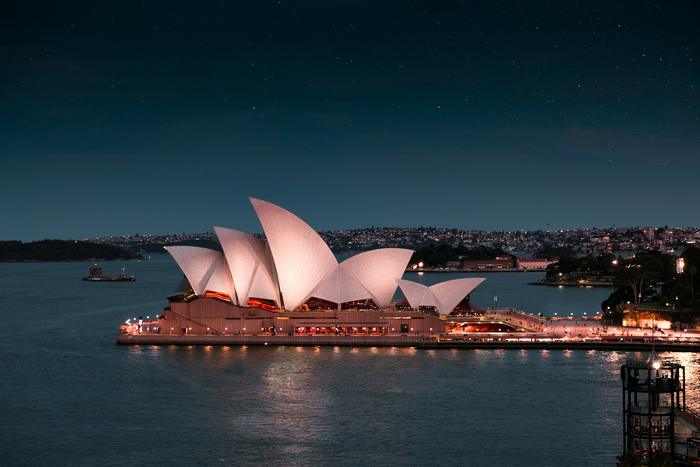
Australia
Vast, varied, relaxed. Reef, Sydney, and proper wilderness in one.
Not sure where to go
Take the 5-minute quiz
Answer a few honest questions and get matched to destinations that actually fit how you travel.
Start the quiz