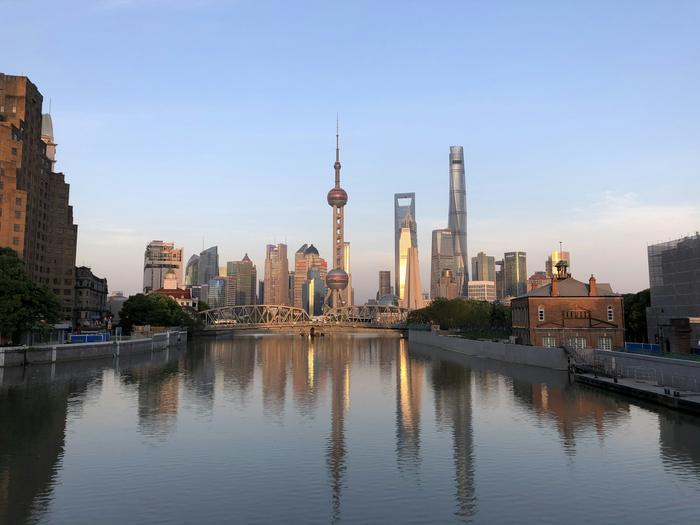
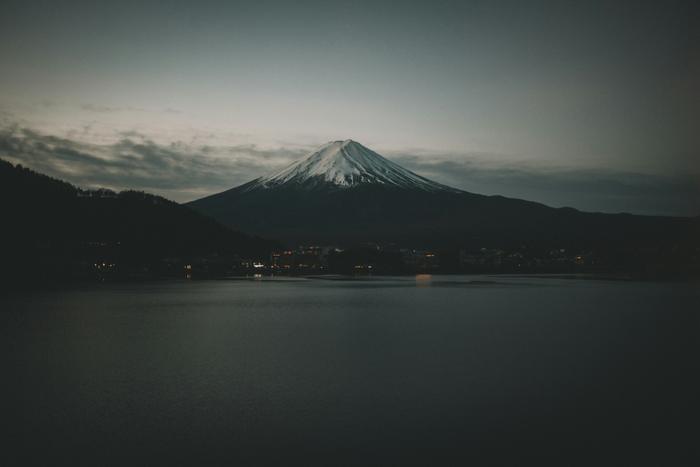
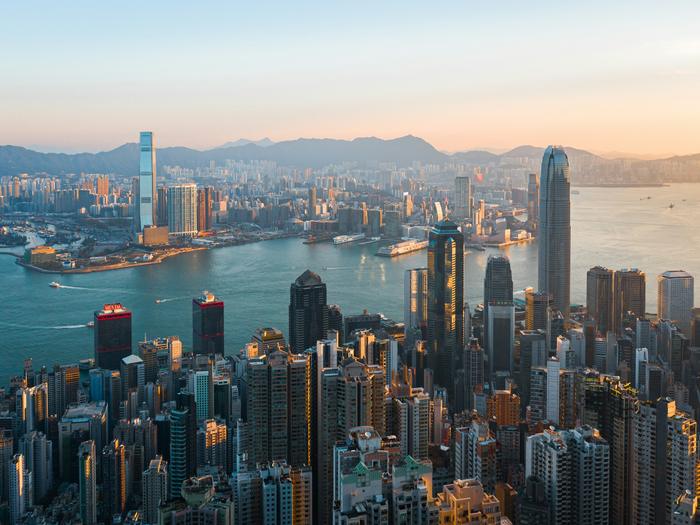
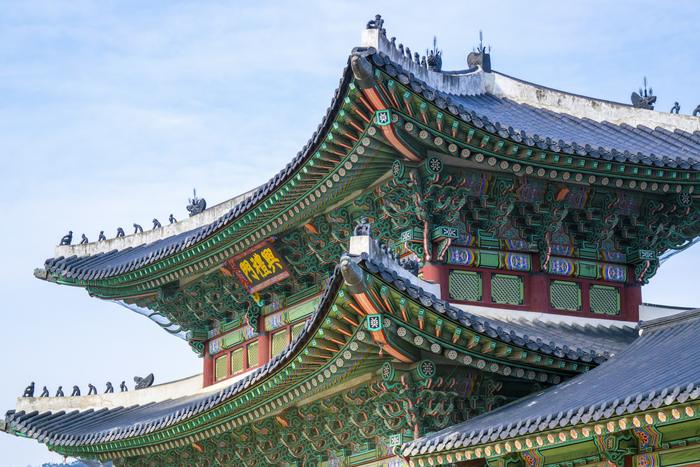
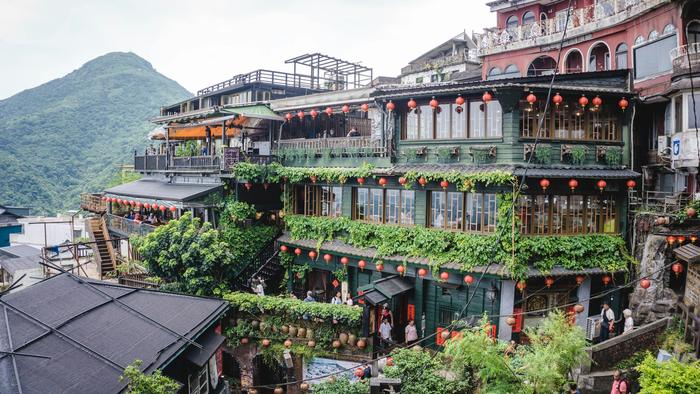
The two giants of East Asian travel, and a study in contrasts. China is the vast epic — the Great Wall, the Forbidden City, the Terracotta Army, Shanghai and the Guilin karsts, on a continental scale, cheaper but with more friction. Japan is the ultra-polished one — Tokyo and Kyoto, bullet trains, temples and tech, extraordinary food and near-perfect order — easy, safe and seamless, if pricier. One is a vast, iconic, sometimes overwhelming adventure; the other a refined, effortless masterclass in travel.
Both are East Asian giants — but one is a vast, iconic, higher-friction continent, the other an ultra-polished, effortless country.
Vast vs polishedthe characterOverwhelming scale, or near-perfect order
Friction vs easethe travelLanguage/internet/payment hurdles, or seamless and safe
Cheaper vs refinedthe tradeChina’s value, or Japan’s quality-per-yen
China is the vast epic — the Great Wall, the Forbidden City, the Terracotta Army, Shanghai and the Guilin karsts, on a continental scale, cheaper but with more friction (language, restricted internet, app payments). Japan is the ultra-polished one: Tokyo and Kyoto, bullet trains, temples and tech, extraordinary food and near-perfect order — easy, safe and seamless, if pricier.
The operational detail — China’s evolving visa rules and the Alipay/WeChat-and-VPN reality; Japan’s visa-free entry, rail pass and seasons — lives on the two guides: China, know before you go and Japan, know before you go. This page is the head-to-head.
The real difference
Overwhelming scale, or effortless refinement
The trade: China offers epic icons and value with more effort; Japan offers refinement, food and flawless ease.
China wins on scale, icons and value. Its monuments and landscapes are unmatched in ambition, and it’s cheaper on the ground — a vast, once-in-a-lifetime adventure, accepting the language, internet and payment friction of an independent trip.
Japan wins on ease, refinement and food. Safe, clean, punctual and seamless, with exquisite temples, bullet trains and the world’s best dining culture — the most effortless great trip in Asia, at prices gentler than its reputation. Choose overwhelming scale, or flawless order.
Who suits which
Who each actually suits
Both are East Asian giants — but one leans epic scale and value, the other refinement and ease.
If you want…
China
Japan
Bucket-list monumental sights
Wins. Great Wall and more
Refined, smaller-scale
The easiest, safest travel
More friction
Wins. Seamless and safe
Epic landscapes
Wins. Guilin, Zhangjiajie
Fuji and gardens
Lowest on-the-ground costs
Wins. Cheaper
Pricier but good value
Exquisite food culture
Regional depth
Wins. Precision and range
An open internet, simple payments
VPN + apps needed
Wins. Straightforward
Doing both
A natural, contrasting pair
A short flight apart — each deserves its own week-plus.
China and Japan are a short flight apart and make a natural, if contrasting, two-country East Asia trip — each big enough to deserve its own week or more, so a combined itinerary wants real time. Each also compares with the wider region (see China vs Taiwan, China vs South Korea, Japan vs Taiwan and Hong Kong vs Japan).
What we leave out
What we deliberately leave out
Exact prices beyond the structural comparison — China’s distance-driven costs and Japan’s quality-led prices both move with season — so the figures here are the shape of the difference, not a quote; the country guides carry the live detail. China’s evolving entry rules and the payment/internet setup are covered on its guide, to be checked before you commit, rather than restated here.
China or Japan, month by month
Which of the two is the better bet for each month of the year, scored on
how well the season suits each place.
Temples, bullet trains, food and flawless order top the list.
You want the easiest, safest, most seamless trip in Asia.
Refinement and ease over epic scale.
Common questions
Is China or Japan easier to travel?
Japan, decisively — it’s famed for being safe, clean, punctual and seamless, with the bullet-train network, visa-free entry for most Western visitors, and an ease that makes it a joy even for first-time Asia travellers (despite a language barrier softened by excellent signage and apps). China is a vast, rewarding but more demanding trip — a bigger language barrier, a restricted internet (bring a VPN), huge distances, and an app-based payment economy to set up. For effortless travel, Japan; for the epic with more effort, China.
Which has the bigger sights?
China has the larger-scale icons — the Great Wall, the Forbidden City, the Terracotta Army and epic landscapes like Guilin and Zhangjiajie — on a scale Japan doesn’t attempt. Japan’s treasures are more refined and intimate — Kyoto’s temples and gardens, Mount Fuji, the shrines of Nikko, the neon of Tokyo. For monumental scale, China; for exquisite refinement, Japan.
Which has the better food?
Both are among the world’s greatest food destinations. China offers the vast regional breadth of Chinese cuisine at its source. Japan offers sushi, ramen, izakaya culture and the world’s highest concentration of top restaurants, at famously high quality and consistency. For regional variety, China; for precision and dining culture, Japan — a wonderful choice to have.
Which is better value?
China is cheaper on the ground, though its scale means more spent on internal travel. Japan is pricier but less than its reputation — and superb value for the quality, especially with a rail pass and the country’s excellent mid-range dining and lodging. For lowest costs, China; for quality-per-yen, Japan. The country guides carry the detail: China and Japan.
Can I combine them?
Yes — they’re a short flight apart and make a natural, if contrasting, two-country East Asia trip. Each is big enough to deserve its own week-plus, so a combined trip wants real time. Each also compares with the wider region — China with Taiwan and South Korea, Japan with Taiwan, Hong Kong and Thailand.