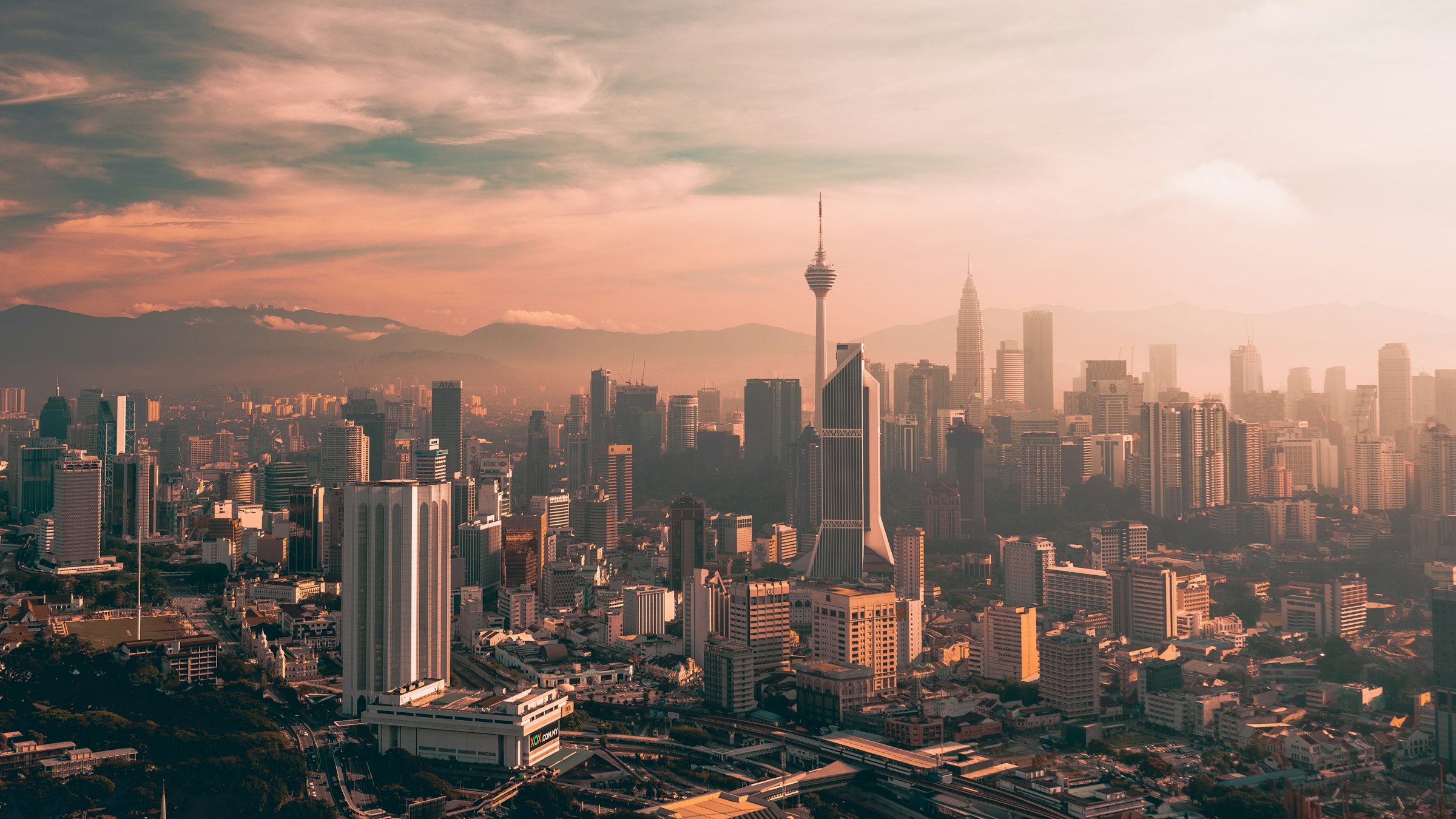
Malaysia
The most underrated food trip in Southeast Asia.
Malaysia gets skipped between Thailand and Singapore, which is the traveler's loss. Penang alone justifies the flight — Malay, Chinese, and Indian kitchens in one walkable city. Add Borneo's rainforest and orangutans, the tea hills of the Cameron Highlands, and islands on both coasts. Cheap, easy, and English goes a long way.
Most trips run Kuala Lumpur to Penang, and the eating starts immediately: char kway teow and assam laksa in George Town, nasi kandar lines at midnight, banana-leaf lunches in Little India. Add the Cameron Highlands for tea-country cool, then pick a coast — the Perhentians roughly March to October, Langkawi when the east side is rained out. Borneo is a separate flight and a separate budget, but orangutans and Kinabalu justify both. Hawker meals cost pocket change; mid-range hotels are absurdly good value.
The honest part: outside Penang's old town, Malaysian cities are mostly traffic and malls — KL is a place you eat through, not stroll through. Beaches close seasonally with the monsoon, alcohol is heavily taxed, and nightlife is thin next to Thailand's. If you want beach parties or a postcard old town at every stop, go elsewhere. But as a pure food trip — three cuisines at street prices, no scramble for reservations — nothing in the region touches it.
Highlights
-
Penang (George Town)
Heritage shophouses and arguably the region's best street food.
-
Kuala Lumpur
The Petronas skyline, Jalan Alor after dark, and a serious eating scene.
-
Borneo (Sabah)
Orangutans, Mount Kinabalu, and proper rainforest.
-
Langkawi & the Perhentians
Island time on whichever coast is in season.
Practical info
- Visa
- Visa-free for most Western passports (90 days).
- Currency
- MYR (Ringgit), roughly 4.7 MYR ≈ 1 USD.
- Language
- Malay. English is widely spoken.
- Safety
- Very safe; standard precautions in cities.
- Getting around
- Cheap flights, intercity trains, and Grab in the cities.
- Tap water
- Stick to bottled water.
- Plug type
- Type G 230V
- Money
- Cards in cities; cash for hawker stalls and markets.
General guidance — visas, safety, and health change, so check your government's travel advisory and the official sources before you go.
Common questions
- Do you need a visa for Malaysia?
- Most Westerners get 90 days visa-free, but you must file the free Malaysia Digital Arrival Card (MDAC) online within three days before you arrive — it’s required to use the airport autogate. And note Sabah and Sarawak on Borneo run their own immigration: flying there from the peninsula, you clear immigration again and get a fresh stamp.
- When is the best time to visit Malaysia?
- It depends which coast — there’s no single answer. The east-coast islands (Perhentians, Tioman) and Borneo get the northeast monsoon roughly November to March, when many island resorts close and boats stop; the west coast (Penang, Langkawi) is at its best in exactly that window. Haze from regional fires can affect August–October.
- Is Malaysia cheaper than Singapore?
- Much — everyday costs run around a third of Singapore’s, and a full hawker meal is usually under RM20. The one exception is alcohol: Malaysia taxes it among the most heavily in the world, so a bar beer is RM15–20 and the drinks saving is smaller than everything else. See our full comparison.
- Can you climb Mount Kinabalu without booking ahead?
- No — the climb needs a permit (RM400 for foreign adults) and a mandatory guide, but the real bottleneck is the mountain-hut accommodation at Panalaban, which is run by a single operator and sells out. No bed, no permit, so book around six months ahead for peak dates.
- Is Malaysia safe?
- Generally very safe, with the one specific exception the UK FCDO flags: it advises against all but essential travel to the islands and dive sites off eastern Sabah from Sandakan to Tawau, over a kidnapping threat — which includes the Sipadan/Semporna dive area. Mainland Sabah, including Kota Kinabalu and Mount Kinabalu, is explicitly excluded. Petty bag-snatching in cities is the everyday risk.
Two Malaysias
This is two countries, and one is across a sea
The single most useful thing to grasp before planning: Malaysia is a peninsula and a slab of Borneo, 600 km of sea apart.
East Malaysia — the states of Sabah and Sarawak on Borneo — is 60% of the country’s land area but a small share of its people, and it sits across the South China Sea from the peninsula. The peninsula is Kuala Lumpur, Penang, Langkawi, the Cameron Highlands and Malacca; Borneo is Mount Kinabalu, the Sipadan diving and the orangutans. It is not one trip. Reaching Borneo means a domestic flight — Kuala Lumpur to Kota Kinabalu is about 2h35 — and a full second immigration clearance, so it warrants its own dedicated leg.
That second clearance surprises people. Sabah and Sarawak run their own autonomous immigration: fly in from the peninsula and you queue again and get a fresh entry stamp, regardless of how long was left on your first one — and Sarawak to Sabah is another clearance again.
Getting in
File the arrival card, or you don’t clear the gate
Entry is easy — 90 days for most Westerners — with one online step people forget.
The Malaysia Digital Arrival Card (MDAC) has been mandatory since 2024: it’s free on the official immigration portal, and you file it within three days before you arrive — earlier is auto-rejected, and you need it to use the airport autogate. Singapore citizens and long-term pass holders are exempt; most tourists are not. Passports need six months’ validity, and most US, UK, EU, Canadian and Australian visitors get 90 days visa-free.
When to go
There is no single best time — it’s a coin with two coasts
The monsoon doesn’t cancel the trip; it relocates it. Pick the coast that’s open.
The northeast monsoon (roughly November to March) hits the peninsula’s east coast and Borneo — heavy rain, rough seas — so the Perhentians and Tioman largely close, resorts and dive schools shut and ferries stop, reopening around March. In the very same window the west coast is at its driest and best: Penang and Langkawi peak December to March. So the honest answer to “when” is “which coast” — east-coast islands roughly April–September, west coast December–March.
Two more to plan around: haze from regional agricultural fires can blanket the peninsula and Sarawak in August–October, worst in September–October; and Ramadan mutes daytime dining and brings a mass “balik kampung” exodus and multi-day closures around Hari Raya (early-to-mid March in 2027).
Costs
Cheap in every category but one
Malaysia is Southeast-Asia cheap — with a single, Islamic-country asterisk on the bar tab.
This is genuine value: a full hawker meal with a drink is usually under RM20, a Grab across town RM8–15, and everyday costs run around a third of Singapore’s across food and transport. Penang in particular keeps most of its iconic dishes under RM10. The asterisk is alcohol — Malaysia taxes it among the most heavily in the world, so a bar beer is RM15–20 and drinks are the one category where the saving over Singapore shrinks to about half rather than two-thirds. Non-Muslims buy freely everywhere except the conservative states of Kelantan and Terengganu.
Getting around
Trains up the peninsula, planes to Borneo
The peninsula has a fast, cheap spine; everything beyond it is a flight.
The KTM ETS runs up the peninsula at up to 140 km/h — Kuala Lumpur to Penang in about four hours for under RM80 — and it’s the pleasant way north. For Borneo and the longer hops, AirAsia domestic flights are the norm. In the cities, Grab dominates ride-hailing (metered taxis have largely faded), and Kuala Lumpur’s LRT, MRT and monorail all run on the Touch ’n Go card. If you drive, note the cheap RM1.99 fuel subsidy is for Malaysian citizens only — foreigners pay the floating price, around RM2.65 a litre.
The big experiences
The two that make you book months ahead
Most of Malaysia you can improvise. Kinabalu and Sipadan you cannot.
Mount Kinabalu (4,095 m) is the classic booking trap. The climb needs a permit — RM400 for foreign adults — and a mandatory guide, but the real bottleneck is the mountain-hut accommodation at Panalaban around 3,270 m, run by a single operator: no bed, no permit, and beds sell out, so peak dates want booking about six months ahead. Sipadan, one of the world’s great dive sites, runs a strict daily permit cap — long fixed at 176 a day, reportedly raised toward 250 for 2026 (worth confirming) — rationed to resorts on a rotation, so you book through a Mabul or Kapalai resort months ahead at around RM450 a day, and the island closes for the whole of November.
The gentler headliners: the Petronas Twin Towers use timed tickets that sell out, so book online (and note they close most Mondays); George Town, Penang is a UNESCO old town and a street-food byword; Langkawi is a duty-free island with a famously steep cable car; and the Borneo orangutans at Sepilok (Sabah) and Semenggoh (Sarawak) come to morning and afternoon feedings — though at Semenggoh in the fruiting season the semi-wild apes often forage and skip them, so sightings are never guaranteed.
Good to know
English everywhere, and one safety line to know
An easy country to travel — with a single mapped exception worth reading.
English is very widely spoken (a British-colonial legacy), so there’s effectively no language barrier; the ringgit is the currency, cards work in cities and the Touch ’n Go e-wallet is near-universal; plugs are UK-style Type G; and you should drink bottled or boiled water rather than tap. The one safety line: the UK FCDO advises against all but essential travel to the islands and dive sites off eastern Sabah, from Sandakan to Tawau, over a kidnapping threat from armed groups operating out of the nearby Sulu archipelago — which includes the Sipadan and Semporna dive area, where diving continues under security escort. Mainland Sabah — Kota Kinabalu, Mount Kinabalu — is explicitly excluded, and the rest of the country is generally very safe, with opportunistic bag-snatching in cities the everyday risk.
Sources
Where this comes from
The detail above was read off primary sources on — operator timetables, municipal ordinances, regional tourism boards, national statistics offices and first-hand traveller reports, rather than other travel articles. Researched and maintained by Dmitrii Romashchin — how we research.
Compare Malaysia with
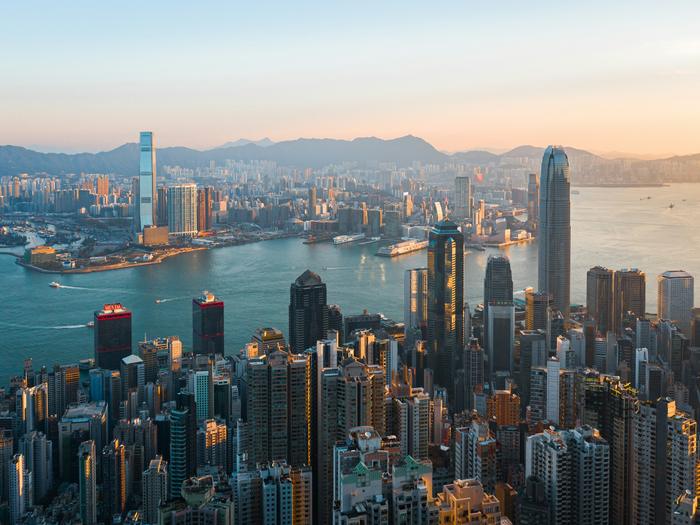
If you like Malaysia, also consider
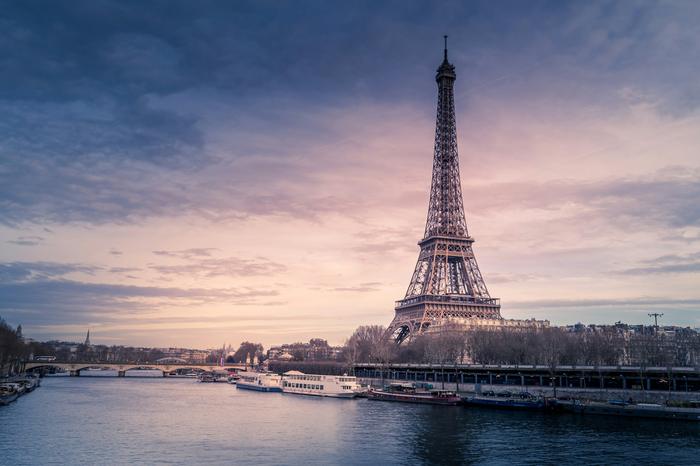
France
Paris is only the opening act — wine country, the Alps, and two coastlines.
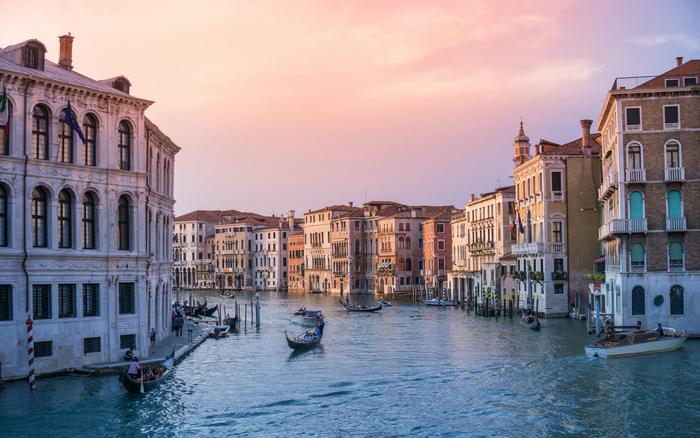
Italy
The benchmark for food, history, and beauty.
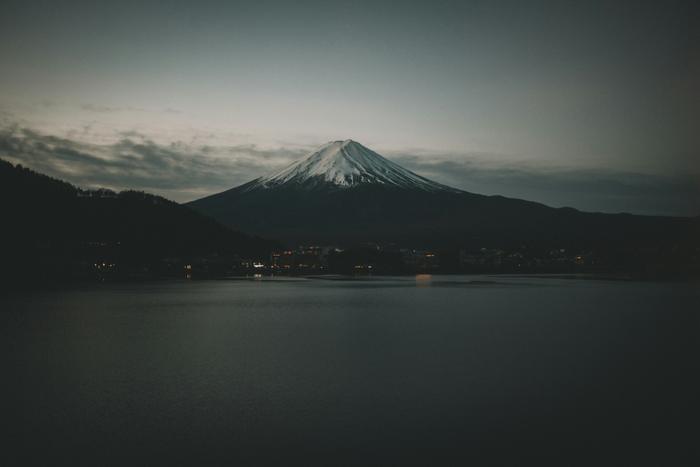
Japan
Extraordinary food, culture, and cities. Nothing quite prepares you for it.
Not sure where to go
Take the 5-minute quiz
Answer a few honest questions and get matched to destinations that actually fit how you travel.
Start the quiz