Two refined, high-tech East Asian neighbours, often weighed against each other. Japan is the traditional-meets-modern one — Tokyo and Kyoto, bullet trains, temples and gardens, exquisite food and flawless order, on a bigger scale. South Korea is the dynamic one — Seoul’s megacity energy, the global pull of K-pop and Korean food, palaces and mountains, and a buzzy, youthful modernity, more compact and cheaper. Both are safe, seamless and food-obsessed; one leans tradition-and-refinement, the other dynamism-and-K-culture.
Tradition-and-refinement, or dynamism-and-K-culture
Two refined East Asian neighbours — one leans traditional-meets-modern depth, the other dynamic, youthful K-culture.
Tradition vs buzzthe leanTemples and gardens, or K-pop and megacity energy
Bigger vs compactthe scaleA whole country to explore, or a cheaper, tighter trip
Refined vs dynamicthe moodFlawless order, or youthful modernity
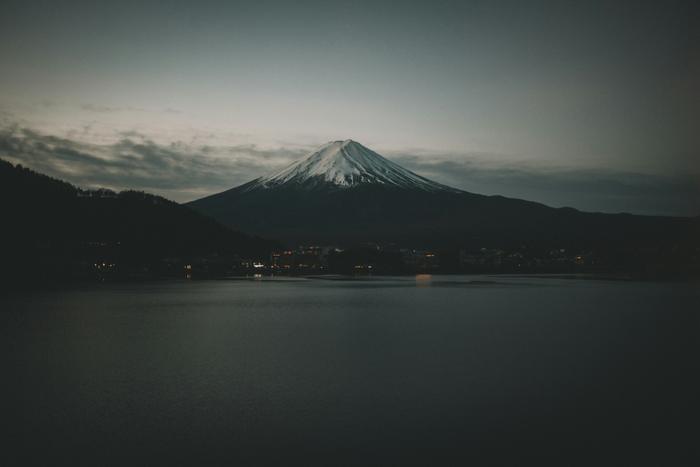
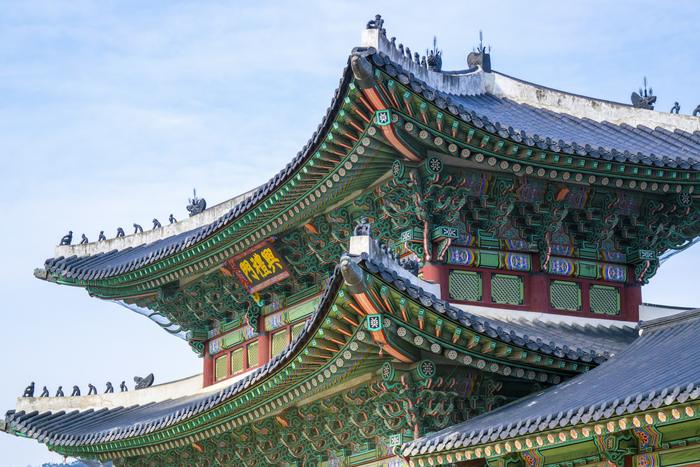
Japan is the traditional-meets-modern one — Tokyo and Kyoto, bullet trains, temples and gardens, exquisite food and flawless order, on a bigger scale. South Korea is the dynamic one: Seoul’s megacity energy, the global pull of K-pop and Korean food, palaces and mountains, and a buzzy, youthful modernity, more compact and cheaper.
The trade: Japan offers traditional-meets-modern depth and refinement; South Korea offers dynamic K-culture at better value.
Japan wins on depth, tradition and refinement. Its balance of deep tradition and flawless modernity, across a bigger country, makes it the richer, more varied cultural trip.
South Korea wins on buzz and value. Seoul’s energy, the K-culture wave and a cheaper, more compact trip make it the dynamic, youthful choice. Both are seamless and food-obsessed; choose tradition-and-refinement, or dynamism-and-K-culture.
Who suits which
Who each actually suits
Two refined neighbours — one leans tradition and depth, the other buzz and value.
Exact prices beyond the structural comparison — Japan’s quality-led prices and South Korea’s better value both move with season — so the figures here are the shape of the difference, not a quote; the country guides carry the live detail. The entry mechanics (Japan’s visa-free entry, South Korea’s K-ETA) are covered on the guides rather than restated here.
Japan or South Korea, month by month
Which of the two is the better bet for each month of the year, scored on
how well the season suits each place.
K-pop, Korean food and dynamic city energy top the list.
You want a cheaper, more compact, youthful trip.
Buzz and modernity over traditional refinement.
Common questions
Is Japan or South Korea better for a first trip?
Both are superb and easy. Japan is the bigger, more traditional-meets-modern trip — Kyoto’s temples and gardens, Tokyo’s energy, distinct seasons — rewarding a week or more. South Korea is more compact, dynamic and cheaper — Seoul, Busan, palaces and mountains, wrapped in the K-culture wave. For depth and tradition, Japan; for buzz and value, South Korea.
Which has the better food?
Both are world-class and food-obsessed. Japan offers sushi, ramen, izakaya culture and unrivalled precision. South Korea brings Korean BBQ, the banchan spread, fried chicken and a huge street-and-market scene. For refinement, Japan; for the sociable, bold flavours of the K-food wave, South Korea — a wonderful choice to have.
Which is more about tradition versus modern culture?
Japan balances deep tradition (temples, gardens, ryokan, tea) with its famous modernity. South Korea leans more dynamic and contemporary — K-pop, cutting-edge Seoul, youthful energy — though it has palaces and heritage too (Gyeongju). For traditional depth, Japan; for modern cultural buzz, South Korea.
Do the entry rules differ?
Both are visa-free for short stays for most Western visitors, but South Korea has at times required the K-ETA electronic authorisation (a waiver for many nationalities has been extended more than once) — so check the current rule before you fly. Japan needs no such authorisation. The guides carry the specifics: Japan and South Korea.
Can I combine them?
Yes — they’re a short flight (or even ferry) apart and make a natural two-country East Asia trip. Each deserves a week or so. Each also compares with the region — Japan with Taiwan, Thailand and China, South Korea with China and Hong Kong.