Cambodia
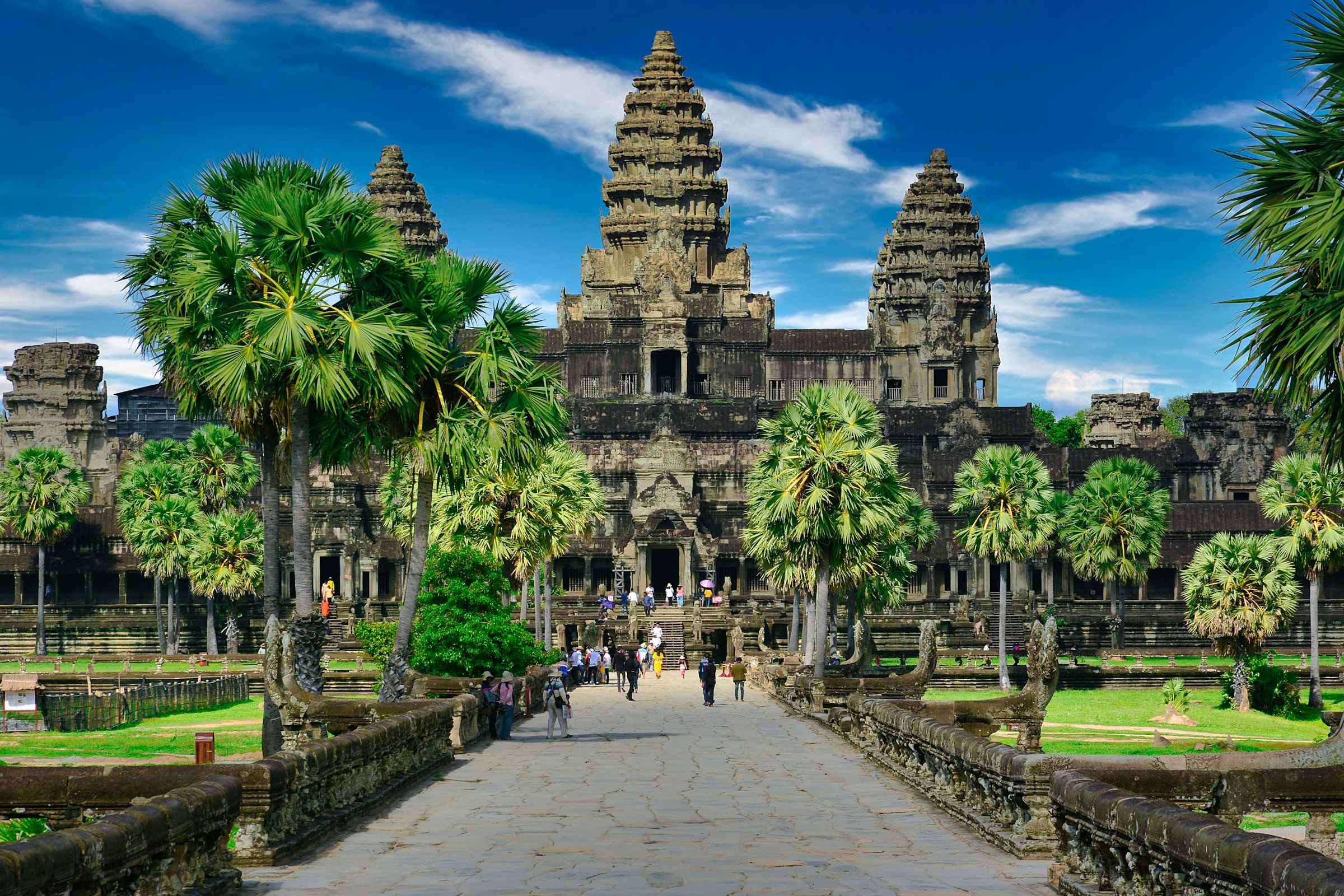
Angkor is one of the great sights on earth. Build the trip around it.
Most people come to Cambodia for Angkor and leave annoyed they underestimated it — hundreds of temples, days of them, best at sunrise. Beyond Siem Reap, Phnom Penh confronts the Khmer Rouge years honestly, and the south coast hides quiet islands. It's cheap, the welcome is warm, and the dry season is the time to go.
The shape of the trip is simple: fly into Siem Reap, buy a multi-day Angkor pass, and hire a tuk-tuk driver who becomes your dawn alarm clock. Temple mornings, pool afternoons — the heat decides that schedule for you. Then a bus or short flight to Phnom Penh for a day of hard history at S-21 and the Killing Fields, with Battambang or the coast if you have a second week. Daily costs are among the lowest anywhere in Asia.
Outside Angkor and the coast the sights are thin — for most people this is a one-week country, and the hot season from March to May is punishing. Sihanoukville has been wrecked by casino development; skip the town and go straight to the islands. Roads are rough, hustle around the temples is persistent, and the food, while good, doesn't reach Thai or Vietnamese heights. But Angkor absorbs every cliché thrown at it and still over-delivers.
Highlights
-
Angkor
Three days minimum. Ta Prohm, Bayon, and Angkor Wat at dawn.
-
Phnom Penh
The capital, plus the sobering history of S-21 and the Killing Fields.
-
Battambang
Colonial-era town, bamboo train, slower Cambodia.
-
The southern coast
Koh Rong and Kep for islands and pepper crab.
Practical info
- Visa
- eVisa or visa-on-arrival, around 30 USD.
- Currency
- Riel (KHR), but US dollars are used everywhere.
- Language
- Khmer. English in tourist areas.
- Safety
- Generally safe; watch traffic and the usual scams.
- Getting around
- Buses, tuk-tuks, and a few domestic flights.
- Tap water
- Stick to bottled water.
- Plug type
- Type A Type C Type G 230V
- Money
- US dollars in cash rule; cards in Siem Reap and Phnom Penh.
General guidance — visas, safety, and health change, so check your government's travel advisory and the official sources before you go.
Common questions
- What currency does Cambodia use?
- The US dollar for everyday prices, with the riel (~4,000 to the dollar) used only as change under a dollar. ATMs dispense dollars — bring clean, small bills, as torn or marked notes get refused. See money.
- How much is the Angkor pass?
- US$37 (1-day), US$62 (3-day), US$72 (7-day) — bought only from Angkor Enterprise (the official ticket centre or angkorenterprise.gov.kh); “discount” street tickets are fake. The 3-day is valid on any 3 days within 10, the 7-day any 7 within a month. See the Angkor section.
- How do I get a visa?
- The official e-visa at evisa.gov.kh is US$30 all-in (since Jan 2025), or visa-on-arrival US$30 cash plus a photo; passport valid six months. Avoid the copycat sites that charge more. See entry.
- When is the best time to go?
- The cool, dry season, November to February; March–May is punishingly hot and May–October is the wet monsoon. The Tonlé Sap lake swells in the wet months, changing the floating-village visit. See when to go.
- How long do I need?
- About a week covers it — Angkor (Siem Reap) plus Phnom Penh, adding the southern coast or islands if you have longer. Cambodia pairs naturally with Vietnam, Thailand or Laos on a longer Indochina trip.
- Is Cambodia safe?
- Generally yes for travellers — the main issues are petty scams and touts. In remote or border areas, stay on marked paths because of landmines and UXO. See culture & safety.
Entry & money
A US$30 e-visa, and dollars in your pocket
Easy entry — use the official sites — on an island of the US dollar.
Entry is straightforward: the official e-visa at evisa.gov.kh costs US$30 all-in (the old separate processing fee was folded in from January 2025), issued by email in a few days; visa-on-arrival at airports and land borders is US$30 cash plus a passport photo. A free e-Arrival form (arrival.gov.kh) covers immigration and customs. Passport valid six months.
The everyday reality is money: the US dollar is the working currency, with prices quoted in dollars and the riel used only as change below a dollar.
Use only evisa.gov.kh for the visa and arrival.gov.kh for the free e-Arrival form — a cluster of copycat sites overcharge for both, and anything demanding a fee for the e-Arrival form is a scam. Carry clean, unmarked small US bills: torn or scribbled notes are routinely refused, and small notes are what you’ll spend.
Angkor
The temples, and the pass
Angkor is the reason most people come — buy the pass officially, and cover up.
$37 / $62 / $72 the 1-, 3- and 7-day Angkor passes
Angkor Wat and the vast Angkor Archaeological Park outside Siem Reap are a UNESCO World Heritage wonder and the centrepiece of any trip. The famous sunrise over Angkor Wat draws the crowds; beyond it, Bayon (the serene face-towers) and Ta Prohm (swallowed by strangler figs) are the highlights among dozens of temples.
Buy the Angkor Pass only from the official Angkor Enterprise, carry a scarf or sarong for the dress code, and hire a tuk-tuk for the day to string the temples together.
Buy the pass at the official Angkor Enterprise ticket centre (or its website), never from a tout or a “cheaper” seller — those are fakes that get you turned away. Carry something to cover shoulders and knees, which is required to climb the upper level of Angkor Wat, and start before dawn if you want the sunrise without fighting for a spot.
Phnom Penh & history
The capital, and a sober reckoning
Phnom Penh pairs the Royal Palace with the essential, harrowing Khmer Rouge sites.
Phnom Penh, the capital, has its elegant side — the gilded Royal Palace, the riverfront, the National Museum — but the reason it stays with people is the sober Khmer Rouge history. The Tuol Sleng Genocide Museum (S-21), a school turned torture prison, and the Killing Fields of Choeung Ek south of the city document the regime that ruled 1975–79 and killed some 1.7–2 million Cambodians.
It’s grim but essential context for understanding the country — most visitors give it a focused, respectful day.
Visit Tuol Sleng and Choeung Ek with the audio guides and a clear head — they’re harrowing, and best done as a single, unhurried morning rather than squeezed between other sights. They’re not optional colour; they’re the context for modern Cambodia, and a sombre counterpoint to Angkor’s splendour.
Coast & islands
Islands, pepper and crab
The south is the unwind — and the draw is the islands, not the casino port.
Cambodia’s coast is the decompress at the end of a temple-and-history trip. Skip Sihanoukville — a wave of Chinese-backed casino building left it overbuilt and largely avoided — except as the jumping-off point for the islands: Koh Rong and the quieter Koh Rong Sanloem, with their powder beaches.
Inland of the coast, the laid-back south around Kampot (famous pepper, river sunsets) and Kep (the crab market) is the gentler alternative — slow, cheap and low-key.
- Beach time after the templesSkipSihanoukville’s casino sprawlGoKoh Rong or Koh Rong Sanloem by boat
- A laid-back riverside baseSkipthe big townsGoKampot — pepper farms and river sunsets
- Seafood and quietSkipresort stripsGoKep — the famous crab market
| Place | What | Note |
|---|---|---|
| Koh Rong / Koh Rong Sanloem | The island beaches | Boat from Sihanoukville; the real beach draw |
| Kampot | Riverside town; famous pepper | The laid-back south |
| Kep | The crab market | Seaside and sleepy |
| Sihanoukville | A casino-built port | Largely a transit point now — not a beach stop |
The casino boom transformed (and overbuilt) Sihanoukville, which most travellers now use only to catch an island boat. Kampot pepper and Kep crab are the south’s culinary signatures.
Treat Sihanoukville as a transit point, not a destination — the casino development changed it beyond recognition, and the beaches worth the trip are on Koh Rong Sanloem (calmer) or Koh Rong. For a no-beach but charming south, Kampot and Kep deliver pepper, crab and river life at a fraction of the fuss.
Getting around
Tuk-tuks, buses and new airports
Tuk-tuks for the temples, flights or buses between cities — and two brand-new airports.
Within Siem Reap and the temples, a hired tuk-tuk (or the PassApp app) is the standard, cheap way around. Between cities, the roads have improved and Giant Ibis is the reliable bus, but the 45-minute flight beats the long Siem Reap–Phnom Penh bus.
Two brand-new airports have opened — Techo International near Phnom Penh (2025) and the Siem Reap-Angkor airport (2023) — but the latter sits ~45–50 km from town, a longer, pricier transfer than the old in-town airport. You drive on the right; boats serve the islands.
| Journey | How | Note |
|---|---|---|
| Siem Reap ↔ Phnom Penh | Domestic flight or bus | Flight ~45 min beats the long bus |
| Around the temples | Hired tuk-tuk / PassApp | The standard way around Angkor |
| Airports | Techo (Phnom Penh, 2025) & Siem Reap-Angkor (2023) | SAI is ~45–50 km (~1h15) from Siem Reap |
| To the islands | Boat from Sihanoukville | Drive on the right |
Roads are much improved; Giant Ibis is the reputable intercity bus. The new airports moved further from the towns — budget ~US$25–35 for the Siem Reap-Angkor transfer.
Factor the new Siem Reap-Angkor airport’s distance (~45–50 km, ~1h15) into arrival timing — it’s much further out than the old airport, so pre-arrange a transfer (~US$25–35). For the temples, hire a tuk-tuk driver for the day rather than per-trip; it’s cheap and he’ll wait and route you efficiently around Angkor.
When to go
Cool and dry, or hot, or wet
Aim for the cool dry months; the lake and the landscape swing with the monsoon.
Nov–Feb the cool, dry best window
The dry season proper runs Nov–Apr (cool Nov–Feb, hot Mar–May). The crimson bar is the cool, comfortable window; the Tonlé Sap’s water level — and so the floating villages — changes dramatically between wet and dry.
Time a visit to the cool, dry window of November to February — the most comfortable for exploring Angkor at dawn. March to May is brutally hot; the May–October monsoon brings afternoon rain, greener landscapes and fewer crowds (with some muddy rural roads).
The season also reshapes the Tonlé Sap: the great lake swells in the wet months and contracts in the dry, so the famous floating villages look very different depending on when you come.
Money
Dollars, riel change, and clean bills
Cheap and dollar-based — just carry the right cash.
Cambodia is cheap — among the most affordable countries in Asia — and runs on the US dollar, with the riel only as small change. The practical rules: carry clean, small US bills (damaged notes are refused), use cash for most things, and save cards for hotels and nicer restaurants.
One slow shift to note: the National Bank is phasing small US notes out to promote the riel, so you’ll increasingly get change in riel — which is fine, just not something you can take home.
| On the bill | Detail | Note |
|---|---|---|
| Everyday currency | US dollar | Prices in US$; riel (~4,000/$) as change under $1 |
| Cash | Bring clean, small US bills | Torn or marked notes get refused |
| Cards | Hotels and better restaurants | Cash elsewhere; cheap by Western standards |
The National Bank is phasing small US notes ($1/$2/$5) out of circulation to promote the riel, so expect a little more change in riel over time. ATMs dispense dollars.
Withdraw and carry crisp, small-denomination US dollars, and don’t accept torn notes as change (you won’t be able to spend them). Tipping isn’t traditional but is increasingly appreciated in tourism (~10% for guides, drivers and restaurants); the bigger budget lines are the Angkor pass and any flights, not day-to-day costs.
Culture & safety
Buddhism, temples and a careful note
A devout, gentle culture — with temple etiquette and a landmine legacy to respect.
Cambodia is a devout Theravada Buddhist country, its temples and saffron-robed monks central to daily life — so cover shoulders and knees at wats, remove shoes and hats, and never touch a monk or point your feet at a Buddha image. The people are famously gentle and welcoming, and the main annoyances for visitors are petty scams and touts around the temples and transport.
The one genuine hazard is the landmine and UXO legacy: Cambodia remains heavily mine-affected, so in remote and border areas stay on marked paths. It slots naturally into a wider Indochina trip with Vietnam, Thailand or Laos.
Respect the two things that matter most: temple dress and etiquette (a scarf solves the dress code) and staying on marked paths in rural or border areas, where unexploded ordnance is still a real risk. The “cheaper ticket” and gem/tour scams around Angkor and Phnom Penh are the common hustle — polite firmness handles them.
Compare Cambodia
If you like Cambodia, also consider
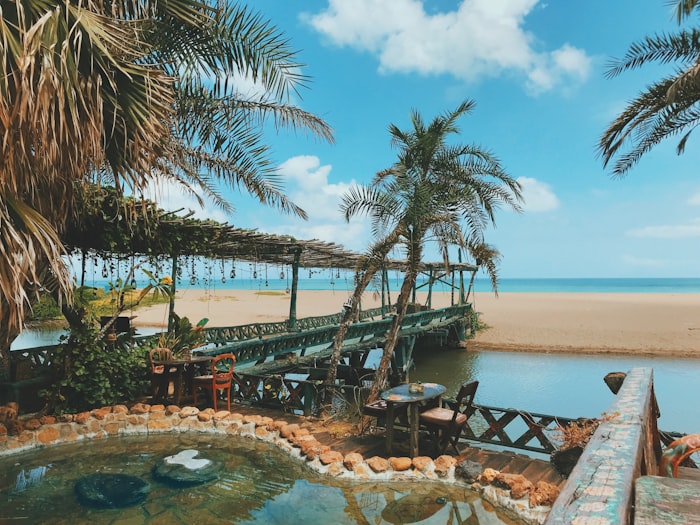
Bali, Indonesia
Warm, affordable, endlessly deep — beach, wellness, and culture in one place.
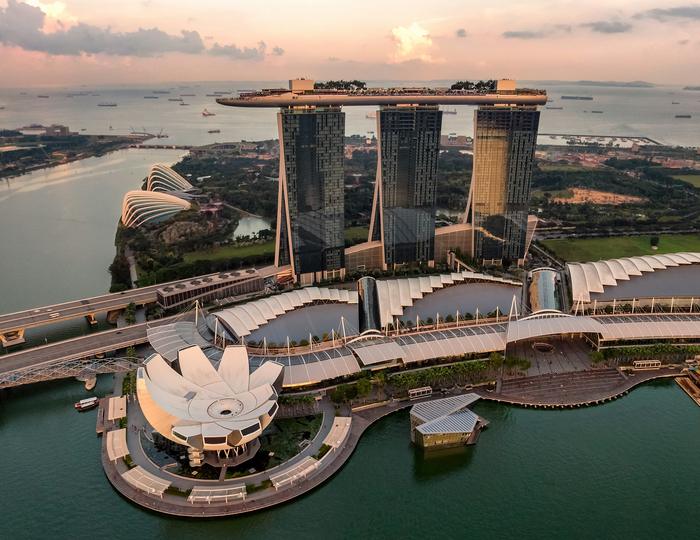
Singapore
The best two days you can spend between flights — or on their own.

France
Paris is only the opening act — wine country, the Alps, and two coastlines.
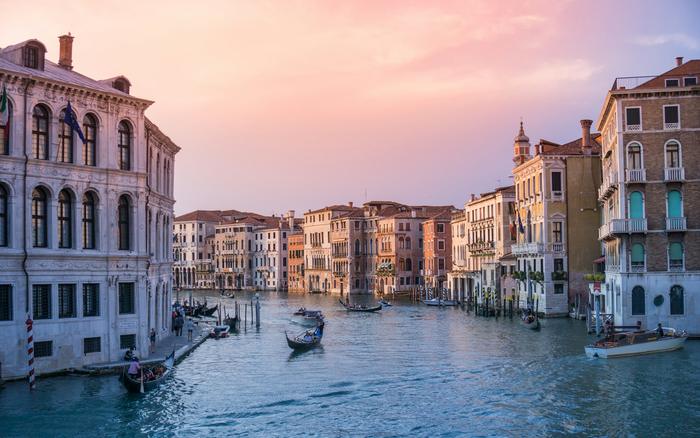
Italy
The benchmark for food, history, and beauty.

Greece
Ruins in the morning, a swim by noon, taverna until dark.
Not sure where to go
Take the 5-minute quiz
Answer a few honest questions and get matched to destinations that actually fit how you travel.
Start the quiz